
How Often to Water Succulents? Expert Tips
How Often to Water Succulents? Expert Tips for Thriving Plants
Succulents have become one of the most popular houseplants for good reason—they’re attractive, low-maintenance, and forgiving. However, many plant parents struggle with one critical aspect of succulent care: watering. Unlike traditional houseplants that need regular hydration, succulents thrive on neglect, storing water in their fleshy leaves and stems. The most common mistake people make is overwatering, which can quickly lead to root rot and plant death.
Understanding how often to water succulents is the key to keeping these beautiful plants healthy and vibrant. The answer isn’t as straightforward as “once a week” because several factors influence watering frequency, including your climate, soil type, pot drainage, and the specific succulent species you’re growing. In this comprehensive guide, we’ll explore expert tips and techniques to help you master succulent watering and keep your collection thriving.
The Basic Watering Rule for Succulents
The golden rule for succulent watering is simple: water deeply but infrequently. Most succulents need watering only once every two to three weeks during the growing season. Some gardeners follow the “soak and dry” method, where you thoroughly water the soil until it drains from the bottom, then wait until the soil is completely dry before watering again. This approach mimics the natural rainfall patterns succulents experience in their native desert and semi-arid habitats.
For most indoor succulents, watering every 14 to 21 days is ideal during spring and summer. In winter, when succulents enter dormancy, you should reduce watering significantly—sometimes to just once a month or even less. The key is to let the soil dry out completely between waterings. This prevents the moisture from sitting around the roots, which creates the perfect environment for fungal infections and root rot.
If you’re unsure whether your succulent needs water, the best approach is to err on the side of caution. Succulents can survive weeks without water thanks to their water-storing tissues, but they cannot survive in waterlogged soil. A simple test is to stick your finger about an inch into the soil; if it feels moist, wait another few days before watering.
Factors That Affect Watering Frequency
Several environmental and physical factors determine how often your specific succulents need water. Understanding these variables helps you develop a customized watering schedule rather than following a generic timeline.
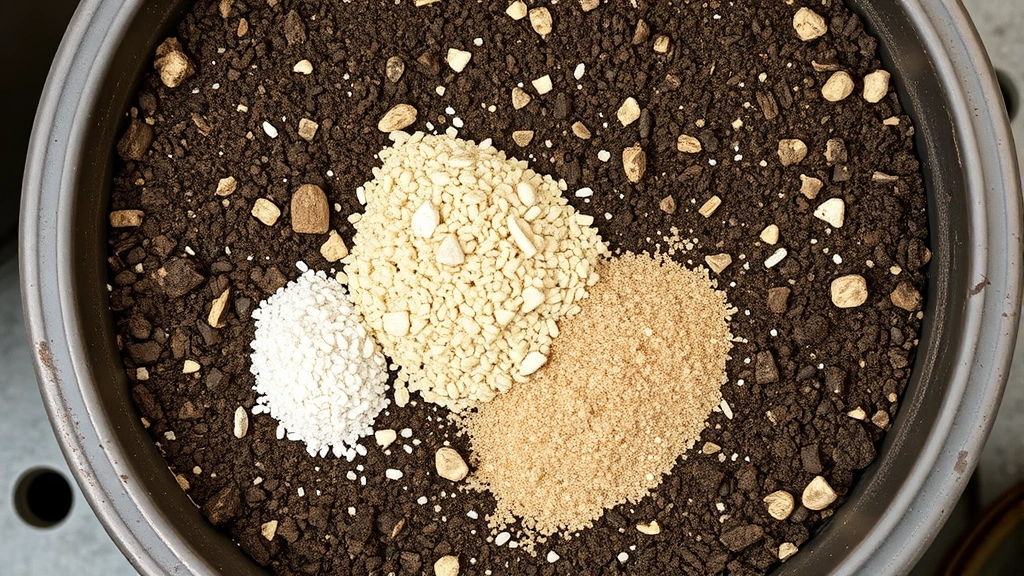
Soil Type and Drainage: The type of soil you use dramatically impacts watering needs. Standard potting soil retains too much moisture for succulents. Instead, use a well-draining cactus or succulent soil mix, or create your own by mixing regular potting soil with coarse sand, perlite, or pumice in a 1:1 ratio. Better drainage means water moves through quickly, reducing root rot risk and allowing you to water more frequently if needed.
Pot Type and Size: Pots with drainage holes are essential for succulent health. Terracotta pots are excellent because they’re porous and allow soil to dry faster than plastic or ceramic containers. Larger pots retain moisture longer than smaller ones, so a succulent in a large pot may need less frequent watering than the same plant in a small pot.
Humidity and Climate: If you live in a humid climate or near a coast, your succulents will need less water than those in dry climates. Humidity slows soil drying, so reduce watering frequency accordingly. Conversely, in arid regions or during dry seasons, you might need to water slightly more often.
Light Exposure: Succulents receiving adequate bright light (at least 4-6 hours daily) grow more actively and may need more frequent watering. Plants in low-light conditions grow slowly and require less water. If your succulents are in a dim corner, extend the time between waterings.
Temperature: Warm temperatures accelerate water evaporation and plant growth, increasing watering needs. Cold temperatures slow evaporation and plant metabolism, so reduce watering when temperatures drop.
Seasonal Watering Adjustments
Succulents have distinct seasonal growth patterns, and your watering schedule should reflect these changes. Most succulents are summer growers, meaning they actively grow during warm months and slow down in winter.
Spring and Summer: During the growing season (March through September), water your succulents every 2-3 weeks. This is when they’re actively photosynthesizing and growing new leaves and stems. Monitor soil moisture carefully, as warm temperatures increase evaporation. If you notice your plants looking slightly shriveled, it’s a sign they need water sooner.
Fall and Winter: As temperatures drop and daylight decreases, reduce watering to once a month or even less frequently. Many succulents enter dormancy during winter, essentially pausing their growth. During this period, they require minimal water. Some gardeners water only once every 6-8 weeks in winter. If your succulent is in a cool room (50-60°F), water even less frequently.
The transition between seasons is crucial. Rather than switching abruptly from frequent to infrequent watering, gradually reduce the frequency over a few weeks. This helps your plants adjust to the changing season and prevents stress.
Signs Your Succulents Need Water
Learning to read your plants’ signals is more reliable than following a strict schedule. Here are the key signs that your succulent is thirsty:
- Wrinkled or Shriveled Leaves: The most obvious sign of underwatering is soft, slightly deflated leaves. Healthy succulent leaves should be plump and firm. If leaves appear wrinkled or feel soft when gently squeezed, the plant needs water.
- Pale or Faded Color: When stressed from dehydration, succulents often lose their vibrant colors and appear pale or washed out. Once watered, their color typically returns within a few days.
- Lightweight Pot: Pick up the pot and feel its weight. A very light pot indicates the soil is dry and the plant likely needs water. A heavy pot means moisture is still present.
- Dry Soil: The most reliable indicator is soil moisture. Stick your finger into the soil about an inch deep. If it’s completely dry and pulls away from the pot edges, it’s time to water.
- Slow Growth: If your succulent hasn’t grown or produced new leaves in several months, underwatering might be the culprit (though other factors like insufficient light can also cause this).
Conversely, watch for signs of overwatering: translucent, mushy leaves, a foul smell from the soil, or dark, soft stems. These indicate root rot, a serious condition that’s difficult to reverse. If you notice these symptoms, stop watering immediately and consider repotting the succulent in fresh, dry soil.
How to Water Succulents Properly
Technique matters as much as frequency when watering succulents. Here’s the proper method:
- Check Soil Moisture: Before watering, verify that the soil is completely dry. Use the finger test or observe the pot’s weight.
- Water Thoroughly: When you do water, water deeply until it drains from the bottom of the pot. This ensures the entire root system receives moisture and flushes out any accumulated salts in the soil.
- Use Room-Temperature Water: Cold water can shock the roots. Use water that’s at room temperature or slightly warm.
- Water the Soil, Not the Leaves: Direct water to the soil around the base of the plant. Water on the leaves can cause rot or fungal issues. If water gets on the leaves, gently dry them with a soft cloth.
- Empty the Saucer: If your pot sits in a saucer or tray, empty any excess water that collects there within 10-15 minutes. Standing water promotes root rot.
- Water Less in Winter: During dormancy, reduce watering frequency significantly. Some gardeners water only once or skip watering entirely during the coldest months.
- Consider a Watering Can: A small watering can with a narrow spout gives you precise control and helps you direct water to the soil rather than the leaves.
Common Watering Mistakes to Avoid
Understanding common errors helps you prevent them. The most frequent succulent watering mistakes include:
Overwatering: This is the #1 killer of succulents. Beginners often treat succulents like traditional houseplants, watering weekly or on a fixed schedule. Succulents don’t want this attention. Stick to the “soak and dry” method and resist the urge to water until the soil is completely dry.
Using the Wrong Soil: Standard potting soil retains too much moisture. Always use cactus/succulent soil or amend regular soil with perlite and sand. Think of it like maintaining your vehicle—just as you’d check your transmission fluid regularly, you should check that your soil composition is appropriate for succulents.
Pots Without Drainage: Never use pots without drainage holes. Water will pool at the bottom, causing root rot. Drainage holes are non-negotiable for succulent health.
Watering on a Schedule: Don’t water simply because it’s Wednesday or because a calendar says it’s time. Instead, check soil moisture first. Environmental conditions change, affecting how quickly soil dries.
Watering Lightly: Sprinkling water on the soil isn’t enough. You need to water thoroughly so it drains from the bottom. Light watering encourages shallow root systems and increases rot risk.
Leaving Standing Water: Always empty drainage trays within 15 minutes of watering. Water sitting under the pot keeps roots wet and promotes fungal growth.
Different Succulents, Different Needs
While the general rule is “water infrequently,” some succulents have slightly different requirements. Understanding your specific plant helps you fine-tune your care routine.
Echeveria and Jade Plants: These popular succulents prefer the standard 2-3 week watering schedule during growing season. They’re quite forgiving and can handle occasional missed waterings.
Aloe and Agave: These tend to prefer drier conditions. Water every 3-4 weeks during growing season, and reduce to monthly or less in winter.
Sempervivum (Hens and Chicks): These hardy outdoor succulents are incredibly drought-tolerant. Once established, they rarely need supplemental watering. In containers, water every 2-3 weeks during summer.
Lithops (Living Stones): These unique succulents have specific watering needs tied to their growth cycle. Water lightly when they’re actively growing (spring and summer), then stop watering almost entirely in fall and winter when they’re dormant.
String of Pearls: Though technically a succulent, this trailing plant prefers slightly more moisture than typical succulents. Water every 2 weeks during growing season, but still allow soil to dry between waterings.
Crassula (Money Plant): These compact succulents thrive on minimal watering. Stick to the 2-3 week schedule and reduce frequency in winter. They’re excellent for beginners because they’re nearly impossible to kill with underwatering.
When you bring home a new succulent, research its specific species to understand its ideal growing conditions. This knowledge helps you provide the best possible care and troubleshoot problems if they arise. You might also explore comprehensive indoor succulent growing guides for species-specific information.
Proper watering is just one aspect of succulent care. These plants also need bright light, warm temperatures, and well-draining soil to thrive. When all these factors are optimized, your succulents will reward you with years of beautiful, healthy growth with minimal effort.
FAQ
How often should I water my succulents?
Water your succulents every 2-3 weeks during spring and summer, and reduce to once monthly or less during fall and winter. The most important factor is that soil should be completely dry between waterings. Use the “soak and dry” method rather than following a rigid schedule.
What’s the best way to know if my succulent needs water?
Check the soil moisture by inserting your finger about an inch deep. If it’s completely dry, water thoroughly. You can also observe the leaves—plump, firm leaves indicate adequate moisture, while wrinkled or soft leaves suggest the plant needs water. Feel the pot’s weight; a light pot usually means dry soil.
Can I overwater succulents?
Yes, absolutely. Overwatering is the leading cause of succulent death. Excess moisture promotes root rot and fungal infections. If you notice translucent, mushy leaves or a foul smell from the soil, your succulent is likely overwatered. Reduce watering immediately and consider repotting in fresh, dry soil.
Should I mist my succulents?
No, misting is not recommended for most succulents. Water on the leaves can cause rot or fungal issues. Instead, water the soil directly at the base of the plant. If water accidentally gets on the leaves, gently dry them with a soft cloth.
Do succulents need different watering in winter?
Yes, significantly less. Most succulents enter dormancy in winter and require minimal water. Reduce watering to once monthly or even skip watering for several weeks. Some gardeners water only once every 6-8 weeks during winter months.
What type of soil is best for succulents?
Use well-draining cactus or succulent soil, or create your own by mixing regular potting soil with perlite, coarse sand, or pumice in a 1:1 ratio. Proper drainage is critical because it prevents water from pooling around the roots and causing rot.
Do succulents need drainage holes?
Absolutely. Pots without drainage holes are unsuitable for succulents. Drainage holes allow excess water to escape, preventing root rot. Always choose pots with at least one drainage hole in the bottom.
How do I revive an overwatered succulent?
If your succulent is overwatered, stop watering immediately. Remove the plant from its pot and examine the roots. If they’re dark and mushy, trim away the rotted portions with clean scissors. Repot the succulent in fresh, dry cactus soil. Place it in bright light and don’t water for at least 2-3 weeks to allow the plant to recover.
Can I use tap water for my succulents?
Yes, tap water is generally fine for succulents. However, if your tap water is heavily chlorinated or has high mineral content, consider using filtered or distilled water to prevent salt buildup in the soil. Always use room-temperature water rather than cold water.
Why are my succulent leaves turning translucent?
Translucent leaves typically indicate overwatering or root rot. The cell walls break down when exposed to excess moisture, causing the leaves to become see-through and mushy. If you notice this, reduce watering immediately and check the roots for rot. Repot if necessary.

Related Posts

Superscript in Google Docs: Expert Tips

Strikethrough in Excel: Easy Steps for Beginners
