

Transmission Fluid Change: What Experts Recommend
Transmission Fluid Change: What Experts Recommend
Your vehicle’s transmission is one of its most complex and expensive components, and transmission fluid is the lifeblood that keeps it running smoothly. Understanding how often to change transmission fluid is critical for maintaining your vehicle’s performance, longevity, and resale value. Many vehicle owners overlook this essential maintenance task, leading to costly repairs that could have been prevented with regular fluid changes.
Transmission fluid serves multiple crucial functions: it lubricates moving parts, transfers hydraulic pressure to engage gears, cools the transmission, and removes debris and contaminants. Over time, this fluid degrades due to heat, friction, and oxidation, losing its ability to protect your transmission effectively. The recommended change interval varies significantly depending on your vehicle type, driving habits, and transmission design, which is why consulting your owner’s manual and understanding manufacturer guidelines is essential.
Understanding Transmission Fluid Types
Not all transmission fluids are created equal, and using the wrong type can damage your transmission. Modern vehicles typically use one of three transmission fluid types: conventional automatic transmission fluid (ATF), synthetic transmission fluid, or continuously variable transmission (CVT) fluid. Each type has specific properties and performance characteristics designed for particular transmission systems.
Conventional ATF has been the industry standard for decades and works well in most automatic transmissions. Synthetic transmission fluids offer superior heat resistance, longer service life, and better protection in extreme temperatures. This Old House emphasizes the importance of using manufacturer-approved fluids for your specific vehicle. CVT fluid, used in continuously variable transmissions, has unique viscosity and friction modifier requirements that differ significantly from traditional ATF.
Your vehicle’s owner’s manual specifies the exact fluid type required for your transmission. Using an incorrect fluid can result in poor shift quality, overheating, slipping, and permanent transmission damage. If you’re unsure which fluid your vehicle needs, consult your owner’s manual or contact your vehicle’s manufacturer directly. Many modern vehicles also use proprietary fluids specifically formulated for their transmissions, making it even more critical to follow manufacturer specifications.
Manufacturer Recommendations vs. Industry Standards
Transmission fluid change intervals have evolved dramatically over the past two decades. Older vehicles typically required fluid changes every 30,000 to 50,000 miles, but modern transmissions with improved seals and synthetic fluids often allow intervals of 60,000 to 100,000 miles or longer. However, manufacturer recommendations vary widely, and some vehicles with sealed transmissions claim “lifetime” fluid that never needs changing—though this claim remains controversial among mechanics.
Family Handyman recommends checking your specific vehicle’s maintenance schedule in your owner’s manual, as this is your most reliable source for proper maintenance intervals. Many manufacturers distinguish between “normal” and “severe” driving conditions, with severe driving (towing, frequent city driving, hot climates) requiring more frequent fluid changes. If you engage in severe driving, you may need to change your transmission fluid every 40,000 to 60,000 miles rather than following standard intervals.
Industry experts generally recommend a more conservative approach than manufacturers suggest. Many transmission specialists advocate for changing transmission fluid every 50,000 to 60,000 miles as preventive maintenance, arguing that the cost of regular fluid changes is minimal compared to the expense of transmission repair or replacement. This proactive approach can extend transmission life by tens of thousands of miles and prevent costly failures.
When deciding on your transmission fluid change schedule, consider your vehicle’s age, mileage, transmission type, driving habits, and climate. Older vehicles with conventional transmissions typically benefit from more frequent changes. If you frequently tow, drive in stop-and-go traffic, or live in a hot climate, your transmission works harder and generates more heat, necessitating more frequent fluid changes.
Signs Your Transmission Fluid Needs Changing
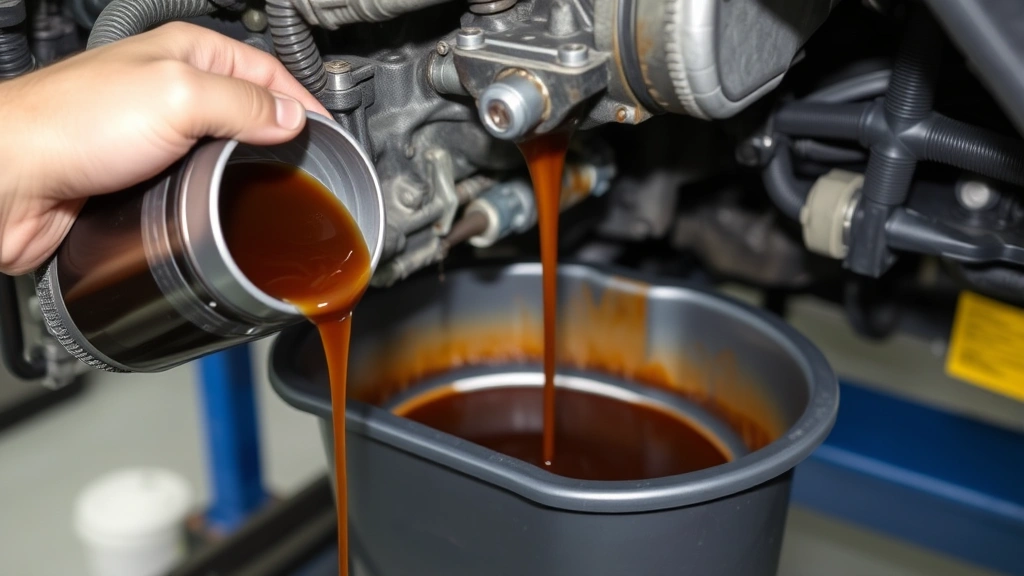
Beyond following a maintenance schedule, certain warning signs indicate your transmission fluid needs immediate attention. The most obvious sign is a change in transmission fluid color and appearance. Fresh transmission fluid ranges from bright red to amber, depending on the type. Dark brown or black fluid indicates oxidation and degradation, signaling that the fluid has lost its protective properties and should be changed immediately.
A burnt smell coming from your transmission is another critical warning sign. This odor indicates the fluid has overheated and begun to break down chemically. Continuing to drive with overheated transmission fluid can cause irreversible damage to internal components. If you notice this smell, have your transmission inspected by a qualified technician before driving the vehicle further.
Transmission performance issues often correlate with degraded fluid. Rough or delayed shifts, slipping (where the engine revs without the transmission engaging properly), hesitation during acceleration, or unusual noises from the transmission area may all indicate fluid problems. Some vehicles have transmission fluid level indicators, and a low fluid level can cause similar symptoms. Regular fluid checks allow you to catch problems early before they escalate.
Leaking transmission fluid is another red flag requiring immediate attention. Transmission leaks can stem from worn seals, damaged gaskets, or loose bolts. A small leak might seem minor, but transmission fluid loss reduces lubrication and cooling capacity, leading to accelerated wear and potential transmission failure. If you notice red or brown fluid under your vehicle where you park, have the leak inspected and repaired promptly. Like maintaining other vehicle systems such as how often to change tires, staying on top of transmission maintenance prevents bigger problems.
Step-by-Step Transmission Fluid Change Process
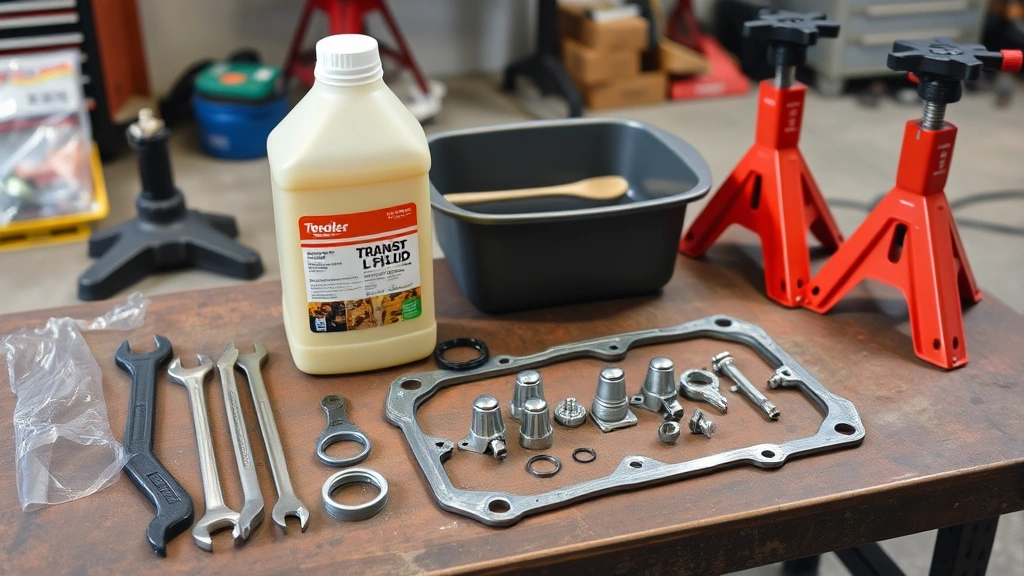
Preparation and Safety: Begin by ensuring your vehicle is on a level surface and the engine is cool. Gather all necessary supplies: new transmission fluid (correct type for your vehicle), a drain pan, wrenches or sockets, a jack and jack stands if needed, new drain plug gasket, a fluid pump or funnel, and safety glasses and gloves. Consult your owner’s manual for the exact location of the transmission drain plug and filler cap, as these vary significantly between vehicles.
Safety is paramount when working under a vehicle. Never rely solely on a jack to support your vehicle’s weight—always use jack stands rated for your vehicle’s weight. Ensure the parking brake is engaged and wheel chocks are placed behind the rear wheels. Wear safety glasses to protect your eyes from dripping fluid, and work in a well-ventilated area since transmission fluid can produce fumes.
Draining Old Fluid: Once the vehicle is safely secured, locate the transmission pan or drain plug underneath the transmission. Position your drain pan directly beneath it. Carefully loosen the drain plug or pan bolts by hand after using a wrench to break them free. Allow the old fluid to drain completely into the pan—this may take 10-15 minutes. Some transmissions have multiple drain points, so check your manual thoroughly.
If your vehicle has a transmission pan rather than a simple drain plug, you’ll need to remove all bolts carefully. Support the pan as you remove the final bolts to prevent spilling remaining fluid. Once the pan is removed, inspect it for metal shavings or debris, which indicate internal transmission wear. Clean the pan thoroughly with a clean cloth before reinstalling it.
Replacing the Filter and Gasket: Many transmission pans contain an internal filter that should be replaced during a fluid change. Remove the old filter by unbolting it from the pan or transmission body, depending on your vehicle’s design. Install the new filter, ensuring all seals are properly seated. Replace the transmission pan gasket with a new one—never reuse an old gasket, as it won’t seal properly and will leak.
Reinstalling the Pan and Adding New Fluid: Carefully position the transmission pan back into place and hand-tighten all bolts. Then, using a torque wrench, tighten the bolts to your manufacturer’s specifications, typically ranging from 8 to 15 foot-pounds. Over-tightening can strip threads or warp the pan, while under-tightening causes leaks.
Next, locate the transmission filler cap or dipstick tube. Remove it and add the new transmission fluid gradually using a funnel or fluid pump. Check your owner’s manual for the correct fluid capacity—most transmissions require 4-6 quarts, but some require significantly more. Add fluid slowly and check the level frequently with the dipstick to avoid overfilling, which can cause foaming and shifting problems.
Final Steps: With the correct amount of fluid added, start the engine and allow it to idle for 2-3 minutes. Shift through all gears (P, R, N, D) slowly, pausing briefly in each gear, then return to Park. This distributes the new fluid throughout the transmission system. Let the engine idle for another minute, then turn it off. Wait 5 minutes, then check the fluid level again with the dipstick and add more if necessary. The fluid should be at the “full” mark when the engine is warm and the transmission is in Park on a level surface.
Common Mistakes to Avoid
One of the most common mistakes is using the wrong transmission fluid type. Each vehicle manufacturer specifies particular fluid formulations, and substituting a different type can cause shifting problems, overheating, and transmission damage. Always verify the correct fluid type in your owner’s manual before purchasing.
Overfilling the transmission is another frequent error that causes serious problems. Excess fluid creates pressure that forces fluid past seals, resulting in leaks and foaming. Foamy transmission fluid loses its lubricating properties and can cause transmission failure. Fill to the exact level specified in your owner’s manual, typically marked on the dipstick.
Failing to replace the transmission pan gasket when changing fluid is a costly mistake. Old gaskets become brittle and lose their sealing ability, leading to leaks that allow fluid to escape and contaminants to enter. Always install a new gasket during any transmission fluid change. Similarly, neglecting to replace the transmission filter means contaminants remain in the system, continuing to degrade the new fluid.
Improper torque specifications when reinstalling the transmission pan can cause either leaks (under-tightened) or stripped threads (over-tightened). Use a torque wrench and follow manufacturer specifications exactly. Another mistake is changing transmission fluid when the engine is cold, which can result in inaccurate fluid level readings. Always check and adjust transmission fluid levels when the engine is warm and the vehicle is on level ground.
Not disposing of old transmission fluid properly is both environmentally irresponsible and illegal in many jurisdictions. Never pour used transmission fluid down drains or into the ground. Instead, collect it in sealed containers and take it to a recycling center, auto parts store, or municipal hazardous waste facility that accepts used motor oil.
Cost Considerations and DIY vs. Professional Service
Transmission fluid change costs vary significantly depending on whether you perform the work yourself or have a professional service your vehicle. A DIY transmission fluid change typically costs $50-$150 in parts (new fluid, filter, and gasket), making it an economical option if you’re mechanically inclined and have the necessary tools. Professional transmission fluid changes at dealerships typically cost $150-$300, while independent shops may charge $100-$250.
The decision between DIY and professional service depends on your mechanical skills, available tools, and comfort level working under a vehicle. If you’ve performed similar maintenance tasks before and have access to a safe workspace with appropriate tools, DIY transmission fluid changes can save significant money over your vehicle’s lifetime. However, if you’re uncomfortable working under a vehicle or lack proper tools, professional service is worth the investment to ensure the job is done correctly.
Some vehicles have more accessible transmission drain plugs and simpler designs that make DIY fluid changes straightforward, while others require removing multiple components or have complex transmission pan configurations. Research your specific vehicle’s requirements before deciding to tackle the job yourself. Watching tutorial videos or consulting your service manual can help you assess the difficulty level for your particular vehicle.
Investing in regular transmission fluid changes is one of the most cost-effective maintenance tasks you can perform. The relatively small expense of fluid changes every 50,000-60,000 miles pales in comparison to transmission repair costs, which can range from $500 for minor issues to $3,000-$5,000 or more for major repairs or replacement. Consider transmission fluid changes as insurance against expensive transmission problems, similar to how maintaining other vehicle systems prevents costly repairs.
When choosing a professional service provider, look for certified technicians with transmission expertise. Dealerships offer the advantage of manufacturer-specific knowledge and genuine parts, though they typically charge more than independent shops. Independent transmission specialists often provide excellent service at competitive prices and may offer more personalized attention. Regardless of where you service your transmission, ensure the facility uses manufacturer-approved transmission fluid and follows proper procedures.
Keep detailed records of all transmission fluid changes and maintenance performed on your vehicle. This documentation proves to future buyers that you’ve maintained the transmission properly, potentially increasing your vehicle’s resale value. A well-maintained transmission is a significant selling point, and maintenance records demonstrate your commitment to proper vehicle care. Just as you’d document other important home and vehicle maintenance like how to unclog a toilet or vehicle maintenance tasks, transmission fluid changes should be recorded for future reference.
FAQ
How often should I change my transmission fluid?
Most manufacturers recommend transmission fluid changes between 60,000 and 100,000 miles, though some older vehicles require changes every 30,000-50,000 miles. If you engage in severe driving (towing, city driving, hot climates), change fluid every 40,000-60,000 miles. Always consult your owner’s manual for your specific vehicle’s recommendations.
Can I check my transmission fluid level myself?
Yes, most vehicles have a transmission dipstick (though some modern vehicles don’t). With the engine warm, shift through all gears and return to Park on a level surface. Pull out the dipstick, wipe it clean, reinsert it fully, then pull it out again to check the level. Fluid should be between the minimum and maximum marks. Some vehicles use electronic fluid level indicators accessible through the dashboard display.
What does it mean if my transmission fluid is dark brown or black?
Dark transmission fluid indicates oxidation and degradation from heat and age. This means the fluid has lost its protective properties and should be changed immediately. Continuing to drive with degraded fluid risks transmission damage. If fluid is also accompanied by a burnt smell, have your transmission inspected by a professional before driving further.
Is transmission fluid change the same as a transmission flush?
No, these are different procedures. A transmission fluid change involves draining old fluid, replacing the filter, and adding new fluid—typically replacing 50-70% of the fluid. A transmission flush uses specialized equipment to force all old fluid out of the transmission and replace it completely with new fluid. Flushes cost more but are sometimes recommended for vehicles with severely degraded fluid or high mileage.
Can I use any transmission fluid in my vehicle?
Absolutely not. Using incorrect transmission fluid can cause shifting problems, overheating, and transmission damage. Your owner’s manual specifies the exact fluid type required. Some manufacturers use proprietary fluids, and using substitutes voids warranties and causes serious problems. Always use the manufacturer-approved fluid for your specific vehicle.
What are signs of a transmission leak?
Red or brown fluid under your vehicle where you park indicates a transmission leak. Other signs include low transmission fluid levels, difficulty shifting, slipping gears, or a burnt smell. Small leaks may seem minor but progressively worsen, reducing lubrication and cooling capacity. Have any suspected leak inspected and repaired promptly to prevent transmission damage.
How long does a transmission fluid change take?
A professional transmission fluid change typically takes 30 minutes to 1 hour, depending on vehicle accessibility and whether the transmission pan needs removal. DIY fluid changes may take 1-2 hours if you’re experienced, or 2-3 hours if you’re working slowly and carefully. Complex transmissions with difficult-to-access drain plugs or multiple drain points may require additional time.
Should I change transmission fluid if my vehicle has “lifetime” transmission fluid?
Many modern vehicles claim “lifetime” transmission fluid, but this is controversial among mechanics and transmission specialists. While synthetic fluids last longer than conventional fluids, they still degrade over time, especially under severe driving conditions. Many experts recommend changing even “lifetime” fluid every 60,000-100,000 miles as preventive maintenance to extend transmission lifespan and prevent costly failures.

Related Posts

Superscript in Google Docs: Expert Tips

Strikethrough in Excel: Easy Steps for Beginners
