

Frozen Eggs Cost? Fertility Expert Insights
Frozen Eggs Cost: Complete Fertility Expert Insights & Breakdown
Egg freezing has revolutionized reproductive options for women seeking to preserve fertility and maintain control over family planning timelines. Whether you’re prioritizing career advancement, waiting for the right partner, or facing medical treatments that may impact fertility, understanding the financial investment is crucial. The cost of freezing eggs encompasses multiple components beyond the initial procedure, and prices vary significantly based on location, clinic reputation, and individual health circumstances.
This comprehensive guide breaks down every expense associated with egg freezing, providing transparency about what you’ll actually pay and helping you make informed decisions about this transformative fertility option. We’ll explore initial consultation costs, the retrieval procedure itself, medication expenses, storage fees, and long-term financial considerations that fertility experts recommend addressing before beginning treatment.
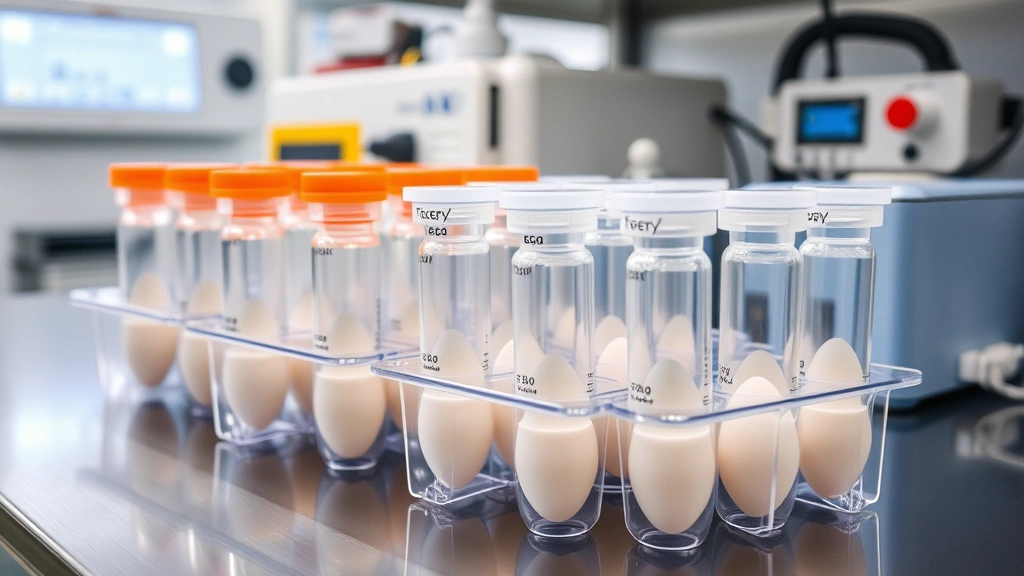
Initial Egg Freezing Costs Overview
The average cost to freeze eggs in the United States ranges from $10,000 to $15,000 per cycle, with many fertility clinics reporting total expenses between $12,000 and $18,000 when all associated fees are included. However, this figure represents only the initial retrieval and freezing process—it doesn’t account for storage fees, future thawing costs, or fertilization and transfer procedures if you decide to use the frozen eggs later.
Fertility experts emphasize that egg freezing is a multi-step financial commitment rather than a one-time expense. Most women require multiple cycles to accumulate an adequate number of mature eggs for future fertility success, which can double or triple the initial investment. Understanding this comprehensive cost structure helps you budget realistically and avoid financial surprises throughout your fertility journey.
According to the American Society for Reproductive Medicine (ASRM), the average age at which women pursue egg freezing has remained relatively consistent, yet the procedures have become increasingly refined. This improvement in technology hasn’t necessarily reduced costs, as advanced laboratory techniques and personalized treatment protocols command premium pricing at leading fertility centers.
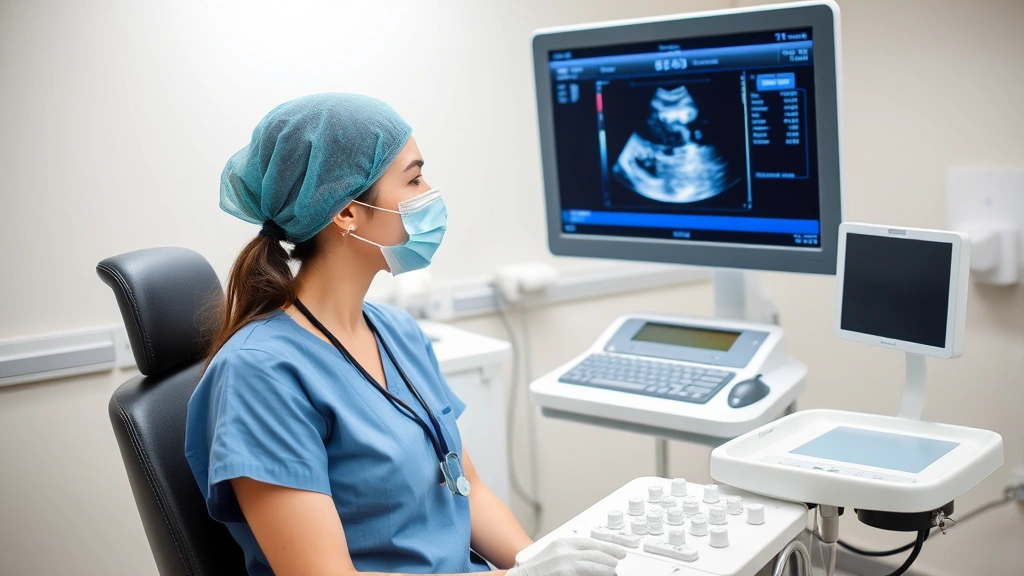
Fertility Testing and Consultation Fees
Before beginning any egg freezing cycle, you’ll need comprehensive fertility testing to assess your ovarian reserve and overall reproductive health. These preliminary evaluations typically cost $1,500 to $3,000 and include essential diagnostic procedures.
Standard fertility testing includes:
- Initial consultation: $300–$500 (many clinics waive this if you proceed with treatment)
- Blood work and hormone panels: $500–$800 (measuring FSH, LH, estradiol, and AMH levels)
- Transvaginal ultrasound: $400–$600 (evaluating ovarian follicles and uterine health)
- Infectious disease screening: $300–$500 (required by federal regulations)
- Genetic carrier screening (optional): $500–$1,200
- Semen analysis for partner (if applicable): $200–$400
Your fertility specialist uses these results to develop a personalized stimulation protocol tailored to your specific needs. Women with diminished ovarian reserve may require different medication dosages and monitoring schedules compared to those with excellent egg quality, making this assessment phase invaluable for optimizing outcomes and managing costs effectively.
Ovarian Stimulation Medication Expenses
Medication costs represent one of the most variable components of egg freezing expenses, typically ranging from $3,000 to $7,000 per cycle. These injectable hormones stimulate your ovaries to produce multiple mature eggs rather than the single egg typically released during natural ovulation.
Common fertility medications and approximate costs include:
- Gonadotropins (FSH/hCG): $2,000–$5,000 (primary stimulation drugs)
- GnRH agonist or antagonist: $500–$1,500 (prevents premature ovulation)
- Trigger shot (hCG or GnRH agonist): $200–$400 (initiates final egg maturation)
- Progesterone supplements (if needed): $300–$800
- Antibiotics and additional medications: $200–$500
Medication costs vary dramatically based on insurance coverage, pharmacy selection, and whether you use brand-name versus generic alternatives. Many fertility clinics partner with specialty pharmacies offering discounts for patients undergoing treatment. Exploring these partnerships can reduce medication expenses by 15–30 percent, making this area worth negotiating with your clinic.
The stimulation phase typically lasts 10–14 days, during which you’ll visit your clinic multiple times for ultrasounds and blood work to monitor follicle development. These monitoring visits usually cost $150–$300 per appointment, with most cycles requiring 3–5 monitoring sessions.
Egg Retrieval Procedure Costs
The egg retrieval procedure itself—the surgical component of egg freezing—typically costs $3,000 to $5,000 and represents a significant portion of your total investment. This outpatient procedure uses ultrasound guidance to aspirate mature eggs from your ovarian follicles under light sedation.
Retrieval procedure costs typically include:
- Anesthesia services: $500–$1,000
- Surgical facility fees: $1,500–$2,500
- Physician services: $1,000–$1,500
- Recovery and post-operative care: $300–$500
- Pre-operative testing: $200–$400
The procedure typically takes 15–20 minutes, though you’ll spend several hours at the facility for preparation, recovery, and discharge instructions. Most clinics recommend taking one full day off work following retrieval, though many patients feel ready to return to normal activities within 24–48 hours.
Complications during retrieval are rare but can increase costs significantly. Fertility experts recommend discussing complication scenarios and associated costs during your initial consultation, ensuring you understand financial responsibility in unexpected situations.
Laboratory and Processing Fees
After retrieval, your eggs undergo specialized laboratory processing and freezing, with costs typically ranging from $1,500 to $3,000. This critical phase requires sophisticated equipment and highly trained embryologists to ensure optimal egg viability.
Laboratory costs include:
- Egg assessment and preparation: $500–$800
- Cryopreservation (freezing) process: $600–$1,200
- Vitrification technology application: $400–$700 (advanced freezing technique improving survival rates)
- Storage container and labeling: $200–$300
- Quality control and documentation: $300–$500
Modern vitrification technology has dramatically improved egg survival rates compared to older slow-freezing methods, making this investment worthwhile for long-term success. Eggs frozen using vitrification now survive the thaw process at rates exceeding 90 percent, compared to 50–60 percent with traditional methods.
When you decide to use your frozen eggs in the future, you’ll pay additional fees for thawing, fertilization assessment, and embryo culture if applicable—typically $1,000–$2,500 depending on your clinic and specific procedures needed.
Annual Storage and Maintenance Costs
One often-overlooked expense is the ongoing cost of storing your frozen eggs. Annual storage fees typically range from $400 to $1,200 per year, depending on your clinic and the number of eggs stored.
Storage cost factors include:
- Cryogenic storage facility maintenance: $300–$800 annually
- Monitoring and quality assurance: $100–$300 annually
- Insurance and liability coverage: $100–$200 annually (optional but recommended)
- Administrative and record-keeping fees: $50–$150 annually
This is a perpetual expense that continues until you use your eggs or decide to discontinue storage. Over a decade, storage costs can total $4,000–$12,000, representing a significant long-term financial consideration. Some clinics offer multi-year storage packages at discounted rates, which can provide savings if you’re confident about your timeline.
Fertility experts recommend clarifying storage policies before beginning treatment, including what happens to your eggs if you move, change clinics, or if the storage facility closes. Understanding the importance of proper planning for significant life decisions applies equally to reproductive choices and financial commitments.
Insurance Coverage and Financial Assistance
Insurance coverage for egg freezing varies dramatically by state, employer plan, and personal circumstances. Currently, only a handful of states mandate coverage for fertility preservation, making out-of-pocket payment the reality for most patients.
States with mandatory egg freezing coverage include:
- Illinois (mandates coverage for elective egg freezing)
- New York (includes coverage under certain circumstances)
- California (some plans cover fertility preservation)
- Maryland and a few others (with specific limitations)
Even in covered states, significant out-of-pocket costs often remain. Many employers offer fertility benefits through specialized programs like Progyny or Carrot Fertility, which can reduce individual costs by 20–50 percent through negotiated clinic rates.
Financial assistance options include:
- Clinic discount programs: 10–25% reduction for self-pay patients
- Employer benefits: coverage ranging from 50–100% of costs
- Fertility grants: $5,000–$20,000 from non-profit organizations
- Medical loans: specialized financing with 0% interest options
- Flexible Spending Accounts (FSA): pre-tax dollars for eligible expenses
Organizations like the RESOLVE National Infertility Association maintain databases of grants and financial assistance programs. Many women combine multiple funding sources to make egg freezing financially feasible.
Regional Price Variations
Egg freezing costs vary significantly by geographic location, with urban centers and regions with high concentrations of fertility specialists commanding premium pricing.
Average costs by region:
- New York City and San Francisco: $15,000–$22,000 per cycle
- Los Angeles and Chicago: $12,000–$18,000 per cycle
- Mid-sized metropolitan areas: $10,000–$14,000 per cycle
- Smaller cities and rural areas: $8,000–$12,000 per cycle
Some patients travel to more affordable regions for treatment, though this requires factoring in travel expenses, accommodation, and time away from work. Traveling for egg freezing is feasible if your clinic coordinates multiple monitoring visits efficiently, though most fertility specialists recommend local clinics for convenience and continuity of care.
International options in countries like Mexico, Costa Rica, and Spain offer significantly lower costs (50–70% savings), but require thorough vetting of clinic credentials and consideration of legal implications regarding egg ownership and storage across borders.
Long-Term Financial Planning
Comprehensive financial planning for egg freezing should extend beyond the initial cycle costs. Fertility experts recommend considering the complete financial picture when evaluating this investment.
Multi-cycle financial planning:
- First cycle: $12,000–$18,000
- Second cycle (if needed): $10,000–$16,000 (slightly lower due to existing baseline testing)
- Storage for 5 years: $2,000–$6,000
- Thawing and fertilization (when using eggs): $1,500–$3,500
- Embryo transfer (if pursuing pregnancy): $3,000–$5,000
Most fertility specialists recommend accumulating 15–20 mature eggs for optimal success rates, which typically requires 1–3 cycles depending on age and ovarian reserve. Younger women (under 35) often succeed with a single cycle, while women over 40 may need multiple cycles.
Understanding the importance of comprehensive planning for major life projects applies directly to fertility preservation. Creating a detailed budget that accounts for multiple scenarios helps you make informed decisions without financial stress.
Consider these financial strategies:
- Negotiate package pricing with your clinic for multiple cycles upfront
- Explore employer fertility benefits and FSA options before paying out-of-pocket
- Research grant opportunities specific to your age, location, and circumstances
- Compare storage costs across clinics, as some offer significantly better rates
- Plan for contingencies like cycle cancellation or lower-than-expected egg retrieval
Many fertility clinics offer transparent pricing models and financing options specifically designed to make egg freezing accessible. Don’t hesitate to discuss financial concerns with your clinic’s financial counselor—they often have resources and solutions beyond standard pricing structures.
FAQ
What is the average total cost of freezing eggs?
The average total cost ranges from $12,000 to $18,000 per cycle in the United States, including all fees from initial consultation through cryopreservation. This doesn’t include annual storage fees or future thawing and fertilization costs.
Does insurance cover egg freezing costs?
Insurance coverage is limited and varies significantly by state and employer plan. Only a few states mandate coverage, and many require specific circumstances (medical necessity rather than elective preservation). Approximately 85–90% of egg freezing patients pay out-of-pocket or use employer fertility benefits.
How many cycles do most women need?
Most women need 1–3 cycles to accumulate sufficient eggs for future fertility success. Women under 35 often succeed with a single cycle, while those over 40 typically require 2–3 cycles. Your fertility specialist can estimate cycle requirements based on your ovarian reserve testing.
What are the ongoing costs after initial freezing?
Annual storage costs range from $400–$1,200 per year. When you decide to use frozen eggs, thawing and fertilization costs typically range from $1,500–$3,500, plus an additional $3,000–$5,000 for embryo transfer if pursuing pregnancy.
Are there ways to reduce egg freezing costs?
Yes, several strategies can reduce costs: utilize employer fertility benefits, explore fertility grants and non-profit assistance, use specialty pharmacy partnerships for medication discounts, negotiate package pricing for multiple cycles, and consider traveling to more affordable regions if feasible.
How long can eggs remain frozen?
Modern cryopreservation technology preserves egg viability indefinitely. Eggs frozen 10+ years ago have been successfully thawed and fertilized, producing healthy pregnancies. However, storage costs continue annually regardless of how long eggs remain frozen.
What happens if my first cycle doesn’t produce enough eggs?
If your first cycle yields fewer eggs than desired, most clinics recommend additional cycles to accumulate adequate numbers. Many offer discounted rates for consecutive cycles, and your specialist can adjust stimulation protocols based on first-cycle response.
Can I use financing to pay for egg freezing?
Yes, many fertility clinics partner with medical financing companies offering 0% interest plans for 12–24 months. Some specialize in fertility financing with flexible terms. Additionally, FSA and HSA accounts can be used for eligible fertility expenses.

Related Posts

Superscript in Google Docs: Expert Tips

Strikethrough in Excel: Easy Steps for Beginners
