
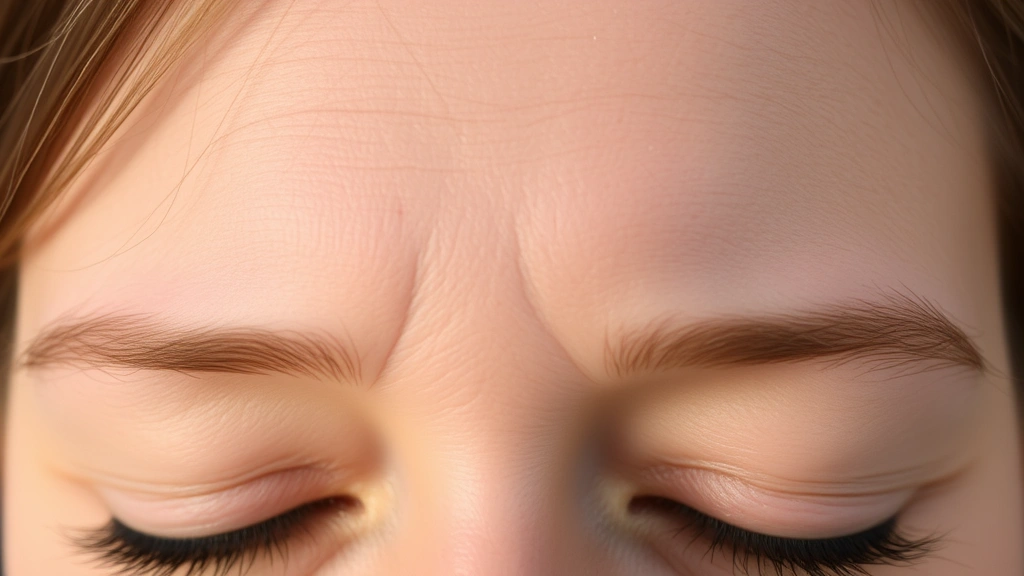
How Long Does Botox Take to Work: Expert Insights
How Long Does Botox Take to Work: Expert Insights
You’ve decided to take the plunge. You’ve booked your appointment, done your research, and you’re sitting in that chair wondering: when will this actually start working? Botox has become one of the most popular cosmetic procedures in the world, yet many people remain uncertain about the timeline for results. The truth is, understanding how long Botox takes to work isn’t just about vanity—it’s about setting realistic expectations and making informed decisions about your appearance.
The journey from injection to noticeable results isn’t instantaneous, and that’s completely normal. Unlike some medications where you might feel effects within minutes, Botox operates on a different timeline. The process involves your body’s natural biological mechanisms, and patience is genuinely a virtue here. Whether you’re a first-timer or a seasoned Botox enthusiast, knowing what to expect during each phase of the treatment cycle can help you plan accordingly and avoid disappointment.
This comprehensive guide breaks down everything you need to know about Botox’s timeline, from the first injection to full results, and what factors might influence your personal experience. We’ll explore the science behind the treatment, common misconceptions, and practical tips for maximizing your results.
Initial Timeline: When Botox Starts Working
Here’s the reality: Botox doesn’t work overnight. Unlike taking a medication where caffeine effects can kick in within minutes, Botox requires your body to process and respond to the injected protein. The active ingredient in Botox, botulinum toxin type A, needs time to bind to nerve endings and prevent muscle contractions that cause wrinkles.
Most patients begin noticing subtle changes within the first 24 to 48 hours after their injection. These early signs are often so mild that you might second-guess whether anything is actually happening. A slight softening around the injection sites, perhaps a feeling of slight heaviness in the treated muscles—these are the whispers of change, not the full conversation yet.
The molecular process happening beneath your skin is fascinating. Once injected, the botulinum toxin begins its work by blocking acetylcholine release at the neuromuscular junction. This is a gradual process, and your body’s response timeline varies based on individual metabolism, injection technique, and the specific product formulation used.
The First Week After Injection
During the first seven days, you’ll likely notice progressive improvements, though they remain subtle. By day three or four, many patients report that their wrinkles appear softer and less pronounced. The muscle relaxation is beginning in earnest, but it hasn’t reached its peak yet.
It’s during this week that you might experience some common side effects like slight bruising, redness, or mild swelling at injection sites. These are normal and typically resolve within a few days. If you’re comparing your results to someone else’s timeline, remember that individual variation is significant—just as Zofran takes different timeframes to work for different people, Botox’s effectiveness timeline varies considerably.
One important note: this is an excellent time to avoid strenuous exercise, heavy lifting, or activities that significantly increase blood flow to the face. These activities can potentially disperse the Botox away from the intended treatment areas, affecting your results.

Two to Four Weeks: Peak Results Begin
By the second week, most people can see meaningful changes. The softening of expression lines becomes more obvious. Crow’s feet start to fade, forehead lines relax, and the overall appearance becomes noticeably smoother. This is when friends might start asking if you’ve done something different—though the change feels natural rather than frozen or overdone when administered properly.
The third and fourth weeks represent the sweet spot where Botox truly shines. This is typically when maximum results are achieved. Your muscles have had sufficient time to respond fully to the treatment, and the relaxation is complete. The wrinkles and expression lines that bothered you are now significantly softened or eliminated entirely.
During this period, you might find yourself enjoying the results so much that you wonder why you waited so long to try Botox. The improved appearance often boosts confidence, and many patients report feeling more refreshed and youthful. It’s worth noting that similar to how Tylenol takes time to reach full effectiveness, Botox follows its own biological timeline that can’t be rushed.
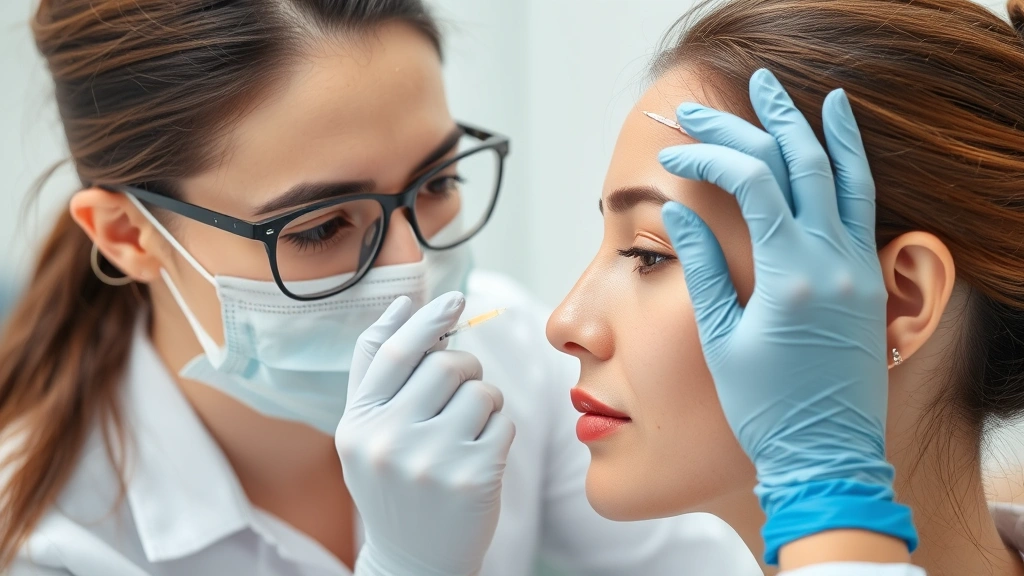
Full Results and Optimal Effects
By week four, you’ve reached the plateau of your Botox results. This is the time when you’re seeing the full benefit of your treatment. For most patients, these results are exactly what they hoped for—a refreshed appearance without looking artificial or overdone.
The optimal results phase typically lasts from week four through week twelve. During this extended period, your skin maintains that smoother, more youthful appearance. Your expression lines are minimized, and you look naturally refreshed. This is the period where you’re truly enjoying your investment in the treatment.
It’s important to understand that while results are most noticeable during this window, they don’t suddenly disappear. Rather, they gradually diminish over time as your body naturally metabolizes the botulinum toxin and your muscles gradually regain their ability to contract. This gradual fade is actually one of the reasons Botox appeals to many people—there’s no sudden reversal of effects.
How Long Botox Results Last
Most Botox results last between three to four months, though this varies significantly among individuals. Some people enjoy results for as long as five months, while others might notice changes beginning around the ten-week mark. Your metabolism, age, muscle mass in the treated areas, and the specific dosage used all influence how long your results persist.
This timeline is one of the practical advantages of Botox compared to more permanent cosmetic procedures. If you decide you don’t like the results, they’ll naturally wear off. Conversely, if you love them, you can schedule maintenance appointments to maintain your refreshed appearance.
Many dermatologists recommend scheduling follow-up appointments around the three-month mark. Some patients prefer to wait until they notice the effects beginning to fade before returning, while others prefer maintaining results consistently by scheduling before noticeable changes occur. Your personal preference and lifestyle should guide this decision.
Factors That Influence Timeline
Metabolism and Age: Younger patients with faster metabolisms might process Botox more quickly, though they might also see slightly shorter duration of results. Conversely, metabolism naturally slows with age, potentially extending how long results last.
Muscle Mass: Individuals with stronger facial muscles or those who frequently use certain facial expressions might require higher doses and might see results take slightly longer to fully manifest. Similarly, those results might not last quite as long.
Previous Botox Experience: First-time Botox recipients sometimes develop what’s called “Botox antibodies.” In rare cases, the body develops resistance to the treatment over time, though this is uncommon with proper administration and typical treatment intervals.
Injection Technique: The skill and experience of your injector matters tremendously. Proper placement, correct dosage, and appropriate injection depth all influence how quickly results appear and how long they last. This is why choosing a qualified, experienced provider is crucial.
Product Formulation: Different Botox products (Botox, Dysport, Xeomin) have slightly different onset times and duration profiles. Dysport, for example, often shows results slightly faster than traditional Botox, though this varies individually.
Lifestyle Factors: Sun exposure, smoking, stress levels, and sleep quality can all influence how your body processes Botox. Patients who maintain good skincare routines and healthy lifestyles often report more consistent and potentially longer-lasting results.
How to Maximize Your Botox Results
Follow Post-Treatment Instructions: Your injector will provide specific aftercare instructions. Following these meticulously during the first 24 hours is crucial. Avoid lying down, strenuous exercise, facial massages, and heat exposure, as these can affect Botox placement.
Stay Hydrated: Drinking plenty of water supports your body’s natural healing and processing mechanisms. Hydration is fundamental to healthy skin and optimal treatment response.
Maintain a Consistent Skincare Routine: While Botox addresses dynamic wrinkles caused by muscle movement, other skincare concerns benefit from a solid routine. Using sunscreen, retinoids, and moisturizers complements your Botox results beautifully.
Schedule Maintenance Appointments Strategically: Rather than waiting until results completely fade, many professionals recommend scheduling touch-ups around the three-month mark. This maintains consistent results and can potentially extend the duration of effectiveness over time.
Avoid Smoking and Excessive Sun Exposure: Both smoking and UV exposure accelerate skin aging and can potentially interfere with optimal Botox results. Protecting your skin investment makes sense.
Choose a Qualified Provider: This cannot be overstated. Your results depend heavily on your injector’s expertise, training, and experience. Research credentials, ask for before-and-after photos, and read reviews before committing.
For additional guidance on treatment expectations, Mayo Clinic provides comprehensive information on Botox procedures. The American Society of Plastic Surgeons offers professional guidelines on what to expect. Additionally, the American Academy of Dermatology provides detailed patient resources about injectable treatments.
Frequently Asked Questions
Can Botox Results Show Up Faster Than 24 Hours?
While most people don’t notice visible results within the first 24 hours, some extremely sensitive individuals report very subtle changes. However, the vast majority of results appear between day two and day seven. Expecting immediate results is unrealistic and often leads to disappointment.
What If I Don’t See Results After Four Weeks?
If you’re not seeing satisfactory results after four weeks, contact your injector. There could be several reasons: the dosage might need adjustment, the injection placement might need refinement, or rarely, you might have developed Botox antibodies. Your provider can address this at your follow-up appointment.
Can I Speed Up How Long Botox Takes to Work?
Unfortunately, no. The biological process cannot be significantly accelerated. However, staying well-hydrated, maintaining good nutrition, getting adequate sleep, and reducing stress might support your body’s natural response mechanisms. Some research suggests that light facial massage after the first 24 hours might help, though this should only be done if your injector approves.
Is There a Difference in Timeline Between Botox and Other Injectables?
Yes, slight differences exist. Dysport sometimes shows results within 24 to 48 hours, while traditional Botox typically takes three to seven days. Xeomin follows a similar timeline to Botox. Fillers work differently entirely—they provide immediate volume and can show results instantly, though full results often take a few days as swelling subsides.
Will My Results Look Better if I Wait Longer Than Four Weeks?
No. Four weeks represents peak results for the vast majority of patients. After this point, results maintain their optimal appearance until they gradually begin fading around the three-month mark. Waiting longer won’t improve results; it just delays enjoying them.
How Does Body Healing Compare to Botox Timeline?
Just as tattoos take considerable time to fully heal and nose piercings require weeks of proper healing, Botox involves your body’s natural biological processes. These timelines can’t be rushed, but understanding them helps you set appropriate expectations.
What Should I Do If I Have an Important Event?
Schedule your Botox at least two weeks before major events, ideally three weeks. This ensures you’re well past the initial injection phase and any potential side effects like bruising, and your results are visible and stable. Waiting too long risks having results fade before the event.
Can I Get Botox Touch-Ups Before Results Fade?
Absolutely. Many patients schedule touch-up appointments around the three-month mark, before results completely fade. This maintains consistent appearance and can potentially extend results over time. Your injector can advise on the best schedule for your specific situation.
Understanding how long Botox takes to work empowers you to make informed decisions about your treatment. While the waiting period requires patience, the gradual improvement over weeks one through four creates natural-looking results that many people find deeply satisfying. By setting realistic expectations and following proper aftercare guidelines, you’re positioning yourself for the best possible outcome from your Botox investment.

Related Posts

How Long to Boil Lobster Tails: Cooking Guide

How Long to Fly from New York to London? Travel Times
