
How Long Does It Take to Build a House? Expert Guide
How Long Does It Take to Build a House? Expert Guide
Building a house from the ground up is one of life’s most ambitious undertakings. Whether you’re dreaming of a custom-built home or curious about the construction timeline for a new development property, understanding the house-building process is essential. The answer to “how long does it take to build a house?” isn’t as straightforward as you might think—timelines vary dramatically based on location, complexity, weather, and countless other factors.
On average, most single-family homes take between 7 to 12 months to complete from the moment construction begins. However, this figure represents only the active building phase. When you factor in planning, permits, and inspections, the entire journey from concept to move-in day typically spans 12 to 18 months or longer. Some luxury homes or complex builds can stretch well beyond two years.
This comprehensive guide breaks down every phase of home construction, revealing what happens behind the scenes and why patience becomes your greatest ally in this process.
Pre-Construction Planning Phase
Before a single nail is driven or foundation poured, months of planning lay the groundwork for your project. This phase typically consumes 2 to 4 months, though it can extend longer depending on the complexity of your vision.
The planning stage begins with site selection and analysis. Your builder or architect will evaluate soil conditions, drainage patterns, and topography. Soil testing is critical—poor soil composition can necessitate expensive remediation or alternative foundation solutions. Additionally, surveyors will establish property lines and identify any easements or restrictions that might affect construction.
Design development happens simultaneously. You’ll work with architects and designers to finalize floor plans, elevation drawings, and specifications. This is where your dream home transforms from imagination into technical blueprints. Material selections—from roofing to flooring to fixtures—must be chosen during this phase. Decisions made here ripple through the entire construction timeline, so rushing this stage often causes delays later.
Budget finalization and financing arrangements also occur now. Lenders require detailed construction plans and cost estimates before approving construction loans. If you’re working with a builder, they’ll provide detailed breakdowns of labor, materials, and overhead costs. Understanding the budget prevents costly change orders that extend timelines.
Permits and Approvals
Permit acquisition is often the most unpredictable phase of home construction. While it might seem like a minor administrative hurdle, permit delays are among the top reasons construction timelines slip. This phase typically takes 4 to 12 weeks, but can extend to 6 months in municipalities with extensive review processes.
Your builder must submit comprehensive construction documents to the local building department. These include structural plans, electrical layouts, plumbing diagrams, mechanical systems, and energy code compliance documentation. The reviewing engineer or official examines these for code compliance and public safety standards.
Common reasons for permit delays include incomplete submissions, code violations in the design, or requests for revisions. Some jurisdictions require third-party inspections for specific systems. If your project is in a historic district or environmentally sensitive area, additional approvals from preservation boards or environmental agencies may be necessary.
Pro tip: hire a permit expediter if you’re in a jurisdiction known for slow reviews. These professionals know the system intimately and can often accelerate approvals significantly.
Foundation and Site Preparation
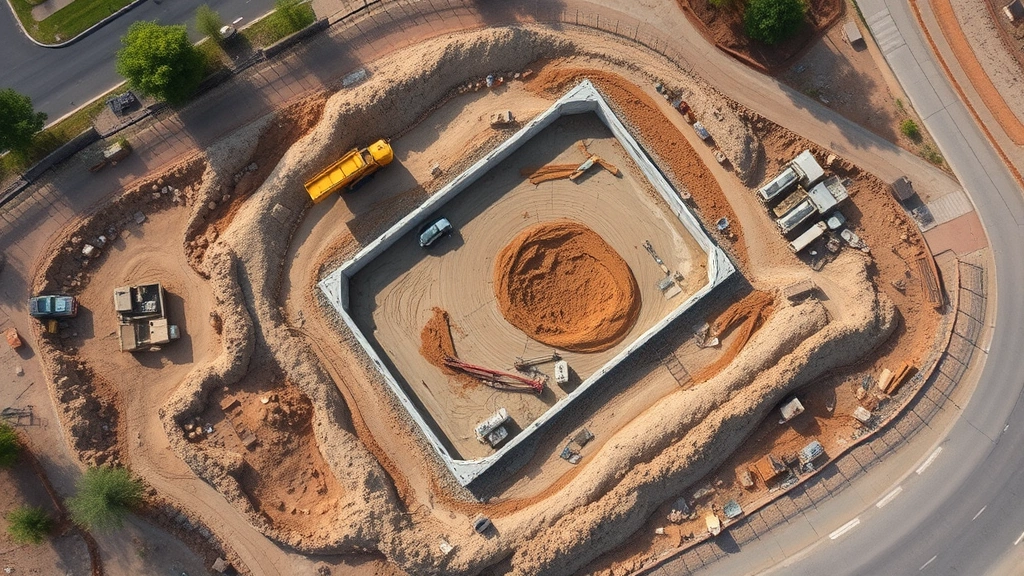
Once permits are approved, active construction begins with site preparation and foundation work. This phase typically takes 4 to 8 weeks, depending on site conditions and foundation type.
Site preparation involves clearing vegetation, removing trees if necessary, and grading the land. Heavy equipment operators establish proper drainage patterns to prevent water pooling near the foundation. If soil conditions warrant it, the contractor may need to excavate and replace poor soil with engineered fill material.
Foundation work comes next. The most common residential foundation types include concrete slabs, crawl spaces, and basements. Concrete slab foundations are fastest, typically requiring 1 to 2 weeks for excavation, forming, reinforcement placement, and concrete pouring. Basement foundations take longer—4 to 6 weeks—because they require deeper excavation, waterproofing, and backfilling.
After concrete cures (typically 28 days for full strength), the foundation is ready for the next phase. However, construction can sometimes proceed with certain tasks while concrete cures, keeping the project moving forward.
Framing and Structural Work
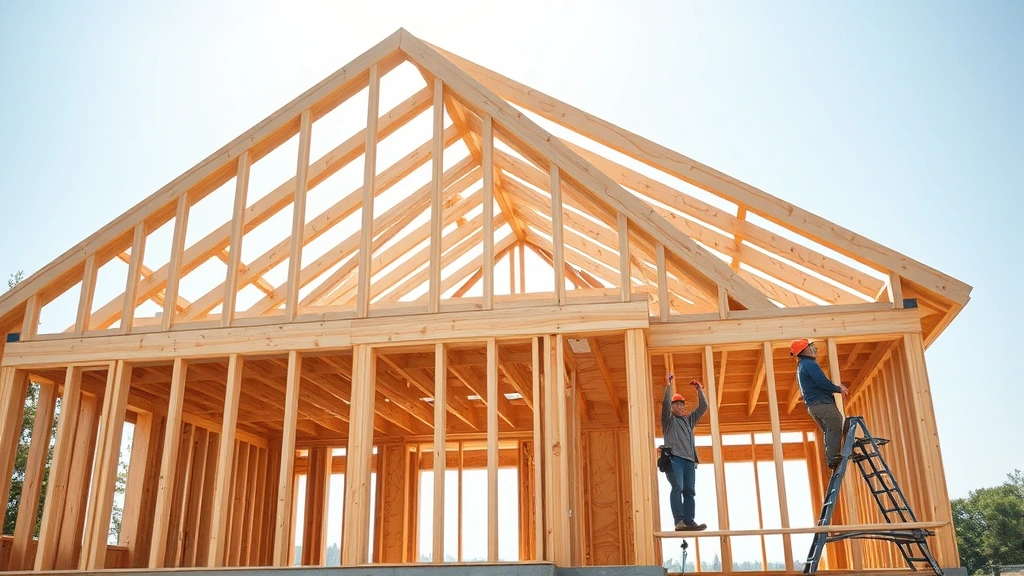
Framing is where your home really takes shape visually. This exciting phase typically spans 6 to 10 weeks for an average single-family home. You’ll see walls rise, rooflines emerge, and the structure become recognizable.
Framing begins with floor systems installed over the foundation. Then exterior walls are constructed using pre-fabricated panels or stick-built methods. The roof structure follows, with trusses or rafters installed and sheathed. Experienced framing crews can move remarkably quickly—a typical 2,000-square-foot home’s frame might rise in just 2 to 3 weeks.
Sheathing (the protective layer covering the structural frame) and weather-resistant barriers come next, protecting the structure from the elements while interior work proceeds. Windows and exterior doors are often installed during this phase or shortly after, weatherproofing the envelope.
Rough inspections occur at key framing milestones. Building inspectors verify that framing meets code requirements before the next phases proceed. These inspections ensure structural integrity and prevent costly corrections later.
Mechanical, Electrical, and Plumbing Systems
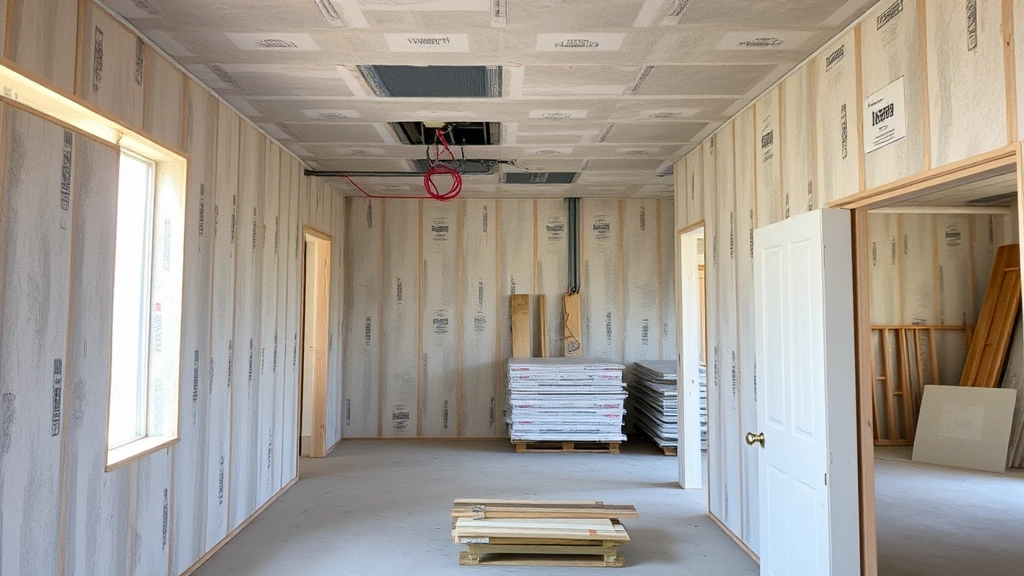
These critical systems are roughed in during the framing phase but require substantial time for completion. This phase typically takes 4 to 8 weeks and involves three separate trades working in coordinated sequence.
Electricians install wiring throughout the home, running it through walls and establishing electrical panels. If you’re interested in understanding electrical systems better, learning how to wire a 3-way switch provides insight into residential electrical basics, though professional electricians handle all work during construction.
Plumbers install water supply lines, drain pipes, and fixture rough-ins. They must coordinate with the framing crew to ensure pipes fit through wall cavities and don’t compromise structural integrity. Water pressure testing occurs after rough installation to verify no leaks exist.
HVAC contractors install ductwork, furnaces, air conditioning units, and associated controls. Proper HVAC installation is critical for comfort and energy efficiency throughout the home’s life.
After rough-in completion, drywall installation can proceed. Drywall crews hang thousands of sheets, which are then taped, mudded, and sanded smooth. This alone takes 3 to 4 weeks for a typical home, including multiple coats of joint compound and sanding between applications.
Interior Finishing and Details
Interior finishing is where your home transitions from construction site to livable space. This phase is extensive and typically consumes 8 to 12 weeks.
After drywall is complete and sanded, painters prime and paint all interior surfaces. Flooring installation follows—whether it’s hardwood, tile, laminate, or carpet. Each flooring type has different installation requirements; hardwood often takes longer than other options due to acclimation and finishing needs.
Cabinet installation comes next, followed by countertop fabrication and installation. Appliances are delivered and installed. Plumbers install fixtures like sinks, toilets, and showers. Electricians install outlets, switches, light fixtures, and connect appliances.
Trim work—baseboards, crown molding, door casings—adds the finishing touches that make a house feel complete. Interior doors are hung, and closet systems are installed. Stair railings and any built-in features are completed during this phase.
Final inspections occur throughout this phase. Inspectors verify that electrical, plumbing, and mechanical systems function properly and meet code. Final inspections typically occur in stages rather than all at once, allowing work to proceed efficiently.
Key Factors Affecting Construction Timeline
Weather Conditions: Severe weather can halt exterior work for weeks. Winter construction in northern climates is particularly challenging, as concrete curing slows and crews must take extra precautions. Rain can delay foundation work, framing, and roofing. Many builders schedule projects to avoid the worst weather seasons, though this isn’t always possible.
Supply Chain Disruptions: Material shortages can cause significant delays. Lumber, windows, doors, appliances, and fixtures sometimes have extended lead times. Experienced builders build buffer time into schedules for material deliveries, but unexpected shortages can still cause problems.
Labor Availability: Skilled trades are in high demand, and labor shortages can slow construction. Some phases can’t proceed without specific trades, creating bottlenecks. Regional economic conditions and competition for workers influence availability and pace.
Design Complexity: Custom homes with unique architectural features take longer than standard designs. Complex mechanical systems, high-end finishes, and intricate details all extend timelines. A straightforward ranch home might complete faster than a multi-story home with vaulted ceilings and custom millwork.
Site Conditions: Challenging terrain, poor soil, or environmental considerations can add weeks or months. Hillside sites require more extensive grading and foundation work. Environmentally sensitive sites might require specialized construction methods or extended permitting.
Change Orders: Modifications requested during construction are among the biggest timeline killers. Every change potentially disrupts the carefully orchestrated sequence of trades and deliveries. Minimizing changes during construction is crucial for staying on schedule.
Municipal Processes: Different jurisdictions have vastly different permitting timelines and inspection procedures. Some municipalities are known for efficient processes; others are notoriously slow. Building in an area with a reputation for delays means adding extra time to your expectations.
Contractor Experience: Seasoned builders with established trade networks and efficient processes complete homes faster than inexperienced contractors. A builder’s track record, reputation, and organizational systems significantly impact timeline adherence.
Understanding these factors helps explain why two seemingly identical homes might take different amounts of time to build. Just as how long it takes to become a doctor varies by specialty and individual circumstances, home construction timelines are highly individualized.
For additional insights into planning processes, you might find parallels in understanding how long it takes to become a lawyer, as both involve complex multi-stage processes with regulatory requirements. Similarly, major undertakings like how long it takes to climb Mount Everest remind us that ambitious projects require extensive planning and realistic timeline expectations.
For comprehensive guidance on construction timelines, consult resources like This Old House’s construction timeline guide, which provides detailed phase breakdowns. Family Handyman’s construction timeline resource offers practical insights from industry professionals. Home Depot also provides helpful construction phase breakdowns for homeowners planning new construction projects.
Real estate professionals and general contractors can also provide region-specific timeline estimates. When evaluating builder quotes, ask specifically about their typical timelines for similar projects. Request references and speak with homeowners who’ve recently completed construction to get realistic expectations.
Frequently Asked Questions
What’s the fastest a house can be built?
Under ideal conditions with experienced crews, perfect weather, and no complications, a basic 2,000-square-foot home might be completed in 5 to 6 months of active construction. However, pre-construction planning and permitting typically add 4 to 6 months minimum. Rush jobs sometimes happen but often sacrifice quality or cost significantly more due to expedited materials and labor premiums.
Can construction happen during winter?
Yes, but it’s slower and more expensive. Concrete curing slows in cold temperatures, and crews must take precautions to prevent freeze-thaw damage. Winter weather can halt work for days or weeks. Many contractors charge premium rates for winter construction, and timelines often extend 20 to 40 percent longer than summer builds.
How often do construction projects go over schedule?
Industry statistics suggest 70 to 80 percent of residential construction projects experience some schedule delays. Most overruns are relatively minor—a few weeks—but some projects extend several months beyond original estimates. Choosing experienced builders with strong track records significantly improves your odds of on-time completion.
What happens if I want to make changes during construction?
Changes during construction are expensive and time-consuming. Every modification must be reviewed for feasibility, structural implications, and code compliance. Materials might need to be ordered, potentially causing weeks of delay. It’s far better to finalize decisions during the planning phase than to make changes once construction is underway.
Do I need to live elsewhere during construction?
Yes, absolutely. Active construction sites are dangerous, dusty, and noisy. Crews typically work 7 to 10 hours daily, and the environment is unsuitable for living. Most homeowners arrange temporary housing for the duration of construction, typically 12 to 18 months.
How can I speed up the construction process?
Choose an experienced builder with a strong timeline track record. Finalize all decisions before construction begins to minimize change orders. Ensure permits are obtained efficiently by hiring a permit expediter if needed. Maintain good communication with your builder and address issues promptly. Accept that some delays are beyond anyone’s control and build realistic timeline expectations from the start.
What’s included in the construction timeline?
Active construction timelines typically include foundation through final inspections. They don’t usually include pre-construction planning, permit acquisition, or the final walk-through and closing process. When evaluating timelines, clarify exactly what each phase includes to avoid confusion.

Related Posts

How Long to Boil Lobster Tails: Cooking Guide

How Long to Fly from New York to London? Travel Times
