
How Long for Caffeine to Kick In? Expert Insights
How Long for Caffeine to Kick In? Expert Insights on Timing and Absorption
That first sip of coffee in the morning feels like a ritual, doesn’t it? But here’s the thing—your brain isn’t actually experiencing the caffeine boost the moment the liquid touches your lips. There’s a fascinating window of time between when you consume caffeine and when you genuinely start feeling more alert, focused, and energized. Understanding this timeline isn’t just trivia; it’s genuinely useful information that can help you time your coffee breaks strategically and manage your energy throughout the day.
Whether you’re a devoted espresso enthusiast, a tea devotee, or someone who occasionally reaches for an energy drink, the question of how long caffeine takes to work affects your daily routine more than you might realize. The answer, however, isn’t as straightforward as “15 minutes” or “30 minutes.” Multiple factors influence caffeine absorption, and knowing these variables can help you optimize your intake for maximum productivity.
The Basic Timeline: When Caffeine Actually Works
Let’s get straight to it: caffeine typically begins entering your bloodstream within 15 to 45 minutes after consumption, with most people experiencing noticeable effects between 20 and 30 minutes. This is when you’ll start feeling that familiar alertness kick in—sharper focus, reduced fatigue, and that mental clarity we all crave.
The peak caffeine concentration in your blood usually occurs around 30 to 60 minutes after ingestion. This is the sweet spot where you’re experiencing maximum alertness and cognitive enhancement. After reaching this peak, your body begins metabolizing the caffeine, and the effects gradually diminish over the next several hours.
Here’s what most people don’t realize: the duration of caffeine’s effects varies dramatically. While the half-life of caffeine (the time it takes for your body to eliminate half of it) is typically 5 to 6 hours for most adults, some people might still feel effects 8 to 10 hours later. This is why that 3 p.m. coffee can sometimes interfere with your sleep schedule.
Factors That Affect Caffeine Absorption Speed
Caffeine absorption isn’t one-size-fits-all, and several factors can dramatically speed up or slow down how quickly it enters your system.
Food Consumption is perhaps the most significant variable. Consuming caffeine on an empty stomach means faster absorption—you might feel effects in as little as 15 minutes. However, if you’ve eaten a substantial meal beforehand, especially one rich in fats and proteins, absorption can take 30 to 45 minutes or even longer. This is why that morning coffee hits differently than your afternoon brew after lunch.
Stomach Acid Levels play a crucial role in how quickly caffeine dissolves and enters your bloodstream. People with higher stomach acid tend to absorb caffeine more rapidly. Conversely, if you have acid reflux or take antacids regularly, your caffeine absorption might be slower.
Hydration Status affects everything in your body, including caffeine metabolism. When you’re well-hydrated, your digestive system works more efficiently, potentially speeding up absorption. Dehydration can slow the process down.
Metabolism Rate varies from person to person based on genetics, age, fitness level, and overall health. Some people are naturally fast metabolizers, while others process substances more slowly. This explains why your friend seems to get jittery after one cup while you barely notice two.
If you’re interested in how other substances work in your body, you might want to explore how long does Tylenol take to work to compare different absorption timelines.
How Different Caffeine Sources Compare
Not all caffeine is created equal, and the source matters more than you’d think.
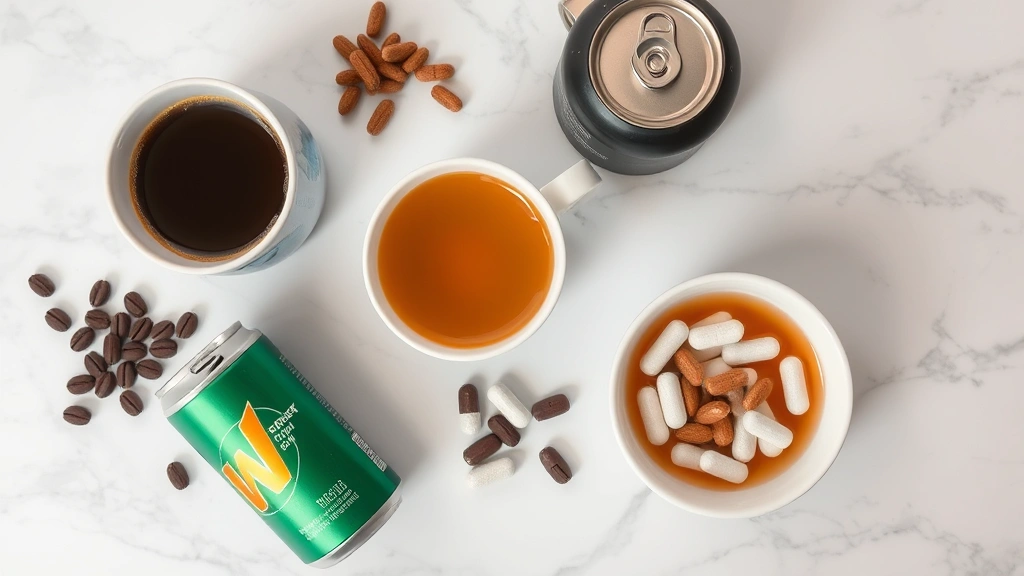
Espresso and Strong Coffee deliver caffeine rapidly because of their concentration and acidity. A shot of espresso (about 75mg of caffeine) can start working within 15 to 20 minutes due to its intensity and the small volume you consume.
Regular Brewed Coffee (around 95-200mg per cup depending on strength) typically kicks in within 20 to 30 minutes. The absorption is slightly slower than espresso because there’s more liquid volume to process, but you’re getting more total caffeine.
Tea contains less caffeine (25-50mg per cup) and often takes slightly longer to show effects—usually 25 to 35 minutes—because the caffeine concentration is lower. If you’re curious about the best brewing methods, how to make tea properly can actually impact caffeine extraction.
Energy Drinks are formulated for rapid absorption, often containing 80-300mg of caffeine along with other stimulating compounds. Many people report feeling effects within 10 to 15 minutes, though this can vary based on the specific formulation.
Caffeine Pills are absorbed quickly since they bypass some digestive processes. Most people experience effects within 15 to 20 minutes.
For those who enjoy crafting their coffee at home, understanding brewing methods is essential. Learning how to make French press coffee can help you control caffeine extraction and customize your intake.

Optimization Strategies for Maximum Impact
Now that you understand the timeline, let’s talk about strategy. If you want caffeine to work optimally for you, timing and method matter.
Strategic Morning Timing: Your body naturally produces cortisol (a hormone that promotes alertness) in waves throughout the day. The peak cortisol window is typically 8 to 9 a.m. Consuming caffeine during this natural peak might feel less impactful because your body is already alert. Many experts recommend waiting until 9:30 or 10 a.m. for your first coffee to avoid building tolerance and to maximize the perceived boost.
The 90-Minute Rule: If you have an important meeting or task requiring peak mental performance, consume caffeine about 90 minutes beforehand. This gives your body time to absorb the caffeine fully while ensuring you hit peak concentration levels right when you need them.
Spacing Your Intake: Rather than consuming all your daily caffeine in one or two massive doses, spacing it out throughout the day can provide more consistent energy. A small cup mid-morning, another in early afternoon, and nothing after 2 p.m. creates a smoother energy curve.
Pairing with Food: If you want faster absorption, consume caffeine on an empty stomach or with minimal food. If you want slower, more sustained release, pair your coffee with a meal containing healthy fats and proteins. This prevents the jittery spike and creates a gentler energy boost.
Hydration Matters: Drink water alongside your caffeine. This aids absorption, prevents the dehydration that caffeine can cause, and actually enhances the overall effect. It’s a simple hack that many people overlook.
For those who prepare hot beverages at home, proper equipment maintenance ensures optimal caffeine extraction. How to descale Keurig with vinegar helps maintain your machine’s efficiency, ensuring consistent caffeine delivery every time.
Individual Variables That Matter
Age affects caffeine sensitivity. Younger people typically metabolize caffeine faster, while older adults might experience effects for longer periods. If you’re over 55, caffeine’s half-life can increase significantly.
Pregnancy and Hormonal Changes dramatically alter caffeine metabolism. Pregnant individuals metabolize caffeine much more slowly—the half-life can extend from 5 hours to 15-20 hours. Hormonal fluctuations throughout the menstrual cycle can also affect sensitivity.
Medications and Supplements interact with caffeine absorption. Certain antibiotics, antifungals, and other medications can slow caffeine metabolism, while some supplements might speed it up. Always check with your healthcare provider about potential interactions.
Liver Function is critical since your liver metabolizes caffeine. People with liver conditions might experience prolonged caffeine effects.
Genetics play a massive role. Some people inherit genes that make them “fast metabolizers” while others are “slow metabolizers.” This genetic factor can influence whether caffeine works in 15 minutes or 45 minutes for you personally.
Tolerance Development is real. Regular caffeine users develop tolerance over time, meaning they might need to wait longer or consume more to feel the same effects. Taking occasional breaks (even just a few days) can help reset your sensitivity.
Achieving Peak Performance Timing
Understanding when caffeine kicks in is useful, but strategic timing is where the real optimization happens.
If you’re tackling your most demanding work first thing, consume caffeine before you start, accounting for that 20 to 30-minute absorption window. Start sipping about 30 minutes before you need to be at peak performance. This means if you want to be sharp at 9 a.m., your coffee should be consumed by 8:30 a.m.
For afternoon energy dips (that 2 to 4 p.m. slump that affects most people), timing caffeine for 1:30 to 2 p.m. can counteract the natural energy decline. Just ensure it’s early enough that it won’t interfere with your sleep—generally, no caffeine after 2 or 3 p.m. if you sleep at 10 or 11 p.m.
Athletes and fitness enthusiasts should consume caffeine 30 to 60 minutes before workouts for optimal performance enhancement. Research shows this timing provides maximum endurance and strength benefits.
For studying or learning new material, consume caffeine 20 to 30 minutes before your study session begins. This ensures peak alertness and focus when you’re absorbing new information.
Understanding absorption timelines applies to other contexts too. Just like knowing how long does it take for water to boil helps you plan meal preparation, knowing caffeine timing helps you plan your day.
Frequently Asked Questions
Does caffeine work faster if you’re tired?
Not really. While it might feel like caffeine works faster when you’re exhausted (because the contrast is so noticeable), the actual absorption timeline remains the same. Severe fatigue can actually make you more sensitive to caffeine’s effects, so it feels more dramatic, but the physiological process hasn’t changed.
Why does caffeine sometimes seem to not work at all?
Several reasons could explain this. You might have developed tolerance from regular consumption. You could be a slow metabolizer genetically. Certain medications might be interfering with absorption. Or you might be consuming it with a large meal that significantly delays absorption. If caffeine genuinely isn’t working, it’s worth discussing with your doctor.
Can you speed up caffeine absorption?
To some extent, yes. Consuming it on an empty stomach, staying well-hydrated, and choosing concentrated sources like espresso or energy drinks can all speed absorption. However, you’re ultimately limited by your individual physiology.
Is there a maximum amount of caffeine you should consume daily?
The FDA recommends that healthy adults limit caffeine to 400mg per day (roughly 4 cups of coffee). Individual tolerance varies, but exceeding this amount regularly can lead to dependency, sleep disruption, and anxiety. Pregnant individuals should consume no more than 200mg daily.
Does caffeine affect everyone the same way?
Absolutely not. Genetics, age, medications, food intake, and individual metabolism create dramatic variations in how caffeine affects different people. Someone’s “sweet spot” might be completely different from yours.
What’s the best time of day to drink caffeine?
For most people, mid-morning (9:30-10:30 a.m.) or early afternoon (1:30-2:30 p.m.) works best. Avoid caffeine after 2 to 3 p.m. if you want uninterrupted sleep. Also consider your natural cortisol peaks and your personal schedule demands.
Can you build up a tolerance to caffeine?
Yes, regular consumption leads to tolerance development. Your body adapts, and you might need more caffeine to achieve the same effects. Taking periodic breaks (even just weekends or occasional days off) can help maintain sensitivity.
Does the type of caffeine source matter for absorption speed?
Yes, it does. Espresso and energy drinks tend to work fastest (15-20 minutes), regular coffee in the middle (20-30 minutes), and tea more slowly (25-35 minutes). The concentration and formulation of each source affects absorption rate.

Related Posts

How Long to Boil Lobster Tails: Cooking Guide

How Long to Fly from New York to London? Travel Times
