

How to Store Ginger: Expert Tips for Freshness
How to Store Ginger: Expert Tips for Freshness
There’s nothing quite like the sharp, warming bite of fresh ginger in your kitchen. Whether you’re whipping up a stir-fry, brewing a soothing tea, or adding depth to your favorite curry, ginger is one of those versatile ingredients that transforms a dish from ordinary to extraordinary. But here’s the thing—ginger’s got a reputation for going soft, sprouting, or drying out faster than you’d like, especially if you’re not storing it properly.
The good news? Keeping ginger fresh and usable for weeks (or even months) isn’t rocket science. It just requires understanding a few key principles about how this rhizome behaves and what conditions help it thrive in your kitchen. With the right storage methods, you’ll never again find yourself with a sad, shriveled piece of ginger at the back of your fridge.
Let’s dive into the practical strategies that will keep your ginger in peak condition, ready to elevate your cooking whenever inspiration strikes.
Understanding Ginger Storage Basics
Before we jump into specific storage methods, it’s worth understanding what ginger actually needs to stay fresh. Ginger is a rhizome—an underground stem that stores nutrients and water. This means it’s naturally designed to survive dormancy, but it’s also prone to moisture loss and sprouting when conditions are right.
The enemy of stored ginger is moisture combined with warmth. When ginger sits in a warm, humid environment, it wakes up and starts sprouting. Conversely, if it gets too dry or too cold, it shrivels or becomes woody. The sweet spot is cool, dry, and dark—basically the opposite of a sunny kitchen counter.
The shelf life of ginger varies depending on how you store it. Unpeeled, whole ginger root lasts about three weeks at room temperature, three to four weeks in the refrigerator, and several months in the freezer. If you’ve already peeled or sliced it, those timelines shrink considerably, which is why whole pieces are your best bet for long-term storage.
One thing worth noting: quality matters from the start. Choose firm, unblemished ginger with taut skin. Avoid pieces that feel soft, wrinkled, or have visible mold. Starting with the best ginger you can find sets you up for success before storage even begins.
The Refrigerator Method: Your Best Friend
For most home cooks, the refrigerator is the MVP of ginger storage. It’s convenient, accessible, and keeps your ginger in a usable state for several weeks. The key is using the right technique.
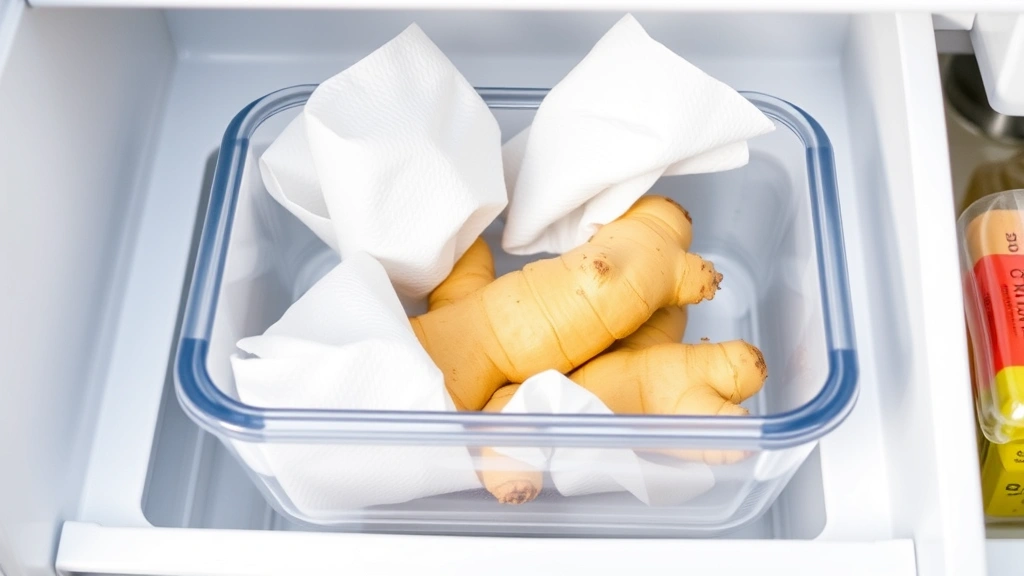
Basic Refrigerator Storage: Keep unpeeled ginger in a paper towel or newspaper, then place it in a resealable plastic bag or container in your crisper drawer. The paper towel absorbs excess moisture, which prevents rot and mold. Don’t seal the bag too tightly—ginger needs a tiny bit of air circulation. If you notice the paper towel getting damp, replace it with a fresh one.
This method works beautifully because the crisper drawer maintains consistent humidity and temperature. Your ginger will stay firm and fresh for three to four weeks, sometimes longer if the conditions are ideal.
The Breathable Container Approach: Some people swear by storing ginger in a small perforated container or a paper bag inside the fridge. The idea is similar—you want some air movement without exposure to the fridge’s dry air. A terracotta ginger keeper is a lovely option if you’re willing to invest a few dollars. These porous containers naturally regulate moisture and have been used for centuries in Asian kitchens.
If you’ve already cut into your ginger, wrap the exposed end tightly in plastic wrap or aluminum foil. This slows down the oxidation process and keeps the cut surface from drying out. Store it in the same paper towel setup as whole pieces, and use it within a week or two for best results.
Freezing Ginger for Long-Term Storage
If you’re a ginger enthusiast who likes to buy in bulk or you’re planning ahead for winter cooking, freezing is your answer. Frozen ginger keeps for four to six months, sometimes even longer if your freezer maintains a consistent temperature.
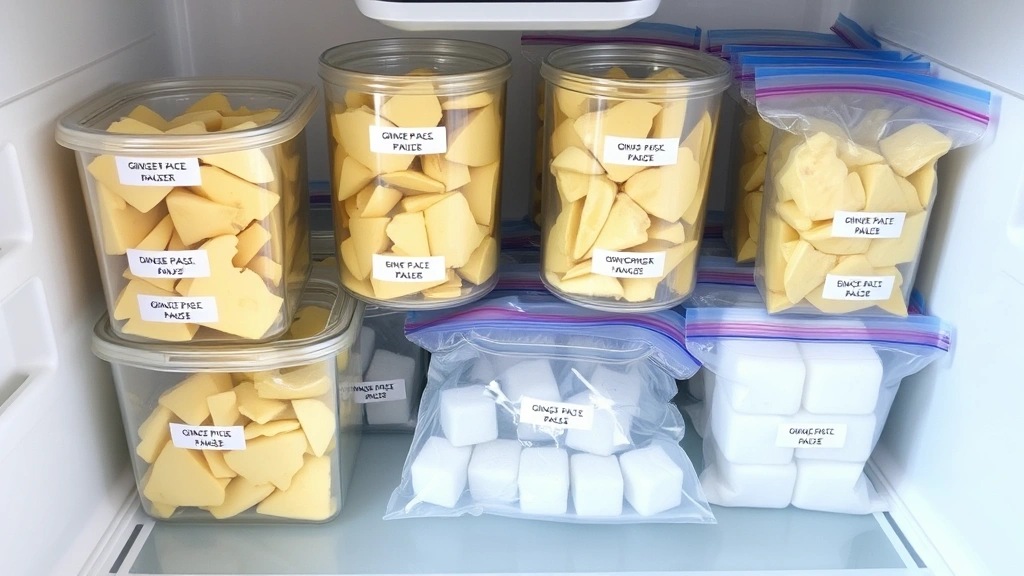
Whole Ginger Freezing: Wash and dry your ginger completely. You can freeze it whole without peeling. Just pop the whole pieces into a freezer bag, remove as much air as possible, label it with the date, and toss it in the freezer. When you need ginger, take out what you need, let it thaw slightly, and peel or grate it. Alternatively, you can grate frozen ginger directly without thawing—it actually works beautifully and the texture is perfect for most applications.
Sliced or Minced Freezing: Peel and slice or mince your ginger, then spread it on a baking sheet in a single layer. Freeze for two to three hours until solid, then transfer to a freezer bag. This method gives you pre-portioned ginger that you can grab by the spoonful without thawing the entire batch. It’s especially convenient for tea or cooking.
Ginger Paste Freezing: Blend peeled ginger with a tiny bit of water to make a smooth paste, then freeze it in ice cube trays. Once frozen, pop the cubes into a freezer bag. This is perfect for recipes that call for ginger paste, and you’ve got pre-measured portions ready to go. Similar to how you might preserve other produce, this method maximizes convenience without sacrificing quality.
One thing to note: frozen ginger loses some of its bite and becomes softer when thawed, so it’s best used in cooked dishes rather than fresh applications like ginger tea where you want that crisp texture. However, for stir-fries, curries, baked goods, and smoothies, frozen ginger is absolutely stellar.
The Pantry Approach: Room Temperature Storage
Not everyone has freezer space or wants to commit ginger to the cold storage zone. Room temperature storage is viable, though it requires more attention than refrigeration.
The Paper Bag Method: Place whole, unpeeled ginger in a brown paper bag and store it in a cool, dark corner of your pantry or cupboard. Keep it away from direct sunlight, heat sources, and high-humidity areas like above the stove. In ideal conditions—around 50-70°F with moderate humidity—ginger can last two to three weeks this way.
The Container with Perlite: For the truly dedicated, you can create a storage environment using a container with food-grade perlite or sand. Layer perlite at the bottom, add your ginger pieces so they’re not touching, and cover with more perlite. This keeps ginger in a dormant state and can extend shelf life to several weeks. It’s a bit theatrical, but it works if you’re storing large quantities.
The pantry method works best if your kitchen stays relatively cool and you check on your ginger every few days. Once you see sprouting starting or notice any soft spots, move it to the fridge immediately to slow the process.
Preserving Ginger in Oil and Other Creative Methods
Beyond basic storage, there are several creative preservation techniques that transform ginger into shelf-stable ingredients you’ll actually use.
Ginger in Oil: Peel and slice ginger thinly, then pack it into a clean glass jar and cover completely with neutral oil (vegetable, grapeseed, or light olive oil). Seal and refrigerate. This keeps for months and gives you infused oil perfect for cooking. The ginger softens but remains flavorful, and the oil takes on that warm ginger essence. Use it for sautéing vegetables, drizzling over soups, or finishing dishes.
Pickled Ginger: This is the route if you want something with serious longevity. Slice peeled ginger thinly and pack it into a jar with equal parts rice vinegar and sugar, plus a pinch of salt. Heat the mixture until the sugar dissolves, pour it over the ginger, cool completely, then seal and refrigerate. Pickled ginger lasts for months and adds a tangy punch to Asian dishes, grain bowls, and even cocktails.
If you’re interested in preserving other pantry staples with similar longevity, check out how to make distilled water for use in preservation projects, or explore techniques like keeping apples from turning brown, which uses similar oxidation-prevention principles.
Candied Ginger: Slice peeled ginger into thin pieces, simmer in a simple syrup (equal parts sugar and water), and cook until the ginger becomes translucent, about 45 minutes. Remove the pieces, let them cool on parchment paper, then roll in granulated sugar. Store in an airtight container. This gives you a spicy-sweet treat that lasts weeks and doubles as a digestive aid.
Ginger Powder: Dry peeled ginger slices in a low oven (200°F) for several hours until completely brittle, then grind in a spice grinder or food processor. Store in an airtight container away from light and heat. Homemade ginger powder is more potent than store-bought and lasts for months.
Signs Your Ginger Has Gone Bad
Even with the best storage practices, ginger doesn’t last forever. Here’s how to tell when it’s time to toss it.
Visual Signs: Mold is the most obvious indicator—any fuzzy growth, whether white, green, or black, means your ginger needs to go. Soft spots or shriveled skin also signal decline. If the ginger looks wrinkled like a raisin, it’s lost too much moisture and won’t add much flavor to your dishes.
Smell Test: Fresh ginger has a sharp, peppery aroma. If it smells sour, fermented, or off in any way, trust your nose. Bad ginger will make itself known.
Texture Check: Fresh ginger is firm and snaps when you cut into it. If it’s mushy, spongy, or has a hollow center, it’s past its prime. Sometimes the outside looks fine but the inside is compromised—this happens when ginger has been stored improperly for too long.
For context on recognizing quality in other produce, similar principles apply to knowing how to ripen bananas and understanding when they’re at their peak versus overripe.
Pro Tips for Maximum Shelf Life
Buy Strategically: Purchase only what you’ll use within your chosen storage timeframe. A massive piece of ginger might seem economical, but if it goes bad before you use it, you’ve wasted money. Start with smaller amounts and scale up as you figure out your consumption rate.
Store Unpeeled: The skin acts as a natural barrier that slows moisture loss and prevents mold. Peel ginger only when you’re ready to use it. If you’ve accidentally peeled too much, wrap the extras tightly and use them first.
Keep It Separate: Store ginger away from ethylene-producing fruits like apples and bananas. These release gases that accelerate ripening and spoilage in other produce. If you want to learn more about managing ethylene-sensitive produce, explore tips on how to defrost chicken fast, which involves understanding temperature control principles similar to ginger storage.
Rotate Your Stock: If you’re storing multiple pieces, keep track of what you bought first. Use older ginger before newer ginger to prevent waste.
Invest in Quality Storage: A small terracotta ginger keeper, quality freezer bags, or a dedicated container in your crisper drawer is worth the minimal investment. These tools make storage easier and more effective.
Document Your Methods: Keep a note of which storage method worked best for your situation. Everyone’s kitchen is different—humidity levels, fridge temperature, and usage patterns vary. What works perfectly for one person might not be ideal for another. Pay attention to what gives you the longest, freshest results.
For additional food storage wisdom, consider exploring how to grow garlic, which teaches you about storing and preserving another essential kitchen staple with similar principles to ginger preservation.
Frequently Asked Questions
How long does ginger last in the refrigerator?
Unpeeled, whole ginger lasts three to four weeks in the refrigerator when stored properly in a paper towel inside a plastic bag in the crisper drawer. Peeled or sliced ginger has a shorter lifespan of one to two weeks. The key is keeping it dry and allowing minimal air circulation.
Can you freeze ginger without thawing it later?
Absolutely. Frozen ginger can be grated, sliced, or minced directly from the freezer without thawing. This works particularly well for ginger that will be cooked. If you need ginger for fresh applications like tea, it’s better to thaw it first to preserve some texture and bite.
Is it okay to store ginger with the skin on?
Yes, in fact it’s preferable. The skin protects the flesh underneath and slows moisture loss. Only peel ginger when you’re ready to use it. If you’ve already peeled some, wrap the cut end tightly and use it within a week or two.
What’s the best way to prevent ginger from sprouting?
Keep it cool and relatively dry. Sprouting happens when ginger is warm and humid—conditions that trigger growth. The refrigerator or freezer are your best bets. If you’re storing at room temperature, keep it in a cool, dark place away from heat sources and humidity.
Can you revive dried-out ginger?
Somewhat. If ginger is just slightly dried out, you can soak it in water for 30 minutes to rehydrate the exterior. However, if it’s severely shriveled or the interior is woody, it’s better to compost it. Prevention is much easier than revival.
How do you know if ginger is fresh when buying it?
Look for firm, unblemished pieces with taut, thin skin. Avoid anything that feels soft, has wrinkles, or shows any signs of mold. Fresh ginger should have a pleasant, sharp aroma. The skin should break easily when you scratch it with your fingernail.
Is homemade ginger paste better than store-bought?
Homemade ginger paste is fresher and more potent, with no additives or preservatives. Store-bought versions are convenient and shelf-stable, but they often contain added ingredients. If you make your own and freeze it in ice cube trays, you get the best of both worlds—convenience and quality.

Related Posts

How Long to Boil Lobster Tails: Cooking Guide

How Long to Fly from New York to London? Travel Times
