
How to Unclog Shower Drain: Expert Guide
How to Unclog Shower Drain: Expert Guide
There’s nothing quite like the frustration of watching water pool around your feet mid-shower. A clogged shower drain doesn’t just ruin your morning routine—it’s a sign that hair, soap scum, and debris have formed a stubborn blockage that demands attention. The good news? You don’t need to call a plumber for every drain emergency. With the right knowledge and tools, most shower drain clogs are entirely manageable from home.
Whether you’re dealing with a slow drain that’s gradually getting worse or water backing up completely, this comprehensive guide walks you through proven methods to restore proper drainage. We’ll explore everything from simple preventative measures to advanced techniques that tackle even the most stubborn blockages. By the end, you’ll understand exactly how to unclog shower drain issues and prevent them from happening again.
The key to success lies in understanding what causes the clog in the first place and choosing the right removal method for your specific situation. Some clogs dissolve with hot water and vinegar, while others require a plumbing snake or more targeted intervention. Let’s dive into the solutions.
What Causes Shower Drain Clogs
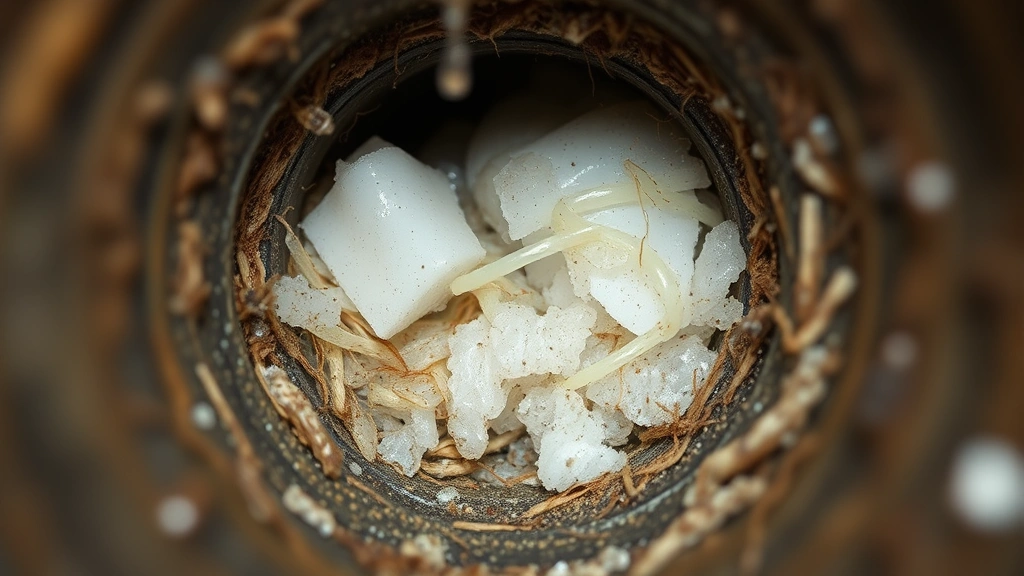
Understanding the enemy is half the battle. Shower drains accumulate a surprisingly diverse collection of debris that builds up over time. Hair is the primary culprit—a single person sheds between 50 to 100 hairs daily, and most of them seem to find their way down the drain. Combined with soap residue, dead skin cells, and mineral deposits from hard water, you’ve got the perfect recipe for a blockage.
The architecture of your drain system matters too. Most shower drains have a P-trap (that curved section of pipe under the drain) designed to hold water and prevent sewer gases from entering your bathroom. Unfortunately, this same trap is a perfect collection point for debris. Hair wraps around soap scum and mineral buildup, creating increasingly dense clogs that restrict water flow.
Different materials in your plumbing can affect how quickly clogs form. Older homes with galvanized steel pipes are more prone to corrosion, which creates rough interior surfaces where debris clings. Modern PVC pipes are smoother, but they’re not immune to clogs—they just happen slightly less frequently.

Signs Your Drain Needs Attention
Catching a drain problem early makes it exponentially easier to fix. The first warning sign is usually a slight slowdown in drainage. Water takes a beat longer to disappear, but it still eventually drains completely. This is your window to act before things get worse.
As the clog progresses, you might notice standing water pooling around your feet during showers, or water backing up into the tub. Strange gurgling sounds coming from the drain are another red flag—this indicates air trying to escape past the blockage. Some people also notice unpleasant odors emanating from the drain, which often signals decomposing hair and organic matter trapped in the pipes.
If you’re experiencing any of these issues, it’s worth checking whether similar problems affect other drains in your home. If your sink, toilet, and shower are all draining slowly, you might have a main line issue rather than a localized clog. That’s when professional help becomes necessary. However, if it’s just your shower, you’re in the right place to solve it yourself.
The Boiling Water Method
Sometimes the simplest solution is the most effective. Before you reach for specialized tools or chemicals, try the boiling water method. This works best for clogs caused primarily by soap buildup and grease rather than dense hair blockages.
Here’s what you’ll do: Boil a kettle of water—aim for at least a gallon if your drain is severely clogged. Carefully pour the boiling water directly down the drain in a steady stream. The heat helps dissolve soap scum and softens accumulated debris, allowing it to move through the pipes more easily. Wait a few minutes, then test the drain with hot tap water to see if it’s flowing normally.
This method is completely safe for all pipe materials, costs virtually nothing, and takes just a few minutes. The only limitation is that it won’t help with hair-based clogs, which require a different approach. If your first attempt doesn’t work, move on to the next method rather than repeatedly pouring boiling water—you’ll just waste time and energy.
Baking Soda and Vinegar Solution
The classic combination of baking soda and vinegar creates a chemical reaction that’s surprisingly effective at breaking down clogs. This method is safe, environmentally friendly, and uses ingredients you probably already have at home.
Start by removing any standing water from your shower using a cup or small bucket. Pour about half a cup of baking soda directly into the drain. You’ll want to work as close to the drain opening as possible. Next, heat a cup of white vinegar in the microwave until it’s hot (not boiling), then pour it down the drain immediately after the baking soda.
The mixture will fizz and bubble—that’s exactly what you want. This chemical reaction helps dislodge debris and break apart the clog. Cover the drain opening with a plug or wet cloth to keep the reaction contained within the pipe, which increases its effectiveness. Let it sit for 30 minutes to an hour, then flush the drain with hot water.
For stubborn clogs, repeat this process. You can also let the baking soda sit overnight before adding the vinegar for enhanced results. This method works particularly well on clogs that combine hair, soap, and mineral deposits. It’s gentle enough that you can use it weekly as a preventative maintenance routine without damaging your pipes.

Using a Plumbing Snake
When natural methods don’t cut it, a plumbing snake becomes your best friend. Also called a drain auger, this flexible tool physically breaks apart clogs and pulls debris out of the pipe. You can purchase a basic hand-crank snake for under $20, making it one of the most affordable professional-grade tools available.
To use a plumbing snake, first remove the drain cover or strainer. Insert the snake head into the drain opening and begin feeding it down slowly. You’ll feel resistance as it moves through the pipes—this is normal. Once you feel it hit the clog, stop feeding and start rotating the handle. The auger’s spiral design will either break apart the blockage or wrap around hair and debris so you can pull it back up.
Work methodically—don’t force the snake aggressively, as you could damage your pipes. If you hit resistance, try rotating the handle in the opposite direction or gently pulling back slightly before pushing forward again. After you’ve worked through the clog for a minute or two, pull the snake out slowly. You’ll likely see hair and debris wrapped around the spiral.
Repeat this process if necessary, then flush the drain with hot water to clear any remaining particles. Hand-crank snakes work best for clogs within 3-5 feet of the drain opening. For deeper blockages, you might need to rent a motorized snake from a hardware store, though these are typically overkill for residential shower drains.
The Plunger Approach
Your bathroom plunger isn’t just for toilets. A proper plunging technique can dislodge shower drain clogs by creating pressure changes that break apart blockages. This method works best when combined with standing water in your tub or shower.
Fill your tub with a few inches of water to create a seal around the plunger cup. Position the plunger directly over the drain, ensuring the cup completely covers the opening. Push down and pull up vigorously in rapid succession, maintaining the seal. You’re essentially creating a pumping action that forces water and pressure through the clog.
Perform 15-20 rapid plunges, then lift the plunger to see if water drains. Repeat the process if necessary. This method is particularly effective for clogs caused by hair buildup near the drain opening. It requires no special tools beyond what you likely already own, and it poses no risk to your pipes.
One pro tip: if your plunger isn’t creating a proper seal, apply a thin layer of petroleum jelly around the plunger cup rim. This helps create an airtight seal that makes the plunging action more effective.
Chemical Drain Cleaners
Chemical drain cleaners are powerful but should be used as a last resort before calling a plumber. These products contain caustic or acidic compounds that dissolve organic matter, but they come with significant drawbacks worth considering.
The primary concern is safety. Chemical drain cleaners can cause severe burns if they contact your skin or eyes. They produce toxic fumes that shouldn’t be inhaled, and they can damage older pipes, especially if your home has galvanized steel plumbing. If you decide to use a chemical cleaner, follow the manufacturer’s instructions precisely and ensure excellent ventilation throughout your bathroom.
Never mix different drain cleaning products—this can create dangerous chemical reactions. If you’ve already tried other methods, wait at least several hours before using chemicals to ensure no standing water remains. When you do use a chemical cleaner, wear gloves and eye protection, and keep children and pets away from the bathroom during and immediately after application.
For environmental and safety reasons, we recommend exhausting mechanical and natural methods first. However, if you have a particularly stubborn clog and other methods have failed, a quality chemical drain cleaner can be effective. Just remember that it’s a nuclear option, not your first choice.
Prevention Tips
The best approach to drain problems is preventing them from happening in the first place. Implementing simple preventative measures can save you hours of frustration and keep your drains flowing smoothly for years.
Install a drain screen or hair trap in your shower. These inexpensive devices catch hair before it enters the drain system, and they’re remarkably effective. Empty the trap after each shower or every few days, depending on how much hair you shed. This single step prevents approximately 90% of shower drain clogs.
Establish a monthly maintenance routine using the baking soda and vinegar method described earlier. This keeps minor buildup from accumulating into major blockages. It’s a five-minute task that pays enormous dividends in terms of drain health.
Be mindful of what goes down your drain. Avoid washing excessive amounts of hair down at once, and never flush solid objects like dental floss, cotton swabs, or plastic materials. Rinse away excess soap before shampooing to reduce soap scum accumulation. If you have hard water, consider installing a water softener or using chelating shampoos that work better in hard water environments.
Run hot water through your drain for 30 seconds after each shower. This helps flush away loosened debris and prevents buildup from solidifying. During winter months, ensure you’re using warm water rather than cold, as cold water causes grease and soap to harden more quickly.
When to Call a Professional
Sometimes a clog is beyond DIY capability, and knowing when to call a professional plumber saves time and prevents potential damage. If you’ve tried multiple methods over several days without success, it’s time to bring in an expert.
Similarly, if your clog involves multiple drains throughout your home, you likely have a main line issue that requires professional equipment and expertise. Plumbers have access to motorized snakes, video inspection cameras, and hydro-jetting equipment that can diagnose and solve problems that home tools cannot.
If you suspect damage to your pipes—perhaps from aggressive snake use or if your home is very old—professional evaluation is wise. Some plumbers offer free inspections and can identify whether your clog is symptomatic of a larger plumbing problem. Water damage or sewage backup also warrant immediate professional attention for health and safety reasons.
The cost of a professional drain cleaning typically ranges from $150 to $300, depending on your location and the severity of the clog. While this seems expensive compared to DIY methods, it’s often worth the investment when compared to potential damage from improper repair attempts. Many plumbers also offer maintenance plans that include regular drain cleaning, which can prevent emergency situations altogether.
Frequently Asked Questions
Can I use a plunger on a shower drain?
Yes, absolutely. A proper plunging technique can dislodge clogs by creating pressure changes in the pipe. Fill your tub with water to create a seal, position the plunger over the drain, and perform rapid up-and-down motions. This method works best for clogs near the drain opening caused by hair buildup.
Is it safe to mix baking soda and vinegar?
Yes, this combination is completely safe. The chemical reaction between baking soda (alkaline) and vinegar (acidic) creates carbon dioxide gas and water, which helps break apart clogs. This method is non-toxic and environmentally friendly, making it ideal for households with children or pets.
How often should I clean my shower drain?
Monthly maintenance using the baking soda and vinegar method is ideal for preventing clogs. If you have longer hair or shed more than average, you might want to perform this maintenance every two weeks. Installing a drain screen and emptying it regularly is the most effective prevention strategy.
What’s the difference between a drain snake and a plumbing auger?
These terms are often used interchangeably. A plumbing snake or auger is a flexible, spiral-tipped tool that breaks apart clogs and retrieves debris. Hand-crank versions are affordable and suitable for residential use, while motorized versions are more powerful but typically unnecessary for shower drains.
Can chemical drain cleaners damage my pipes?
Chemical cleaners can damage older pipes, especially galvanized steel plumbing. They’re also caustic and pose safety risks. For these reasons, they should be a last resort after trying mechanical and natural methods. Always follow manufacturer instructions carefully if you decide to use them.
Why does my shower drain smell bad?
Unpleasant odors typically indicate decomposing hair and organic matter trapped in your pipes. This can lead to drain flies if left untreated. Regular maintenance and proper drainage prevent this issue. If you’re already experiencing drain fly problems, our guide on how to get rid of drain flies provides comprehensive solutions.
Is it better to prevent clogs or treat them after they happen?
Prevention is always superior. A few minutes of preventative maintenance monthly saves hours of frustration when dealing with clogs. Installing a drain screen, running hot water after showers, and performing monthly baking soda and vinegar treatments keep your drains flowing freely and prevent emergency situations.
How does a shower drain clog differ from other drain clogs?
Shower drains are unique because they accumulate primarily hair and soap scum, whereas kitchen sinks often have grease-based clogs. This means shower clogs respond particularly well to mechanical removal methods and baking soda treatments. The techniques described here are specifically optimized for shower drain problems. If you’re dealing with toilet clogs, different methods may be more effective.
Can I use a plumbing snake if I’ve already used a chemical drain cleaner?
Wait at least several hours after using chemical cleaners before inserting a snake. Residual chemicals can be hazardous, and you want to ensure any standing water has drained completely. When you do use the snake, wear gloves for protection and ensure good ventilation.
What should I do if the clog returns frequently?
Frequent clogs suggest either inadequate prevention measures or a deeper issue with your plumbing. Start by installing a drain screen if you haven’t already, and establish a monthly maintenance routine. If clogs persist despite these measures, you may have a problem with your pipe configuration or material that warrants professional inspection.

Related Posts

How Long to Boil Lobster Tails: Cooking Guide

How Long to Fly from New York to London? Travel Times
