
How to Style Short Hair: Expert Tips
How to Style Short Hair: Expert Tips for Effortless Elegance
Short hair isn’t just a cut—it’s a statement. Whether you’ve recently gone for the chop or you’re considering taking the plunge, styling short hair opens up a world of creative possibilities that many people overlook. The beauty of shorter lengths lies in their versatility and the freedom they offer. You can rock a polished, professional look one day and switch to something tousled and carefree the next, all without spending hours in front of the mirror.
The misconception that short hair requires less effort couldn’t be further from the truth. In fact, short styles demand intentionality and the right techniques to truly shine. But here’s the good news: once you master a few fundamental styling methods, you’ll find that short hair can be easier to maintain than longer lengths while still delivering maximum impact. This guide walks you through everything you need to know to transform your short hair from flat and lifeless to textured, dynamic, and absolutely stunning.
From understanding your hair type to mastering blow-dry techniques and product application, we’ll cover the insider secrets that hairstylists use to create those enviable short hair looks you see on social media and magazine covers. Let’s get started.
Understanding Your Hair Type and Texture
Before you can effectively style short hair, you need to understand what you’re working with. Hair comes in various textures—straight, wavy, curly, and coily—and each type responds differently to styling techniques and products. Knowing your hair’s natural tendencies is the foundation for creating styles that actually work with your hair rather than against it.
If you have straight hair, you’ll find that your short style holds its shape well but may lack dimension without intentional styling. Wavy hair has natural texture that can be amplified with the right techniques, while curly and coily hair types offer inherent volume and movement that simply needs to be defined and controlled. The porosity of your hair—how well it absorbs and retains moisture—also matters tremendously. High-porosity hair drinks up products quickly, while low-porosity hair requires lighter formulations to avoid buildup.
Take time to observe how your hair behaves when it’s freshly washed, how it dries naturally, and how it responds to different products. This observation period is invaluable. Some people benefit from a learning how to curl hair with styling tools, while others find their natural texture is their best asset.
Essential Products for Short Hair Styling
Having the right products in your arsenal makes all the difference between a mediocre style and a salon-quality result. For short hair, less is often more, but what you choose should be strategic and effective.
Texturizing sprays and dry shampoos are absolute game-changers for short hair. These products add grip and separation to your strands, creating definition and preventing that flat, plasticky look that happens when you use too much traditional styling product. Apply these before blow-drying for maximum effect.
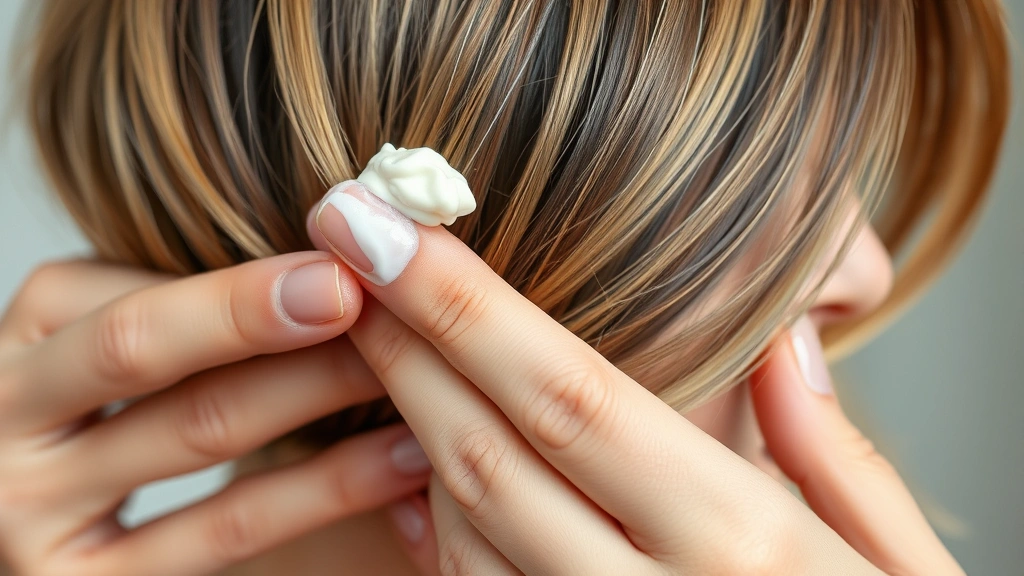
Lightweight styling creams and pastes work better than heavy pomades for most short hair types. Look for formulations specifically designed for texture rather than shine. These products provide control without weighing your hair down or making it look greasy.
Sea salt spray creates that coveted beachy, textured appearance that works beautifully on short styles. It’s particularly effective if you’re trying to add movement and dimension to straighter hair types.
Volumizing mousse or foam applied to damp roots before blow-drying creates lift that lasts throughout the day. This is especially useful if you have fine or thin hair that tends to fall flat.
Light hairspray should be your finishing touch, not your foundation. Use a flexible hold formula that doesn’t create that crunchy, stiff appearance. A good hairspray keeps your style in place without looking overdone.
When shopping for products, pay attention to your hair’s specific needs. If you have color-treated short hair, invest in color-safe formulations. If you have curly or textured short hair, look for products designed to enhance and define curls rather than smooth them out.
Mastering Blow-Dry Techniques
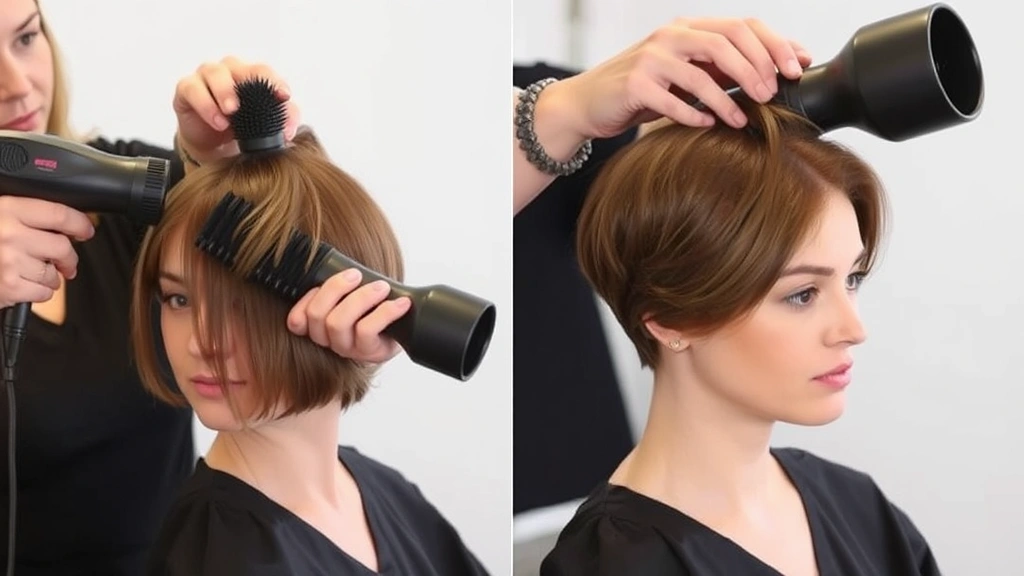
The blow dryer is your most powerful styling tool. How you use it fundamentally changes how your short hair looks and feels. Most people rush through this step, but taking time to blow-dry properly makes everything else easier.
Start with the right preparation. Apply your texturizing spray or mousse to damp hair, distributing it evenly from roots to ends. If you’re using a styling cream, use sparingly—a dime-sized amount is usually enough for short hair.
Section your hair before you begin. Divide short hair into three or four sections using clips. This ensures you don’t miss any spots and gives you more control over the final result. Start with the sections underneath and work your way up, finishing with your bangs or front sections last.
Use the right brush. A round brush works well for creating volume and smoothness, while a paddle brush or fingers work better if you’re going for a more textured, piecey look. For very short hair, sometimes just using your fingers and a blow dryer is most effective.
Direct the airflow. Always blow dry in the direction you want your hair to go. If you want volume at the roots, dry upward and backward. Smooth the cuticle by finishing each section by drying downward, which creates shine and prevents frizz.
Don’t blast on high heat. Use a medium heat setting with high speed, or medium heat with medium speed. High heat can damage short hair and make it frizzy. You’re aiming for efficiency, not scorched strands.
Finish with cool air. The last step should always be a blast of cool air with your dryer on low speed. This seals the cuticle, adds shine, and helps your style last longer throughout the day.
Popular Styling Methods and Looks
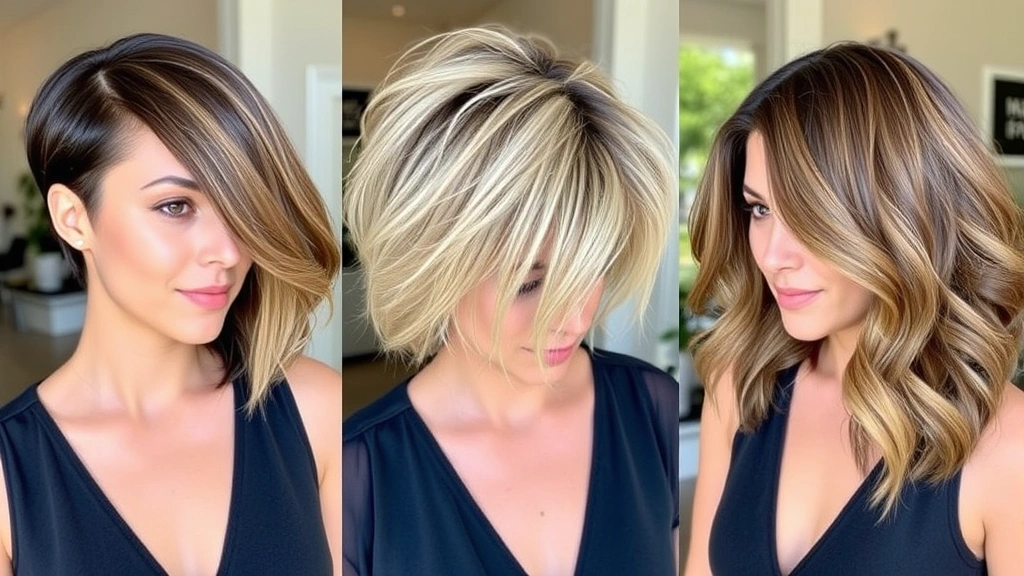
Once you’ve mastered the basics, it’s time to have fun with different styling approaches. Short hair is incredibly versatile, and the style you choose can completely transform your look.
The textured, piecey look is perfect for those who want an effortless, modern vibe. After blow-drying your hair mostly dry, apply a small amount of styling paste or cream to your fingers and work it through your hair, separating strands as you go. This creates definition and movement that looks intentional without appearing overdone.
The sleek, polished style works beautifully on short hair and is perfect for professional settings. Use a smoothing serum and blow-dry with a paddle brush, directing all hair in one direction. Finish with a light hairspray for hold. This approach pairs well with styles that feature how to style curtain bangs for added sophistication.
The tousled, bedhead look requires more intention than it appears. Blow-dry your hair with your fingers, creating random texture as you go. Once dry, apply sea salt spray and scrunch your hair, creating that lived-in appearance that’s trendy and youthful.
The voluminous, bouncy style suits those with naturally wavy or curly hair or anyone willing to use hot tools. Blow-dry upside down to create root lift, then use a curling iron or wand to add waves or curls throughout. How to curl hair properly ensures your curls last and look polished.
The slicked-back style works surprisingly well on short hair and offers a bold, fashion-forward statement. Use a strong-hold gel or pomade, apply it to damp hair, and blow-dry while brushing your hair straight back. This style is particularly striking on textured or curly short hair.
Creating Texture and Volume
Texture and volume are the secret weapons of short hair styling. They transform a basic cut into something with personality and movement.
Layering is your friend. If you’re planning to get short hair or already have it, ask your stylist for strategic layers. Layers create natural texture and movement, making styling easier and the final result more dynamic. Even if your hair is naturally straight, layers catch light and create visual interest.
Use dry shampoo strategically. Spray dry shampoo at the roots and any areas where you want extra texture and grip. Let it sit for a minute or two before styling. This creates a slightly roughed-up texture that helps products grip better and creates more volume.
Blow-dry against your natural hair growth direction. If your hair naturally falls to one side, dry it to the opposite side. This creates lift and prevents your style from falling flat. You can always finish by directing it where you want it once it’s mostly dry.
Tease strategically. For specific areas where you want extra volume—like the crown or sides—use a fine-tooth comb or teasing brush to gently backcomb the hair. This creates a cushion of texture underneath your top layer, adding height and fullness without looking obvious.
Choose the right cut for your face shape. Short hair that complements your face shape automatically looks better and requires less styling effort. Work with a skilled stylist who understands face shapes and can recommend a cut that maximizes your features while being easy to style.
For those interested in broader grooming and style, you might also explore complementary styling knowledge, such as how to apply cologne for a complete polished appearance, or even how to fold a pocket square if you’re preparing for formal occasions with your new short hair look.
Daily Maintenance and Care
Styling short hair isn’t just about the styling process—it’s also about maintaining your cut and keeping your hair healthy between salon visits.
Wash less frequently. Short hair gets oily faster than longer hair because natural oils travel the length of the hair more quickly on shorter strands. However, you don’t need to wash every day. Most short hair looks better when washed every other day or even every three days. On off-days, use dry shampoo to refresh your style and absorb excess oil.
Use the right shampoo and conditioner. Choose products formulated for your hair type and any specific concerns like color treatment or damage. For short hair, you don’t need to condition the entire length as much as longer hair, so focus conditioner on the ends and mid-lengths.
Get regular trims. Short hair requires more frequent trims than longer styles—ideally every 4-6 weeks. This keeps your cut looking sharp and prevents that awkward growing-out phase. Regular trims also remove damaged ends and keep your hair looking healthy.
Protect your hair from heat damage. Always use a heat protectant spray before blow-drying or using hot tools. These products create a barrier between your hair and the heat, reducing damage and frizz. They’re especially important if you style your hair daily.
Sleep smart. Use a silk or satin pillowcase to reduce friction while you sleep. This prevents frizz and helps your style last longer overnight. If you want to preserve your style, try sleeping in a loose silk bonnet or scarf.
Deep condition weekly. Short hair still needs moisture and nourishment. Use a deep conditioning treatment once a week to keep your hair healthy, shiny, and resilient. This is especially important if you use heat tools regularly or have color-treated hair.
Understanding proper care also connects to overall personal grooming. Just as you would care for your appearance in other ways, like how to shrink a shirt to achieve the perfect fit for your wardrobe, maintaining short hair requires attention to detail and consistency.
Frequently Asked Questions
How often should I wash short hair?
Most people with short hair benefit from washing every other day or every three days. Short hair gets oily faster than longer hair, but washing too frequently strips natural oils and can make your hair drier and more prone to breakage. Use dry shampoo on off-days to refresh your style and absorb excess oil at the roots.
What’s the best way to add volume to fine, short hair?
For fine short hair, focus on blow-drying techniques that create root lift. Apply volumizing mousse to damp roots, blow-dry upside down or against your natural growth direction, and use a light texturizing spray. Avoid heavy products that weigh hair down. Layers and strategic teasing also help create the appearance of more volume.
Can I style short curly hair the same way as short straight hair?
Short curly hair requires different techniques than straight hair. Focus on enhancing your natural curl pattern rather than fighting it. Use curl-defining products, apply them to soaking wet hair, and consider plopping or diffusing instead of traditional blow-drying. Finger-styling and scrunching work better than brushing, which can create frizz.
How do I prevent my short hair from looking flat?
Flat short hair usually results from product overuse, improper blow-drying, or a cut without enough layers. Use less product than you think you need, focus your blow-dry on creating root lift, and ask your stylist for layers that create movement. Dry shampoo and texturizing spray are excellent tools for refreshing flat hair.
What products should I avoid with short hair?
Avoid heavy oils, thick pomades, and products designed for long hair. These weigh down short hair and create a greasy appearance. Also avoid products with silicones if you have fine hair, as they can build up quickly on short styles. Stick to lightweight formulations designed specifically for texture and volume.
How can I make my short hair look intentional rather than messy?
The difference between intentional and messy is often just about direction and definition. Make sure all your hair is going in a deliberate direction, use a comb or brush to separate sections, and apply product strategically rather than haphazardly. Even a textured, tousled look should have a sense of purpose and control.
What’s the best short hair style for someone with a round face?
Round faces generally look best with short styles that add height at the crown and create angles. Pixie cuts with longer tops, textured crops, and styles with side-swept bangs work well. Avoid styles that are too rounded or fluffy all over, as this can emphasize the roundness of your face. Consult with your stylist about what will be most flattering.

Related Posts

How Long to Boil Lobster Tails: Cooking Guide

How Long to Fly from New York to London? Travel Times
