
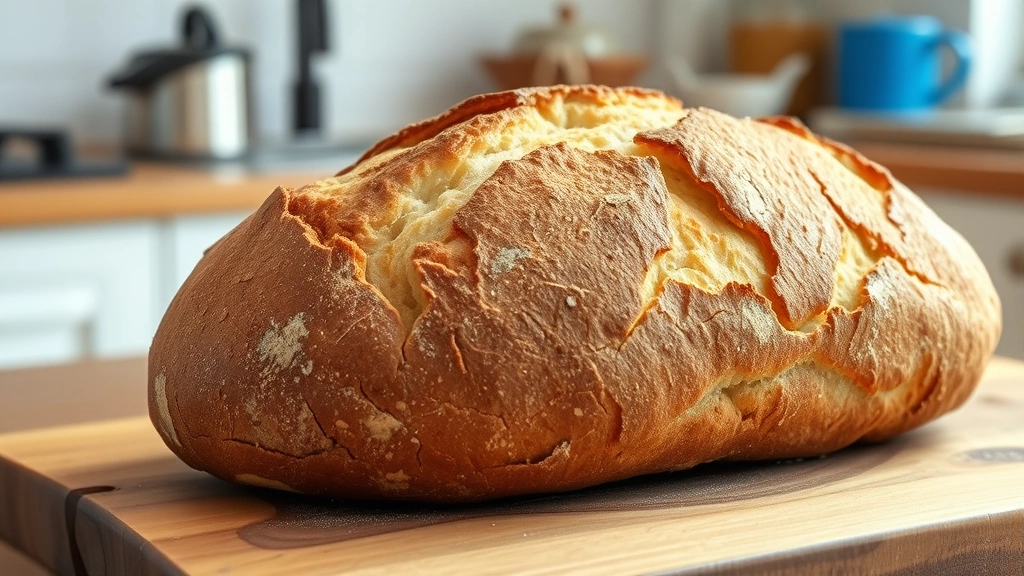
How to Store Sourdough Bread: Expert Tips
How to Store Sourdough Bread: Expert Tips for Maximum Freshness
There’s nothing quite like the satisfaction of pulling a perfectly baked sourdough loaf from your oven—that crackling crust, the tangy aroma, the soft interior. But here’s the real challenge: keeping it fresh and delicious for more than a day or two. Unlike commercial bread loaded with preservatives, artisanal sourdough requires a bit of finesse when it comes to storage. The good news? Once you understand the science behind sourdough preservation, maintaining that bakery-quality taste becomes remarkably straightforward.
Sourdough’s natural fermentation process and lack of additives mean it behaves differently than conventional bread. Its crust hardens faster, and the crumb can dry out if stored improperly. But it also has a secret advantage: sourdough actually stays fresher longer than most breads when you follow the right techniques. Whether you’re a home baker perfecting your craft or someone who simply wants to extend the life of your weekly loaf, understanding how to store sourdough bread is essential knowledge that transforms your entire baking experience.
This guide covers everything from room-temperature storage to freezing methods, plus the tricks professionals use to keep their loaves at peak quality. You’ll learn when to slice, when to skip the fridge, and how to revive bread that’s started to stale.
Room Temperature Storage: The Best Short-Term Solution
When it comes to how to store sourdough bread for immediate consumption, room temperature is genuinely your best friend. Unlike sandwich bread that needs refrigeration, sourdough thrives at room temperature for the first 24 to 48 hours after baking. This is where your loaf reaches its absolute peak—the crust maintains its crackle, the interior stays soft, and the flavor profile continues to develop.
The ideal room temperature range sits between 65 and 75 degrees Fahrenheit. Any cooler, and you risk accelerating staling. Any warmer, and you might encourage mold growth in humid climates. Place your loaf cut-side down on a clean kitchen counter or cutting board. This positioning prevents moisture from accumulating on the cut surface while allowing the crust to breathe. If you’re concerned about dust or insects, drape a clean kitchen towel loosely over the top—the key word being loosely. You want air circulation, not a sealed environment.
Here’s a pro tip: cut only what you need. Each time you slice into your loaf, you expose fresh interior surface to air, which accelerates the staling process. Store the uncut portion with the cut side facing down on your counter. This simple habit extends your bread’s prime window by several hours.
For those serious about their sourdough game, consider investing in a bread box to maintain optimal conditions. The investment pays dividends if you bake regularly or buy quality loaves weekly.
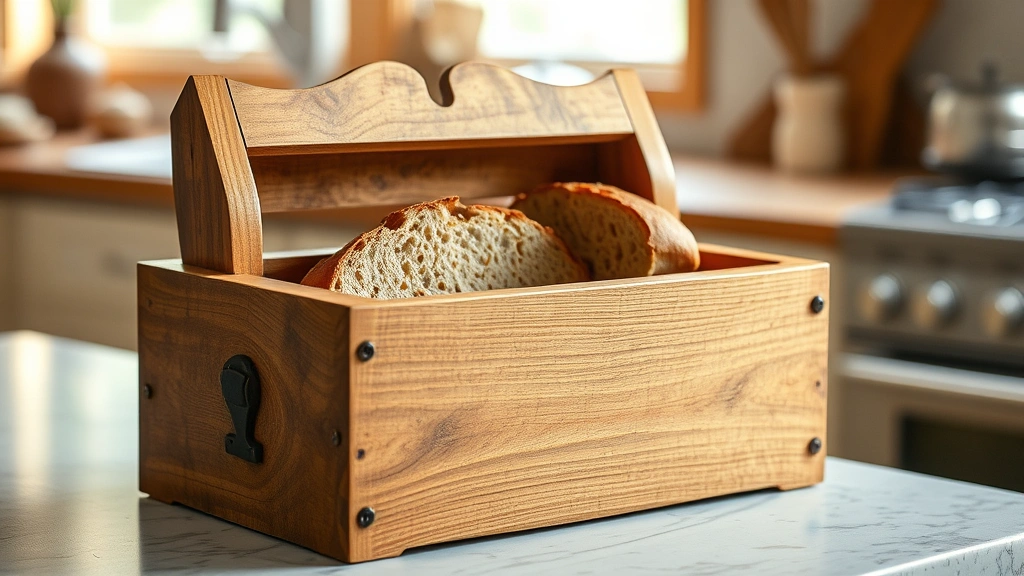
The Bread Box Method: A Classic Approach
A bread box isn’t just nostalgic kitchen décor—it’s a scientifically sound storage solution. These containers maintain a microclimate that balances humidity and air circulation, creating the perfect environment for sourdough preservation. Unlike plastic bags that trap moisture and create condensation, or paper bags that dry bread out too quickly, bread boxes hit the sweet spot.
When selecting a bread box, prioritize ventilation. Look for designs with small perforations or gaps that allow some air exchange while preventing rapid moisture loss. Wooden or stainless steel options tend to perform better than fully sealed plastic containers. Place your loaf cut-side down inside, and you’ve created a stable storage system that keeps sourdough fresh for two to three days comfortably.
The beauty of bread box storage is its simplicity. No special techniques required. Your sourdough maintains its texture and crust integrity far better than it would in plastic, and significantly better than refrigeration. If you’re wondering about other preservation methods for items you bake with, like understanding how to store onions for longer-term pantry staples, you’ll appreciate that different foods require different approaches—but sourdough’s bread box solution remains unmatched in simplicity.
Pro bakers often keep their bread boxes in the coolest part of their kitchen, away from direct sunlight and heat sources. If your kitchen runs warm, placing the bread box in a pantry or lower cabinet extends freshness even further.
Freezing Sourdough: Long-Term Preservation
When you need to store sourdough bread beyond the two to three-day window, freezing is your answer. The good news: sourdough freezes beautifully, better than most bread varieties. The natural fermentation and dense crumb structure mean it thaws with minimal quality loss when you follow proper technique.
Start by allowing your bread to cool completely to room temperature—this typically takes two to three hours. Slice your loaf if you prefer, or freeze it whole. Many bakers slice before freezing for convenience, creating individual portions they can thaw as needed. Wrap each piece tightly in plastic wrap, then place wrapped portions in a freezer-safe bag or airtight container. Remove as much air as possible before sealing. This double-wrapping prevents freezer burn, which can introduce off-flavors and dry out the bread.
Label your package with the date and type of sourdough. Properly stored, frozen sourdough maintains excellent quality for up to three months, though most bakers use it within four to six weeks for optimal results. Beyond that window, it doesn’t spoil, but subtle flavor degradation becomes noticeable.
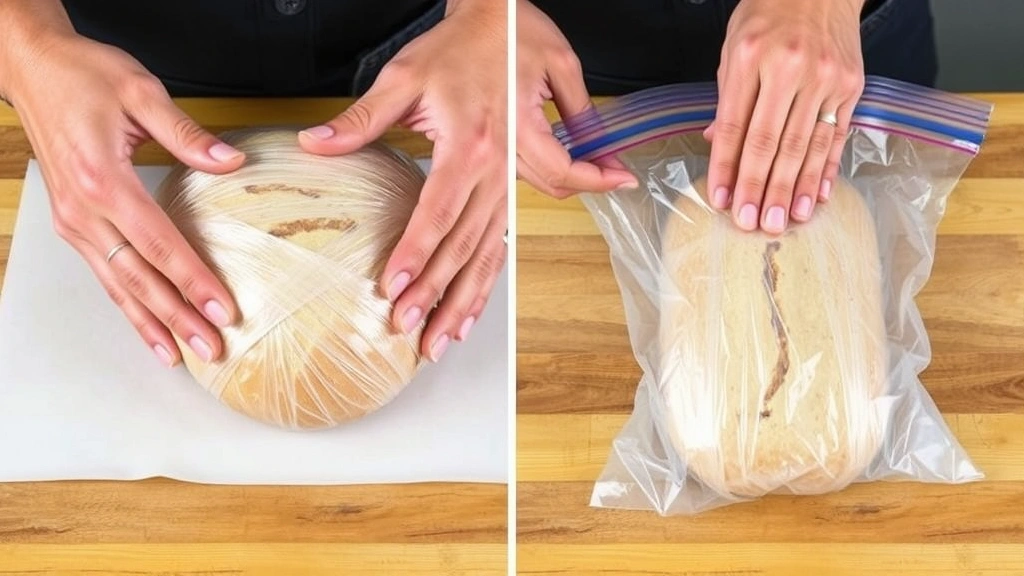
Thawing requires patience. Remove your bread from the freezer and let it sit at room temperature in its wrapping for two to four hours, depending on whether you froze it whole or sliced. The wrapping prevents condensation from forming on the surface as it thaws. If you’re thawing individual slices, you can toast them directly from frozen—they’ll crisp up beautifully in a toaster or toaster oven.
For those maintaining an active sourdough starter, you understand the commitment to the craft. Freezing your baked loaves ensures you can always have fresh bread ready when your schedule doesn’t align with your baking rhythm. It’s the difference between a casual interest and a genuine sourdough practice.
Common Storage Mistakes to Avoid
Even with good intentions, several storage habits can sabotage your sourdough. Understanding these pitfalls prevents frustration and wasted bread.
The Refrigerator Trap: This is the most common mistake. Never refrigerate sourdough. The cold temperature accelerates staling by up to six times faster than room temperature storage. The starch molecules in bread crystallize more rapidly in cold environments, turning your beautiful loaf into something resembling a hockey puck within days. If you must refrigerate (perhaps your kitchen is extremely warm or humid), do so only as a last resort, and use it within a day.
Plastic Bag Problems: While plastic bags seem convenient, they trap moisture and create an environment where mold flourishes. They also soften the crust, eliminating that satisfying crackle. If you must use plastic temporarily, choose paper bags instead—they allow some moisture escape while protecting from dust.
Cutting Too Early: Slicing your loaf immediately after baking seems logical, but it’s counterproductive. The interior is still setting, and cutting releases steam that accelerates staling. Wait at least an hour after baking, preferably longer, before slicing.
Improper Freezing: Throwing bread directly into the freezer without wrapping leads to freezer burn and crystallization. That extra step of wrapping thoroughly makes an enormous difference in thaw quality.
Ignoring Temperature: Storing sourdough in a warm location (above 75°F) encourages mold growth. A cool, stable environment is essential. Similarly, temperature fluctuations—like storing bread near a heating vent or sunny window—create condensation that promotes mold.
Reviving Stale Sourdough Bread
Even with perfect storage, sourdough eventually stales. The good news: unlike some breads, stale sourdough isn’t trash. It’s an opportunity. Several revival methods can restore significant freshness and texture.
The Steam Method: Preheat your oven to 375°F. Wrap your stale loaf loosely in a damp paper towel, then place it in a sealed oven-safe container or wrap it tightly in aluminum foil. Bake for 10 to 15 minutes. The steam rehydrates the crumb and crisps the crust. This works remarkably well for bread that’s been stale for a few days.
The Toaster Oven Approach: Slice your stale sourdough and toast it at medium-high heat until golden. The toasting process dries out the exterior while reheating the interior, creating a surprisingly pleasant texture. It’s not the same as fresh bread, but it’s genuinely enjoyable.
Bread Pudding and Croutons: Embrace the stale bread. Cut it into cubes and make savory croutons by tossing with olive oil, garlic, and herbs, then baking until crispy. Alternatively, stale sourdough makes exceptional bread pudding—the dense crumb absorbs custard beautifully, creating superior results compared to softer breads.
The Microwave Method (Emergency Only): Wrap a slice in a damp paper towel and microwave for 10 to 15 seconds. This temporarily restores moisture, though it won’t crisp the crust. Use this method only when you need bread immediately and don’t have time for oven revival.
Understanding these revival techniques means you genuinely never waste sourdough. Even bread that’s past its prime has culinary value. Just like knowing how to keep apples from turning brown prevents waste in the produce drawer, mastering sourdough storage and revival eliminates food waste in your bread basket.
Frequently Asked Questions
Can you store sourdough in the refrigerator?
Technically yes, but it’s not recommended. Refrigeration accelerates staling dramatically. Your bread will become dry and tough within a few days. If your kitchen is extremely hot and humid, refrigeration might prevent mold growth, but it’s genuinely a last resort. Room temperature or freezing are far superior options.
How long does sourdough last at room temperature?
Properly stored at room temperature, sourdough stays fresh for two to three days. The crust may harden after day one, but the interior remains soft and flavorful. After day three, staling becomes noticeable, though the bread is still edible and can be revived using the methods described above.
Should you slice sourdough before or after freezing?
Both methods work, but slicing before freezing offers convenience. You can thaw individual portions as needed rather than waiting for an entire loaf. However, whole loaves freeze slightly better in terms of texture preservation. Choose based on your usage patterns.
What’s the best way to thaw frozen sourdough?
Thaw at room temperature in the original wrapping for two to four hours. This gradual thawing prevents condensation and maintains texture. Never use a microwave for thawing, as it creates uneven heating and can turn your bread into mush. For slices, toasting directly from frozen works beautifully.
Why does sourdough last longer than regular bread?
The natural fermentation process in sourdough creates organic acids that act as natural preservatives. These acids inhibit mold growth and slow staling compared to commercial breads. Additionally, sourdough’s dense crumb structure retains moisture more effectively than lighter breads.
Can you store sourdough in a paper bag?
Paper bags work better than plastic, but they’re not ideal for extended storage. They allow some air circulation, preventing the moisture trap that plastic creates, but they also allow too much moisture escape, drying bread faster than a bread box would. Use paper bags for short-term storage (one day maximum) or upgrade to a proper bread box.
Is it better to freeze sourdough whole or sliced?
Whole loaves preserve texture slightly better, but sliced bread offers superior convenience. Most home bakers slice before freezing. The quality difference is minimal, so choose based on your preferences and usage patterns. If you eat bread regularly, slicing before freezing saves time.
How do you prevent mold on sourdough?
Keep bread in a cool, dry location away from direct sunlight and heat sources. Maintain proper air circulation using a bread box rather than sealed plastic bags. If your kitchen is particularly humid, refrigeration or freezing becomes necessary. Never store bread in damp environments like basements prone to moisture.

Related Posts

How Long to Boil Lobster Tails: Cooking Guide

How Long to Fly from New York to London? Travel Times
