
How to Remove Rust from Cast Iron: Expert Tips
How to Remove Rust from Cast Iron: Expert Tips
There’s something deeply satisfying about rescuing a neglected cast iron skillet from the clutches of rust. Whether you’ve inherited a vintage piece from your grandmother’s kitchen or discovered a gem at a flea market, rust-covered cast iron doesn’t have to be a lost cause. With the right approach and a little elbow grease, you can restore your cookware to its former glory and get back to making perfect pancakes and seared steaks.
Cast iron’s susceptibility to rust is paradoxical—the very properties that make it such an exceptional cooking surface (superior heat retention and durability) also make it vulnerable to oxidation when moisture meets bare metal. The good news? Removing rust from cast iron is entirely achievable at home, and you likely have most of the tools you need already sitting in your garage or kitchen.
This guide walks you through multiple proven methods to tackle rust, from gentle approaches for light surface oxidation to more aggressive techniques for severely compromised pieces. You’ll learn how to prevent rust from coming back and maintain your cast iron so it becomes a cherished heirloom rather than a burden.
Understanding Rust on Cast Iron
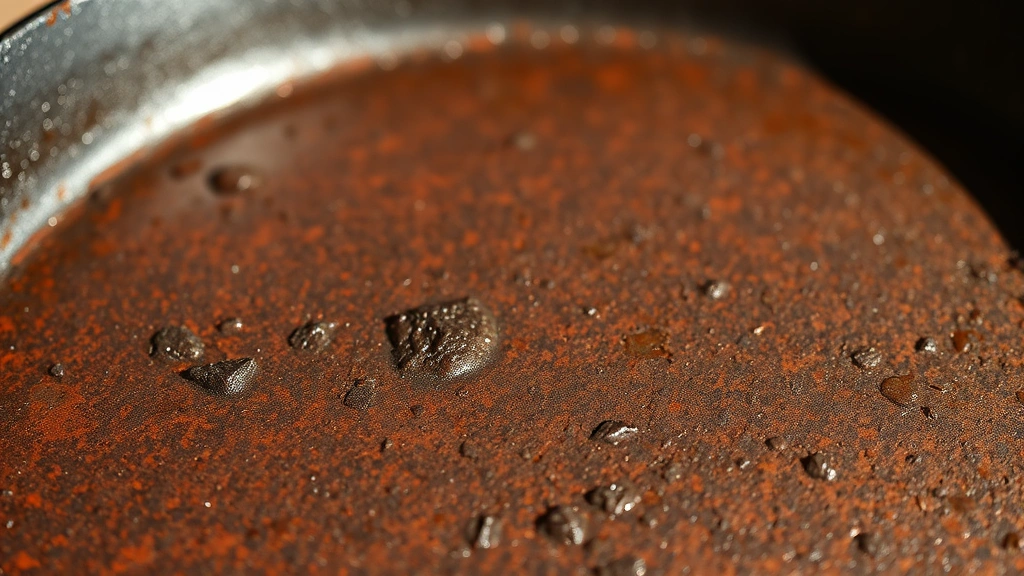
Before diving into removal techniques, it helps to understand what you’re actually dealing with. Rust is iron oxide—essentially, the iron in your cookware has bonded with oxygen and moisture, creating a flaky, reddish-brown coating. This chemical reaction happens when cast iron is exposed to water without proper protective seasoning or when it’s stored in humid environments.
Cast iron differs from stainless steel in its approach to corrosion resistance. While stainless steel pans resist rust naturally due to their chromium content, cast iron relies entirely on its seasoning—that polymerized oil layer—to keep oxygen and moisture away from the metal beneath. Once that protective barrier is compromised, rust can develop relatively quickly, especially in damp conditions.
The encouraging part? Rust on cast iron is almost always surface-level. Unlike some metals that rust from the inside out, cast iron typically only develops rust on exposed surfaces. This means your skillet’s structural integrity is almost certainly fine, and restoration is well within reach.
Assessing the Damage
Not all rust is created equal, and your restoration approach depends heavily on severity. Light surface rust appears as a thin, reddish coating that you can often rub off with a cloth. This is the easiest category to handle and responds well to gentle methods.
Moderate rust shows as deeper discoloration with some pitting visible to the naked eye. The metal beneath might feel slightly rough, but the rust hasn’t eaten deeply into the surface. This is the most common type you’ll encounter and responds beautifully to the methods outlined below.
Severe rust means the coating is thick, flaking, and potentially has created pits or rough areas in the metal itself. While more labor-intensive, even heavily rusted cast iron can be restored—it just requires more aggressive techniques and patience.
Run your fingers across the affected area (carefully, as rust edges can be sharp). If it feels relatively smooth beneath the rust, you’re dealing with surface oxidation. If you feel deep pitting or rough texture, the rust has penetrated deeper, and you’ll want to use more aggressive removal methods.

Method 1: Vinegar Soak
White vinegar is your gentle giant for rust removal. The acetic acid dissolves rust while being mild enough that it won’t damage the underlying cast iron if you’re careful with timing. This method works best for light to moderate surface rust.
What you’ll need:
- White vinegar (standard 5% acetic acid)
- A container large enough to submerge your piece
- Steel wool or a stiff brush
- Cloth for drying
- Paper towels
The process:
- Pour enough vinegar into your container to fully submerge the rusty cast iron. If you don’t have a container large enough, you can create a vinegar paste with baking soda instead (covered in Method 2).
- Submerge the piece and let it soak. For light rust, 30 minutes to an hour usually suffices. For moderate rust, check every 2-3 hours. Don’t leave it longer than 24 hours, as extended vinegar exposure can pit the metal.
- Remove the piece and scrub away the loosened rust with steel wool or a stiff brush. You’ll likely see rust coming away fairly easily at this point.
- Rinse thoroughly under running water to remove all vinegar and rust particles.
- Dry completely with a cloth, then place on the stove over low heat for a few minutes to ensure all moisture evaporates.
- Once cool, apply a thin coat of oil to prevent new rust from forming immediately.
The vinegar method is satisfying because you see immediate results, and it’s gentle enough that you won’t accidentally damage your cookware. The trade-off is that it requires patience—you can’t rush the process without risking incomplete rust removal.
Method 2: Baking Soda Paste
For cast iron with rust that’s more stubborn or for pieces you can’t easily submerge, a baking soda paste offers excellent control. This method is also safer if you’re concerned about vinegar’s acidity, though it requires more physical effort.
What you’ll need:
- Baking soda
- Water
- A bowl for mixing
- Steel wool, wire brush, or an old cloth
- Elbow grease (the most important ingredient)
The process:
- Mix baking soda with just enough water to create a thick paste—think peanut butter consistency. You want it thick enough to stay on the metal without running off.
- Apply the paste generously to all rusty areas, working it into any pitted spots.
- Let it sit for 15-30 minutes. This gives the baking soda time to work on the rust.
- Using steel wool or a wire brush, scrub the paste into the rust with firm, circular motions. You’ll notice the rust beginning to break down and the paste darkening as it absorbs the oxidation.
- Rinse thoroughly with water and examine your progress. Stubborn spots may need a second application.
- Dry completely, ideally with heat as described in the vinegar method.
This approach gives you hands-on control and works particularly well for cast iron cookware, Dutch ovens, and other pieces where you need to target specific areas without submerging the entire item.

Method 3: Wire Brush and Elbow Grease
Sometimes the most effective tool is the simplest one. A wire brush, whether hand-held or drill-attached, can remove rust through sheer mechanical action. This method is perfect for moderate to severe rust and requires no chemicals.
What you’ll need:
- Wire brush (hand-held or drill attachment)
- Power drill (optional, but makes the job easier)
- Safety glasses
- Work gloves
- A well-ventilated workspace
The process:
- Put on safety glasses and gloves. Wire brushing can send rust particles flying, and you don’t want those in your eyes.
- If using a hand brush, apply firm pressure and scrub in circular motions across the rusty surface. This is genuinely effective but requires sustained effort.
- If using a drill with a wire brush attachment, start at low speed and gradually increase. The spinning brush will remove rust much faster than hand-scrubbing, but be careful not to overspin and damage the underlying metal.
- Work across the entire affected area until the rust is removed and you’re seeing bare, clean metal beneath.
- Once you’ve removed the rust, wipe the piece down with a cloth to remove all loose particles.
- Dry thoroughly and immediately apply oil to prevent flash rusting (rust that forms within minutes of cleaning).
The wire brush method is satisfying and gives you complete control. The downside is the physical effort required and the need for a well-ventilated space to avoid inhaling rust dust. If you’re removing heavy rust from a large piece, this method might leave your arms tired, but the results are excellent.
Method 4: Electrolysis
For severely rusted pieces or if you want to explore a more advanced approach, electrolysis is surprisingly effective and gentler on the underlying metal than aggressive scrubbing. This method uses an electrical current to reverse the oxidation process. When learning how to remove rust from various materials, electrolysis stands out as particularly effective for cast iron.
What you’ll need:
- A 12-volt DC power source (car battery charger works perfectly)
- A large plastic or ceramic container (not metal)
- Stainless steel electrode (rebar or steel plate)
- Washing soda (sodium carbonate—not baking soda)
- Distilled water
- Insulated wire and alligator clips
- Rubber gloves
The process:
- Fill your container with distilled water and dissolve approximately one tablespoon of washing soda per gallon of water. This creates the electrolyte solution.
- Suspend the rusty cast iron in the solution using a non-conductive support. The piece should be fully submerged but not touching the container sides.
- Submerge your stainless steel electrode in the solution as well, positioned so it doesn’t touch the cast iron.
- Connect the negative terminal of your power source to the cast iron and the positive terminal to the stainless steel electrode.
- Turn on the power. You should see bubbles forming at the electrodes—this indicates the process is working.
- Leave it running for 4-12 hours depending on rust severity. You can leave it overnight for heavily rusted pieces.
- Turn off the power and remove the cast iron. Rinse thoroughly and scrub away any remaining rust debris with a soft brush.
- Dry completely and immediately apply oil.
Electrolysis might sound intimidating, but it’s actually quite safe when done correctly and produces impressive results on severely rusted pieces. Many people find it becomes their preferred method after the first successful restoration. The process is gentler on the metal than aggressive scrubbing, which means you preserve more of the original surface.
For a detailed walkthrough, This Old House has excellent electrolysis guides that cover the process step-by-step.
Seasoning After Rust Removal
Removing rust is only half the battle. Once you’ve successfully eliminated the oxidation, you must immediately protect the bare metal by seasoning your cast iron. This is crucial—bare cast iron will begin rusting again within hours if left unprotected.
Seasoning creates that protective polymerized oil layer that prevents moisture from reaching the metal. Think of it as giving your cast iron an armor against rust.
Quick seasoning for immediate use:
- While your cast iron is still slightly warm from drying, apply a very thin coat of high-smoke-point oil (vegetable, canola, or grapeseed oil work well).
- Use a cloth to spread the oil evenly, then buff away any excess. Your piece should look almost dry—excess oil will become sticky.
- Let it cool completely before using or storing.
This quick method provides immediate protection and works great if you want to use your cast iron right away. However, for maximum durability, consider a full seasoning process. Learn more about seasoning techniques that work similarly to cast iron restoration for a deeper protective layer.
Deep seasoning for long-term protection:
- Preheat your oven to 500°F (260°C).
- Apply a very thin coat of oil to the entire piece—handle, bottom, and all crevices.
- Buff away excess oil until the piece looks almost dry.
- Place on the middle oven rack and bake for one hour.
- Turn off the oven and let the cast iron cool completely inside (at least 2-3 hours, or overnight).
- Repeat this process 3-5 times for a robust seasoning layer.
This method builds up multiple layers of seasoning, creating exceptional rust resistance. Your cast iron will develop that beautiful dark patina and naturally stick-resistant surface that makes it such a joy to cook with.
Prevention: Keeping Rust at Bay
Once you’ve gone through the effort of removing rust, you’ll want to prevent it from returning. Prevention is genuinely easier than restoration, and a few simple habits will keep your cast iron in pristine condition for decades.
Storage and humidity: Store cast iron in a dry location. If you live in a particularly humid climate, consider storing your pieces in a cabinet with silica gel packets or even in your oven (if you’re not using it for food storage). The key is minimizing exposure to moisture.
Washing and drying: Wash your cast iron promptly after cooking, but don’t let it soak. Use hot water and a stiff brush to remove food particles. Dry it immediately and thoroughly—don’t let water spots sit on the surface. Many cast iron enthusiasts place their cleaned pieces on the stovetop over low heat for a minute to ensure complete dryness.
Regular oiling: After each use, apply a very thin coat of oil to the entire piece while it’s still warm. This maintains the seasoning layer and provides continuous protection. The oil will smoke slightly as it polymerizes, which is exactly what you want.
Avoid the dishwasher: This is non-negotiable. Dishwashers use high heat, harsh detergents, and prolonged moisture exposure—the perfect storm for rust formation. Hand wash only, always.
If you have other kitchen items that need care, remember that proper cleaning and maintenance techniques apply across your kitchen—thoughtful care extends the life of everything you own.
For leather items like aprons or work gloves you might use in your kitchen or workshop, maintaining leather properly follows similar principles of regular care and appropriate protection.
Frequently Asked Questions
Can I use steel wool on cast iron without damaging it?
Yes, steel wool is actually recommended for rust removal on cast iron. Unlike some surfaces where steel wool would be too abrasive, cast iron is durable enough to handle it. Just avoid using extremely fine steel wool (like 0000) for rust removal—you want a coarser grade (0 or 00) that will actually remove rust effectively. After rust removal, you can switch to finer grades for polishing if desired.
How long does the vinegar method take?
For light surface rust, expect 30 minutes to an hour of soaking. Moderate rust typically requires 2-8 hours, depending on thickness. The key is checking periodically—don’t just set it and forget it for 24 hours, as extended vinegar exposure can damage the metal. Check every 2-3 hours and remove the piece once rust loosens easily.
Is it safe to use cast iron after rust removal?
Absolutely, yes. Once you’ve removed all visible rust and applied proper seasoning, your cast iron is perfectly safe to use. Rust itself isn’t toxic—it’s just oxidized iron. Once it’s removed and the surface is seasoned, your cookware is as safe as it ever was. In fact, cooking with cast iron is actually beneficial, as you absorb small amounts of dietary iron during cooking.
Can I prevent rust entirely on cast iron?
You can’t prevent rust entirely if you neglect your cast iron, but you can make it extremely rust-resistant through proper care. The combination of regular seasoning, prompt drying after washing, and dry storage makes rust formation highly unlikely. Most people who follow basic maintenance never deal with rust after the initial restoration.
What’s the fastest way to remove rust from cast iron?
If speed is your priority, a power drill with a wire brush attachment is fastest for moderate rust. For severe rust, electrolysis actually removes more rust with less effort—you just have to wait for the process to complete overnight. The vinegar method is fastest for light surface rust. Choose based on your rust severity rather than just speed.
Will rust removal affect the value of vintage cast iron?
Careful rust removal actually preserves value by restoring functionality and preventing further deterioration. Collectors generally prefer well-maintained pieces to rusty ones. However, if you have a particularly rare or antique piece, you might consult an expert before aggressive restoration, as some collectors specifically seek pieces with patina or original surface characteristics. For everyday cooking cast iron, restoration is always the right choice.
Can I use commercial rust removers on cast iron?
Many commercial rust removers work on cast iron, but they’re often harsher than necessary and potentially more expensive than simple household methods. Vinegar and baking soda are gentler and more economical. That said, products specifically designed for cast iron restoration are generally safe—just follow the manufacturer’s instructions carefully and ensure you season properly afterward.

Related Posts

How Long to Boil Lobster Tails: Cooking Guide

How Long to Fly from New York to London? Travel Times
