
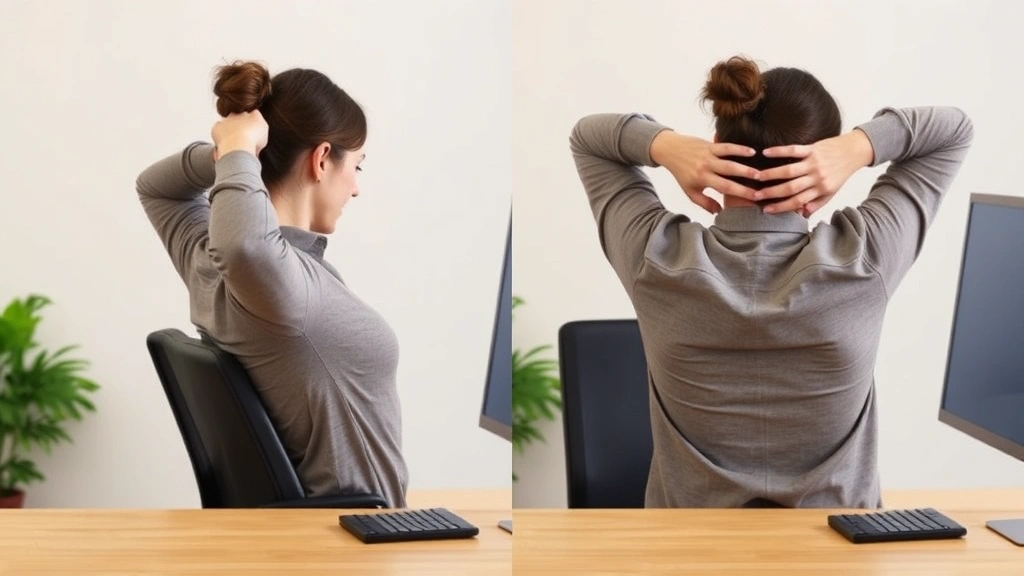
Relieve Upper Back Pain? Expert Tips & Tricks
How to Relieve Upper Back Pain Fast: Expert Tips & Tricks
Upper back pain is one of the most common complaints affecting millions of people worldwide, whether from desk work, poor posture, or physical strain. The good news is that most cases of upper back discomfort can be managed effectively at home with the right techniques and lifestyle adjustments. This comprehensive guide will walk you through proven methods to reduce pain quickly and prevent future episodes from interfering with your daily activities.
Understanding the root cause of your upper back pain is essential for finding lasting relief. Whether you’re dealing with muscle tension, postural issues, or minor injuries, the strategies outlined below have helped countless individuals regain comfort and mobility. We’ll explore everything from immediate pain relief techniques to long-term prevention strategies that keep your back healthy and strong.
Immediate Pain Relief Techniques
When upper back pain strikes, you need fast solutions that work. The first step is to stop whatever activity triggered the pain and give your muscles a chance to relax. Gentle movement is often more helpful than complete rest, as staying still for too long can actually increase stiffness and discomfort.
Self-massage and trigger point release are among the quickest ways to reduce muscle tension. Using your fingers, knuckles, or a massage ball, apply firm but gentle pressure to the painful area. Work in circular motions for 30-60 seconds, then move to adjacent areas. This increases blood flow and helps release tight muscle fibers that contribute to pain.
Another highly effective immediate technique is shoulder shrugging and rolling. Lift both shoulders toward your ears, hold for 2-3 seconds, then release. Repeat 10-15 times. Follow this with slow, controlled shoulder rolls—five times forward and five times backward. These movements activate muscles and promote circulation without straining the affected area.
Deep breathing exercises shouldn’t be overlooked for immediate relief. Pain causes muscles to tense up, which restricts breathing and worsens discomfort. Sit upright, inhale slowly through your nose for a count of four, hold for two seconds, then exhale through your mouth for a count of six. Repeat this pattern 10 times. The relaxation response helps reduce muscle tension throughout your upper back and shoulders.
Consider using This Old House approach to problem-solving—identify the issue first. If your pain resulted from poor lifting technique or awkward positioning, avoid repeating that movement for at least 24-48 hours while your muscles recover.
Stretching and Mobility Exercises
Targeted stretching addresses the root cause of most upper back pain—tight, inflexible muscles. Unlike aggressive stretching that can aggravate injury, gentle, sustained stretches improve flexibility and reduce tension gradually.
The doorway chest stretch is particularly effective for upper back relief. Stand in a doorway with your right arm bent at 90 degrees, forearm against the doorframe. Step forward gently until you feel a stretch across your chest and front shoulder. Hold for 30 seconds, breathing deeply. Repeat on both sides, three times each. This stretch counteracts the forward shoulder position that causes upper back strain.
Neck and upper back stretches provide additional relief. Sit upright and slowly tilt your right ear toward your right shoulder, feeling the stretch along the left side of your neck. Hold for 20-30 seconds. For a deeper stretch, gently place your right hand on the left side of your head and apply light pressure. Repeat on the opposite side. Perform this stretch 2-3 times daily.
The child’s pose modification is excellent for releasing upper back tension. Kneel on the floor, sit your hips back toward your heels, and fold forward, extending your arms. Rest your forehead on a pillow or folded towel. Hold this position for 60-90 seconds, breathing slowly and deeply. This gentle stretch releases tension throughout the entire back without strain.
For shoulder blade squeezes, sit upright and pull your shoulder blades together as if trying to hold a pencil between them. Hold for 3-5 seconds, then relax. Repeat 15-20 times. This exercise strengthens stabilizer muscles while improving mobility and reducing pain during daily activities.

Posture Correction Strategies
Poor posture is the leading cause of chronic upper back pain. When your head and shoulders roll forward, your upper back muscles work overtime to support the weight of your head, creating tension and pain. Correcting postural habits is essential for lasting relief.
The chin tuck exercise realigns your cervical spine and reduces upper back strain. Sit or stand with your eyes forward. Gently draw your chin straight back (not down) as if creating a double chin. Hold for 5 seconds, then release. Repeat 10-15 times. This simple movement retrains your neck muscles to support proper head position.
Wall posture checks help you understand what correct posture feels like. Stand with your back against a wall, heels about 6 inches away. Your head, shoulders, and buttocks should touch the wall. Your lower back should have a slight curve where your hand fits comfortably. Hold this position for 30 seconds, rest, and repeat five times. Practice this daily to retrain your body’s muscle memory.
When sitting at a desk or working on projects, remember that proper ergonomic positioning prevents pain before it starts. Your monitor should be at eye level, elbows bent at 90 degrees, and feet flat on the floor. Take breaks every 30 minutes to stand, stretch, and move around. These simple adjustments dramatically reduce upper back strain during work hours.
Awareness is your best tool. Throughout the day, notice when your shoulders creep toward your ears or your head juts forward. Gently correct these positions immediately. Over time, good posture becomes automatic, and upper back pain diminishes significantly.
Heat and Cold Therapy Methods
Temperature therapy is a time-tested approach to pain management that works by reducing inflammation and muscle tension. Understanding when to use heat versus cold ensures maximum effectiveness.
Cold therapy works best during the first 48 hours after injury when inflammation is high. Apply ice wrapped in a thin cloth to the painful area for 15-20 minutes every 2-3 hours. Cold numbs pain and reduces swelling, providing immediate relief. Never apply ice directly to skin, as this can cause damage.
Heat therapy becomes beneficial after the initial 48-hour period or for chronic pain from muscle tension. Heat increases blood flow, relaxes tight muscles, and reduces stiffness. Use a heating pad, warm shower, or heat wrap for 15-20 minutes at a time. Many people find that alternating heat and cold—5 minutes cold followed by 10 minutes heat—provides superior relief compared to either therapy alone.
A warm bath with Epsom salts combines heat therapy with muscle relaxation benefits. Soak for 15-20 minutes in comfortably hot water with 1-2 cups of Epsom salts. The magnesium in the salts promotes muscle relaxation while the warmth increases circulation and reduces pain. This method works particularly well before stretching exercises.
For those seeking alternative approaches, Family Handyman often features wellness tips alongside home improvement advice. Consider investing in a quality heating pad or microwaveable heat wrap for convenient pain relief throughout your day.

Ergonomic Workspace Setup
Since many people spend 8+ hours daily at a desk, proper ergonomic workspace setup is critical for preventing and relieving upper back pain. Small adjustments make significant differences in comfort and pain levels.
Monitor positioning is fundamental. Your screen should be at arm’s length away, with the top of the screen at or slightly below eye level. If you use multiple monitors, position them in a slight V-shape to minimize neck rotation. Laptops are particularly problematic because their screens are too low, forcing your head forward. Consider using a laptop stand with an external keyboard to achieve proper positioning.
Chair selection and adjustment dramatically impact upper back health. Your chair should support the natural curve of your spine with firm lumbar support. Your feet should rest flat on the floor or footrest, with knees bent at 90 degrees. Armrests should allow your elbows to rest at 90 degrees without elevating your shoulders. Adjust your chair height so your thighs are parallel to the ground.
Desk height optimization ensures your arms are properly positioned. When sitting with good posture, your elbows should bend at 90 degrees with your forearms parallel to the ground. If your desk is too high or low, it forces awkward positioning that strains your upper back. Use risers or desk extenders to achieve the proper height.
Keyboard and mouse placement prevent excessive reaching and shoulder tension. Both should be directly in front of you, close to your body. Reaching across a large desk requires your shoulders to elevate and rotate, creating upper back strain. Keep frequently used items within arm’s reach to minimize unnecessary movement.
Remember to take frequent breaks. Every 30-60 minutes, stand up, stretch, and walk around for 2-3 minutes. This breaks up static positioning, restores circulation, and prevents the cumulative strain that causes chronic pain.
Strengthening Exercises for Prevention
While stretching and pain relief techniques address immediate discomfort, strengthening exercises build resilient muscles that prevent future pain episodes. Strong upper back muscles support proper posture and reduce the workload on individual muscle fibers.
Resistance band rows effectively strengthen your middle and upper back. Anchor a resistance band at chest height, grab both ends, and pull toward your chest, squeezing your shoulder blades together. Hold for 2 seconds, then slowly release. Perform 3 sets of 12-15 repetitions, 3-4 times weekly. This exercise builds strength in muscles that support proper posture.
Wall push-ups provide a gentler strengthening option suitable for those with current pain. Stand arm’s length from a wall, place your hands on the wall at shoulder height, and perform push-ups against the wall. Your body should form a straight line from head to heels. Perform 3 sets of 10-12 repetitions. As strength improves, progress to incline push-ups using a bench or table, then traditional floor push-ups.
Superman exercises strengthen your entire posterior chain, including upper back muscles. Lie face-down on the floor, arms extended overhead. Simultaneously lift your arms, chest, and legs off the ground, holding for 2-3 seconds. Lower and repeat for 12-15 repetitions. Perform 2-3 sets, 2-3 times weekly. This exercise builds strength throughout your back and improves posture.
Planks and modified planks develop core strength that supports your upper back. A strong core reduces the strain on your back muscles by stabilizing your spine. Perform planks 3-4 times weekly, holding for 30-60 seconds. Gradually increase duration as your strength improves. A strong core is foundational for long-term upper back health.
Consistency matters more than intensity. Perform these strengthening exercises 3-4 times weekly, allowing rest days between sessions for muscle recovery. Over 4-6 weeks, you’ll notice improved strength, better posture, and significantly reduced pain.
Lifestyle Changes for Long-Term Relief
Beyond specific exercises and techniques, certain lifestyle modifications provide lasting upper back pain relief. These changes address the underlying factors that contribute to chronic discomfort.
Sleep position optimization prevents pain from developing while you sleep. Back sleepers should place a pillow under their knees to maintain spinal alignment. Side sleepers should place a pillow between their knees and use a supportive pillow that keeps their neck aligned with their spine. Avoid stomach sleeping, which twists your neck and strains your upper back. Invest in a quality mattress that supports your body properly.
Stress management directly impacts upper back pain. Stress causes muscle tension, particularly in the shoulders and upper back. Practice relaxation techniques like meditation, yoga, or progressive muscle relaxation. Even 10 minutes daily of deep breathing or mindfulness reduces tension and pain. This Old House may focus on home improvement, but wellness encompasses your entire living environment—create a calm, organized space that reduces daily stress.
Regular physical activity strengthens muscles and improves overall health. Activities like walking, swimming, cycling, and yoga are particularly beneficial for upper back health. Aim for at least 150 minutes of moderate-intensity exercise weekly. Regular movement prevents the muscle weakness and stiffness that cause chronic pain.
Hydration and nutrition support muscle health and recovery. Drink adequate water daily—aim for at least 8 glasses. Ensure your diet includes protein to support muscle repair, omega-3 fatty acids to reduce inflammation, and magnesium-rich foods like leafy greens and nuts. Proper nutrition accelerates recovery and prevents pain from recurring.
Weight management reduces strain on your back. Extra weight, particularly around the midsection, pulls your center of gravity forward, forcing your upper back muscles to work harder. Maintaining a healthy weight through proper nutrition and exercise reduces upper back strain and improves overall health.
When to Seek Professional Help
While most upper back pain resolves with home treatment, certain situations warrant professional evaluation. Seek medical attention if your pain persists beyond 2-3 weeks despite consistent home treatment, if pain is accompanied by numbness or tingling in your arms or hands, if you experience weakness or loss of function, or if pain resulted from significant trauma or injury.
A healthcare provider can diagnose the underlying cause of your pain and recommend appropriate treatment. Physical therapy is particularly effective for upper back pain, as therapists provide personalized exercises and hands-on treatment. Chiropractors and massage therapists also offer relief for many people. Don’t hesitate to seek professional help if home remedies aren’t providing adequate relief.
For severe cases, your doctor might recommend imaging studies to identify structural issues. Most upper back pain, however, responds well to conservative treatment without requiring advanced imaging or invasive procedures.
FAQ
How long does it typically take to relieve upper back pain?
Acute upper back pain from muscle strain typically improves within 1-2 weeks with consistent treatment. Chronic pain may require 4-6 weeks of dedicated exercise and lifestyle changes. Some people experience relief within days of starting the techniques described in this guide.
Can upper back pain be prevented entirely?
While you cannot prevent all upper back pain, proper posture, regular strengthening exercises, ergonomic workspace setup, and stress management significantly reduce your risk. Most people who maintain these habits experience minimal upper back pain.
Is it better to rest or exercise when experiencing upper back pain?
Complete rest is generally not recommended. Gentle movement and stretching accelerate recovery better than immobilization. However, avoid activities that worsen your pain. The key is finding the balance between adequate rest and gentle, therapeutic movement.
What’s the difference between upper back pain and neck pain?
Upper back pain occurs in the thoracic spine region between your shoulders, while neck pain affects the cervical spine. Both conditions often occur together and share similar causes like poor posture and muscle tension. Many of the treatment strategies overlap, though neck pain may require additional specific interventions.
Should I use heat or cold for my upper back pain?
Use cold therapy for the first 48 hours after injury to reduce inflammation. After 48 hours or for chronic tension-based pain, heat therapy is more effective. Many people benefit from alternating heat and cold therapy.
Can poor posture cause permanent upper back damage?
While chronic poor posture can lead to degenerative changes over time, most damage is reversible with consistent corrective efforts. Starting posture correction early prevents long-term complications and provides faster relief.
Are there any foods that help relieve upper back pain?
Foods rich in omega-3 fatty acids (salmon, walnuts), magnesium (spinach, almonds), and antioxidants (berries, leafy greens) support muscle health and reduce inflammation. Staying well-hydrated also aids recovery and reduces muscle tension.
How often should I do stretching exercises for upper back pain?
Perform gentle stretches daily, holding each stretch for 20-30 seconds. Strengthening exercises should be done 3-4 times weekly with rest days between sessions. Consistency matters more than intensity—daily gentle stretching provides better results than occasional intense sessions.

Related Posts

Superscript in Google Docs: Expert Tips

Strikethrough in Excel: Easy Steps for Beginners
