
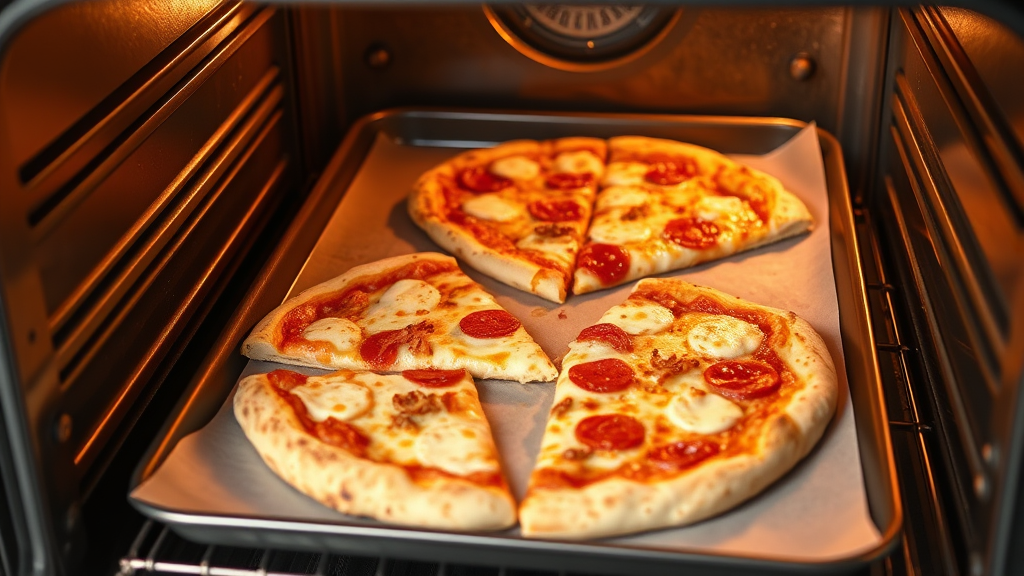
There’s nothing quite as disappointing as biting into a slice of reheated pizza that’s either soggy from the microwave or dried out from sitting too long. Whether you’ve got leftover slices from last night’s dinner or you’re dealing with day-old pizza that needs new life, knowing how to properly reheat pizza in the oven can transform those sad leftovers into something almost as good as fresh-baked.
The secret to perfectly reheated pizza lies in understanding the science behind what makes pizza great: a crispy crust, melted cheese, and properly heated toppings. When pizza sits overnight, the crust loses its crispness and the cheese hardens, but with the right oven technique, you can restore both texture and flavor to create slices that rival their original glory.
Why the Oven is the Best Method for Reheating Pizza
When it comes to reheating pizza, the oven stands out as the superior method for several scientific and practical reasons. Unlike microwaves, which heat food through moisture and can make crusts soggy, ovens use dry heat that helps restore the original texture of pizza crust while properly melting the cheese.
The oven’s ability to heat food evenly from all sides ensures that your pizza slice gets warmed through completely without creating hot spots or leaving cold centers. This even heat distribution is crucial for achieving the perfect balance between a crispy bottom crust and properly melted toppings. The USDA Food Safety and Inspection Service also recommends oven reheating as one of the safest methods for leftover foods.
Another advantage of oven reheating is control. You can adjust temperature, timing, and even add moisture or remove it as needed. This level of control allows you to customize the reheating process based on the type of pizza, thickness of crust, and your personal preferences for texture and doneness.
Essential Preparation Steps Before Reheating
Proper preparation is crucial for achieving optimal results when reheating pizza in the oven. Start by removing your pizza from the refrigerator 10-15 minutes before reheating. This allows the pizza to come closer to room temperature, which promotes more even heating and reduces the risk of a cold center with an overcooked crust.
While your pizza is coming to room temperature, preheat your oven to 375°F (190°C). This temperature strikes the perfect balance between heating the pizza through and crisping the crust without burning the toppings. A properly preheated oven ensures consistent results every time.
Choose the right baking surface for your pizza. A pizza stone or steel provides the best results as they retain and distribute heat evenly, creating a crispy bottom crust. If you don’t have either, a regular baking sheet works well, though you might want to place it upside down to create a flatter, more even surface. Some people prefer using aluminum foil for easy cleanup, but this can sometimes prevent proper crisping.
Consider the condition of your oven as well. A clean oven heats more efficiently and prevents unwanted flavors from affecting your pizza. If your oven needs attention, learning how to clean oven properly will improve all your cooking results.
Optimal Temperature and Timing Guidelines
The ideal temperature for reheating pizza in the oven is 375°F (190°C), though this can be adjusted slightly based on your specific situation. At this temperature, most pizza slices will be perfectly reheated in 8-12 minutes, depending on thickness and toppings.
For thin-crust pizza, start checking at the 6-8 minute mark. The thinner crust heats through quickly and can become overcooked if left too long. Thick-crust or deep-dish pizza may need 12-15 minutes to heat completely through to the center.
Here’s a timing guide based on pizza type:
- Thin crust pizza: 6-8 minutes at 375°F
- Regular crust pizza: 8-10 minutes at 375°F
- Thick crust pizza: 10-12 minutes at 375°F
- Deep dish pizza: 12-15 minutes at 375°F
- Stuffed crust pizza: 10-14 minutes at 375°F
Temperature variations can also be useful for specific results. If you want extra crispy crust, increase the temperature to 400°F (200°C) but reduce the time slightly. For delicate toppings that might burn easily, reduce to 350°F (175°C) and extend the time accordingly.
Different Oven Reheating Techniques Compared
There are several effective techniques for reheating pizza in the oven, each with its own advantages and ideal use cases. Understanding these methods will help you choose the best approach for your specific situation and preferences.
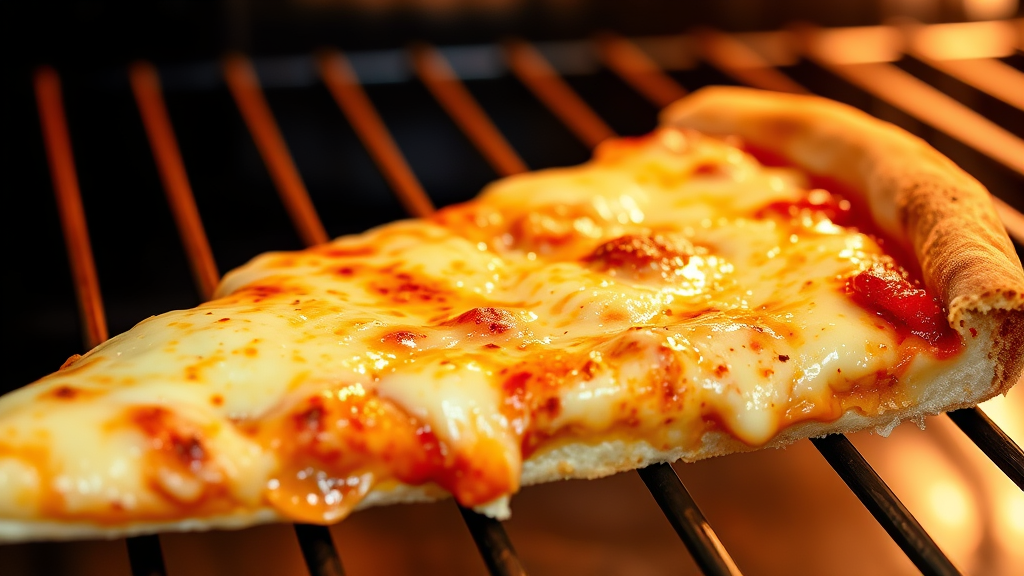
Direct Oven Rack Method: Placing pizza directly on the oven rack allows maximum air circulation and creates the crispiest crust possible. This method works best for pizza with sturdy crusts that won’t droop through the rack spaces. Place a baking sheet on the rack below to catch any drips.
Baking Sheet Method: This is the most common and versatile approach. Place pizza slices on a baking sheet, optionally lined with parchment paper or aluminum foil for easy cleanup. This method provides good results and is suitable for any type of pizza.
Pizza Stone/Steel Method: Using a preheated pizza stone or steel creates restaurant-quality results with an exceptionally crispy bottom crust. Preheat the stone in the oven for at least 30 minutes before adding the pizza for best results.
Foil Tent Method: For pizza with delicate toppings or if you’re concerned about the top browning too quickly, create a loose foil tent over the pizza. This reflects some heat while still allowing proper heating throughout.
According to Harvard University’s food science research, the key to successful reheating lies in managing moisture and heat distribution, which these various methods accomplish in different ways.
Troubleshooting Common Reheating Problems
Even with the best intentions, pizza reheating doesn’t always go perfectly. Understanding common problems and their solutions will help you achieve consistent, delicious results every time you reheat pizza in the oven.
Soggy Crust Solutions: If your reheated pizza consistently has a soggy bottom, the issue is usually insufficient heat from below or trapped moisture. Try using a pizza stone or placing your baking sheet on the lowest oven rack. You can also try the direct rack method or increase the temperature slightly while reducing the time.
Dried Out Toppings: When cheese and toppings become dried out or rubbery, it’s typically due to too high heat or too long cooking time. Lower the temperature to 350°F and extend the time, or create a foil tent to protect the toppings while the crust heats through.
Uneven Heating: Cold centers with hot edges usually indicate that the pizza was too cold when it went into the oven, or the temperature was too high. Always let pizza come closer to room temperature before reheating, and consider lowering the temperature while extending the time.
Burnt Edges: If the edges of your pizza are burning before the center is heated, try covering the edges with small pieces of aluminum foil or reducing the oven temperature by 25°F while extending the cooking time.
Proper Storage for Better Reheating Results
How you store leftover pizza significantly impacts how well it reheats. Proper storage techniques can make the difference between mediocre reheated pizza and slices that taste almost fresh-made.
The best method for storing pizza is to place slices in airtight containers with parchment paper between layers. This prevents the slices from sticking together while maintaining proper moisture levels. Avoid stacking slices directly on top of each other, as this can make the bottom crusts soggy from condensation.
For short-term storage (1-2 days), pizza can be stored at room temperature in airtight containers, though refrigeration is safer and recommended by food safety experts. The Centers for Disease Control and Prevention recommends refrigerating leftover pizza within 2 hours of cooking.
When refrigerating pizza, wrap individual slices in plastic wrap or aluminum foil before placing them in containers. This extra barrier helps prevent moisture loss and flavor absorption from other foods in the refrigerator. Properly stored refrigerated pizza maintains quality for 3-4 days.
For longer storage, pizza can be frozen for up to 2-3 months. Wrap slices individually in plastic wrap, then place in freezer bags with as much air removed as possible. Frozen pizza should be thawed in the refrigerator before reheating for best results.
Advanced Tips for Restaurant-Quality Results
Taking your pizza reheating skills to the next level involves understanding advanced techniques that professional kitchens use to maintain food quality. These methods can transform your leftover pizza into something that rivals freshly made slices.
Steam Addition Technique: For pizza that’s become dried out, place a small oven-safe bowl of water on the bottom rack while reheating. This creates steam that helps rehydrate the cheese and prevents further moisture loss without making the crust soggy.
Two-Stage Reheating: Start reheating at a lower temperature (325°F) for the first half of the cooking time, then increase to 400°F for the final few minutes. This ensures even heating throughout while finishing with a crispy crust and perfectly melted cheese.
Brush Technique: Lightly brush the crust edges with olive oil or melted butter before reheating. This enhances flavor and promotes better browning. You might even experiment with how to make garlic butter for an extra flavor boost.
Cheese Addition: If the original cheese has dried out significantly, sprinkle a small amount of fresh mozzarella or parmesan cheese on top before reheating. This adds moisture and improves the final texture.
Convection Settings: If your oven has a convection setting, use it at a temperature 25°F lower than standard settings. The circulating air creates more even heating and better crisping, similar to how professional pizza ovens work.
Professional chefs also emphasize the importance of timing and temperature control. According to research from MIT’s food science department, the key to maintaining food quality during reheating is minimizing the time food spends in the “danger zone” while maximizing heat transfer efficiency.
Consider pairing your perfectly reheated pizza with complementary beverages. Just as you might learn how to use a french press for the perfect coffee to accompany breakfast, understanding beverage pairing can enhance your pizza experience.
Frequently Asked Questions
How long does it take to reheat pizza in the oven?
Most pizza slices take 8-12 minutes to reheat properly in a 375°F oven. Thin crust pizza may only need 6-8 minutes, while thick crust or deep dish can take up to 15 minutes. The key is to watch for melted cheese and a crispy crust as indicators of doneness.
What temperature should I use to reheat pizza in the oven?
The optimal temperature for reheating pizza is 375°F (190°C). This temperature provides the best balance between heating the pizza through and achieving a crispy crust without burning the toppings. You can adjust to 350°F for delicate toppings or 400°F for extra crispy results.
Should I cover pizza with foil when reheating?
Generally, no. Covering pizza with foil can trap steam and make the crust soggy. However, if your pizza has delicate toppings that might burn, you can create a loose foil tent over the pizza, ensuring it doesn’t touch the surface. Remove the foil for the last few minutes to crisp the crust.
Can I reheat frozen pizza in the oven?
Yes, but it’s best to thaw frozen pizza in the refrigerator first for even heating. If reheating from frozen, increase the time to 15-20 minutes and start at a lower temperature (350°F) for the first 10 minutes, then increase to 375°F to finish. This prevents the outside from overcooking while the inside is still cold.
Why does my reheated pizza have a soggy crust?
Soggy crust usually results from trapped moisture or insufficient heat from below. Try placing your pizza directly on the oven rack, using a preheated pizza stone, or putting your baking sheet on the lowest oven rack. Make sure your oven is fully preheated before adding the pizza.
Is it safe to reheat pizza that’s been left out overnight?
According to food safety guidelines, pizza left at room temperature for more than 2 hours should not be consumed. Bacteria can multiply rapidly in the “danger zone” between 40°F and 140°F. For safety, refrigerate leftover pizza within 2 hours of cooking and reheat only properly stored pizza.
How do I prevent cheese from burning while reheating pizza?
To prevent cheese from burning, use a moderate temperature (375°F or lower) and watch the pizza carefully during the final minutes of reheating. If the cheese starts browning too quickly, reduce the temperature or create a loose foil tent over the pizza. Position the pizza on a middle or lower oven rack rather than the top rack.