
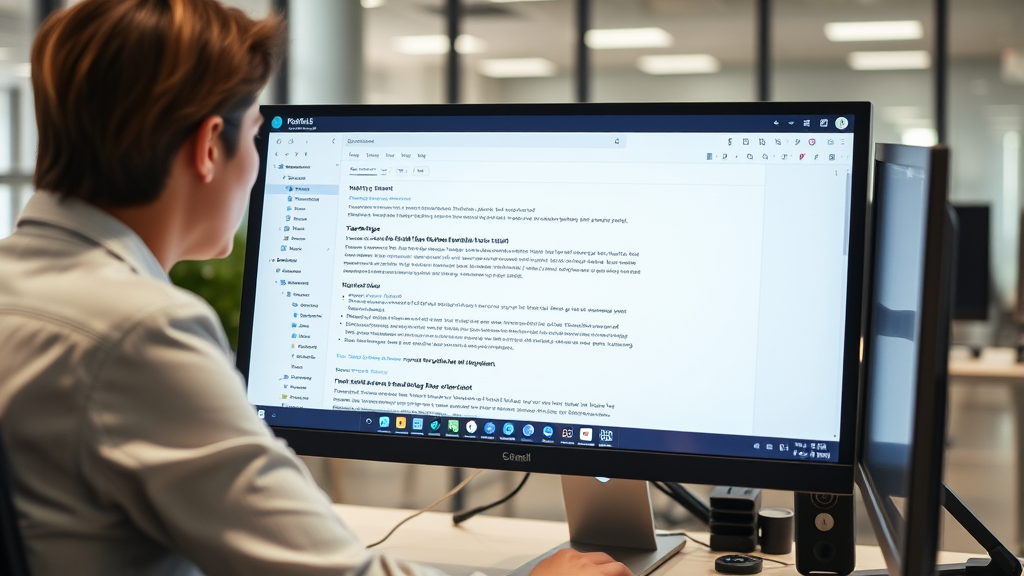
Master Outlook: Effortlessly Recall Sent Emails Every Time
Email communication has become the backbone of modern business and personal correspondence, but even the most careful sender occasionally hits “send” too quickly. Whether you’ve spotted a typo, forgotten an attachment, or realized you’ve sent sensitive information to the wrong recipient, the ability to recall an email in Outlook can be a lifesaver. This comprehensive guide will walk you through every aspect of email recall functionality in Microsoft Outlook, ensuring you never have to face the embarrassment of an irreversible email mistake again.
Understanding how to recall an email in Outlook is more than just knowing where to click – it’s about mastering the conditions, limitations, and best practices that determine whether your recall attempt will succeed. From the technical requirements to alternative solutions when recall isn’t possible, we’ll cover everything you need to become proficient in managing your sent emails effectively.
Understanding Email Recall in Outlook
Email recall in Microsoft Outlook is a feature that allows you to retrieve or replace emails you’ve already sent, provided specific conditions are met. This functionality works by sending a special recall message to the recipient’s mailbox, which attempts to delete the original email before it’s been read. The recall feature is particularly valuable in corporate environments where email management is critical for maintaining professional communication standards.
The recall mechanism operates through Microsoft Exchange Server, which means it only works within organizations using Exchange or Microsoft 365 environments. When you initiate a recall, Outlook sends a recall request that essentially asks the recipient’s email client to delete the original message. However, this process isn’t foolproof and depends on various factors including the recipient’s email client, whether they’ve already read the message, and their email server configuration.
It’s important to understand that email recall is not a guaranteed solution. The success rate varies significantly based on timing, technical setup, and user behavior. According to Microsoft’s Exchange documentation, recall attempts are most successful when performed immediately after sending and when both sender and recipient are using Outlook within the same Exchange organization.
Step-by-Step Guide to Recalling Emails
Learning how to recall an email in Outlook requires following a specific sequence of steps that must be executed quickly after sending. The process begins in your Sent Items folder, where you’ll locate the email you wish to recall. Here’s the detailed procedure:
First, open Microsoft Outlook and navigate to your Sent Items folder. Locate the email you want to recall – remember that time is crucial, so act as quickly as possible after realizing your mistake. Double-click on the email to open it in a separate window rather than viewing it in the preview pane, as the recall option is only available when the email is opened in its own window.
Once the email is open, look for the “Message” tab in the ribbon at the top of the window. Within this tab, you’ll find the “Actions” group, which contains the “Recall This Message” option. Click on this option to open the recall dialog box. If you don’t see this option, it likely means your email system doesn’t support recall functionality, or the message has already been delivered in a way that prevents recall.
In the recall dialog box, you’ll be presented with two options: “Delete unread copies of this message” or “Delete unread copies and replace with a new message.” The first option simply attempts to remove the original email, while the second allows you to send a corrected version. Choose the appropriate option based on your needs. If you select the replacement option, you’ll need to compose and send the new message immediately.
Finally, you can choose whether to receive confirmation about the recall attempt’s success or failure for each recipient. This notification feature is valuable for tracking which recipients received the original message and which had it successfully recalled. Click “OK” to initiate the recall process.
Conditions and Limitations for Successful Recall
The success of email recall in Outlook depends on numerous specific conditions that must be met simultaneously. Understanding these limitations is crucial for setting realistic expectations about when recall will work effectively. The most fundamental requirement is that both sender and recipient must be using Microsoft Outlook with Exchange Server or Microsoft 365 within the same organization.
Timing plays the most critical role in recall success. The recall request must reach the recipient’s mailbox before they open and read the original message. Once a recipient has read the email, the recall attempt will fail, and they’ll typically receive a notification that a recall was attempted. This notification often draws more attention to the original message than if no recall had been attempted.
The recipient’s email client configuration significantly impacts recall effectiveness. Users who access their email through web browsers, mobile apps, or third-party email clients like Apple Mail or Thunderbird will not honor recall requests. Additionally, if the recipient has configured rules that automatically move emails to specific folders, the recall message might not find the original email to delete it.
Network connectivity and server synchronization also affect recall success. If the recipient is offline or their email client isn’t synchronized with the Exchange server when the recall request arrives, the attempt may fail. Similarly, if emails are forwarded to external email addresses or accessed through POP3 or IMAP protocols, recall functionality becomes impossible.
According to research from NIST’s cybersecurity guidelines, email recall should never be considered a security measure for protecting sensitive information, as its reliability is insufficient for critical data protection scenarios.
Alternative Solutions When Recall Fails
When email recall isn’t possible or fails, several alternative approaches can help mitigate the situation. The most immediate action is to send a follow-up email acknowledging the error and providing correct information. This transparent approach often works better than attempting recall, as it demonstrates accountability and ensures recipients have accurate information.
For emails containing sensitive information sent to wrong recipients, immediate communication is essential. Contact the recipient directly via phone or in-person conversation to explain the situation and request that they delete the email without reading or sharing its contents. While this relies on trust and goodwill, it’s often more effective than technical solutions when recall fails.
Implementing email delay features can prevent future recall needs by providing a buffer period before emails are actually sent. Outlook’s delayed send feature allows you to specify a time delay of several minutes, giving you opportunity to review and potentially cancel emails before they’re delivered. This proactive approach is more reliable than reactive recall attempts.
For organizations handling sensitive information regularly, implementing data loss prevention (DLP) policies through Microsoft 365 can automatically scan outgoing emails for sensitive content and either block transmission or require additional approval. These preventive measures are far more effective than relying on recall functionality for data protection.
Best Practices for Email Management
Developing strong email management practices reduces the need for recall functionality while improving overall communication effectiveness. The foundation of good email practice is the draft-review-send workflow, where emails are composed as drafts, reviewed carefully, and only sent after verification of recipients, content, and attachments.
Creating standardized email templates for common communications reduces the likelihood of errors and ensures consistent messaging. Templates should include placeholder text for variable information, making it easier to spot missing or incorrect data before sending. Additionally, maintaining updated contact lists and using distribution groups instead of manually typing email addresses minimizes addressing errors.
The “reply vs. reply all” decision deserves special attention, as unnecessary “reply all” messages create communication clutter and potential privacy issues. Establish clear guidelines for when to use each option, and consider using the “Bcc” field when sending emails to large groups to protect recipient privacy and prevent accidental “reply all” storms.
Regular email client maintenance, including keeping Outlook updated and properly configured, ensures that features like recall work optimally when needed. According to CISA’s email security recommendations, maintaining current software versions is crucial for both functionality and security.
Troubleshooting Common Recall Issues
When recall attempts fail, understanding the specific reasons helps determine appropriate next steps. The most common issue is timing – if recipients have already read the email, recall will fail. In such cases, the recall notification actually highlights the original message, potentially causing more problems than the original error.
Technical configuration problems often prevent recall functionality from working properly. Verify that your Outlook client is properly connected to Exchange Server and that your email account has the necessary permissions for recall operations. Network connectivity issues or server synchronization problems can also interfere with recall attempts.
Recipients using different email clients or accessing mail through web interfaces won’t honor recall requests. This limitation is particularly common in mixed environments where some users access corporate email through mobile devices or alternative email clients. In these situations, direct communication with recipients becomes necessary.
Sometimes the “Recall This Message” option doesn’t appear in Outlook, indicating that recall isn’t supported for the specific email or configuration. This typically occurs when sending to external recipients, using certain email account types, or when the email has been delivered through systems that don’t support Exchange-based recall functionality.
For organizations experiencing frequent recall issues, consulting with IT administrators about email system configuration and user training can improve overall success rates. Proper Exchange Server configuration and user education about recall limitations are essential for optimal functionality.
Frequently Asked Questions
Can I recall an email sent to external recipients outside my organization?
No, email recall only works within the same Exchange organization or Microsoft 365 tenant. Emails sent to external recipients using different email providers (Gmail, Yahoo, etc.) cannot be recalled using Outlook’s recall feature. For external emails, you’ll need to send a follow-up message with corrections or contact the recipient directly.
What happens if the recipient has already read my email before I attempt recall?
If the recipient has already opened and read your email, the recall attempt will fail. Additionally, the recipient will typically receive a notification that you attempted to recall the message, which often draws more attention to the original email content. This is why timing is crucial for successful recall attempts.
How long do I have to recall an email after sending it?
There’s no specific time limit built into Outlook’s recall feature, but practical success depends on acting quickly. The recall must reach the recipient’s mailbox before they read the original message. Most successful recalls happen within minutes of sending, though the exact timeframe varies based on email delivery speed and recipient behavior.
Why don’t I see the “Recall This Message” option in my Outlook?
The recall option only appears when specific conditions are met: you must be using Outlook with Exchange Server or Microsoft 365, the email must be opened in a separate window (not preview pane), and the email must have been sent to recipients within your organization. If these conditions aren’t met, the recall option won’t be available.
Will I know if my email recall was successful?
Yes, you can choose to receive confirmation notifications when initiating a recall. Outlook will send you a message indicating whether the recall succeeded or failed for each recipient. However, keep in mind that even “successful” recalls might not work if recipients are using mobile devices or web-based email clients.
Can I recall an email that was sent using the Bcc field?
Yes, you can attempt to recall emails sent with Bcc recipients, but the same limitations apply. The recall request will be sent to all recipients, including those who were Bcc’d on the original message. However, Bcc recipients will see the recall notification, which might reveal that they were included in the original message.
Is there a way to prevent needing email recall in the first place?
Yes, several preventive measures can reduce the need for recall: use Outlook’s delayed send feature to create a buffer period before emails are sent, always review emails in draft form before sending, create and use email templates for common communications, maintain updated contact lists, and implement a consistent review process for important emails before sending them.

Related Posts

How Long to Boil Lobster Tails: Cooking Guide

How Long to Fly from New York to London? Travel Times
