
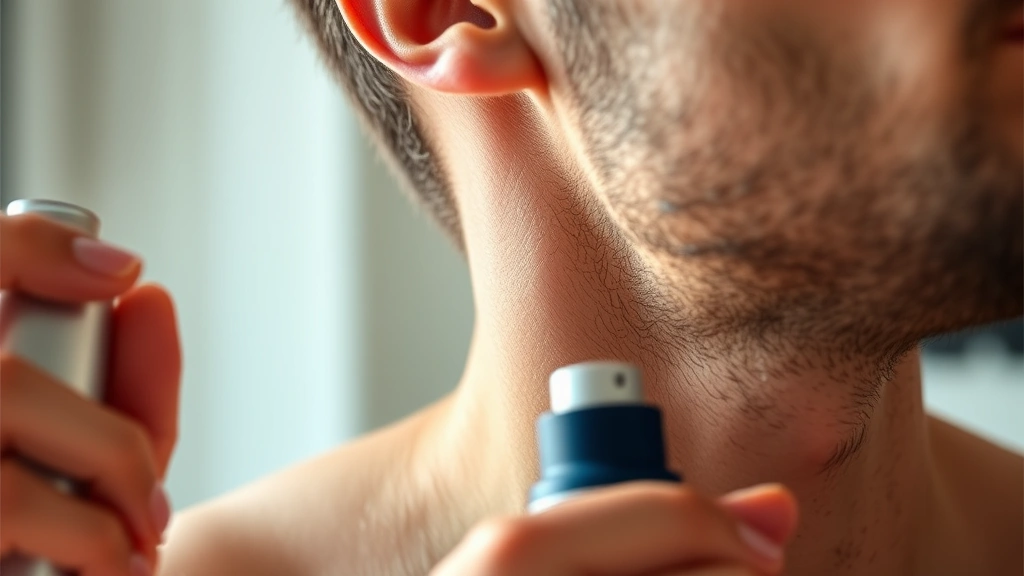
Applying Cologne: Tips from Fragrance Experts
Applying Cologne: Tips from Fragrance Experts
Cologne application might seem straightforward, but there’s a significant difference between simply spraying fragrance and applying it correctly to maximize longevity, projection, and overall impact. Many people make common mistakes that diminish their cologne’s effectiveness, such as rubbing their wrists together or applying too much product. Understanding the science behind fragrance application and learning professional techniques can transform your daily grooming routine and ensure your cologne performs optimally throughout the day.
Fragrance experts have spent years studying how scent molecules interact with skin chemistry, environmental factors, and personal habits. By following their evidence-based recommendations, you can elevate your cologne game and ensure you’re getting the best possible results from your investment in quality fragrances. This comprehensive guide will walk you through every aspect of proper cologne application, from preparation to troubleshooting common issues.
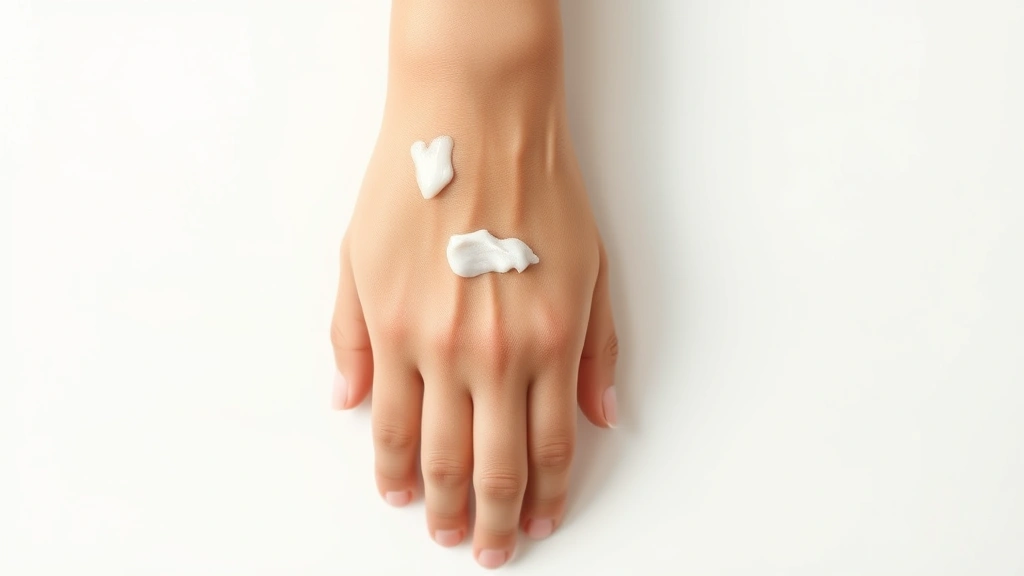
Preparing Your Skin for Cologne Application
Before you even open your cologne bottle, proper skin preparation is essential for optimal fragrance performance. Clean, moisturized skin provides the ideal foundation for cologne application. Start by showering with a fragrance-free or lightly scented body wash, as residual soap scents can conflict with your cologne. Pat your skin dry completely—damp skin can dilute the fragrance and reduce its staying power.
Moisturizing is a crucial but often overlooked step. Fragrance adheres better to hydrated skin and lasts significantly longer. Apply an unscented moisturizer or body lotion to the areas where you plan to apply cologne. If you’re concerned about product buildup, use a lightweight hydrating primer or simply apply moisturizer and wait a few minutes for it to absorb before applying your cologne. This preparation step can extend your fragrance’s longevity by several hours.
Temperature also affects how your skin receives cologne. Warm skin enhances fragrance diffusion, so consider applying cologne after a warm shower or on a warm day. If your skin tends to be on the cooler side, you might increase the number of application points or use slightly more product. Body temperature fluctuations throughout the day will naturally affect how your cologne performs, so understanding your personal skin conditions helps you adjust accordingly.
The Science Behind Fragrance Molecules
Understanding fragrance chemistry helps explain why certain application techniques work better than others. Cologne is composed of fragrant essential oils suspended in alcohol, typically containing 3-8% fragrance concentration. When you apply cologne, the alcohol evaporates quickly, allowing the aromatic molecules to interact with your skin’s natural oils and body chemistry.
The fragrance molecule interaction process is complex. Your skin’s pH, natural oil production, and individual microbiome all influence how a fragrance develops on your body. This is why the same cologne smells slightly different on different people—it’s not a defect but rather a personalized chemical reaction. Heat accelerates this molecular movement, which is why pulse points (areas where blood vessels are close to the skin surface) are ideal application locations. These warm areas help fragrance molecules disperse more effectively into the air.
The top, middle, and base notes of a fragrance are designed to reveal themselves over time. Top notes appear immediately and last 5-15 minutes. Middle notes emerge as the top notes fade and typically last 3-8 hours. Base notes are the longest-lasting component, sometimes persisting for 12+ hours. Proper application technique respects this natural progression and allows all three note categories to develop as intended by the fragrance creator.
Ideal Application Points on the Body
Fragrance experts consistently recommend applying cologne to pulse points—areas where your blood vessels are closest to the skin surface. These naturally warm zones accelerate fragrance diffusion and enhance longevity. The primary pulse points include the neck (on both sides below the jawline), inner wrists, behind the ears, and inside the elbows.
When applying to your neck, spray once on each side, positioning the nozzle about 6 inches from your skin. For your wrists, apply one spray to the inside of each wrist. Many people make the mistake of rubbing their wrists together after application; this actually breaks apart fragrance molecules and reduces longevity. Instead, let the alcohol evaporate naturally and allow the fragrance to settle into your skin.
Behind the ears is an often-forgotten application point that professional fragrance experts recommend. This area remains relatively undisturbed throughout the day and maintains consistent warmth, making it ideal for fragrance projection. Additionally, applying cologne to your chest, specifically to the area between your pectoral muscles, creates a natural diffusion point as body heat rises from your core.
For those looking to extend fragrance longevity, applying a small amount to your hair can be effective, though this should be done carefully to avoid staining or causing damage. Some people also apply fragrance to their clothing, particularly to jacket lapels or shirt collars. However, fragrance can sometimes stain delicate fabrics, so test this method cautiously. Your grooming routine should include how-to guides and tutorials for various personal care techniques.
Proper Spraying Technique
The mechanics of applying cologne correctly involve more than simply pressing the spray button. Hold the cologne bottle 6-8 inches away from your skin—this distance is optimal for creating a fine mist that distributes evenly across a larger area. If you spray too close, you’ll apply too much product in one concentrated spot, potentially overwhelming your senses and wasting fragrance. Conversely, spraying from too far away results in excessive alcohol evaporation before the fragrance reaches your skin.
Use a single, controlled squeeze of the spray button for each application point. Avoid holding the button down for extended periods, as this wastes product and creates an overpowering concentration. One spray per pulse point is the standard recommendation from fragrance and personal care experts. If you’re new to a particular cologne or prefer a lighter scent, start with one spray per location and adjust based on your preferences and feedback from others.
The angle at which you hold the bottle matters as well. Keep the bottle at a slight angle (approximately 45 degrees) to the skin, ensuring the spray nozzle remains unobstructed and the mist disperses evenly. Some people prefer to spray cologne in the air and walk through the mist, allowing it to settle on their body naturally. This technique works well for those sensitive to strong initial scent intensity, though it typically uses more product than direct application.
How Much Cologne to Apply
Determining the correct amount of cologne is a balance between adequate projection and avoiding overwhelming others around you. The general guideline from fragrance professionals is 3-4 sprays total per application, distributed across multiple pulse points rather than concentrated in one area. This typically translates to one spray per pulse point across your neck, wrists, and chest areas.
Several factors should influence your quantity decision. Your personal body chemistry affects how strongly a fragrance projects—those with naturally oily skin may need less cologne since fragrance adheres better to oil. Conversely, those with dry skin might benefit from slightly more product. The specific fragrance concentration also matters; eau de parfum (15-20% fragrance) requires less product than eau de cologne (2-4% fragrance) to achieve similar projection.
Environmental context matters significantly. In professional settings like offices or meetings, applying 2-3 sprays total is appropriate. For social events or evening occasions, 4-5 sprays might be suitable. During warm weather or outdoor activities, consider reducing your application amount since heat and air circulation increase fragrance projection naturally. In cooler seasons, you might increase slightly to compensate for reduced diffusion.
Many fragrance experts recommend the “wrist and neck” technique for everyday application: one spray on each inner wrist and one spray on each side of the neck. This four-spray total provides adequate projection for most situations without being excessive. Remember that fragrance perception is highly subjective, and what feels appropriate to you might seem strong to others, so seeking feedback from trusted friends can help calibrate your application amount.
Common Mistakes to Avoid
Understanding what not to do is just as important as knowing proper technique. One of the most common mistakes is rubbing your wrists together after applying cologne. This habit, likely carried over from applying perfume in past generations, actually breaks apart fragrance molecules and significantly reduces longevity. Instead, simply let the alcohol evaporate and allow the fragrance to settle naturally into your skin.
Applying too much cologne is another frequent error. Excessive fragrance can be unpleasant for those around you and often triggers headaches or respiratory sensitivity in others. More cologne doesn’t necessarily mean better performance—proper application technique matters more than quantity. If you find yourself reapplying cologne multiple times throughout the day, you might be using too much initially rather than needing more frequent applications.
Spraying cologne directly onto your clothes instead of your skin is a mistake that reduces fragrance performance. Fragrance is designed to interact with your body chemistry and skin warmth. When applied to clothing, it doesn’t benefit from these interactions and may stain delicate fabrics. Additionally, applying cologne immediately before getting dressed can cause the fragrance to dissipate before it properly settles into your skin.
Storing cologne improperly accelerates fragrance degradation. Keep your bottle away from direct sunlight, heat sources, and temperature fluctuations. Many people store cologne in bathrooms where humidity and temperature changes damage the fragrance. Instead, keep it in a cool, dark place like a bedroom closet or cabinet. Proper storage can extend your cologne’s lifespan and maintain its intended scent profile.
Layering Fragrances for Enhanced Performance
Fragrance layering is an advanced technique that maximizes longevity and creates a more complex scent profile. This involves using complementary fragrance products in the same scent family to build depth and lasting power. Many cologne brands offer matching body washes, aftershave balms, and body lotions designed to layer with their signature fragrances.
The layering process starts in the shower with a matching body wash. Using the same fragrance in your cleansing routine primes your skin and creates a subtle base layer. After showering, apply a matching aftershave balm or body lotion to damp skin, focusing on areas where you’ll apply cologne. These products are specifically formulated to enhance fragrance adhesion and provide additional moisturization. Finally, apply your cologne using proper technique to pulse points.
This multi-product approach creates a more robust fragrance experience that lasts significantly longer than cologne alone. The base layer from the body wash and moisturizer provides foundational scent, while the cologne adds projection and top notes. Together, they create a more dimensional scent experience that evolves naturally throughout the day. This technique is particularly effective for expensive or precious fragrances where you want to maximize performance and longevity.
For those without access to matching fragrance products, layering can still be accomplished using unscented or lightly scented moisturizers. The key is ensuring your skin is properly hydrated before applying cologne, which enhances fragrance adhesion regardless of whether the moisturizer contains complementary scent notes. You might also explore personal grooming guides for additional layering strategies.
Seasonal Adjustments and Environmental Factors
Fragrance performance varies significantly with seasonal changes and environmental conditions. During warm months, heat accelerates fragrance diffusion, so you might reduce your application amount or choose lighter fragrance concentrations like eau de toilette. Conversely, cold winter temperatures slow fragrance diffusion, so increasing your application amount or choosing richer fragrances with higher concentration percentages helps maintain adequate projection.
Humidity levels directly impact fragrance performance. High humidity enhances fragrance diffusion and projection, while dry conditions can suppress scent throw. In humid summer environments, a single spray per pulse point might provide adequate projection. In dry winter climates, you might increase to two sprays per location to compensate for reduced diffusion. Air circulation also affects perception—outdoor settings with breezes will disperse fragrance faster than enclosed indoor spaces.
Your activity level influences fragrance longevity. Physical exertion increases body temperature and perspiration, which accelerates fragrance evaporation. If you’re planning an active day, consider applying slightly more cologne or choosing a fragrance with higher concentration. Conversely, on sedentary days, standard application amounts will likely provide adequate performance throughout your waking hours.
Time of day affects fragrance choice and application. Morning applications should emphasize fresh, energizing fragrances that complement your daily activities. Evening occasions often call for richer, more complex fragrances applied with slightly more generous amounts. Understanding these contextual factors helps you make strategic decisions about fragrance selection and application that align with your lifestyle and personal preferences. Professional fragrance consultants at fragrance retailers can provide personalized guidance based on your specific needs.
Frequently Asked Questions
How long does cologne typically last after application?
Most colognes last 3-6 hours, though this varies based on fragrance concentration, skin type, and environmental factors. Eau de parfum formulations (15-20% fragrance) last longer than eau de toilette (5-15%). Proper application technique and skin preparation can extend longevity by several hours. Those with naturally oily skin typically experience longer-lasting fragrance performance.
Should I apply cologne before or after getting dressed?
Apply cologne to bare skin before getting dressed, allowing the fragrance to settle for 1-2 minutes before putting on clothes. This ensures the fragrance properly interacts with your skin chemistry and develops as intended. Applying cologne after dressing can trap fragrance between clothing and skin, reducing diffusion and projection.
Can I apply cologne to my hair?
Yes, applying cologne to hair can extend fragrance longevity, but use caution. Hair is more delicate than skin, and cologne’s alcohol content can potentially damage hair or cause dryness. Apply sparingly to the ends or crown area rather than directly to the scalp. Alternatively, spray cologne in the air and allow it to settle lightly on your hair.
What should I do if I’ve applied too much cologne?
If you’ve over-applied, resist the urge to wash it off immediately, as this can leave streaks and uneven scent distribution. Instead, gently dab the areas with a clean, dry cloth to absorb excess product. For future applications, use less product and remember that proper technique matters more than quantity.
Is it better to apply cologne daily or save it for special occasions?
You can safely apply cologne daily as part of your grooming routine. Quality colognes are formulated for regular use and won’t damage your skin. However, giving your skin occasional fragrance-free days can be beneficial. Some people prefer rotating between different fragrances to prevent olfactory fatigue, where your nose becomes so accustomed to a scent that you stop noticing it.
How should I store cologne to maintain its quality?
Store cologne in a cool, dark place away from direct sunlight and heat sources. Avoid bathroom storage where humidity and temperature fluctuations occur. A bedroom closet or cabinet is ideal. Keep the bottle tightly sealed when not in use to prevent alcohol evaporation. Properly stored cologne can maintain its quality for several years.
Can I apply cologne to my clothes instead of skin?
While some people apply cologne to clothing, this isn’t recommended by fragrance experts. Fragrance performs best when applied to skin where it can interact with your body chemistry and natural warmth. Applying to clothes reduces fragrance longevity and can potentially stain delicate fabrics. Stick to skin application for optimal results.
What’s the difference between cologne, eau de toilette, and eau de parfum?
These products differ primarily in fragrance concentration. Cologne contains 2-4% fragrance oils, eau de toilette contains 5-15%, and eau de parfum contains 15-20%. Higher concentration means longer-lasting fragrance and typically requires less product per application. Eau de parfum is most expensive but offers best longevity, while cologne is more affordable and suitable for casual daily wear.

Related Posts

Superscript in Google Docs: Expert Tips

Strikethrough in Excel: Easy Steps for Beginners
