

Pronounce Dachshund Correctly: Expert Tips
How to Pronounce Dachshund Correctly: Expert Tips and Pronunciation Guide
The dachshund is one of the most beloved dog breeds in the world, yet its name remains notoriously difficult for English speakers to pronounce correctly. Whether you’re a proud dachshund owner, considering adopting one, or simply want to impress fellow dog enthusiasts, mastering the correct pronunciation is easier than you might think. This comprehensive guide will break down the pronunciation of “dachshund” into manageable steps, explain the word’s German origins, and provide you with practical tips to say it confidently.
Many people stumble over this word because it’s derived from German, a language with pronunciation rules quite different from English. The good news is that once you understand the basic phonetic structure, you’ll be able to pronounce “dachshund” like an expert. We’ll explore multiple pronunciation methods, common mistakes to avoid, and even discuss regional variations you might encounter.
The Correct Pronunciation Broken Down
The correct pronunciation of “dachshund” is “DAKS-hund” or “DAKS-hoont” depending on how closely you want to follow the traditional German pronunciation. The most widely accepted English pronunciation is “DAKS-hund” with emphasis on the first syllable. Breaking this down further: the first part sounds like “daks” (rhymes with “facts”), and the second part sounds like “hund” (rhymes with “fund”).
The phonetic spelling would be: /ˈdɑːkshʊnd/ in International Phonetic Alphabet (IPA) notation. This represents the standard American English pronunciation that you’ll find in most modern dictionaries. The key to getting this right is understanding that the “ch” in the German word “Dachs” (badger) makes a guttural sound that English speakers often mispronounce.
Many people incorrectly say “dash-hound” or “dack-shund,” but these variations deviate from both the German origin and the accepted English standard. Understanding the correct version helps you communicate more effectively with veterinarians, breeders, and other dog lovers. If you’re interested in learning proper techniques for other challenging tasks, you might enjoy our guide on how to make a paper airplane, which teaches precision and attention to detail.
Understanding German Origins
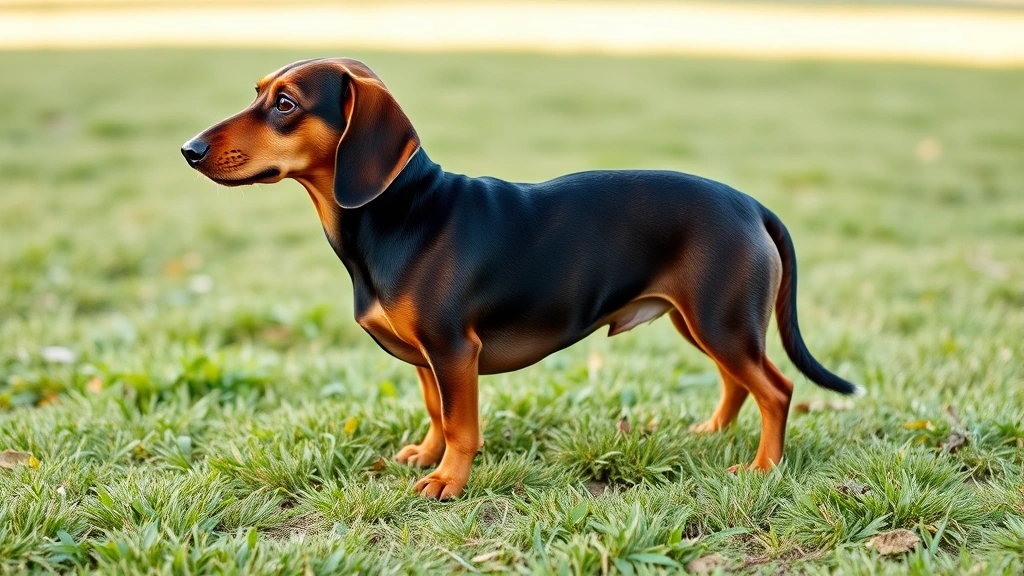
The word “dachshund” has fascinating etymological roots that directly influence its correct pronunciation. The breed’s name comes from two German words: “Dachs” meaning “badger” and “Hund” meaning “dog.” This combination literally translates to “badger dog,” which makes perfect sense when you learn that these dogs were originally bred in Germany during the 15th century to hunt badgers and other burrowing animals.
The German pronunciation of “Dachshund” is “DAHKS-hoont”, with a softer, more guttural “ch” sound that many English speakers find challenging. When German immigrants brought these dogs to English-speaking countries, the pronunciation gradually anglicized to become more comfortable for English speakers. However, the core pronunciation remained relatively unchanged.
Understanding this historical context helps explain why the pronunciation can seem unusual compared to other English words. The breed was recognized by the American Kennel Club in 1885, and by that time, English speakers had already begun adapting the pronunciation to fit English phonetic patterns. This is why you’ll sometimes hear slight variations in how people pronounce the word, depending on their linguistic background and familiarity with German.
Step-by-Step Pronunciation Guide
Let’s break down the pronunciation into clear, manageable steps that anyone can follow:
- Start with the first syllable: Say “daks” out loud. This should rhyme with words like “facts,” “backs,” and “tracks.” The “a” sound is short and crisp, not drawn out. Practice saying “daks” several times until it feels natural.
- Move to the second syllable: Now say “hund” (or “hoont” if you want a more authentic German pronunciation). This rhymes with “fund” or “bund.” The “u” sound is short and punchy, not elongated.
- Combine the syllables: Put them together: “DAKS-hund.” Make sure to emphasize the first syllable with a slightly louder, more pronounced tone. The second syllable should be quieter and more relaxed.
- Practice the flow: Say the full word several times in succession without pausing between syllables. This helps your mouth develop muscle memory for the correct pronunciation.
- Record yourself: Use your phone or computer to record yourself saying “dachshund.” Listen to the recording and compare it with audio from reputable sources like Merriam-Webster Dictionary, which provides audio pronunciations for difficult words.
This systematic approach ensures that you develop a proper understanding of each component before attempting the full word. Many language experts recommend this type of segmented practice for words borrowed from other languages.
Common Pronunciation Mistakes
Even with clear instructions, people frequently make the same pronunciation errors when saying “dachshund.” Being aware of these mistakes helps you avoid them:
- “Dash-hound”: This is perhaps the most common mistake. People often replace the “aks” sound with a simple “ash” sound, making it sound like “dash.” This completely changes the first syllable and makes the pronunciation incorrect.
- “Dack-shund”: Some people separate the syllables incorrectly, saying “dack” and then “shund.” This creates an unnatural break in the word and emphasizes the wrong parts.
- “Dough-shund”: Another frequent error involves changing the vowel sound in the first syllable to an “oh” sound, making it sound more like “dough.” This is incorrect and doesn’t reflect either the German or English pronunciation.
- “Dachshound”: Adding an extra vowel sound to create “dachshound” is a common mistake among people unfamiliar with the word. The correct pronunciation has only two clear syllables, not three.
- Mispronouncing the “ch”: Some English speakers try to pronounce the “ch” as it would sound in English words like “church” or “chase.” In “dachshund,” the “chs” combination should create a “ks” sound, not a “ch” sound.
Understanding why these mistakes happen is just as important as knowing the correct pronunciation. Most of these errors occur because English speakers try to apply English pronunciation rules to a German word. Once you recognize these patterns, you can consciously avoid them.

Regional Variations and Accents
It’s worth noting that pronunciation can vary slightly depending on regional accents and dialects, even within English-speaking countries. In the United States, the standard pronunciation is “DAKS-hund,” while in the United Kingdom and other Commonwealth nations, you might occasionally hear “DAKS-hoond” with a slightly different vowel sound in the second syllable.
These variations are generally considered acceptable and correct, as long as the first syllable maintains the “daks” sound and the overall emphasis remains on the first part of the word. Linguists and breed organizations typically accept both versions as equally valid pronunciations in English.
If you’re working with a veterinarian, breed club, or dog show judge, using the standard “DAKS-hund” pronunciation will ensure you’re understood immediately and correctly. However, don’t worry excessively about minor regional variations—the important thing is that you’re not making one of the common mistakes mentioned earlier.
Practice Techniques for Mastery
Mastering the pronunciation of “dachshund” requires consistent practice and engagement with the word in various contexts. Here are several proven techniques that can help you achieve fluency:
Repetition Method: The most basic but effective technique is simple repetition. Say “dachshund” out loud 10-20 times daily for a week. This builds muscle memory in your mouth and throat, making the correct pronunciation feel natural and automatic. You can do this while driving, exercising, or doing other routine activities like cleaning your coffee maker.
Listening Exercises: Watch videos of dachshund breed shows, veterinary clinics, or dog training sessions where professionals say the word naturally. The American Kennel Club (AKC) website contains numerous videos featuring breed experts pronouncing “dachshund” correctly. Listen to these repeatedly and try to mimic the pronunciation exactly.
Slow-Motion Pronunciation: Practice saying the word very slowly, exaggerating each syllable. Say “DAAAAAAKS-HUUUUND” with prolonged vowels. Then gradually speed up until you’re saying it at a normal pace. This helps you understand the mouth and tongue positions required for correct pronunciation.
Comparison Method: Say “dachshund” immediately after saying a word that rhymes with the first syllable, such as “backs” or “facts.” This reinforces the correct vowel and consonant sounds. Follow this with a word that rhymes with the second syllable, like “fund” or “fund.”
Contextual Usage: Practice using “dachshund” in sentences rather than saying it in isolation. Create sentences like “I love my dachshund” or “That dachshund is very friendly.” This helps the word feel more natural in your speech and improves your overall fluency.
Group Practice: If possible, practice with others who want to learn the correct pronunciation. Having a conversation where you both use the word correctly reinforces the learning and makes it more enjoyable. You might even challenge each other to use it in increasingly complex sentences.
Teaching Others the Correct Pronunciation
Once you’ve mastered the correct pronunciation of “dachshund,” you can help educate others. Many people appreciate being corrected gently and learning the right way to say things, especially when it comes to beloved dog breeds.
Use a Friendly Approach: When correcting someone, use a positive, non-judgmental tone. Instead of saying “You’re saying it wrong,” try “Did you know ‘dachshund’ is pronounced ‘DAKS-hund’?” This approach is more likely to be well-received and remembered.
Provide Context: Explain the German origins of the word, which helps people understand why the pronunciation might seem unusual. Knowing that “Dachs” means “badger” and “Hund” means “dog” makes the pronunciation more memorable and meaningful.
Demonstrate Multiple Times: Say the word several times so people can hear it clearly and understand the emphasis and syllable structure. Repetition helps with learning, so don’t be shy about saying it multiple times if someone seems unsure.
Create Memory Aids: Develop simple rhymes or comparisons that help others remember. For example: “It rhymes with ‘facts’ and ‘fund’—DAKS-hund.” These memory aids can be surprisingly effective for helping people retain the correct pronunciation.
Share Educational Resources: Direct people to the FixWiseHub Blog or other reputable sources where they can learn about the correct pronunciation themselves. This empowers them to continue learning and reinforces the information through multiple sources.
Teaching others also reinforces your own knowledge and confidence. Every time you explain the correct pronunciation to someone else, you’re strengthening your own understanding and fluency with the word.
FAQ
Is “dachshund” pronounced differently in Germany?
Yes, the German pronunciation is slightly different: “DAHKS-hoont” with a more guttural “ch” sound and a slightly different vowel in the second syllable. However, both the German and English pronunciations are correct in their respective contexts. English speakers typically use the anglicized version “DAKS-hund.”
What if I still can’t pronounce it correctly?
If you’re struggling, try breaking the word into even smaller parts. Practice “daks” separately from “hund” for several days before combining them. You can also ask a veterinarian or dachshund breeder to pronounce it for you, and record their pronunciation to listen to repeatedly.
Are there any online resources that show the pronunciation?
Absolutely! Websites like Dictionary.com and Merriam-Webster provide audio pronunciations of “dachshund” spoken by professional speakers. These are excellent resources for hearing the correct pronunciation from native English speakers.
Why is dachshund spelled so differently from how it sounds?
The spelling reflects the German origin of the word, where the pronunciation rules are different from English. The “chs” combination in German creates a “ks” sound, which is why “dachshund” doesn’t sound like it looks to English speakers. This is common with words borrowed from other languages.
Will people judge me if I mispronounce it?
Most people understand that “dachshund” is a difficult word and won’t judge you for mispronouncing it. However, learning the correct pronunciation shows respect for the breed’s heritage and helps you communicate more clearly with veterinarians, breeders, and other dog enthusiasts.
How long does it take to learn the correct pronunciation?
Most people can learn the correct pronunciation within a few days of consistent practice. With daily repetition for about a week, the pronunciation should feel natural and automatic. The key is consistent practice rather than the amount of time spent.

Related Posts

Superscript in Google Docs: Expert Tips

Strikethrough in Excel: Easy Steps for Beginners
