

How to Prepare Matcha? Expert Tips Inside
How to Prepare Matcha: Expert Tips Inside
Matcha has become a beloved beverage worldwide, prized for its vibrant green color, earthy flavor, and impressive health benefits. Whether you’re a seasoned matcha enthusiast or preparing it for the first time, mastering the proper preparation technique transforms this traditional Japanese tea into a silky, delicious drink. The difference between a mediocre matcha and an exceptional one often comes down to the details: water temperature, whisking method, and ingredient quality. This guide walks you through everything you need to know to prepare matcha like an expert, ensuring you get the most from this ancient ceremonial tea.
Matcha preparation isn’t complicated, but it does require attention to a few key factors. Unlike regular steeped tea, matcha is a finely ground powder that dissolves into hot water, creating a creamy suspension rather than an infusion. Understanding the science behind proper preparation helps you achieve consistent, delicious results every single time. From selecting quality matcha to mastering the traditional whisking technique, we’ll cover all the essentials that transform your matcha experience.
Understanding Matcha and Its Origins
Matcha originated in Japan centuries ago as part of the traditional tea ceremony, known as chanoyu. This ceremonial practice emphasizes mindfulness, respect, and the art of tea preparation. Unlike regular green tea, matcha comes from shade-grown tea plants, which increases their chlorophyll and amino acid content, giving matcha its distinctive bright green color and unique flavor profile. The shade-growing process also boosts L-theanine, an amino acid that promotes relaxation without drowsiness, making matcha a popular choice for those seeking sustained mental clarity.
The tea leaves used for matcha are stone-ground into an incredibly fine powder, creating a texture similar to powder sugar. This process preserves the entire leaf’s nutritional content, meaning you consume the whole tea plant rather than just the steeped water. Understanding this fundamental difference explains why matcha preparation differs so significantly from brewing loose-leaf or bagged tea. The goal is to create a smooth, evenly distributed suspension where the powder fully dissolves into the liquid, creating that signature creamy consistency.

Essential Equipment and Tools
Preparing matcha properly requires specific equipment that helps you achieve optimal results. While you can prepare matcha without traditional tools, investing in the right equipment significantly improves your experience and the final product quality.
- Matcha whisk (chasen): This traditional bamboo whisk is essential for proper matcha preparation. The whisk features fine tines that help break up clumps and incorporate air, creating the characteristic frothy texture. Bamboo whisks range from basic to premium quality, with higher-end versions offering better durability and superior whisking action.
- Matcha bowl (chawan): A traditional ceramic or porcelain bowl designed specifically for matcha preparation. These bowls feature a wide, shallow shape that provides ample space for whisking. The interior often has a slightly textured surface that helps grip the whisk.
- Matcha scoop (chashaku): A small bamboo spoon used to measure matcha powder. One scoop typically equals approximately one teaspoon of matcha. While not absolutely necessary, a matcha scoop ensures consistent measurements.
- Sifter or fine-mesh strainer: Essential for removing clumps from matcha powder before whisking. Even the finest matcha powder can clump during storage, and sifting prevents these lumps from creating a grainy texture in your final drink.
- Electric milk frother: A modern alternative to traditional whisking, an electric frother quickly creates a smooth, frothy matcha drink with minimal effort.
Selecting High-Quality Matcha Powder
The quality of your matcha powder directly impacts the final product’s taste, color, and nutritional value. Matcha comes in two primary grades: ceremonial and culinary. Ceremonial-grade matcha, used in traditional tea ceremonies, features a vibrant green color, smooth flavor, and superior ingredient purity. This grade costs more but delivers exceptional results when prepared as a standalone beverage. Culinary-grade matcha, while still nutritious, contains slightly coarser particles and more vegetal flavors, making it better suited for lattes, smoothies, and baking applications where other ingredients mask its taste.
When selecting matcha, look for a bright, vivid green color. Dull or yellowish matcha indicates older powder or improper storage conditions. The powder should have a fine, talc-like texture with no visible clumps or discoloration. Purchase from reputable suppliers, as many lower-quality products use additives or contain contaminants. Check packaging for origin information—Japanese matcha, particularly from regions like Uji, Nishio, and Enishida, generally offers superior quality. Store matcha in an airtight container away from light and heat, as exposure to these elements degrades the powder’s vibrant color and delicate flavor profile.
Water Temperature and Quality
Water temperature represents one of the most critical factors in matcha preparation. Using water that’s too hot damages matcha’s delicate flavor compounds and can create a bitter taste. Conversely, water that’s too cool prevents proper dissolution and results in a gritty, unsatisfying drink. The ideal temperature range for matcha preparation is 160-180°F (70-80°C). This temperature range allows the powder to dissolve smoothly while preserving the tea’s complex flavor notes.
To achieve the correct temperature without a thermometer, boil water and let it cool for approximately 3-5 minutes before use. If you have a variable-temperature electric kettle, set it to 175°F (80°C) for perfectly consistent results every time. Water quality also matters significantly. Filtered or spring water produces better results than tap water, which may contain chlorine or minerals that affect flavor. Hard water can interfere with matcha’s smooth texture, so using soft or filtered water is recommended for the best preparation experience.
Step-by-Step Preparation Method
Follow these detailed steps to prepare matcha like a professional:
- Measure your matcha: Use a matcha scoop or measuring spoon to add 1-2 teaspoons of matcha powder into your bowl. The amount depends on your preference for strength—use 1 teaspoon for a lighter drink or 2 teaspoons for a bolder flavor. For a standard serving, 1.5 teaspoons provides balanced flavor.
- Sift the powder: Place a fine-mesh sifter over your bowl and gently push the matcha powder through using the back of a spoon. This crucial step removes any clumps and ensures smooth dissolution. Even premium matcha can develop clumps during storage, and sifting prevents a gritty final product.
- Add a small amount of water: Pour 2-3 ounces of hot water (160-180°F) into the bowl. This creates a paste-like consistency that allows for proper whisking. Avoid adding all the water at once, as this makes whisking more difficult.
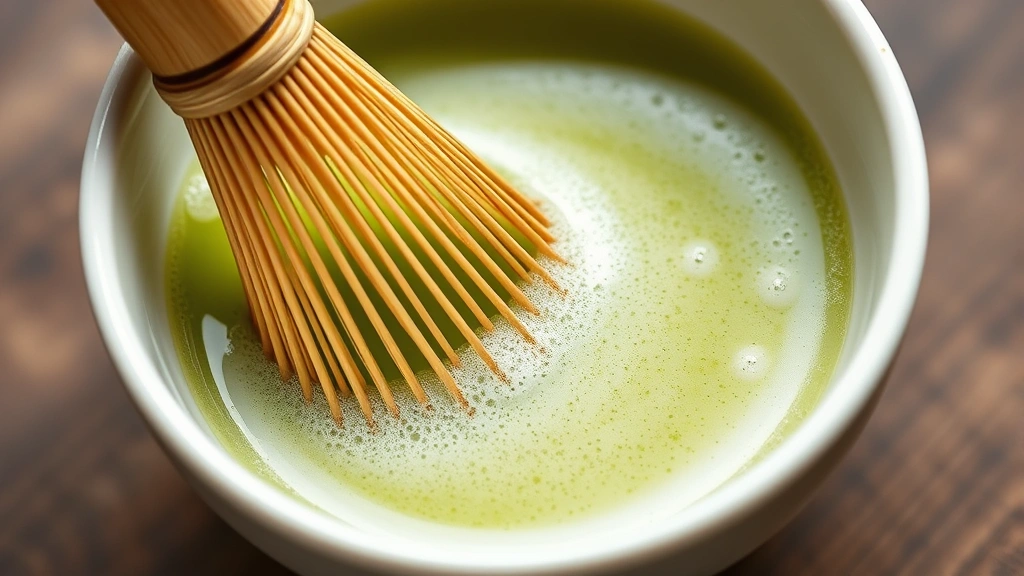
- Whisk vigorously: Using a matcha whisk, whisk the mixture in an M or W pattern for approximately 15-30 seconds. Apply firm, steady pressure as you whisk, creating a smooth, frothy suspension. The matcha should transform from a thin paste into a creamy, light green liquid with a slight foam on top.
- Add remaining water: Pour an additional 4-6 ounces of hot water into the whisked matcha, adjusting the amount based on your preferred strength and consistency. Stir gently to combine.
- Serve immediately: Transfer your prepared matcha to a drinking cup if desired, or drink directly from the bowl. Matcha is best consumed immediately after preparation while the flavor is most vibrant and the foam is still present.
Traditional Whisking Technique
The whisking technique is where matcha preparation truly becomes an art form. Proper whisking incorporates air into the matcha, creating the characteristic silky texture and light foam that defines an expertly prepared bowl. The traditional bamboo whisk features multiple fine tines that work together to break up clumps and distribute the powder evenly throughout the liquid.
Hold the whisk firmly but not rigidly, allowing your wrist to maintain flexibility as you whisk. Position the whisk near the bottom of the bowl and use quick, controlled movements in an M or W pattern. The goal isn’t to create large bubbles like you would when whisking eggs; instead, you’re creating millions of tiny air bubbles that give matcha its characteristic creamy texture. The whisking motion should feel natural and rhythmic, similar to maintaining consistent movements through repetitive tasks.
Quality bamboo whisks vary significantly in price and durability. Premium hand-crafted whisks from Japan offer superior performance and can last for years with proper care. After each use, rinse your whisk thoroughly under running water and stand it upright to dry. Store your whisk in a cool, dry place away from direct sunlight. If your whisk bristles become bent, you can carefully reshape them using steam from a kettle.
Common Mistakes to Avoid
Even experienced tea drinkers sometimes make mistakes when preparing matcha. Understanding these common pitfalls helps you consistently achieve excellent results:
- Using water that’s too hot: Boiling water scalds matcha, creating bitter, unpleasant flavors. Always allow boiled water to cool slightly before use. If you’re uncertain about temperature, let the water rest for 5 minutes after boiling.
- Not sifting the powder: Skipping the sifting step often results in a grainy texture and uneven flavor distribution. Even if the powder appears smooth, sifting ensures a superior final product.
- Adding all water at once: This makes whisking difficult and prevents proper incorporation. Always start with a small amount of water to create a paste, then whisk before adding the remaining water.
- Whisking too gently: Inadequate whisking results in a thin, bitter-tasting drink. Apply firm, steady pressure and maintain consistent movement for 15-30 seconds to achieve proper incorporation and froth.
- Using old or improperly stored matcha: Matcha degrades quickly when exposed to light, heat, or air. Store your powder in an airtight, opaque container in a cool location. Replace matcha every 2-3 months for optimal flavor.
- Measuring inconsistently: Using a matcha scoop or measuring spoon ensures consistent strength from preparation to preparation. Eyeballing measurements leads to unpredictable results.
Variations and Flavor Combinations
While traditional matcha preparation features just the powder and hot water, countless delicious variations exist. These adaptations allow you to customize matcha to your taste preferences while maintaining the tea’s nutritional benefits.
Matcha Lattes: Prepare your matcha as described above, then add steamed milk (dairy or non-dairy options like almond, oat, or coconut milk work beautifully). The creamy milk balances matcha’s earthy flavor and creates a comforting beverage. Add a touch of honey or agave nectar for subtle sweetness.
Iced Matcha: Prepare your matcha using the traditional method, then pour it over ice. This refreshing variation is perfect for warm weather and pairs well with milk and sweeteners. You can also prepare matcha directly in a glass with cold water and milk for a quicker cold version.
Matcha Smoothies: Blend prepared matcha with yogurt, fruit, honey, and milk to create nutritious breakfast smoothies. Culinary-grade matcha works particularly well in smoothies, as other ingredients mask any slight bitterness.
Flavored Matcha: Enhance your matcha with complementary flavors like vanilla, cinnamon, ginger, or cardamom. Add these flavoring agents either by stirring them into the prepared matcha or infusing them into the hot water before whisking.
Storage and Shelf Life
Proper storage is essential for maintaining matcha’s vibrant color, delicate flavor, and nutritional content. Matcha degrades more quickly than other teas due to its powder form, which increases surface area exposure to oxygen and light. Store matcha in an airtight, opaque container—many quality matcha products come in sealed tins or vacuum-sealed packages designed for optimal preservation. Keep your matcha in a cool, dark location, ideally between 50-70°F. The refrigerator or freezer works well for long-term storage, as the cool temperature significantly slows oxidation and flavor degradation.
Unopened matcha maintains its quality for 6-12 months, depending on storage conditions and initial freshness. Once opened, matcha is best consumed within 1-2 months for optimal flavor and nutritional benefits. If your matcha develops a dull color or musty smell, it has likely oxidized and should be discarded. Some people transfer matcha to smaller containers as they use it, minimizing the air space and reducing oxidation. This approach works well if you have a dedicated matcha routine, similar to maintaining consistent habits in other areas of your life.
FAQ
What’s the difference between ceremonial and culinary matcha?
Ceremonial-grade matcha features a vibrant green color, smooth flavor, and superior ingredient purity, making it ideal for traditional preparation as a standalone beverage. Culinary-grade matcha contains slightly coarser particles and more vegetal flavors, making it better suited for lattes, smoothies, and baking where other ingredients complement the tea.
Can I prepare matcha without a whisk?
While a traditional bamboo whisk is ideal, you can use an electric milk frother, small hand blender, or even a regular spoon to incorporate the matcha powder. However, these alternatives won’t create the same silky texture and froth as a proper whisk. An electric frother is the best alternative for achieving similar results.
How much matcha should I use per serving?
A standard serving uses 1-2 teaspoons of matcha powder. Use 1 teaspoon for a lighter, more delicate flavor or 2 teaspoons for a bolder, more robust taste. Most people find 1.5 teaspoons provides a well-balanced flavor.
Is matcha safe to drink every day?
Yes, matcha is generally safe for daily consumption. It contains beneficial compounds like L-theanine and catechins that support health. However, matcha does contain caffeine (approximately 25-70mg per serving depending on strength), so consuming large amounts late in the day might affect sleep. Pregnant women should consult their healthcare provider about matcha consumption.
Why does my matcha taste bitter?
Bitter matcha typically results from water that’s too hot, excessive whisking, or old matcha powder. Ensure your water temperature stays between 160-180°F, whisk for only 15-30 seconds, and use fresh matcha stored in proper conditions. If bitterness persists, try ceremonial-grade matcha from a reputable supplier.
Can matcha be mixed with milk directly?
Yes, you can add milk to your prepared matcha. For best results, prepare your matcha traditionally first, then add hot or cold milk. Adding milk directly to dry matcha powder makes whisking more difficult and can result in clumping. Some people prepare a matcha paste first, then add milk—this works well but differs slightly from traditional preparation.
How long does prepared matcha last?
Matcha is best consumed immediately after preparation while the flavor is most vibrant and the foam is still present. If you must store prepared matcha, refrigerate it in an airtight container for up to 24 hours. The flavor and texture will degrade over time, so fresh preparation always yields superior results.

Related Posts

Superscript in Google Docs: Expert Tips

Strikethrough in Excel: Easy Steps for Beginners
