
How to Pop Lower Back? Chiropractor’s Guide
How to Pop Lower Back: A Chiropractor’s Guide to Safe Spinal Manipulation
Lower back pain affects millions of people worldwide, and the desire to crack or pop the lower back is a common response to discomfort. That satisfying popping sensation—medically known as joint cavitation—can provide temporary relief, but understanding the proper techniques and safety considerations is essential before attempting any spinal manipulation at home. This comprehensive guide explores evidence-based methods for safely popping your lower back, when to seek professional help, and how to maintain long-term spinal health.
The lower back, or lumbar spine, consists of five vertebrae (L1 through L5) separated by intervertebral discs that absorb shock and allow movement. When these joints become stiff or misaligned, people often seek that characteristic popping sound as a form of relief. However, improper technique can lead to serious injury, muscle strain, or disc herniation. Learning the correct approach to lower back manipulation can help you safely manage minor discomfort while knowing when professional intervention from a chiropractor or physical therapist is necessary.
Understanding Lower Back Popping and Joint Cavitation
The popping sound you hear when cracking your back is called cavitation, a process that occurs when synovial fluid within joint capsules rapidly changes pressure. Your spine contains dozens of small joints called facet joints, each surrounded by a fluid-filled capsule. When you stretch or manipulate these joints, the pressure inside the capsule drops suddenly, causing dissolved gases (primarily nitrogen, oxygen, and carbon dioxide) to form bubbles. These bubbles collapse almost instantly, creating the distinctive popping or cracking sound.
This phenomenon isn’t harmful in itself, and the popping sensation often accompanies a feeling of relief and increased mobility. However, the relief is typically temporary, lasting only a few hours to a day. Research published in major medical journals indicates that while spinal manipulation can provide short-term pain relief for some individuals, it’s not a permanent solution for underlying spinal problems. The key is understanding that popping your back addresses symptoms, not root causes of pain.
Many people experience an urge to pop their lower back repeatedly throughout the day, similar to how some individuals frequently crack their knuckles. This habitual behavior can sometimes indicate underlying joint instability or muscular imbalances that require professional assessment. If you find yourself constantly seeking that popping sensation, it’s worth consulting a healthcare professional to identify any structural issues.
Safety Considerations Before Attempting Back Manipulation
Before you attempt any lower back manipulation, several safety factors deserve careful consideration. Your medical history, current medications, existing spinal conditions, and overall health status all influence whether home back popping is appropriate for you. Certain conditions make spinal manipulation dangerous and should always be evaluated by a professional before attempting any manipulation techniques.
Medical conditions that contraindicate self-manipulation include:
- Herniated or bulging discs in the lumbar spine
- Osteoporosis or advanced arthritis of the spine
- Recent spinal surgery or fusion procedures
- Spinal cord compression or myelopathy
- Severe degenerative disc disease
- Cauda equina syndrome symptoms (bowel/bladder dysfunction, severe leg weakness)
- Active inflammation or infection in the spine
- History of spinal fractures
If you experience any of these conditions, avoid self-manipulation entirely. Additionally, sudden onset of severe back pain, pain radiating down both legs, numbness in the saddle region (buttocks and inner thighs), or loss of bowel/bladder control warrant immediate medical attention rather than attempted self-treatment.
Before beginning any manipulation routine, assess your current pain level and flexibility. Attempting to force your back to pop when experiencing acute pain can worsen inflammation and cause muscle guarding, which paradoxically makes the problem worse. The best time to gently manipulate your lower back is when you’re experiencing mild stiffness rather than acute pain.
Safe Methods to Pop Your Lower Back at Home
Several gentle, evidence-supported techniques can help safely pop your lower back at home. These methods emphasize controlled movement and listening to your body’s feedback rather than forcing manipulation.
Technique 1: Knee-to-Chest Stretch with Gentle Rotation
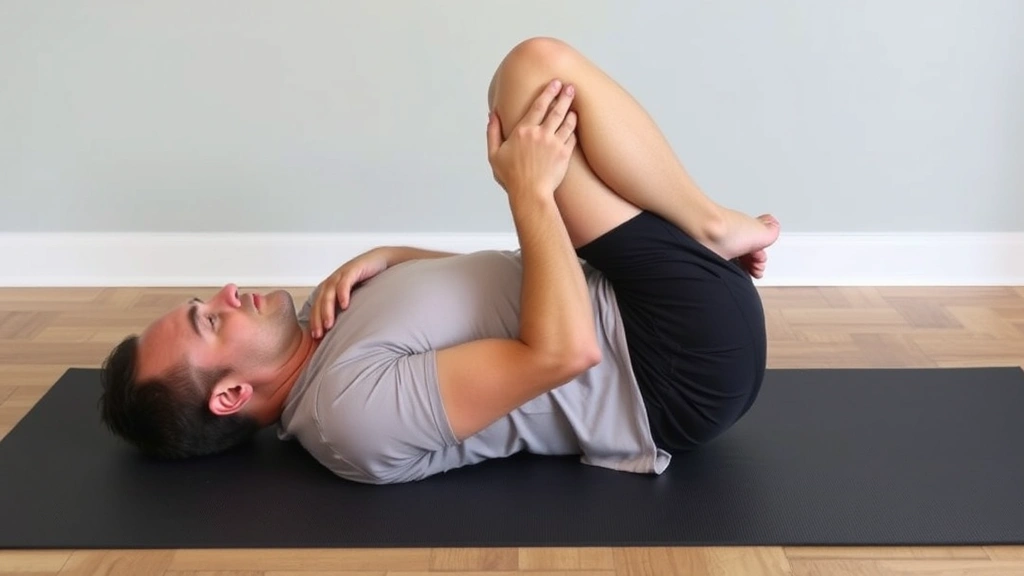
This foundational stretch helps mobilize lower lumbar joints safely. Lie on your back with knees bent and feet flat on the floor. Draw one knee toward your chest while keeping the other foot planted. Gently rotate your hips toward the bent knee side, creating a mild twist through your lower back. Hold this position for 20-30 seconds, breathing deeply. You may feel a gentle popping sensation as the joints mobilize. Return to center and repeat on the opposite side, performing 2-3 repetitions per side. This technique is particularly safe because gravity assists the movement and you maintain complete control over intensity.
Technique 2: Seated Lower Back Twist
Sit on a sturdy chair with feet flat on the floor, hip-width apart. Cross your right leg over your left knee, placing your right ankle on your left thigh. Gently twist your torso toward the right side, using your left arm to apply mild pressure against your right knee. Hold for 20-30 seconds while maintaining upright posture. This controlled rotation often produces safe cavitation in the lumbar facet joints. Repeat on the opposite side. The key is using gentle, sustained pressure rather than sudden jerking movements that can strain muscles.
Technique 3: Prone Spinal Extension
Lie face-down on a comfortable surface with your hands positioned near your shoulders, similar to the starting position of a push-up. Slowly press your upper body upward using your hands, arching your back gently. Only extend as far as comfortable—you’re not attempting a full push-up. Hold this position for 15-20 seconds, allowing your lower back joints to open and mobilize. This extension movement can facilitate cavitation, particularly in the lower lumbar segments. Perform 3-5 repetitions, resting between each one.
Technique 4: Child’s Pose with Rotation
Start on your hands and knees, then lower your hips toward your heels while extending your arms forward. In this relaxed position, gently shift your weight toward one side, creating a mild rotation and stretch through your lower back. Hold for 20-30 seconds, then shift toward the opposite side. This yoga-inspired pose combines gentle traction with rotation, creating ideal conditions for safe joint mobilization.

Technique 5: Standing Lower Back Extension
Stand with feet hip-width apart and hands placed on your lower back for support. Gently arch backward, using your hands to provide light support rather than forcing the movement. Extend only as far as feels comfortable—you should never experience sharp pain. Hold for 10-15 seconds and return to neutral. This standing extension is particularly useful throughout the day when you feel stiffness developing.
All these techniques share common principles: controlled movements, sustained stretches rather than bouncing or jerking, breathing throughout the exercise, and stopping immediately if you experience sharp pain. Gentle, consistent mobility work often proves more effective than aggressive manipulation attempts.
Professional Chiropractic Techniques
Licensed chiropractors employ sophisticated techniques developed through years of training and refined through clinical experience. Understanding what professionals do can help you appreciate why certain manipulations work better than others and when professional intervention becomes necessary.
Diversified Technique
This most common chiropractic method involves high-velocity, low-amplitude (HVLA) adjustments. The chiropractor positions your spine at the end of its normal range of motion, then applies a quick, controlled thrust to move the joint slightly beyond its normal range. This sudden movement creates the cavitation effect. The technique requires precise positioning and significant training to perform safely, which is why attempting this on yourself is dangerous—you cannot see your own spine’s position or apply force with the necessary precision and control.
Flexion-Distraction Technique
This gentler approach uses a specialized table that decompresses the spine while slowly flexing it through a range of motion. It’s particularly useful for individuals with disc problems or those who prefer less forceful manipulation. The technique gradually mobilizes joints without the sudden thrust of traditional adjustments.
Activator Method
Rather than manual thrusts, this technique uses a handheld instrument that delivers controlled, low-force impulses to specific spinal segments. It’s an excellent option for elderly patients, those with osteoporosis, or anyone uncomfortable with traditional manipulation.
When visiting a chiropractor, expect a thorough evaluation including medical history, physical examination, and often imaging studies before any manipulation occurs. Professional chiropractors identify contraindications and adjust their techniques accordingly. They can also address underlying causes of your back pain through targeted exercises, ergonomic advice, and lifestyle modifications that self-manipulation cannot provide.

When to Avoid Popping Your Back
Certain situations demand that you avoid attempting to pop your lower back, regardless of how much you want that satisfying sensation. Recognizing these danger zones protects your spine from serious injury.
Acute Pain Episodes
When experiencing sudden, severe lower back pain, your body is signaling that something requires attention. During acute pain phases, muscles naturally tighten to protect the injured area—a protective mechanism called muscle guarding. Attempting to manipulate your spine during this time can override this protective response and worsen underlying damage. Instead, rest, apply ice or heat as appropriate, and seek professional evaluation if pain persists beyond a few days.
Post-Surgical Recovery
After any spinal surgery or fusion procedure, your spine requires time to heal properly. Manipulation during the recovery period can disrupt healing tissues and compromise surgical results. Always follow your surgeon’s specific restrictions and obtain clearance before resuming any manipulation activities. Recovery timelines vary from weeks to months depending on the procedure.
Pregnancy
Pregnancy causes significant changes in spinal alignment and ligament laxity due to hormonal shifts. These changes make the spine more vulnerable to injury from manipulation. Additionally, certain manipulation positions can be uncomfortable or unsafe during pregnancy. Pregnant individuals should consult their obstetrician before attempting any spinal manipulation.
Inflammatory Conditions
Conditions like rheumatoid arthritis, ankylosing spondylitis, and other inflammatory spinal disorders require professional management. Manipulation can worsen inflammation or cause unpredictable reactions in these conditions. Always inform any healthcare provider about inflammatory conditions before attempting manipulation.
Neurological Symptoms
If you experience numbness, tingling, weakness, or loss of sensation in your legs or feet, avoid manipulation and seek immediate professional evaluation. These neurological symptoms indicate nerve involvement that requires proper diagnosis before any treatment.
Prevention and Long-Term Back Health
Rather than relying on periodic back popping to manage symptoms, developing comprehensive habits that support long-term spinal health proves far more effective. Prevention-focused approaches reduce your need for frequent manipulation while improving overall quality of life.
Core Strengthening Exercises
Your core muscles—including the abdominals, obliques, and deep spinal stabilizers—support your spine and reduce stress on individual joints. Regular core strengthening dramatically decreases back pain frequency and severity. Effective exercises include planks, bird dogs, dead bugs, and bridges. Aim for 15-20 minutes of core work 3-4 times weekly. Strong core muscles make your spine more resilient and reduce the urge to crack your back frequently.
Flexibility and Mobility Work
Regular stretching maintains spinal mobility and prevents the stiffness that leads to the desire to pop your back. Incorporate daily stretches targeting your hip flexors, hamstrings, glutes, and lower back. Yoga and Pilates are excellent practices that combine strengthening with flexibility work. Even 10-15 minutes of daily stretching provides significant benefits.
Ergonomic Optimization
How you sit, stand, and move throughout your day significantly impacts spinal health. Maintain neutral spine posture—ears aligned over shoulders, shoulders over hips, and hips over ankles. When sitting, keep your feet flat on the floor and avoid slouching. Position your computer monitor at eye level to prevent neck strain that often contributes to lower back compensation. Invest in a supportive office chair and take frequent breaks to stand and move. Proper ergonomics prevent the repetitive strain that causes chronic back stiffness.
Regular Movement and Activity
Sedentary lifestyle is one of the primary risk factors for chronic back pain. Regular physical activity—whether walking, swimming, cycling, or other low-impact exercise—keeps your spine mobile and muscles strong. Aim for at least 150 minutes of moderate activity weekly. Movement also improves circulation to spinal tissues and promotes overall well-being.
Weight Management
Excess body weight, particularly around the abdomen, increases stress on your lower back and contributes to poor posture. Maintaining a healthy weight through balanced nutrition and regular exercise reduces spinal strain and decreases pain frequency. Even modest weight loss of 5-10 pounds can significantly reduce back pain in overweight individuals.
Stress Management
Psychological stress causes muscle tension, particularly in the back and neck. Chronic stress-related muscle guarding can lead to persistent stiffness and the desire to frequently crack your back. Stress-reduction techniques like meditation, deep breathing, progressive muscle relaxation, and mindfulness practice improve both mental health and physical pain symptoms.
Sleep Quality
Poor sleep exacerbates pain perception and reduces your body’s ability to repair damaged tissues. Maintain consistent sleep schedules, ensure your mattress and pillows support proper spinal alignment, and create a relaxing bedtime routine. Quality sleep is one of the most underutilized tools for managing back pain.
By implementing these preventive strategies, you’ll likely find that the urge to pop your back decreases naturally as your spine becomes stronger, more mobile, and less prone to stiffness. This represents true progress—addressing root causes rather than managing symptoms.
FAQ
Is it safe to crack your own back?
Gentle self-manipulation using the techniques described in this guide is generally safe for most people without spinal pathology. However, forceful or aggressive self-cracking can cause muscle strain or disc injury. Always use controlled, gentle movements and stop if you experience sharp pain. If you have any spinal conditions or chronic pain, consult a professional before attempting self-manipulation.
Why does my lower back feel tight all the time?
Constant lower back tightness usually results from poor posture, weak core muscles, tight hip flexors, or muscle imbalances. Sedentary lifestyle, stress, and repetitive movements contribute to chronic tightness. Address this through core strengthening, regular stretching, ergonomic improvements, and increased movement throughout your day. If tightness persists despite these efforts, professional evaluation can identify underlying structural issues.
How often is it safe to pop your lower back?
There’s no established safe frequency for back popping. While occasional gentle manipulation is unlikely to cause harm, frequent cracking may indicate underlying joint instability or muscle weakness that requires professional attention. If you find yourself wanting to crack your back multiple times daily, this suggests your spine needs strengthening and stabilization work rather than repeated manipulation.
Can popping your back cause permanent damage?
Occasional gentle popping is unlikely to cause permanent damage in healthy spines. However, forceful or aggressive manipulation, particularly in individuals with disc problems or osteoporosis, can cause serious injury including disc herniation, fractures, or nerve damage. This is why professional technique and proper patient screening matter—chiropractors are trained to identify when manipulation is contraindicated.
What’s the difference between a chiropractor and a physical therapist?
Chiropractors specialize in spinal manipulation and typically focus on joint-based approaches to pain management. Physical therapists emphasize movement, exercise, and functional rehabilitation. Both professions can effectively treat back pain, often using complementary approaches. Your specific condition, preferences, and insurance coverage may influence which professional you choose. Many people benefit from combining approaches—chiropractic care for acute pain management alongside physical therapy for long-term strengthening.
Is spinal manipulation covered by insurance?
Many insurance plans cover chiropractic care and physical therapy, though coverage varies significantly by plan, provider, and diagnosis. Some plans require referrals from primary care physicians, while others allow direct access. Check your specific insurance policy or contact your provider to understand your coverage before scheduling appointments. This helps you avoid unexpected out-of-pocket costs.

Related Posts

Superscript in Google Docs: Expert Tips

Strikethrough in Excel: Easy Steps for Beginners
