
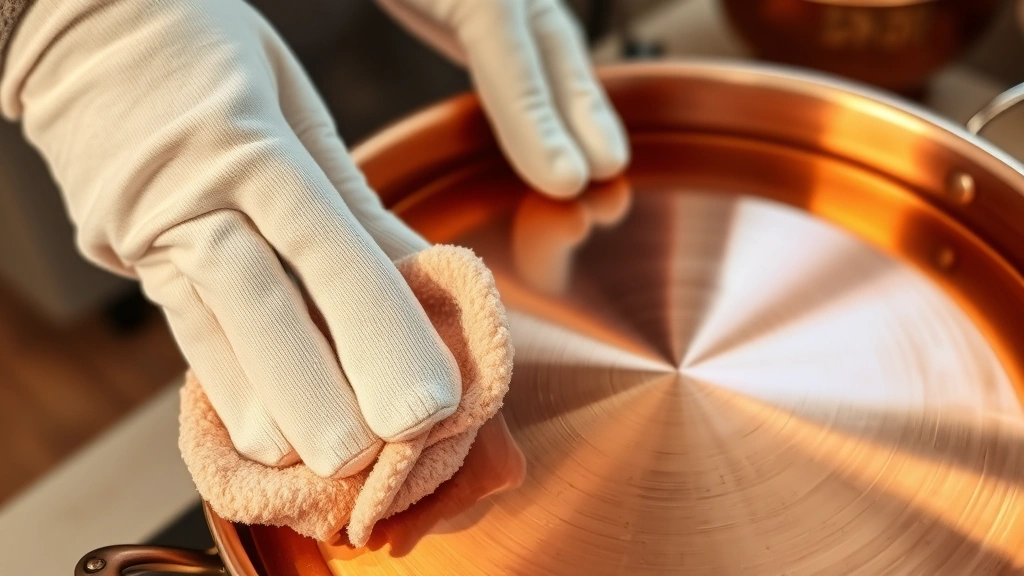
How to Polish Copper? Expert Tips Inside
How to Polish Copper: Expert Tips Inside
Copper is a beautiful and versatile metal that adds warmth and character to any home. Whether you have copper cookware, decorative items, or plumbing fixtures, keeping them polished and shiny is essential for maintaining their aesthetic appeal and functionality. Over time, copper develops a natural patina and oxidation, which can dull its luster and make it look aged or neglected. The good news is that polishing copper is a straightforward process that doesn’t require expensive professional services or harsh chemical treatments.
In this comprehensive guide, we’ll walk you through everything you need to know about polishing copper effectively. From understanding why copper tarnishes to exploring both commercial and natural polishing methods, you’ll discover practical techniques that work for different types of copper items. Whether you’re dealing with a treasured copper kettle, decorative wall hangings, or architectural elements, these expert tips will help you restore that brilliant shine and keep your copper looking pristine for years to come.
Why Copper Tarnishes and Oxidizes
Understanding why copper tarnishes is the first step toward effective maintenance. Copper naturally reacts with oxygen and moisture in the air through a process called oxidation. This creates a layer of copper oxide on the surface, which appears as a dull, brownish coating. Over time, copper also develops a green patina when exposed to water and humidity, which is copper carbonate. This oxidation process is completely natural and doesn’t indicate that your copper is damaged or defective.
The speed at which copper tarnishes depends on several factors, including humidity levels, air quality, and how frequently the item is handled. Items in kitchens or bathrooms, where moisture is higher, will tarnish more quickly than those in dry environments. Additionally, copper that’s regularly touched by hands will develop a natural patina from the oils in your skin. Salt air, pollution, and acidic environments can also accelerate the tarnishing process, which is why coastal homes and urban areas often see faster oxidation.
Preparing Your Copper for Polishing
Before you begin polishing, proper preparation ensures the best results and prevents damage to your copper items. Start by assessing the condition of your copper. If it has heavy tarnish, corrosion, or green patina, you may need to remove these layers first before polishing. For lightly tarnished copper, you can proceed directly to polishing.
Gather your materials before starting. You’ll need soft cloths or microfiber towels, which won’t scratch the copper surface. Avoid using rough materials like steel wool or abrasive scouring pads on fine copper items, as these can create permanent scratches. For items with intricate designs or hard-to-reach areas, soft-bristled brushes are helpful.
Clean the copper item thoroughly with warm water and mild dish soap to remove dust, dirt, and surface debris. Use a soft cloth or sponge to gently scrub the surface, then rinse completely with clean water. Dry the copper thoroughly with a soft cloth before applying any polishing product. Any moisture left on the surface can interfere with the polishing process and may create water spots.
For heavily tarnished copper, consider using a preliminary cleaning solution. A mixture of equal parts white vinegar and water can help break down heavy oxidation. Apply this solution with a soft cloth, let it sit for a few minutes, then scrub gently and rinse thoroughly. This step removes stubborn tarnish and prepares the surface for polishing.
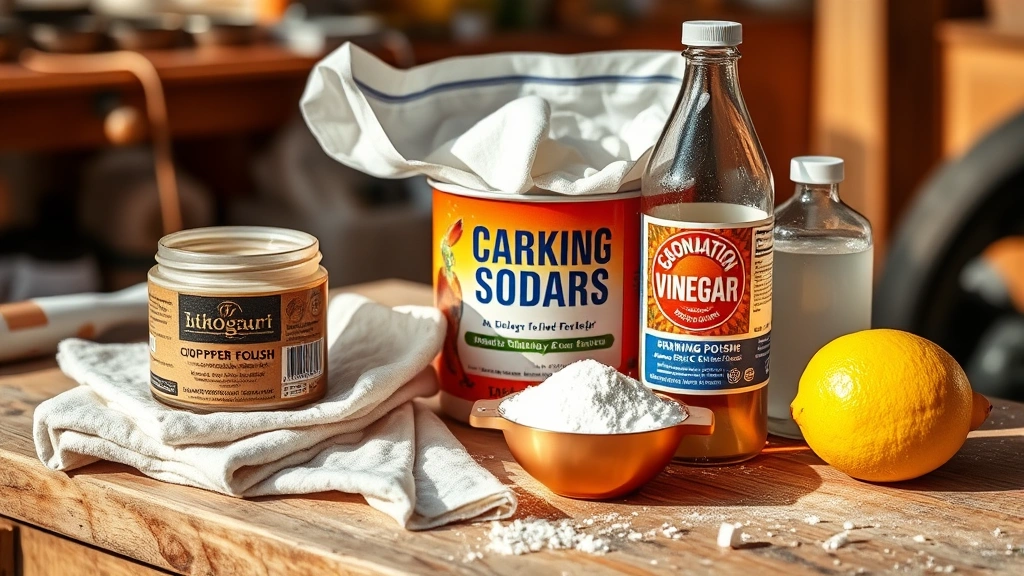
Commercial Copper Polishing Methods
Commercial copper polishes are specifically formulated to remove tarnish and restore shine effectively. These products come in various forms, including creams, liquids, and sprays. Many popular brands are readily available at hardware stores and online retailers like Home Depot or Lowe’s, making them convenient options for most homeowners.
Copper cream polishes are among the most popular choices. These thick, paste-like products contain mild abrasives and chemical compounds that dissolve tarnish. When applied and buffed properly, they effectively restore copper’s natural shine. Brands like Brasso and Bar Keeper’s Friend are widely trusted and deliver consistent results. These products work well on decorative items, cookware, and architectural elements.
Liquid copper polishes offer a different approach. These solutions often contain specialized chemical compounds that dissolve oxidation without requiring much physical rubbing. They’re particularly useful for delicate items or those with intricate designs where physical buffing might be difficult. Simply apply the liquid according to product instructions, allow it to work, and wipe clean.
Spray polishes provide convenience and even distribution. These aerosol products spray onto the copper surface and can be wiped clean quickly. While convenient, spray polishes may not be as effective on heavily tarnished copper compared to cream-based products. They work best as maintenance polishes for already-clean copper.
When selecting a commercial polish, check the product label to ensure it’s specifically designed for copper. Some multipurpose metal polishes may contain ingredients that aren’t ideal for copper. Always read and follow the manufacturer’s instructions carefully. Test any new product on a small, inconspicuous area first to ensure it doesn’t cause unwanted effects.
Natural and Homemade Polishing Solutions
If you prefer natural alternatives or want to avoid commercial chemicals, several household items effectively polish copper. These methods are economical, safe, and often just as effective as commercial products for light to moderate tarnish.
Vinegar and Baking Soda Method: This is one of the most effective natural solutions. Create a paste by mixing white vinegar with baking soda until you reach a spreadable consistency. Apply this paste to the tarnished copper and let it sit for about 15 minutes. The mild acidity of vinegar combined with the gentle abrasive properties of baking soda works to dissolve oxidation. Scrub gently with a soft cloth or soft-bristled brush, then rinse thoroughly with clean water and dry immediately.
Lemon and Salt Approach: Cut a lemon in half and dip it in salt, then rub it directly onto the copper surface. The citric acid in lemon combined with salt’s abrasive properties creates an effective polishing action. This method works particularly well for smaller items or decorative pieces. After polishing, rinse thoroughly and dry completely to prevent water spots.
Ketchup Solution: Believe it or not, ketchup contains acetic acid and other compounds that effectively remove copper tarnish. Apply ketchup directly to the tarnished areas, let it sit for a few minutes, then rub with a soft cloth. This unconventional method works surprisingly well for light tarnish and is completely safe for food-contact surfaces like copper cookware.
Worcestershire Sauce Method: Similar to ketchup, Worcestershire sauce contains acids that dissolve copper oxidation. Apply it with a soft cloth, let it work for a few minutes, then buff and rinse. This method is excellent for items that will contact food.
Cream of Tartar and Lemon Juice: Mix cream of tartar with fresh lemon juice to create a paste. This combination provides both gentle abrasion and acid-based tarnish removal. Apply, let sit briefly, then scrub gently and rinse thoroughly.
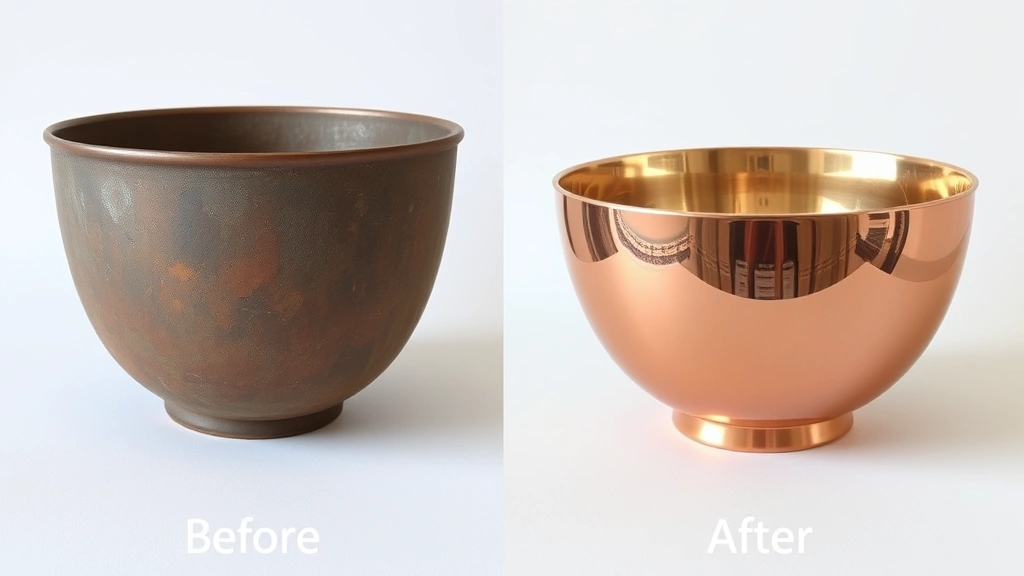
Step-by-Step Polishing Technique
Proper technique ensures effective polishing without damaging your copper items. Follow these steps for the best results regardless of which polishing product you choose.
Step 1: Clean the Surface Start with a clean copper item. Wash it with warm soapy water, scrub gently to remove dust and debris, rinse thoroughly, and dry completely with a soft cloth. Any moisture or dirt will interfere with the polishing process.
Step 2: Apply the Polish If using cream polish, apply a small amount to a soft cloth rather than directly onto the copper. For liquid or spray products, follow the manufacturer’s instructions. Use a gentle, circular motion to apply the polish evenly across the surface. Don’t use excessive amounts, as more product doesn’t mean better results.
Step 3: Work in Sections Divide larger items into manageable sections. Polish one section completely before moving to the next. This ensures thorough coverage and prevents the polish from drying unevenly. For items with intricate designs, use a soft-bristled brush or old toothbrush to work polish into crevices and detailed areas.
Step 4: Buff the Surface After applying polish, use a clean, soft cloth to buff the copper in circular motions. This buffing action removes the polish residue and brings out the shine. Use moderate pressure, avoiding aggressive scrubbing that could scratch the surface. Continue buffing until no residue remains and the copper gleams.
Step 5: Rinse Thoroughly Wash the polished item with clean water to remove all polish residue. Any remaining polish will dull the finish and potentially cause spotting. For items that won’t be used with food, you can skip rinsing if using natural polishing methods like vinegar and baking soda, but rinsing is still recommended for best results.
Step 6: Final Drying Dry the copper immediately with a soft, lint-free cloth. Water spots can form if you allow the item to air dry. This final step is crucial for achieving that perfect mirror-like shine. Store the item in a dry location to minimize future tarnishing.
Protecting and Maintaining Your Polish
Once you’ve achieved that beautiful copper shine, protecting it extends the time between polishing sessions. Several strategies help maintain your copper’s lustrous appearance.
Reduce Exposure to Moisture: Store copper items in dry locations away from humid environments. If you have decorative copper pieces, avoid placing them near windows or in bathrooms where moisture is high. Keep copper cookware dry after washing, and wipe it immediately after use.
Apply Protective Coatings: Certain clear lacquers and protective sprays create a barrier between copper and the air, significantly slowing oxidation. These products are available at hardware stores and are easy to apply. Always follow product instructions carefully, and ensure proper ventilation when applying. Test on a small area first, as some coatings can slightly alter the copper’s appearance.
Handle with Care: Minimize handling of polished copper, as natural oils from your skin can cause spotting and uneven patina development. When you must handle items, consider wearing cotton gloves to protect the finish.
Regular Gentle Cleaning: Dust copper items regularly with a soft cloth to prevent dirt accumulation. This simple maintenance prevents the need for intensive polishing sessions. For daily cleaning of copper cookware, warm soapy water and a soft cloth are sufficient.
Avoid Harsh Conditions: Keep copper away from salt air if possible, as salt accelerates oxidation significantly. If you live in a coastal area, store valuable copper items indoors and clean them more frequently. Similarly, protect copper from acidic environments and pollution.
Polishing Special Copper Items
Different copper items require slightly different approaches based on their construction, age, and intended use.
Copper Cookware: If you’re polishing copper cookware, ensure any products used are food-safe. Natural methods like vinegar and baking soda or lemon-based solutions are excellent choices. Avoid harsh chemical polishes on items that contact food. Focus on the exterior for aesthetic purposes, but keep the interior clean and food-safe as well. Remember that some copper cookware has stainless steel interiors, so polish only the copper exterior.
Antique Copper Pieces: Antique and vintage copper requires careful handling. Test any polishing method on an inconspicuous area first. Some collectors prefer to preserve the patina on antique items rather than restore full shine, as the patina adds character and historical authenticity. If you do polish antique copper, use gentle methods and avoid aggressive scrubbing that could damage the patina or remove valuable aging characteristics.
Copper Jewelry: For cleaning copper jewelry, use gentle methods to avoid damaging delicate pieces or gemstones. The vinegar and baking soda paste works well for solid copper jewelry. For pieces with gemstones or intricate settings, use a soft-bristled brush and avoid submerging in water for extended periods. Consider professional cleaning for valuable or irreplaceable pieces.
Copper Plumbing Fixtures: Copper pipes and fixtures benefit from occasional polishing to maintain appearance. Use commercial creams or natural methods, ensuring you don’t apply anything that could interfere with water quality. Rinse thoroughly after polishing. For functional fixtures, focus on the visible exterior areas.
Decorative Copper Art: Sculptures, wall hangings, and decorative pieces can be polished using your preferred method. For pieces with multiple materials, test products carefully to ensure they won’t damage other components. Intricate artwork may require soft-bristled brushes and patient work to reach detailed areas.
For items similar to polishing silver, copper follows comparable principles, though copper typically requires less frequent maintenance and responds well to natural solutions.
Frequently Asked Questions
How often should I polish my copper items?
The frequency depends on environmental conditions and how much the item is used or handled. Decorative pieces in dry homes might need polishing only once or twice yearly. Items in humid environments or that are frequently touched may need polishing every few months. Regular gentle cleaning extends the time between polishing sessions significantly.
Is it safe to use vinegar and baking soda on all copper items?
Vinegar and baking soda are safe for most solid copper items, but test on inconspicuous areas first, especially on antique or valuable pieces. Avoid using this method on items with delicate gemstones or inlays, as vinegar could affect adhesives or other materials. For food-contact surfaces, this method is completely safe and actually preferred over chemical polishes.
Why does my copper tarnish so quickly?
Quick tarnishing indicates high humidity, salt air, or pollution in your environment. Coastal areas and humid climates experience faster oxidation. Additionally, frequent handling and exposure to water accelerate tarnishing. If tarnishing is rapid, consider applying protective coatings or storing items in dry, sealed containers.
Can I polish copper with steel wool?
Steel wool should be avoided on fine copper items because it creates permanent scratches and can damage the surface. For heavily corroded copper that requires aggressive cleaning, use very fine steel wool (0000 grade) with extreme caution, working gently. For most polishing tasks, soft cloths and soft-bristled brushes are superior choices.
What’s the difference between polishing and lacquering copper?
Polishing removes tarnish and restores shine through mechanical and chemical action. Lacquering applies a protective clear coating that prevents future oxidation. Many people use both methods together: polish the copper to restore shine, then apply lacquer to maintain that shine longer. The lacquer creates a barrier between copper and air.
Is Brasso safe for food-contact surfaces?
While Brasso is a popular commercial polish, it contains chemical compounds that aren’t ideal for food-contact surfaces. For copper cookware or items that contact food, use natural methods like vinegar and baking soda, lemon juice, or ketchup instead. Always rinse thoroughly regardless of the polishing method used.
How do I remove green patina from copper?
Green patina (copper carbonate) responds well to vinegar and baking soda paste or lemon-salt methods. These solutions dissolve the patina effectively. For heavy patina buildup, let the solution sit longer before scrubbing. Multiple applications may be necessary for thick patina layers. Commercial copper cleaners also work well for patina removal.
Can I polish copper in the dishwasher?
No, putting copper in the dishwasher isn’t recommended. The high heat, harsh detergents, and aggressive water jets can damage the copper and create spotting. Always hand wash copper items with warm soapy water and dry them immediately. This gentle approach preserves the finish and extends the time between polishing.
What causes water spots on copper?
Water spots form when mineral-rich water dries on copper, leaving behind mineral deposits. Hard water is particularly problematic. Prevent water spots by drying copper immediately after washing with a soft cloth. If spots appear, wipe them away with a cloth slightly dampened with distilled water, then dry immediately.
How can I make my copper shine like new?
For like-new shine, start with thorough cleaning, then use cream-based commercial polish or vinegar and baking soda paste. Buff thoroughly with a soft cloth to remove all residue. Apply protective lacquer if desired to maintain the shine longer. Regular gentle maintenance between deep polishes keeps copper looking newer longer.

Related Posts
Prevent Razor Bumps? Dermatologist Advice
Prevent Razor Bumps: Expert Tips and Tricks
