
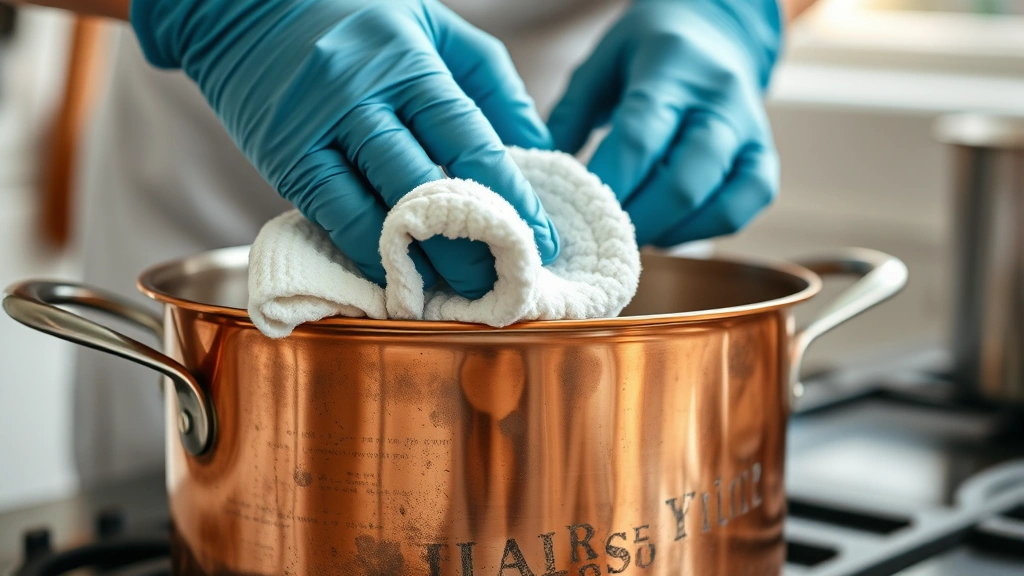
Polish Copper Easily: Expert Tips Revealed
How to Polish Copper Easily: Expert Tips Revealed
Copper is a beautiful metal that adds warmth and character to any home, but it naturally oxidizes over time, developing a dull patina or green verdigris. Whether you have copper cookware, decorative items, or architectural elements, learning how to polish copper properly will restore its brilliant shine and extend its lifespan. This comprehensive guide reveals professional techniques that make the process straightforward and effective, even for beginners.
Polishing copper doesn’t require expensive commercial products or specialized equipment. With the right knowledge and readily available materials, you can achieve stunning results that rival professional restoration work. We’ll walk you through proven methods, explain why each technique works, and help you choose the best approach for your specific copper items.
Why Copper Tarnishes and Oxidizes
Understanding why copper tarnishes helps you prevent future damage and choose appropriate polishing methods. Copper is a reactive metal that naturally oxidizes when exposed to oxygen and moisture in the air. This chemical reaction creates a layer of copper oxide, which appears as a dull, brownish coating on the metal’s surface.
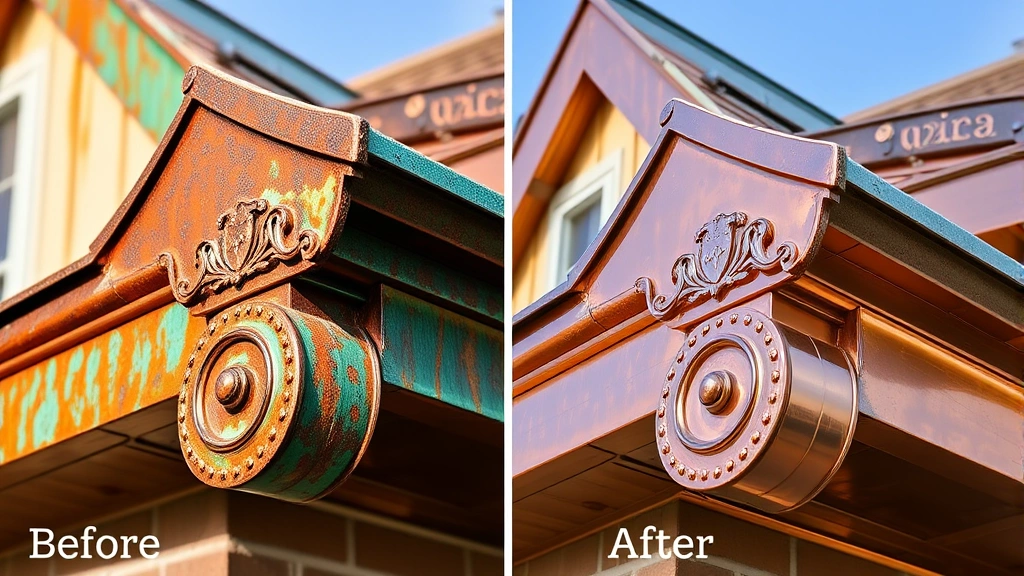
Over extended periods, copper develops a green patina called verdigris, which is copper carbonate. While some people appreciate the aesthetic of aged copper, most prefer the bright, reflective finish of polished copper. The tarnishing process accelerates in humid environments, near salt water, or in areas with high pollution levels. Indoor copper items typically tarnish more slowly than outdoor pieces.
When you’re learning how-to guides and home maintenance techniques, understanding the science behind material degradation helps you work more effectively. This knowledge allows you to select polishing methods that address the specific type of oxidation affecting your copper items.
Essential Tools and Materials You’ll Need
Before starting any copper polishing project, gather the necessary supplies. Having everything prepared ensures a smooth, efficient process and prevents interruptions while you’re working.
- Soft cloths: Use microfiber cloths, cotton rags, or old t-shirt material. Avoid abrasive fabrics that scratch copper.
- Soft-bristled brush: A natural bristle brush or soft-bristled toothbrush works well for detailed areas.
- White vinegar: Standard household vinegar contains acetic acid, which dissolves copper oxide effectively.
- Baking soda: This mild abrasive works gently on copper without causing damage.
- Lemon juice: Fresh lemon juice contains citric acid, another excellent copper tarnish remover.
- Salt: Combines with vinegar or lemon juice to enhance polishing power.
- Rubber gloves: Protect your hands from acidic solutions and prevent skin oils from transferring to the copper.
- Newspaper or drop cloth: Protects your work surface from moisture and residue.
- Small bowls: Use for mixing polishing solutions.
- Water: For rinsing and final cleaning.
Optional but helpful items include copper polish specifically formulated for your item type, soft brass brushes for stubborn tarnish, and clear protective coatings to prevent future oxidation. Many home improvement retailers like Lowe’s carry specialized copper care products if natural methods prove insufficient.
The Vinegar and Salt Method
This time-tested approach combines two common household ingredients into a powerful copper-cleaning solution. The acetic acid in vinegar reacts with copper oxide, while salt acts as a gentle abrasive to help remove the tarnish layer.
Step-by-step process:
- Pour one cup of white vinegar into a bowl and add one tablespoon of salt, stirring until the salt dissolves completely.
- Submerge small copper items in the solution, or apply it to larger pieces using a soft cloth. For decorative items, you can soak them for 15-30 minutes.
- Use a soft-bristled brush to gently scrub the copper surface in circular motions, focusing on heavily tarnished areas.
- Rinse thoroughly under running water to remove all vinegar and salt residue.
- Dry immediately with a clean, soft cloth to prevent water spots and new oxidation.
- For extra shine, buff the copper with a dry microfiber cloth using gentle, circular motions.
This method works exceptionally well on copper cookware, small decorative items, and jewelry. The solution is safe, non-toxic, and environmentally friendly. However, avoid this method on antique copper with special finishes, as the acid may damage patinas that add historical value.
Lemon Juice and Baking Soda Technique
If you prefer a gentler approach or have sensitive skin, lemon juice and baking soda offer an excellent alternative. This paste-based method provides controlled abrasion and works well on intricate copper items with detailed designs.
Creating and applying the paste:
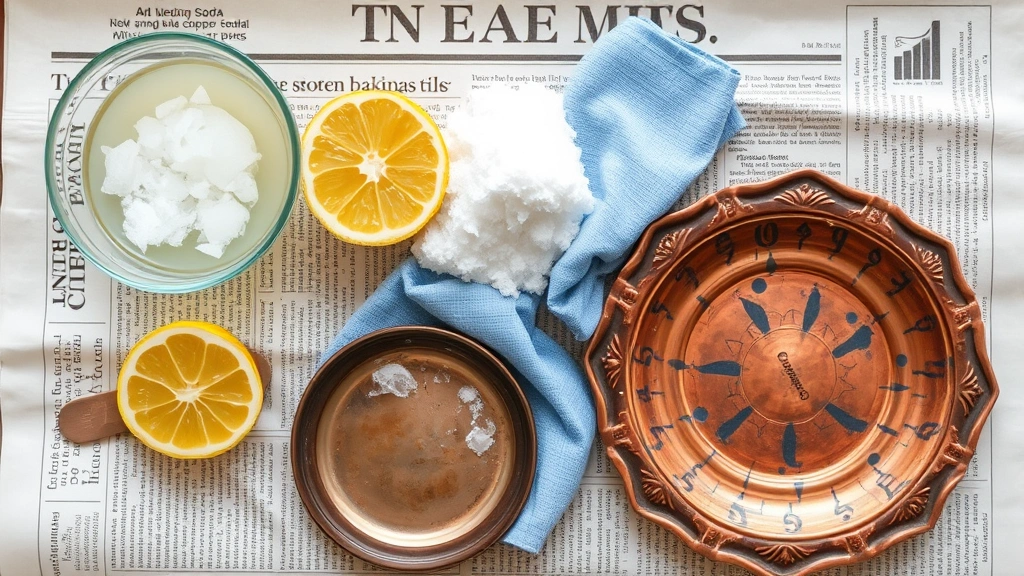
- Cut a fresh lemon in half and dip the cut surface directly into baking soda, or mix lemon juice with baking soda in a small bowl to create a thick paste.
- Apply the paste directly to tarnished copper surfaces using a soft cloth or the lemon itself if using the direct method.
- Allow the paste to sit for 5-10 minutes, giving the citric acid time to work on the oxidation.
- Gently rub the paste across the copper surface using circular motions with a soft cloth or soft-bristled brush.
- For detailed areas, use a soft toothbrush to work the paste into crevices and decorative elements.
- Rinse thoroughly with warm water, ensuring all baking soda residue is removed.
- Dry completely with a soft cloth and buff to a shine.
This method is particularly effective for copper items with ornate designs where vinegar solutions might seep into crevices. The paste stays where you apply it, providing targeted cleaning. It’s also safe for most antique copper items and produces minimal odor compared to vinegar-based approaches.
Commercial Copper Polish Products
While natural methods are effective and economical, commercial copper polishes offer convenience and often deliver faster results. These products are specially formulated to dissolve oxidation and restore shine with minimal effort.
Types of commercial polishes:
- Liquid polishes: These flow easily and work well on flat surfaces and decorative items. Apply with a soft cloth and buff to shine.
- Cream polishes: Thicker consistency provides more control and works well on vertical surfaces and detailed items.
- Aerosol sprays: Convenient for large surfaces but require adequate ventilation during application.
- Specialized formulas: Products designed for specific copper items like cookware, jewelry, or architectural elements often include protective coatings.
Popular brands available at home improvement retailers like The Home Depot include Brasso, Twinkle, and Bar Keeper’s Friend. Always follow manufacturer instructions carefully, as some products contain stronger chemicals than others. Work in well-ventilated areas and wear gloves to protect your skin.
When choosing a commercial product, consider the copper item type. Cookware requires food-safe polishes, while decorative items can use stronger formulations. Many commercial polishes include protective ingredients that help prevent future tarnishing, adding value for frequently used items.
Polishing Large Copper Surfaces
Large copper items like architectural elements, roofing, or extensive decorative installations require modified approaches due to their size and the difficulty of submerging them.
Techniques for large surfaces:
- Spray application: Mix vinegar and salt solution in a spray bottle for easy application across large areas. Spray the solution onto the copper surface and let it sit briefly before scrubbing.
- Sectional approach: Divide large items into manageable sections, polishing one area at a time to ensure even results and prevent the solution from drying unevenly.
- Cloth application: Soak soft cloths in your chosen polishing solution and apply them to the copper surface, holding them in place for several minutes before scrubbing.
- Brush technique: For extensive surfaces, use a soft-bristled brush attached to a long handle, allowing you to reach higher areas safely.
- Sequential rinsing: Rinse sections as you complete them rather than waiting until the entire surface is polished, preventing streaking and water spots.
Safety is paramount when working on large copper items, especially those at height or on roofs. Use appropriate ladders, harnesses, or scaffolding, and never work alone. If the copper surface is extremely tarnished or the item is historically significant, consult This Old House or professional restoration specialists before attempting DIY polishing.
Maintaining Your Polished Copper
Protecting your polished copper after cleaning extends the time between polishing sessions and keeps your items looking beautiful longer.
Preventive maintenance strategies:
- Apply protective coatings: Clear lacquer or wax-based sealers create a barrier between copper and air, slowing oxidation significantly. These products are available at Family Handyman and most home improvement centers.
- Control humidity: Keep copper items in dry environments when possible. Use silica gel packets or dehumidifiers in storage areas to reduce moisture.
- Regular dusting: Gently dust polished copper weekly with a soft cloth to remove particles that can trap moisture and accelerate tarnishing.
- Avoid touching bare hands: Skin oils transfer to copper and create spots where oxidation accelerates. Handle polished items with gloves or cloths.
- Store properly: Wrap copper items in acid-free tissue paper or soft cloth before storing. Avoid plastic wrapping, which can trap moisture.
- Address oxidation promptly: Minor tarnishing is easier to remove than heavy oxidation. Polish copper items at the first signs of discoloration.
For copper cookware, avoid abrasive scouring pads and harsh dishwasher cycles that accelerate tarnishing. Hand washing with gentle soap and soft cloths preserves the polished finish. After washing, dry cookware immediately to prevent water spots.
If you’re interested in learning about other home maintenance topics, explore guides on measuring and maintaining precious items for additional care insights. Proper maintenance of all household items, whether copper cookware or decorative pieces, extends their lifespan and preserves their beauty.
FAQ
How often should I polish my copper items?
Polishing frequency depends on environmental conditions and usage. Indoor decorative copper typically needs polishing every 6-12 months, while frequently used cookware may require quarterly attention. Items exposed to moisture or salt air tarnish faster and need more frequent polishing. Once you apply protective coatings, polishing intervals extend considerably.
Can I use aluminum foil to polish copper?
Yes, this lesser-known method works through a chemical reaction. Place copper items in a bowl lined with aluminum foil, add water and baking soda, and let the mixture work for several minutes. The aluminum and baking soda create an oxidation-reversal reaction. This method is gentler than scrubbing and works well on delicate items, though it’s less effective on heavy oxidation.
Is it safe to polish copper cookware?
Absolutely. Copper cookware is designed for polishing and handling. Use only food-safe polishing methods on surfaces that contact food. The vinegar-salt and lemon-baking soda methods are completely safe for cookware. Avoid commercial polishes on cooking surfaces unless specifically labeled food-safe, and always rinse thoroughly after polishing.
What causes green patina on copper?
Green patina, or verdigris, forms when copper oxidizes over extended periods, especially in humid or salty environments. This is copper carbonate, a natural continuation of the oxidation process. While historically beautiful on architecture, most people prefer removing it from household items. The polishing methods described here effectively remove verdigris.
Can I use steel wool to polish copper?
Steel wool can scratch copper and leave tiny steel particles embedded in the surface, which can cause rust staining. Always use soft materials like microfiber cloths, soft-bristled brushes, or natural bristle brushes. Brass brushes are acceptable for stubborn tarnish but should be used gently.
How do I polish copper that has intricate designs?
For detailed copper items, the lemon-baking soda paste method works best because you can apply it precisely to specific areas. Use a soft toothbrush to work the paste into crevices and detailed elements. For extremely intricate pieces, consider allowing the paste to sit longer before gentle scrubbing, giving the acid more time to dissolve oxidation in hard-to-reach areas.
Will polishing copper remove its value?
For most household copper items, polishing enhances value by improving appearance and removing damaging oxidation. However, antique copper with historically significant patinas may lose collector value if polished. Before polishing valuable antiques, consult with appraisers or restoration professionals who can assess whether polishing is appropriate.

Related Posts
Prevent Razor Bumps? Dermatologist Advice

Prevent Razor Bumps: Expert Tips and Tricks
