
How to Play Old Maid: Classic Card Game Rules
How to Play Old Maid: Classic Card Game Rules
There’s something timeless about gathering around a table with a deck of cards and a group of friends or family members ready to play. Old Maid stands out as one of those rare games that transcends generations—it’s simple enough for a five-year-old to understand, yet entertaining enough to keep adults engaged for hours. Whether you’re planning a rainy afternoon activity, a family game night, or just want to revisit a childhood favorite, mastering the rules of Old Maid opens the door to countless hours of fun.
What makes Old Maid so enduringly popular? Perhaps it’s the perfect blend of luck and psychology, the suspenseful moments when players hover over your hand trying to pick the right card, or the pure joy of watching someone’s face when they realize they’ve drawn the dreaded Old Maid. This game requires minimal setup, no special equipment beyond a standard deck, and works beautifully with any number of players from two to eight. It’s the kind of game that teaches valuable lessons about probability, decision-making, and good sportsmanship without feeling like a lesson at all.
In this comprehensive guide, we’ll walk you through everything you need to know to play Old Maid like a pro. From basic setup to advanced strategy tips, we’ve covered all the bases to ensure your next game night is a smashing success.
What Is Old Maid?
Old Maid is a classic card game that revolves around matching pairs and avoiding a single unmatched card—the Old Maid. Players take turns drawing cards from each other’s hands, trying to form matching pairs while avoiding the notorious Old Maid card. It’s a game of chance combined with subtle psychology, where your ability to read opponents and make calculated decisions can significantly impact your success.
The game’s origins trace back to the 1860s in England, though similar matching games existed centuries before. The premise is beautifully simple: eliminate pairs of matching cards from your hand, and you’re winning. Hold onto the Old Maid at the end of the game, and you lose. This elegant simplicity is precisely why Old Maid has remained a staple in households, classrooms, and game nights worldwide.
Unlike more complex card games such as how to play Spades or how to play Cribbage, Old Maid doesn’t require memorization of complex point systems or bidding strategies. What it does require is attention, intuition, and a willingness to embrace the unpredictability that makes it so thrilling.
Game Setup and Preparation
Before you can start playing, you’ll need to prepare your deck and establish the playing space. Here’s everything you need to know about getting ready for your first hand.
What You’ll Need
The beauty of Old Maid lies in its minimal requirements. You need:
- One standard 52-card deck (or a specialized Old Maid deck if you prefer)
- A flat playing surface with enough space for all players
- 2-8 players (though 3-6 is ideal)
- Optional: a score sheet if you’re playing multiple rounds
Many retailers sell dedicated Old Maid decks featuring themed illustrations, but these aren’t necessary. A regular playing deck works perfectly fine and is likely already in your game cabinet.
Deck Preparation
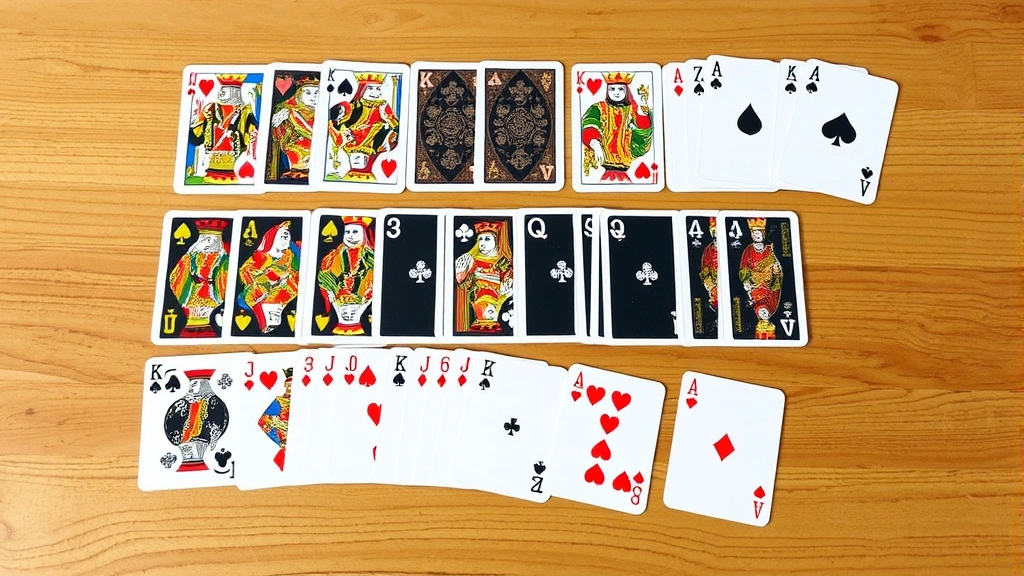
To prepare your standard deck for Old Maid, remove one Queen from the deck. This leaves you with 51 cards total—25 matching pairs plus the lone Queen (the Old Maid). Shuffle the remaining cards thoroughly to ensure random distribution. The shuffling step is crucial; inadequate shuffling can create patterns that observant players might exploit.
If you’re using a specialized Old Maid deck, it will come with one Old Maid card and multiple matching pairs. Follow the deck’s instructions, but the principle remains identical.
Player Positioning
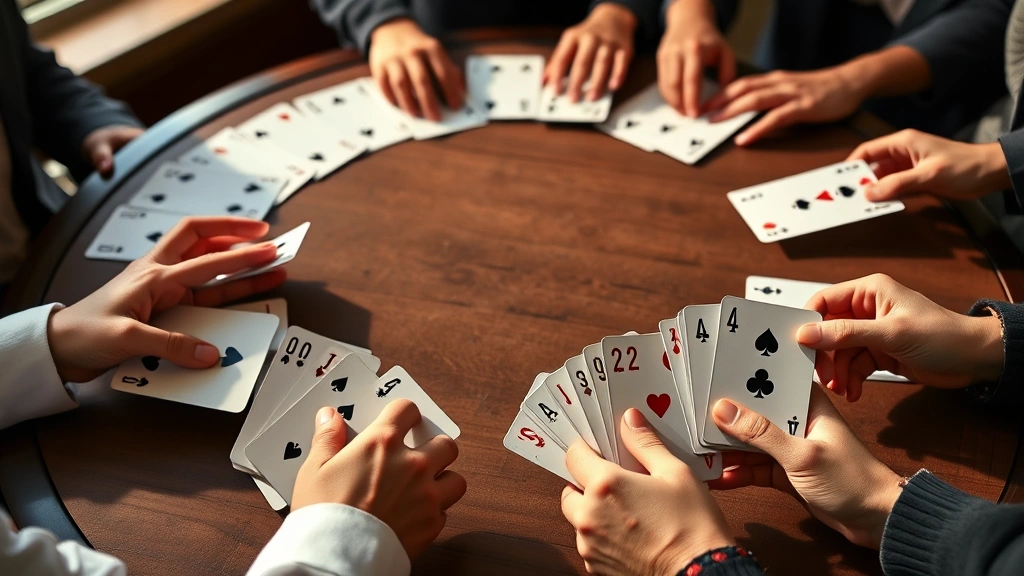
Arrange players in a circle around the table. This setup ensures that each player can easily see and reach all other players’ hands. Sitting in a circle also prevents anyone from having an unfair advantage based on proximity. Each player should hold their cards in a fan formation, keeping them visible to others but preventing players from seeing the faces of cards they haven’t drawn.
Basic Rules and Gameplay
Now that your deck is ready and players are positioned, let’s dive into how the game actually plays out, step by step.
Dealing the Cards
The dealer distributes all cards one at a time, going around the circle clockwise. It doesn’t matter if the distribution is uneven—some players will have one more card than others. This is perfectly normal and doesn’t affect gameplay. The player to the dealer’s left goes first.
Removing Pairs
Before the game begins, each player examines their hand and removes any matching pairs, placing them face-up on the table in front of them. These cards are now out of play. For example, if you have two Kings, two 7s, and three other cards, you’d remove the pair of Kings and the pair of 7s, leaving you with three cards in your hand.
Taking Turns
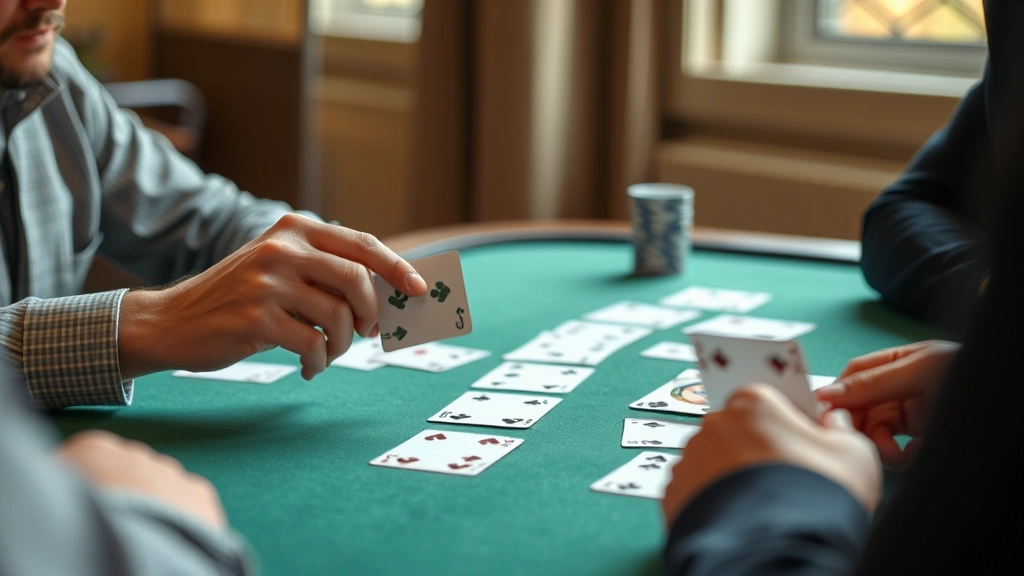
Starting with the player to the dealer’s left, players take turns drawing one card from an opponent’s hand. The player whose hand you’re drawing from should fan their cards so you can’t see the faces—you’re drawing blind. You can choose any card you want, but you won’t know what you’re getting until it’s in your hand.
After drawing a card, if you now have a matching pair, you immediately remove it and place it on the table. Your turn then ends, and play passes to the next player clockwise.
Continuing Play
Play continues around the circle with each player drawing from the player to their left (or right, depending on your preferred direction). As players eliminate pairs, they have fewer cards in their hands. The game creates a natural tension as the number of cards decreases and the odds of drawing the Old Maid increase.
Eventually, all cards will be drawn and matched except for one: the Old Maid. The player holding this card when all pairs have been removed loses the game. Some variations award the person holding the fewest cards as the winner, but the traditional rule declares the Old Maid holder as the loser.
Winning and Losing
The winner is simply the last player remaining without the Old Maid. In a typical game, this means everyone except one player wins. If you’re playing competitively with scoring, the person holding the Old Maid receives a point (or negative point, depending on your system), and the first player to reach a predetermined number of points loses the overall match.
Strategy Tips for Winning
While Old Maid is fundamentally a game of chance, skilled players understand that psychology and observation play significant roles in success. Here are some strategies to elevate your game.
Observation is Everything
Pay close attention to which cards other players remove from their hands at the start of the game. If you see someone remove two Kings, you know a King isn’t in their hand. This information becomes valuable as the game progresses. Similarly, watch which cards other players draw from each other—this tells you which cards are circulating through the deck.
Card Counting and Probability
As pairs are removed, mentally track which cards remain in play. If you’ve seen both Aces removed but haven’t seen either King yet, the odds of drawing a King increase. While you can’t know exactly where the Old Maid is, you can calculate probabilities based on the cards you’ve observed.
Psychological Tactics
Your hand position and card arrangement matter. Some players deliberately fan their cards differently or arrange them in patterns to create false tells. Others maintain complete consistency to avoid giving away information. Experiment with what works for your playing style. Additionally, your facial expressions and body language can influence which cards opponents choose to draw from your hand.
The Middle Card Strategy
Many players instinctively avoid the cards at the ends of a fanned hand, gravitating toward the middle. Knowing this, you might position your Old Maid at the end if you’re unfortunate enough to hold it, or position a safe card in the middle if you’re trying to protect yourself.
Offering Strategic Positioning
When it’s your turn to offer your hand for drawing, you control how you position it. Tilt it slightly, fan it more or less widely, or position certain cards to be more accessible. Subtle changes in presentation can influence which card an opponent selects.
Popular Game Variations
Once you’ve mastered the basic rules, consider trying these popular variations to keep the game fresh and exciting.
Multiple Old Maids
Remove two or three Old Maid cards instead of one. This creates multiple losers and changes the strategic dynamics significantly. It’s particularly fun for larger groups where having only one loser might seem unfair.
Old Maid with Bonus Cards
Designate certain cards (like the Ace of Spades) as bonus cards worth points. Players who successfully eliminate pairs containing bonus cards earn extra points. This variation adds a scoring element to an otherwise winner-takes-all game.
Speed Old Maid
Set a timer for each turn. Players must draw a card within five seconds. This variation increases the pressure and reduces the time available for psychological analysis, making it more dependent on pure luck and quick decision-making.
Themed Deck Version
If you’re interested in games that involve strategic thinking similar to Old Maid, you might also enjoy learning about how to play Spoons, which combines card matching with rapid-fire action. Another engaging option is exploring how to play D&D for those seeking more elaborate storytelling-based games.
Cooperative Old Maid
Instead of competing against each other, players work together to identify and avoid the Old Maid. One player is secretly designated as the Old Maid holder at the start, and everyone else tries to deduce who it is through observation and logical deduction.
Frequently Asked Questions
Can you play Old Maid with fewer than two players?
Technically, you need at least two players for Old Maid to function as a competitive game. With only one player, there’s no one to draw from. However, you could play a solitaire version where you draw from a shuffled deck and try to match pairs, though this removes the interactive element that makes Old Maid enjoyable.
What happens if someone forgets to remove a matching pair?
If a player realizes they missed a pair before their turn ends, they should remove it immediately. If they’ve already passed their turn, the pair remains in their hand. Most casual games are forgiving about this, but you can establish house rules at the start clarifying whether forgotten pairs can be retroactively removed.
Can you use a deck other than a standard 52-card deck?
Absolutely! You can use any deck with matching pairs. Many commercial Old Maid decks feature themed illustrations. Some families create custom decks using photographs or illustrations. The only requirement is that you have matching pairs plus one unmatched card (the Old Maid).
Is there a recommended number of players for the best game experience?
While Old Maid works with 2-8 players, most players find that 3-6 players creates the optimal experience. With only two players, the game becomes heavily luck-dependent with limited psychological elements. With more than six players, turns take longer, and the game can feel sluggish.
How long does a typical game of Old Maid last?
A standard game usually takes 10-15 minutes, depending on the number of players and how quickly decisions are made. This makes it perfect for a quick game night activity or a palate cleanser between longer games. Multiple rounds can easily be played in succession.
Should players be allowed to rearrange their cards during gameplay?
This is a common house rule question. Most players allow card rearrangement to prevent anyone from gaining an unfair advantage by memorizing positions. However, some prefer stricter rules where cards must remain in their original positions once drawn. Decide this before the game begins.
What’s the best way to shuffle the deck before dealing?
Use a riffle shuffle or overhand shuffle, performing it at least 5-7 times to ensure thorough randomization. For younger players who struggle with traditional shuffling techniques, having a designated shuffler or using a card shuffler device ensures fairness. You can also use a reliable shuffling guide for proper technique.
Can you call out which card you’re drawing before you draw it?
In traditional Old Maid, you draw blind without announcing your choice. However, some variations allow players to guess which card they’re drawing before revealing it. This adds an extra layer of psychology but changes the game’s fundamental nature. Establish this rule before playing if you want to include it.
What if the Old Maid card gets damaged or bent during play?
If a card becomes visibly damaged or bent, it’s immediately identifiable, which ruins the game’s integrity. Keep your cards in good condition before playing. If damage occurs mid-game, replace the deck with a fresh one and restart, or agree to mark which player would have held the damaged card and continue play.
Are there any age recommendations for Old Maid?
Old Maid is suitable for ages four and up, making it one of the most accessible card games for young children. The rules are simple enough for preschoolers to understand, though they may need help with card matching. For older players, the psychological elements become more pronounced, keeping the game engaging across age groups.
If you’re looking to expand your game night repertoire beyond Old Maid, consider exploring other classic card games. Learning Spades offers a more strategic bidding experience, while Cribbage provides mathematical complexity that appeals to puzzle enthusiasts.
How do you handle disputes during gameplay?
Establish clear house rules before the game begins. Common disputes involve whether forgotten pairs can be retroactively removed or whether players can rearrange their cards. Document these rules so everyone agrees on the same standards. When disputes arise, defer to the predetermined rules rather than making decisions mid-game.
Can Old Maid be played online or virtually?
Yes! Several digital versions and online platforms offer Old Maid games. However, the tactile experience and psychological elements of in-person play are difficult to replicate digitally. For the full experience, gather around a physical table with a real deck of cards. That said, virtual versions work well for long-distance family connections.

Related Posts

How Long to Boil Lobster Tails: Cooking Guide

How Long to Fly from New York to London? Travel Times
