How to Play Canasta? Expert Tips Inside
How to Play Canasta: Expert Tips Inside
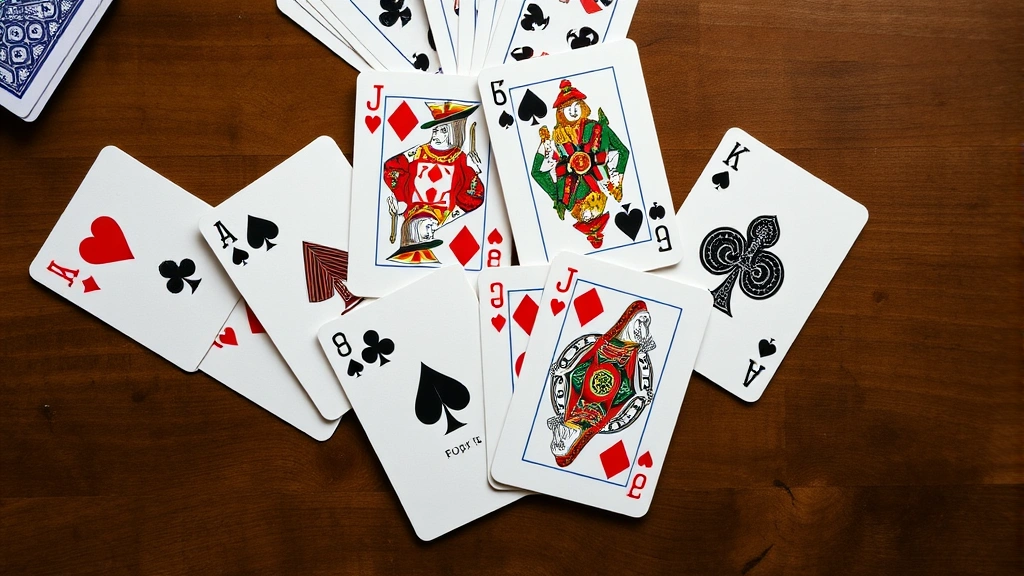
Canasta is a captivating rummy-style card game that combines strategy, skill, and a touch of luck. Whether you’re looking to master this classic game for family gatherings or friendly competitions, understanding the fundamental rules and advanced strategies will elevate your gameplay significantly. This comprehensive guide will walk you through everything you need to know about how to play canasta, from basic setup to winning tactics that separate casual players from true experts.
Originally developed in Uruguay in the 1930s, canasta has evolved into one of the most beloved card games worldwide. The name “canasta” comes from the Spanish word for “basket,” referring to the melds of cards that players accumulate during play. With variations for two, three, four, or more players, this game offers flexibility and endless entertainment. Let’s dive into the complete ruleset and discover the strategies that will help you dominate your next canasta night.
Game Setup and Basics
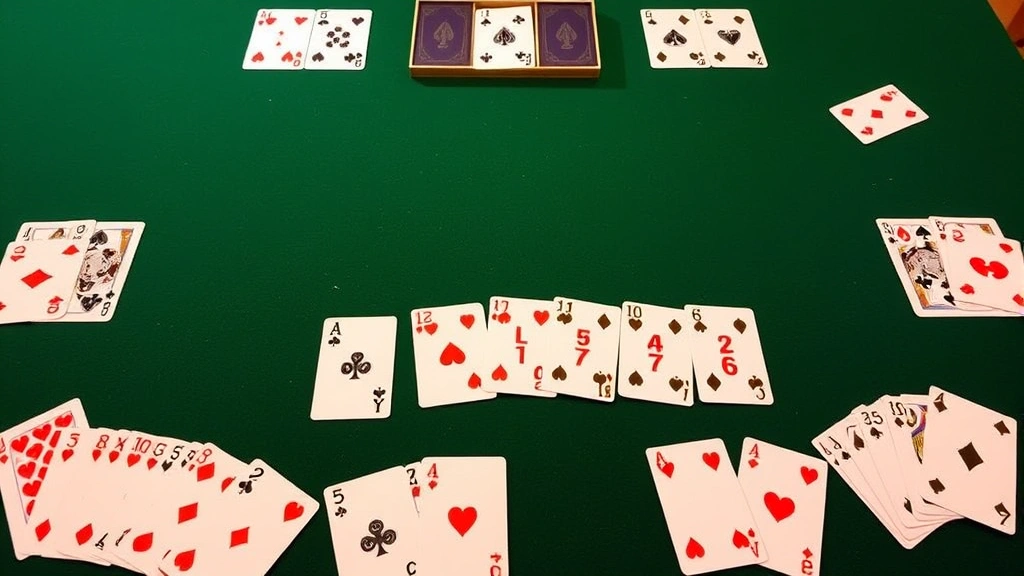
Before diving into gameplay, proper setup is essential for a smooth canasta experience. You’ll need two standard decks of 52 cards plus four jokers, making a total of 108 cards. Begin by designating a dealer who shuffles thoroughly and deals 11 cards to each player, one at a time, clockwise. The remaining cards form the stock pile, with the top card placed face-up to start the discard pile. If the initial discard card is a red three or wild card, additional cards must be placed on the pile until a natural card appears.
The objective of canasta is straightforward: be the first player or team to reach 5,000 points by creating melds (combinations of three or more cards of the same rank) and achieving specific bonuses. Understanding how-to guides and tutorials structure will help you grasp the sequential nature of learning card games. Players take turns drawing one card and discarding one card, maintaining a hand of 11 cards throughout most of the game.
One critical rule involves red threes: these are bonus cards that cannot be melded into plays. If you’re dealt a red three, place it face-up on the table immediately and draw a replacement card. Red threes are worth 100 points if your side melds, but negative 100 points if you don’t. Black threes have special defensive properties—they can only be melded when a player goes out, preventing opponents from taking the discard pile.
Card Values and Scoring
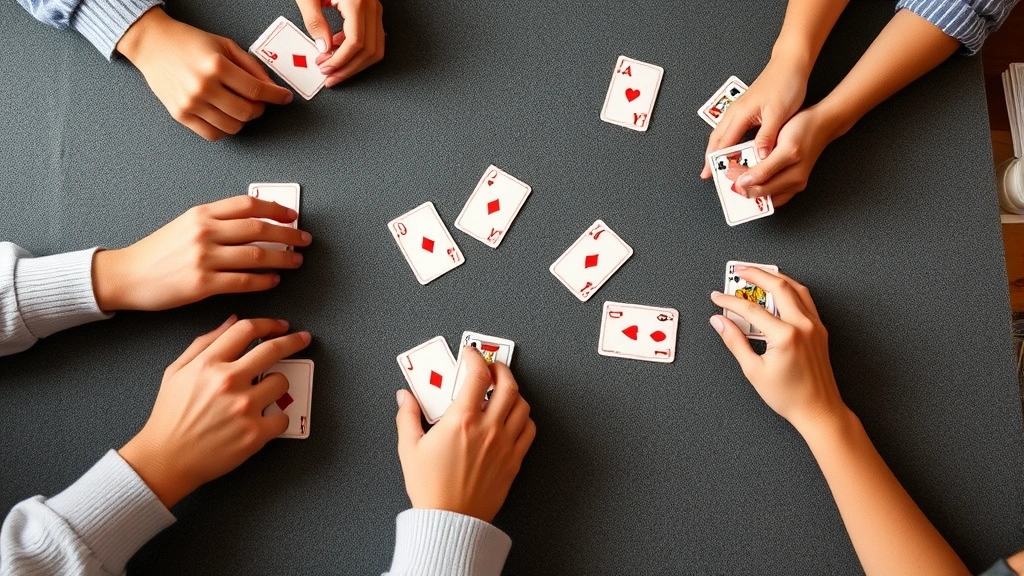
Canasta employs a sophisticated scoring system where different cards hold varying point values. Understanding these values is crucial for strategic decision-making. Jokers and twos (wild cards) are worth 50 points each. Aces are valued at 20 points when played naturally (not as wild cards in a sequence) or 1 point if played as low cards in a sequence. Kings, queens, jacks, and tens are each worth 10 points.
Cards numbered 9 through 4 are valued at 5 points each, while cards 3 through 2 are worth 1 point (except for the special red threes mentioned earlier). The scoring complexity increases when you consider meld bonuses: a natural canasta (seven or more cards of the same rank without wild cards) earns 500 bonus points, while a mixed canasta (containing wild cards) earns 300 bonus points.
Additional bonuses apply for going out: a player who melds all cards from their hand receives a 100-point bonus. If accomplished without drawing from the stock pile (going out concealed), the bonus jumps to 200 points. Teams that fail to meld any cards during the game face a 100-point penalty. These scoring elements create strategic tension, as players must decide whether to go for points or prevent opponents from scoring.
Understanding Melds
Melds are the foundation of canasta gameplay. A valid meld consists of at least three cards of the same rank, arranged face-up on the table. Once a meld is established, players can add matching cards to extend it throughout the game. This is where canasta card game guidance becomes essential for recognizing valid combinations.
Natural melds use only cards of matching rank without wild cards. These are more valuable and earn higher bonuses. Mixed melds incorporate wild cards (jokers and twos) alongside natural cards. However, important restrictions apply: a mixed meld must always contain more natural cards than wild cards. For example, a meld of three sevens and two wild cards is invalid, but three sevens and one wild card is perfectly acceptable.
Players can “add on” to existing melds on the table—either their own team’s melds or, in some variations, opponent melds. This flexibility creates dynamic gameplay where strategic card placement becomes paramount. Once a meld reaches seven cards, it becomes a canasta and is typically squared up to indicate completion. Some players prefer to leave canastas face-down to signal completion and prevent additional cards from being added.
Black threes deserve special mention in meld discussion. These cards cannot be melded during regular play; they serve as defensive tools. When you discard a black three, it “freezes” the discard pile, preventing the next player from picking it up. This tactical element adds psychological depth to the game.
Turn Structure and Play
Each turn follows a consistent three-step process: draw a card, meld cards (optional), and discard one card. Players begin by drawing either from the stock pile or from the discard pile. Taking from the discard pile requires a specific strategy—you must immediately meld the discard card with matching cards from your hand. Additionally, if you take from the discard pile, you must take the entire pile beneath that card, adding all those cards to your hand.
The discard pile becomes “unfrozen” only when a natural card that doesn’t match the top card is discarded. Players can then legally take the pile by matching the top card. This mechanic creates interesting decisions: sometimes taking a large discard pile is advantageous for the high-value cards it contains, while other times it’s detrimental because it increases your hand size.
Melding is optional on each turn, but strategic players recognize when to meld and when to hold cards. Early in the game, holding high-value cards might be wise, waiting to see which melds your team can build. As the game progresses and point totals climb, melding becomes more aggressive. The “initial meld requirement” is an important rule: the first meld your team makes each round must total a minimum point value based on your current score. Teams with scores below 1,500 need a 50-point minimum, teams between 1,500 and 2,995 need 90 points, and teams above 3,000 need 120 points.
When you’re ready to go out, you must have melded all cards from your hand, leaving only a single card to discard (or zero cards if you’ve melded everything). Announcing “going out” signals the end of the round and triggers final scoring calculations.
Advanced Strategy Tips
Mastering canasta requires moving beyond basic rule knowledge into strategic territory. One fundamental principle is managing your hand size carefully. Since you must maintain 11 cards most of the game, discarding strategically prevents opponents from accessing valuable cards. Discard cards your opponents are unlikely to match, particularly low-value cards that won’t help them build melds.
Partnership communication is vital in four-player canasta. While explicit signaling is prohibited, experienced players develop subtle ways to indicate their hand strength. Hesitating before discarding suggests uncertainty, while quick plays indicate confidence. Pay attention to which cards your partner melds and which they discard—this reveals their hand composition.
Understanding when to freeze the discard pile is crucial. Discarding a black three prevents opponents from accessing the pile, but it also telegraphs that your hand is weak in that suit. Use this tactic strategically, not reactively. Similarly, deciding when to take the discard pile involves calculating whether the cards you’ll gain outweigh the hand-size disadvantage.
Another winning strategy involves controlling the game pace. If your team is ahead in points, slow the game down by avoiding going out quickly. Conversely, if you’re behind, accelerate play and take calculated risks. Managing red threes is essential—ensure your team has melded before the game ends, or you’ll face severe point penalties.
Study your opponents’ patterns. Some players consistently discard from specific suits, others favor holding high-value cards. Recognizing these tendencies allows you to predict their moves and adjust accordingly. Finally, don’t underestimate the value of blocking opponents. Sometimes preventing a competitor from scoring is worth more than advancing your own position.
Common Variations
Canasta has spawned numerous regional and house rule variations, each adding unique twists. Samba is played with three decks instead of two, introducing seven-card sequences and creating more complex melds. Bolivia raises the stakes with higher point requirements and stricter rules about wild card usage. Hand and Foot, a popular North American variation, divides each player’s cards into two piles—the hand and the foot—creating extended gameplay.
Two-player canasta adapts the game for intimate competition, dealing 15 cards to each player instead of 11 and requiring melds of four cards rather than three. Three-player versions introduce competitive dynamics where players must balance offense and defense carefully. Many casual players enjoy relaxed variations where house rules modify scoring or melding requirements to suit their preferences.
For comprehensive learning resources, This Old House and similar authoritative sites occasionally feature game guides, though specialized card game resources provide deeper instruction. Understanding these variations helps you adapt quickly when playing in different settings or with different groups.
FAQ
What is the minimum hand requirement to meld in canasta?
Your first meld of the round must meet a minimum point value based on your team’s score: 50 points if below 1,500, 90 points if between 1,500-2,995, and 120 points if 3,000 or higher. Subsequent melds have no point minimum.
Can you meld wild cards without natural cards?
No, all melds must contain at least three cards, and any meld with wild cards must have more natural cards than wild cards. Pure wild card melds are never permitted.
What happens if you’re dealt a red three?
Place it face-up immediately and draw a replacement card from the stock pile. Red threes count as 100 points if your team melds during the round, but negative 100 points if you don’t meld.
How do you go out in canasta?
Meld all cards from your hand, leaving only one card to discard. You can also go out concealed by melding all cards without drawing from the stock pile first, earning a 200-point bonus instead of 100.
Can you add cards to opponent melds?
In standard canasta, you can only add to your own team’s melds. Some variations allow adding to opponent melds, but this should be clarified before gameplay begins.
What’s the difference between a natural and mixed canasta?
A natural canasta contains seven or more cards of the same rank with no wild cards, earning 500 bonus points. A mixed canasta includes wild cards and earns 300 bonus points.

Related Posts

Program a Universal Remote? Expert Tips Inside

Program a Universal Remote: Easy Steps Guide