

Unlock Samsung Phone? Expert Tips & Tricks
Unlock Samsung Phone? Expert Tips & Tricks for Opening Your Device
Whether you’re a tech enthusiast looking to explore your Samsung phone’s internals or simply need to access components for cleaning or repair, learning how to safely open your device is an essential skill. Samsung phones are engineered with precision, and opening them requires patience, the right tools, and careful attention to avoid damaging sensitive components. This comprehensive guide walks you through everything you need to know about opening a Samsung phone, from preparation through reassembly.
Opening a Samsung phone isn’t as intimidating as it might seem, but it does demand respect for the device’s delicate construction. Whether you’re replacing a battery, cleaning internal components, or troubleshooting hardware issues, understanding the proper techniques will save you time and money. We’ll cover the tools you’ll need, step-by-step procedures for different Samsung models, safety precautions, and what to watch out for during the process.
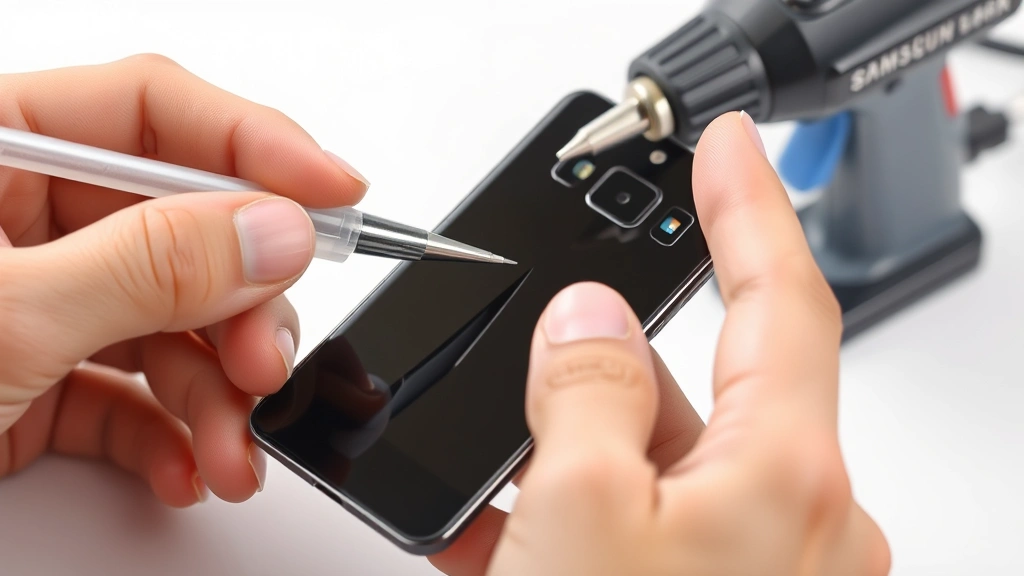
Tools and Materials You’ll Need
Before you attempt to open your Samsung phone, gather the proper tools. Having the right equipment makes the process significantly easier and reduces the risk of damage. Most of these tools are inexpensive and available at electronics retailers or online.
- Precision screwdriver set: Samsung phones typically use tiny Phillips or pentalobe screws. A quality precision set with multiple bit sizes is essential.
- Plastic pry tools or spudgers: These non-metallic tools prevent scratching and short-circuiting components. Avoid metal tools that can damage delicate circuitry.
- Suction cup: Helps lift the glass back or screen without applying excessive force.
- Heat gun or hair dryer: Softens adhesive around the back cover or screen, making removal easier.
- Tweezers: Useful for handling small connectors and components with precision.
- Anti-static wrist strap: Protects against electrostatic discharge that can damage electronic components.
- Isopropyl alcohol and soft cloth: Cleans components and removes adhesive residue.
- Small containers: Organize screws and small parts to prevent loss.
When shopping for these tools, consider purchasing a dedicated phone repair kit, which bundles most essentials at a reasonable price. Many reputable electronics retailers and tool suppliers offer comprehensive kits designed specifically for smartphone repairs.

Preparation Steps Before Opening
Proper preparation is the foundation of a successful phone opening. Rushing through these steps or skipping them entirely can result in permanent damage to your device.
Power down your device completely. Never attempt to open a phone while it’s powered on. Turn off your Samsung phone and wait at least five minutes to ensure all power has dissipated from the circuits. This prevents accidental shorts and protects both you and the device.
Disable security features. If your phone has biometric locks, disable them before opening. This prevents the device from attempting authentication when internal components are disturbed.
Create a clean workspace. Set up your work area on a clean, flat surface away from water, dust, and magnetic fields. Use a mat or cloth to prevent small screws from rolling away. Good lighting is crucial—consider using a desk lamp or headlamp to see tiny components clearly.
Document the process. Take photos or videos of each step before disassembly. This visual reference proves invaluable during reassembly, especially when reconnecting cables and components. Many people find that a comprehensive how-to guide combined with their own documentation creates the perfect reference.
Back up your data. Although you’re only opening the physical device, it’s wise to back up all important data before beginning. Connect your phone to a computer or cloud service to ensure nothing is lost if something goes wrong.
Ground yourself. Put on an anti-static wrist strap connected to a grounded surface. Static electricity can fry sensitive components instantly. This simple precaution is one of the most important safety measures you can take.
Removing the Back Cover
The back cover is typically the first barrier you’ll encounter. Samsung phones use either a removable back panel or a sealed glass back secured with adhesive.
For phones with removable back panels: These older Samsung models make the process straightforward. Simply locate the seam where the back panel meets the frame and gently pry upward using a plastic spudger. Work your way around the edges gradually, applying equal pressure to avoid cracking the panel. The panel should pop off with minimal resistance.
For phones with adhesive-sealed backs: Modern Samsung flagships use this design. Apply heat using a heat gun or hair dryer set to medium temperature, moving it around the edges for 30 to 60 seconds. This softens the adhesive underneath. Once warm, use a suction cup to create a small gap at one corner. Insert a plastic pry tool into this gap and slowly work your way around the perimeter, applying heat as needed. Patience is critical here—rushing can crack the glass.
As you work around the edges, you’ll notice the adhesive releasing gradually. The back cover should eventually separate completely from the frame. If you encounter significant resistance, apply more heat and wait longer rather than forcing the panel.
Disconnecting Battery and Components
Once the back cover is removed, your next priority is disconnecting the battery. This prevents accidental short circuits while you work on internal components.
Locate the battery connector. Look for a small ribbon cable connected to the battery. This connector is usually located near the top or side of the battery. Take a photo of this connection before touching it.
Gently disconnect the battery. Using tweezers or your plastic pry tool, carefully lift the connector tab away from the motherboard. Don’t yank or twist—gentle, steady pressure is key. The connector should separate cleanly with minimal force.
Remove other ribbon cables. If you’re removing the battery or accessing other components, you’ll need to disconnect ribbon cables connected to the display, camera modules, and other parts. Each cable has a small latch or clip that holds it in place. Flip this latch upward or sideways (depending on the design) and gently pull the ribbon cable straight out. Never bend or fold these cables, as they’re extremely fragile.
Keep track of where each cable connects. Your photos and video documentation become invaluable here. Some people even create a simple diagram showing which cable connects where, making reassembly much easier.
Accessing Internal Parts
With the back cover removed and battery disconnected, you now have access to internal components. This is where you can replace the battery, clean dust from components, or troubleshoot hardware issues.
Removing the battery: Samsung batteries are typically secured with a small pull-tab or adhesive strips. If using a pull-tab, gently pull it to lift the battery away from the frame. If adhesive is used, apply gentle heat and carefully pry the battery upward using a plastic tool. Never use sharp objects that might puncture the battery, as lithium batteries can catch fire if damaged.
Cleaning internal components: If dust or debris has accumulated inside, use a soft brush or compressed air to gently remove it. Never spray compressed air directly at delicate components—keep the nozzle at least 6 inches away and use short bursts. Avoid touching components with bare fingers, as oils can cause issues.
Replacing other parts: If you’re replacing the display, charging port, or other components, each has specific removal procedures. Generally, you’ll need to disconnect ribbon cables and remove small screws. Work methodically, documenting each step as you go.
When handling components, remember that static electricity is always a threat. Keep your anti-static wrist strap on throughout the process. If you need to temporarily remove it, touch a grounded metal part of the phone frame first to discharge any accumulated static.
Reassembly Process
Reassembly requires the same patience and care as disassembly. Follow your documented steps in reverse order.
Reconnect all ribbon cables first. Working from the bottom of the phone upward, reattach each ribbon cable by inserting it into its connector and flipping the latch down to secure it. Ensure each cable is fully inserted before latching—partially inserted cables can cause component failures.
Reinstall the battery. Position the new or original battery in its slot and secure it with the pull-tab or adhesive. Make sure it’s flush with the frame and properly seated.
Reattach the back cover. If the cover uses adhesive, apply a thin line of new adhesive or use pre-cut adhesive strips available for most Samsung models. Align the cover with the frame and press firmly around the edges, using a heat gun if necessary to help the adhesive set. For removable panels, simply snap them back into place until you hear a click.
Power on and test. Once reassembled, power on your Samsung phone and verify that all functions work correctly. Check the display, camera, speakers, and any other components you worked on. If something isn’t functioning, power off immediately and review your work.
Common Mistakes to Avoid
Learning from others’ mistakes can save you from costly errors. Here are the most common issues people encounter when opening Samsung phones:
- Applying too much force: Samsung phones are built with precision tolerances. Forcing components apart often causes cracks or broken connectors. If something doesn’t want to move, apply more heat or lubrication rather than increasing force.
- Ignoring static electricity: This silent killer damages components instantly and invisibly. Always wear an anti-static wrist strap, even if you’ve never had problems before. One mistake can permanently ruin your phone.
- Losing or mixing up screws: Samsung phones use different screw sizes for different locations. Mixing them up during reassembly can cause components to come loose or connectors to malfunction. Use labeled containers for each screw type.
- Bending ribbon cables: These delicate cables break easily when bent sharply. Always fold them gently with generous curves rather than sharp angles.
- Forgetting to disconnect the battery: Attempting to work on components while the battery is connected risks short circuits and electrical damage. Always disconnect the battery first.
- Reusing old adhesive: Once removed, adhesive loses its effectiveness. Always apply fresh adhesive when reassembling, using the correct type for your specific Samsung model.
If you’re uncertain about any step in the process, consult additional resources before proceeding. Many manufacturers and repair specialists provide detailed guides for specific Samsung models. Taking extra time to research is far better than making an expensive mistake.
FAQ
Can I open my Samsung phone without voiding the warranty?
Most modern Samsung phones are sealed devices, and opening them typically voids the warranty. However, if your phone is out of warranty or you’re willing to accept this consequence, you can proceed. Check your specific warranty terms before opening.
What’s the easiest Samsung phone model to open?
Older Samsung models with removable back panels are significantly easier to open than modern flagships. If you’re a beginner, consider practicing on an older device before attempting a newer model.
How long does it take to open a Samsung phone?
For experienced technicians, opening a Samsung phone takes 20 to 30 minutes. For beginners, expect 45 minutes to over an hour, especially if you’re taking photos and documenting each step.
Can I reuse the back cover adhesive?
No, adhesive loses its strength once removed. Always purchase new adhesive strips designed for your specific Samsung model. These are inexpensive and ensure a proper seal.
What should I do if I break a ribbon cable during disassembly?
Broken ribbon cables must be replaced. Contact a Samsung service center or authorized repair shop to order the correct replacement cable for your model. Attempting to use a broken cable will result in non-functional components.
Is it safe to clean internal components with water?
Never use water inside a phone. Use isopropyl alcohol (90% or higher) and a soft cloth instead. Water can cause corrosion and short circuits. Allow any alcohol used to evaporate completely before reassembling.
What if my phone won’t turn on after reassembly?
First, ensure the battery is properly connected. If still not powering on, try connecting it to a charger for several minutes. If the phone remains unresponsive, you may have accidentally disconnected a critical component. Review your documentation and check all connections carefully.
Can I replace the battery myself?
Yes, battery replacement is one of the most common DIY phone repairs. However, handle batteries carefully—never puncture or apply excessive force. If the battery is damaged, replace it rather than attempting repair. Many people find that following a detailed guide on opening Samsung phones makes battery replacement straightforward.
Should I wear gloves while opening my phone?
Cotton gloves are acceptable and can help prevent oils from your fingers transferring to components. However, avoid latex or rubber gloves, which can increase static electricity. An anti-static wrist strap is more important than gloves.
What’s the best resource for model-specific instructions?
Check iFixit.com, which provides detailed guides for most Samsung models with photos and videos. Additionally, ManualsLib often has official service manuals that include disassembly procedures.

Related Posts

Superscript in Google Docs: Expert Tips

Strikethrough in Excel: Easy Steps for Beginners
