

Open a Can with Ease: Expert Tips Inside
Open a Can with Ease: Expert Tips Inside
Learning how to open a can using a can opener might seem like a basic kitchen skill, but mastering the technique can save you time, frustration, and potential cuts. Whether you’re dealing with soup cans, vegetables, or specialty foods, having the right knowledge makes all the difference between a smooth operation and a struggle. This comprehensive guide walks you through everything you need to know about using various can openers effectively and safely.
A properly functioning can opener is an essential tool in any kitchen, yet many people never learn the correct technique. The good news is that opening cans is a straightforward process once you understand the mechanics involved. From manual can openers to electric models, each type has its own method for success. We’ll explore all the popular options and provide you with expert tips to make the process effortless.
Whether you’re a seasoned home cook or just starting your culinary journey, this guide will enhance your kitchen skills and ensure you can tackle any canned food with confidence. Let’s dive into the world of can opening and discover how simple it really can be.
Types of Can Openers Available
Understanding the different can opener types is the first step toward mastering the skill. The most common variety is the manual butterfly can opener, which features two handles that you squeeze together. This classic design has been used for decades and remains popular in many kitchens. The butterfly opener works by piercing the can lid with a sharp point while a rotating wheel cuts around the perimeter.
Another popular manual option is the side-cut can opener, which cuts along the side edge of the can lid rather than the top. This design is often considered safer because it eliminates the sharp edges typically found on traditional openers. Side-cut models are becoming increasingly popular among consumers who prioritize safety and ease of use.
The wheel can opener, also known as a rotary opener, features a cutting wheel that you roll around the can’s circumference. You manually rotate a handle to move the wheel, which gradually cuts through the lid. These openers require a bit more effort but provide excellent control over the cutting process.
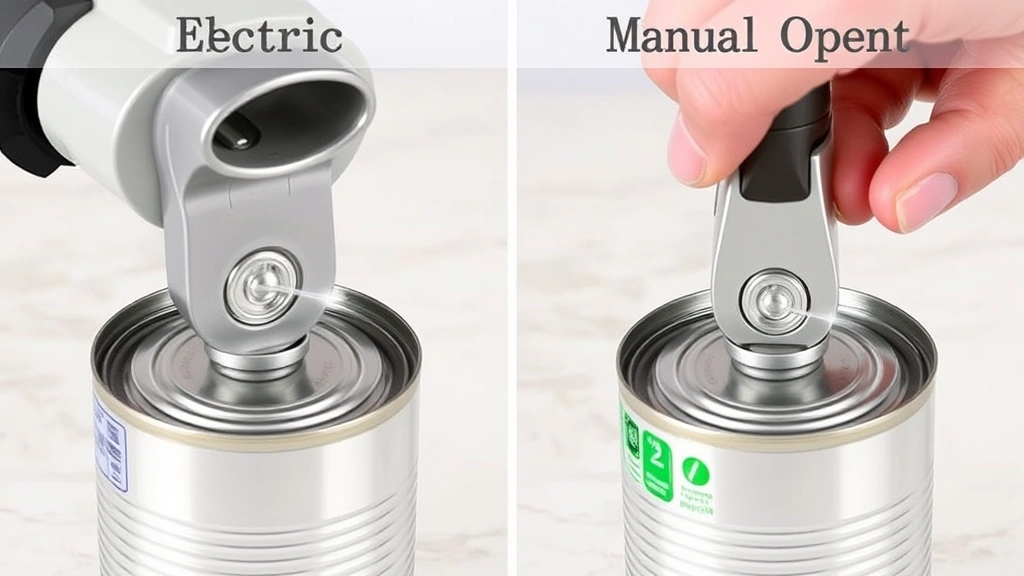
Electric can openers have revolutionized the process for many people. These motorized devices automatically cut through cans with minimal effort. Simply position the can, press a button, and let the machine do the work. Electric openers are particularly helpful for people with arthritis or limited hand strength. Family Handyman offers excellent guidance on selecting the right can opener for your needs.
Specialty openers include can opener keys (used for military-style cans), magnetic can openers (which hold the lid), and multi-tool can openers (often found on camping equipment). Each serves specific purposes and situations.
Manual Can Opener Technique
The manual butterfly can opener remains the most widely used type, so let’s break down the proper technique step-by-step. First, position the can opener on the top edge of the can. The sharp piercing point should face downward, and the rotating wheel should be positioned against the can’s rim. Make sure the can is stable on your work surface before proceeding.
Second, squeeze the handles together firmly until the sharp point pierces through the can lid. You should hear a distinct sound as the point breaks through the metal. Don’t squeeze too hard, as this can cause the can to slip or the opener to damage the lid unevenly. Moderate, steady pressure is ideal.
Third, begin rotating the opener by moving the handles in a circular motion. Most butterfly openers require you to squeeze and rotate simultaneously. As you rotate, the cutting wheel gradually separates the lid from the can body. Continue this motion around the entire circumference of the can.
Fourth, keep the opener positioned against the can’s rim throughout the process. The wheel should maintain consistent contact with the edge. If you lose contact, reposition and continue. Maintain steady pressure to ensure a clean, complete cut.
Fifth, complete the full rotation until the lid is completely separated from the can. You may need to make a final small rotation to ensure the cut is complete. The lid should lift away cleanly, though be cautious as the edges can be sharp.
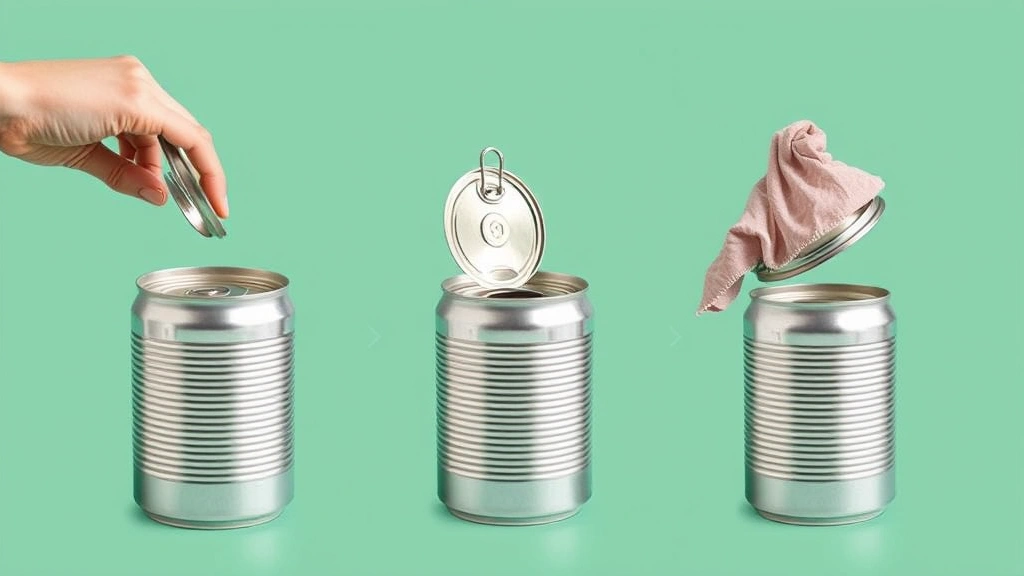
Finally, carefully remove and discard the lid. Use a cloth or paper towel to protect your fingers, as the metal edges are typically sharp. Some people prefer to use a magnet to lift the lid safely. Inspect the can’s opening to ensure no metal fragments remain before serving the contents.
Electric Can Opener Method
Electric can openers simplify the entire process significantly. Begin by positioning your can on the opener’s base, ensuring it sits securely and level. Most electric openers have a magnetic lid holder that will automatically grip the lid as it’s cut. Place the can so that the lid is directly under this magnet.
Next, lower the cutting wheel onto the top edge of the can. Most electric models feature a lever or button that lowers the cutting mechanism. Position it so the wheel makes contact with the can’s rim at the edge of the lid. This positioning is crucial for a clean cut.
Press the activation button or switch to begin the cutting process. The motor will engage, and the wheel will automatically cut through the lid while simultaneously rotating the can. This hands-free operation makes opening cans effortless. The entire process typically takes 5-10 seconds.
Monitor the progress as the opener works. Most quality electric models will automatically stop when the cut is complete. The magnetic holder will secure the lid as it separates from the can. Once the machine stops, the lid is ready to be removed.
Lift away the lid using the magnetic holder. The lid will cling to the magnet, allowing you to remove it without touching the sharp edges. Simply pull the lid away from the can and dispose of it safely. Some electric openers include a button to release the magnetic hold.
Electric openers are particularly valuable for people with limited dexterity. This Old House recommends electric models for accessibility and consistency. They also tend to produce cleaner cuts with fewer sharp edges on the lid and can rim.
Safety Precautions and Tips
Always keep your hands clear of the cutting area. Never position fingers near where the opener is cutting. Keep your other hand on the can to stabilize it, but position it away from the cutting zone. This is the most important safety rule when using any can opener.
Inspect your can opener regularly for damage or dullness. A dull cutting wheel requires more pressure and is more likely to slip, increasing injury risk. Replace your opener if the wheel becomes damaged or if the mechanism doesn’t work smoothly. A sharp, well-maintained opener is a safe opener.
Use proper grip and technique when operating manual openers. Avoid gripping too tightly, which can cause hand fatigue and loss of control. Use smooth, controlled motions rather than jerky, forceful movements. Proper technique reduces strain and prevents accidents.
Work on a stable surface with adequate lighting. A secure work area prevents cans from rolling or slipping. Good lighting helps you see what you’re doing and maintain proper positioning. Set yourself up for success before you begin.
Be aware of sharp edges on both the lid and the can rim after opening. The cut edges are extremely sharp and can cause serious cuts. Always handle removed lids with a cloth or paper towel. Consider using side-cut can openers from Lowe’s, which produce safer edges.
Never rush the process. Take your time and maintain control throughout. Hurrying increases the likelihood of accidents and poor cuts. A few extra seconds of careful work is worth avoiding injuries.
Troubleshooting Common Problems
If your opener is slipping on the can, the issue is usually positioning. Ensure the cutting wheel is properly seated on the can’s rim. The wheel should make solid contact with the edge where the lid meets the can body. Reposition and try again with firm, steady pressure.
When the opener won’t cut through, check if the wheel is dull or dirty. Clean the wheel with soapy water and a cloth. If it’s still not cutting effectively, the wheel may be worn and need replacement. Some can openers have replaceable wheels, while others require purchasing a new opener.
If the can is rotating but the opener isn’t cutting, verify that the cutting wheel is making contact with the lid. The wheel may have been positioned too high or too low. Adjust the height and try again. The wheel should bite into the metal at the junction between the lid and can.
For electric openers that won’t start, check the power connection and battery (if battery-operated). Ensure the can is positioned correctly and the cutting wheel is lowered properly. Some models have safety switches that prevent operation if the can isn’t positioned correctly.
If you’re experiencing hand fatigue with manual openers, consider switching to a side-cut model or electric opener. These alternatives require significantly less hand strength and are gentler on your wrists and fingers. There’s no shame in choosing a tool that works better for your physical capabilities.
Maintenance and Care
Clean your can opener after each use with warm soapy water and a cloth. Food residue can accumulate on the cutting wheel and mechanism, affecting performance. Regular cleaning prevents buildup and keeps your opener functioning smoothly. Pay special attention to the cutting wheel and any crevices.
Dry the opener thoroughly before storing it. Moisture can cause rust on metal components, particularly the cutting wheel. Use a clean, dry cloth to remove all water. Store the opener in a dry location, preferably in a drawer or cabinet rather than on the counter where it’s exposed to humidity.
Oil the mechanism occasionally if your opener has moving parts. A light application of food-grade mineral oil on hinges and rotating joints keeps everything moving smoothly. Don’t over-oil, as excess oil can attract dust and debris.
Sharpen or replace the cutting wheel when it becomes dull. Some openers allow you to sharpen the wheel using a whetstone or sharpening steel. Others have replaceable wheels that you can swap out. Check your opener’s manual for specific instructions. A sharp wheel ensures efficient cutting and safer operation.
Inspect rubber grips regularly for cracks or deterioration. If grips are worn, consider wrapping the handles with athletic tape or purchasing replacement grips. Good grip integrity ensures better control and comfort during use.
Alternative Opening Methods
While can openers are the standard tool, knowing alternative methods is helpful in emergencies. The spoon method involves using a sturdy spoon to pry up the lid’s edge slightly, then working around the lid to separate it. This works best on cans with pull-tab lids but can work on regular cans in emergencies. Use a strong spoon and work carefully to avoid hand injuries.
The knife method uses a sharp knife to cut around the lid’s edge. This is not recommended as it’s extremely dangerous and likely to result in serious cuts. Only use this method in true emergencies when no opener is available, and proceed with extreme caution.
Concrete or rough surface method involves rubbing the can’s top on concrete to wear through the seal, then squeezing the can to pop the lid. This camping trick works but leaves metal dust on the lid. Clean thoroughly before opening or consuming contents.
Military P-38 opener is a small, handheld device used by the military for opening ration cans. These compact tools fold into a small package and work surprisingly well. If you camp or enjoy outdoor activities, learning to use a P-38 is a valuable skill. You can also use this method when learning how to merge 2 cells in Excel is less relevant, but preparedness skills matter in all contexts.
Pull-tab and pop-top cans don’t require openers at all. Simply pull the tab or twist the top as directed. These convenient cans are increasingly common and eliminate the need for opening tools entirely.
FAQ
What type of can opener is easiest to use?
Electric can openers are generally easiest to use because they require minimal effort and hand strength. Side-cut manual openers are the easiest manual option, as they produce safer edges and are simpler to operate than butterfly models. Choose based on your physical capabilities and preferences.
Why is my can opener leaving sharp edges?
Sharp edges typically result from a dull cutting wheel or improper technique. Ensure your wheel is sharp and properly positioned. The wheel should cut cleanly if it’s sharp and making proper contact. If edges remain sharp even with good technique, your wheel may need sharpening or replacement.
Can I sharpen a can opener wheel?
Many can opener wheels can be sharpened using a whetstone or honing steel. Hold the wheel at the same angle it naturally sits and draw the stone across it several times. Some wheels are not designed for sharpening and should simply be replaced. Check your opener’s manual for guidance.
How do I remove a stuck lid?
If a lid is stuck, tap around the edge gently with a spoon handle to break the seal. Try reopening with your can opener, ensuring proper positioning. You can also try holding the can under warm running water briefly to help loosen the seal through slight expansion.
Are electric can openers worth the investment?
Electric can openers are worth the investment if you open cans frequently or have limited hand strength. They’re faster, easier, and produce cleaner cuts. However, if you rarely use cans, a good manual opener is sufficient and takes up less space.
What safety features should I look for?
Look for openers with magnetic lid holders that secure the lid during and after cutting. Side-cut designs that eliminate sharp edges are safer than traditional top-cut models. For electric openers, choose models with auto-stop features and secure can-holding mechanisms.
Can I use a can opener on different can sizes?
Most universal can openers work on standard cans of various sizes. However, very large institutional cans or very small cans may not fit properly. Check your opener’s specifications, and test with different sizes to ensure compatibility before you need to rely on it.
How do I prevent rust on my can opener?
Clean and dry your opener thoroughly after each use. Store it in a dry location, not on a damp counter. If rust appears, scrub with a wire brush and dry immediately. Apply a light coating of food-grade mineral oil to prevent future rust formation.

Related Posts

Superscript in Google Docs: Expert Tips

Strikethrough in Excel: Easy Steps for Beginners
