
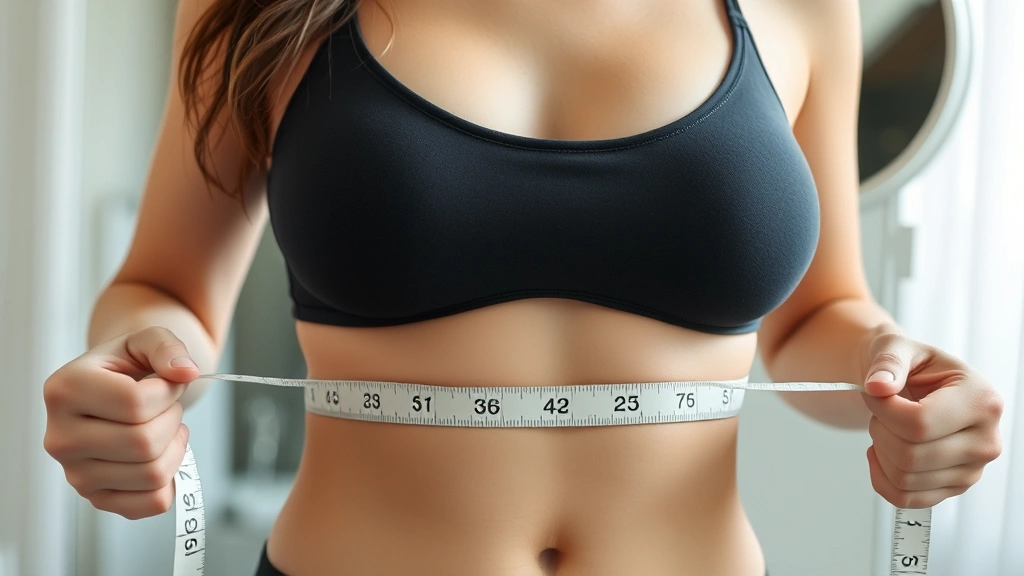
Measure Bra Size at Home: Expert Tips
How to Measure Your Bra Size at Home: Expert Tips and Techniques
Finding the right bra size is one of the most important steps toward comfort and confidence in your daily life. Many people wear incorrect bra sizes without realizing it, which can lead to discomfort, poor posture, and clothing fit issues. The good news is that measuring your bra size at home is straightforward and requires only a soft measuring tape and a few minutes of your time. This comprehensive guide will walk you through the exact process that professional fitters use, so you can determine your accurate bra size from the comfort of your own home.
Whether you’re shopping for your first bra, experiencing size changes due to weight fluctuations, or simply want to verify your current size, understanding how to measure correctly is essential. Many retailers estimate that up to 80% of women wear the wrong bra size, which highlights just how common measurement mistakes are. By following the steps in this guide, you’ll be equipped with the knowledge to find bras that fit perfectly and provide the support you deserve.
What You’ll Need to Get Started
Before you begin measuring, gather the following items to ensure accuracy and comfort throughout the process:
- Soft measuring tape: A flexible fabric measuring tape (not a rigid ruler) is essential for accurate measurements. The kind used for sewing projects works perfectly and typically costs just a few dollars at craft stores.
- Proper lighting: Good lighting helps you read measurements clearly and ensures you’re positioning the tape correctly.
- Mirror: A full-length mirror or at least one large enough to see your torso is helpful for maintaining proper posture during measurement.
- Comfortable clothing: Wear an unpadded bra or no bra at all for the most accurate measurements. Tight or padded bras can skew your results.
- Notebook or phone: Write down your measurements immediately so you don’t forget them. You can also take a photo of your written measurements for future reference.
If you’re also interested in getting precise measurements for other aspects of your wardrobe, you might want to learn about how to measure chest size for clothing fit, which uses similar techniques to what we’ll cover here.
Taking Your Band Measurement
The band measurement is the foundation of your bra size, so getting this right is crucial. Follow these steps carefully:
- Position yourself correctly: Stand in front of a mirror without a bra or wearing only an unpadded bra. Keep your posture straight and natural—don’t pull your shoulders back unnaturally or slouch.
- Wrap the measuring tape: Wrap the soft measuring tape snugly around your ribcage, directly under your bust. The tape should sit horizontally and parallel to the ground. Make sure it’s not twisted or bunched up on any side.
- Keep the tape snug but not tight: The tape should be firm against your skin without digging in or leaving marks. You should be able to fit one finger comfortably between the tape and your skin.
- Read the measurement: Look at where the measuring tape overlaps and note the number in inches. If you get a measurement between sizes (like 31.5 inches), round up to the nearest whole number (32 inches in this case).
- Record your number: Write down this measurement—this is your band size. If the number is even, that’s your band size (32, 34, 36, etc.). If it’s odd, you’ll typically round up to the next even number.
The band measurement directly corresponds to your bra size number. A 32 band means the bra band measures 32 inches around. Understanding how to measure shoulder width can also help you understand how bras should sit across your shoulders and upper back.
Measuring Your Bust Size
Now that you have your band measurement, it’s time to measure your bust. This measurement determines your cup size, which is equally important for finding the perfect fit.
- Keep your posture straight: Maintain the same upright posture you used for the band measurement. This consistency ensures both measurements relate to your actual body proportions.
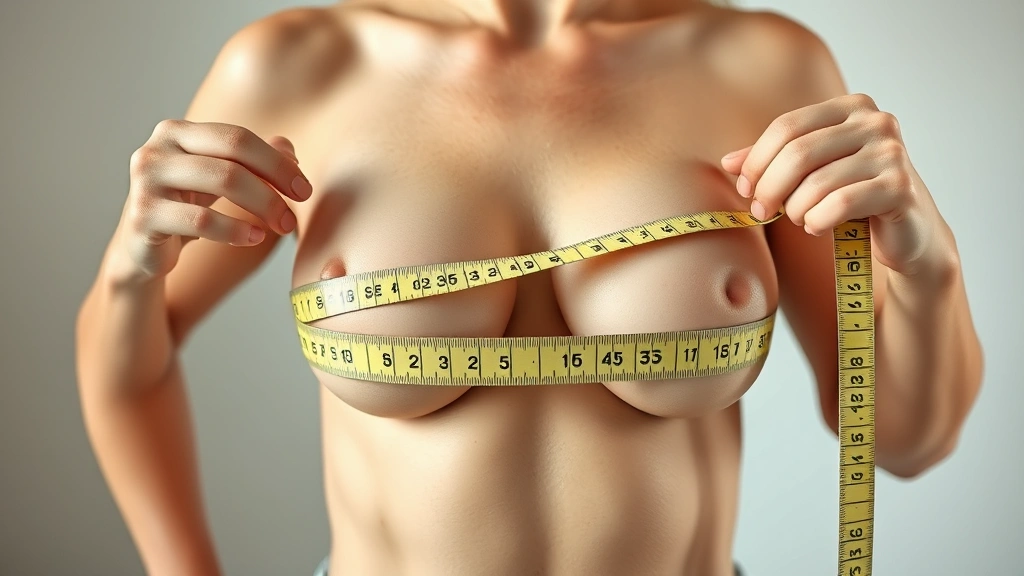
- Position the tape over your bust: Wrap the measuring tape around the fullest part of your bust. This is typically at the level of your nipples, though this can vary slightly from person to person.
- Ensure even tape placement: The tape should be horizontal and level all the way around. Check in the mirror to make sure it’s not dipping down in the back or riding up on the sides.
- Keep appropriate tension: Again, the tape should be snug but not compressing your bust. You want to measure your actual bust circumference, not squeeze it.
- Record the measurement: Note the number where the tape overlaps. If you get a decimal measurement, round to the nearest whole number.
- Take a second measurement: For accuracy, measure again and verify both readings match. If they differ, take a third measurement and use the average.
Some people find it helpful to compare this with measuring techniques used for how to measure your ring size, as both require precision and consistency in your approach.
” alt=”Measuring tape positioned horizontally around a woman’s ribcage for band measurement, showing proper placement and snug fit without compression”/>
With both your band and bust measurements in hand, calculating your cup size is simple math. The difference between your bust measurement and your band measurement determines your cup size. Here’s how the cup size chart works: Example calculation: If your band measurement is 34 inches and your bust measurement is 37 inches, the difference is 3 inches, which corresponds to a C cup. Therefore, your bra size would be 34C. It’s important to note that cup sizes are relative to the band size. A 34C has different dimensions than a 36C, even though both are C cups. The band size always stays consistent with your ribcage measurement, while the cup size scales proportionally. Once you’ve calculated your size, understanding how to use bra size charts will help you shop with confidence. Different brands may have slight variations in sizing, so knowing how to navigate these charts is valuable. Standard US bra sizing follows this pattern: Sister sizing example: A 34C has the same cup volume as a 36B or 32D. This is useful when your preferred band size isn’t available but you want similar support and fit. Many retailers like This Old House and Family Handyman provide comprehensive sizing guides, and major lingerie retailers offer detailed size charts on their websites. These resources can help you understand how different brands compare and whether you need to adjust your size based on specific brand preferences.Calculating Your Cup Size
Understanding Bra Size Charts
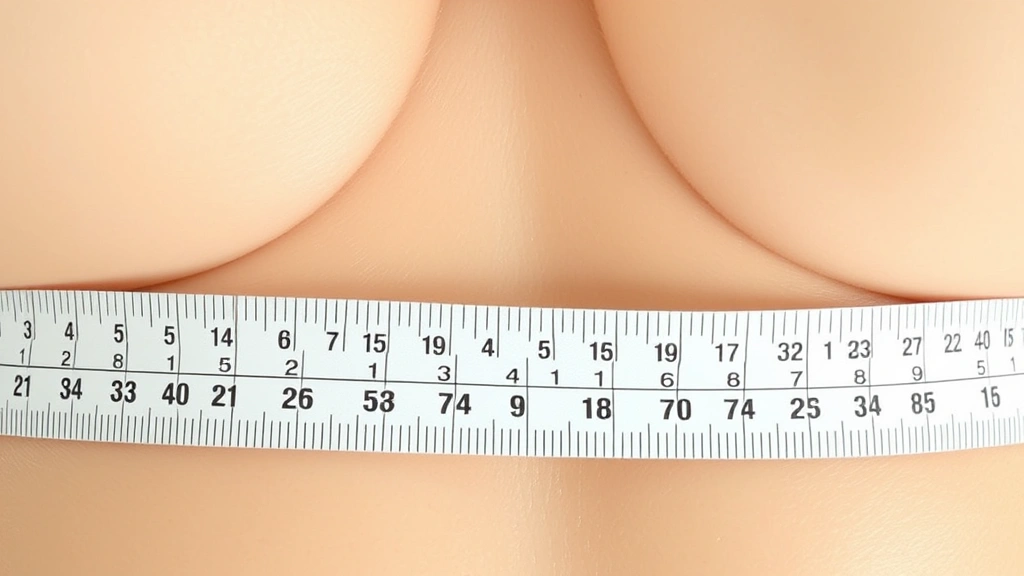
” alt=”Close-up of measuring tape showing clear inch markings, positioned flat against skin for accurate bra size calculation”/>
Even with the best intentions, it’s easy to make small errors that significantly impact your results. Here are the most common mistakes and how to avoid them: If you’re also interested in precise measurements for other purposes, you might want to explore alternative methods for measuring ring size, which emphasizes similar precision principles. Your bra size isn’t necessarily permanent. Several life events and body changes warrant a remeasurement to ensure you’re still wearing the correct size: Understanding the importance of proper fit extends to other areas of personal measurement as well. Learning about additional ring size measurement guides demonstrates how precision in personal measurements applies across different contexts. If your band measurement is between sizes, round up to the nearest even number. For example, a 33-inch band measurement becomes a 34-inch band size. For cup size, use the difference between your bust and band measurements to determine the appropriate cup. While your fundamental measurements remain the same, different bra styles may fit differently. Balconette bras, full-coverage bras, and sports bras can all feel slightly different even in the same size. However, your base size calculation should remain consistent. Bra manufacturers use different patterns, materials, and construction methods, which can result in variations in fit even within the same labeled size. This is why trying on bras and checking how they feel is important, even when you know your calculated size. For the most accurate measurements, wear minimal clothing or measure directly against your skin. Thick clothing can add inches to your measurements and throw off your calculations. Measure while wearing only an unpadded bra or no bra at all. Cup volume is relative to band size. A C cup in a 34-band has a different volume than a C cup in a 40-band. This is why sister sizing exists—to account for the relationship between band and cup size. A properly fitting bra should have a band that sits parallel to the ground all the way around, cups that fully contain your breast tissue without spillage, and straps that sit comfortably on your shoulders. The band should be snug but not tight enough to leave marks. Yes, measuring is especially important if you’re between standard sizes. Your measurements will help you decide whether to round up or down based on your comfort preferences and the specific bra style you’re considering. Measuring your bra size at home is an empowering skill that leads to better-fitting bras and greater comfort. By following these expert tips and avoiding common mistakes, you’ll have confidence in your measurements whether you’re shopping online or in stores. Remember that proper fit is personal—while these measurements provide your baseline size, how a bra feels on your body is ultimately what matters most. Don’t hesitate to try multiple sizes and styles to find what works best for you, and remember to remeasure periodically as your body changes. With the right size and proper fit, you’ll enjoy the confidence and comfort that comes from wearing a bra that truly fits.Common Measuring Mistakes to Avoid
When to Remeasure Your Size
FAQ
What if my measurements fall between two sizes?
Does my bra size change with different styles?
Why do different brands have different sizing?
Can I measure my bra size while wearing clothes?
What’s the difference between cup sizes in different band sizes?
How do I know if my bra fits correctly?
Should I measure my bra size if I’m between sizes?

Related Posts

Superscript in Google Docs: Expert Tips

Strikethrough in Excel: Easy Steps for Beginners
