
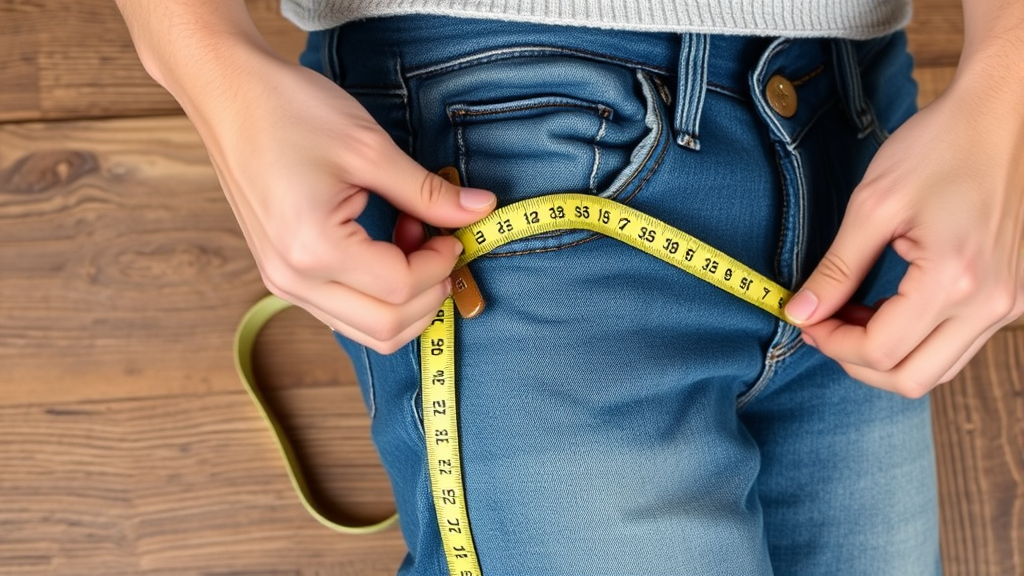
Master the Art of Measuring Inseam for Perfect Fit Jeans
Finding the perfect pair of jeans can feel like an impossible task, but understanding how to measure inseam correctly is the key to achieving that ideal fit. Your inseam measurement is one of the most crucial factors in determining whether jeans will look flattering and feel comfortable, yet it’s often misunderstood or measured incorrectly by many shoppers.
Whether you’re shopping online, getting alterations, or simply want to understand your body measurements better, mastering inseam measurement will revolutionize your denim shopping experience. This comprehensive guide will walk you through everything you need to know about measuring inseam accurately, avoiding common mistakes, and using this knowledge to find jeans that fit like they were made just for you.
What is Inseam and Why It Matters
The inseam is the measurement from the crotch seam of your pants down to the hem, essentially determining the length of the pant leg. This measurement is critical because it affects not only how your jeans look but also how they feel when you walk, sit, and move throughout your day. Unlike waist measurements or hip measurements, the inseam directly impacts the overall silhouette and proportion of your outfit.
Understanding your correct inseam measurement prevents common fit issues like jeans that are too short and create an awkward gap between your pants and shoes, or jeans that are too long and bunch up around your ankles. The right inseam creates a clean, polished look that enhances your overall appearance and ensures comfort in various activities.
Most jean manufacturers use inseam measurements as part of their sizing system, typically ranging from 28 inches to 36 inches for adults. However, the way different brands cut their jeans can affect how the same inseam measurement fits, which is why knowing your precise measurement is essential for consistent results across different brands and styles.
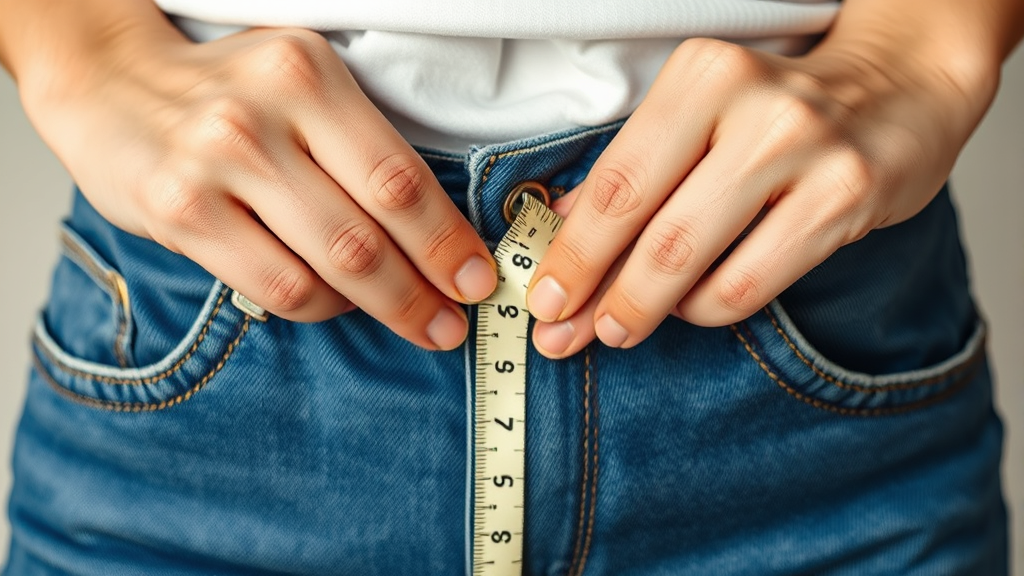
Essential Tools for Measuring Inseam
Before you begin measuring, gathering the right tools will ensure accuracy and make the process much smoother. The most important tool is a flexible measuring tape, preferably one made for sewing or tailoring rather than a rigid carpenter’s tape measure. A fabric measuring tape will conform to your body’s curves and provide more accurate readings.
You’ll also need a full-length mirror to ensure you’re standing straight and maintaining proper posture during measurement. Good lighting is essential so you can clearly see the measuring tape and ensure it’s positioned correctly. Having a friend or family member assist you can significantly improve accuracy, as they can help hold the tape measure and verify that it’s straight and properly positioned.
Additional helpful items include a pen and paper to record your measurements, and ideally a pair of well-fitting pants or jeans that you can use as a reference point. Some people find it helpful to wear form-fitting undergarments or leggings during measurement to get the most accurate reading without loose clothing interfering with the tape measure.
Step-by-Step Guide to Measuring Inseam
The most accurate way to measure your inseam is while wearing minimal, form-fitting clothing. Start by standing barefoot against a wall with your feet slightly apart, maintaining your natural stance. Keep your back straight and shoulders relaxed, as poor posture can affect the measurement accuracy.
Locate the highest point of your inner thigh where your legs meet your torso – this is your crotch point. Place one end of the measuring tape at this point, ensuring it sits comfortably without being too tight or loose. The tape should lie flat against your inner leg without twisting or bunching.
Extend the measuring tape straight down your inner leg to your ankle bone, keeping the tape parallel to the seam line where your jean’s inseam would naturally fall. The endpoint should be where you want your jeans to end – typically at the top of your shoe or just touching the floor when wearing shoes. Record this measurement in inches, and consider taking the measurement two or three times to ensure consistency.
For the most accurate results, measure both legs, as many people have slight differences between their left and right legs. Use the longer measurement when shopping for jeans to ensure both legs fit comfortably. Just as precision matters when learning how to measure ring size for jewelry, taking your time with inseam measurements will yield better results.
Common Mistakes to Avoid
One of the most frequent mistakes people make when measuring inseam is wearing bulky clothing or shoes during the measurement process. Thick pants, boots, or even socks can add unwanted length to your measurement, resulting in jeans that are actually too long when worn with your intended footwear. Always measure in minimal clothing and barefoot for the most accurate baseline measurement.
Another common error is not maintaining consistent posture throughout the measurement process. Slouching, leaning, or shifting weight from one foot to another can alter the measurement significantly. Stand naturally but maintain good posture, and if possible, have someone else take the measurement while you focus on standing correctly.
Many people also make the mistake of pulling the measuring tape too tight or letting it hang too loosely. The tape should lie flat against your leg with just enough tension to stay in place without compressing your skin or clothing. Additionally, not accounting for the type of shoes you’ll typically wear with your jeans can lead to poor fit – consider whether you’ll wear heels, flats, or boots most often with the jeans you’re measuring for.
Alternative Measuring Methods
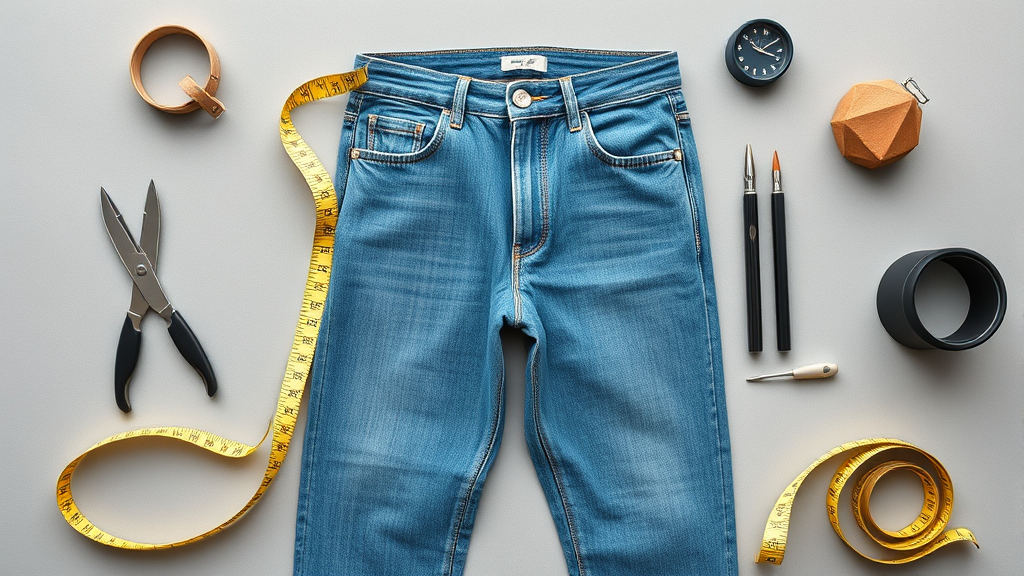
If measuring your body directly proves challenging, you can use a pair of well-fitting jeans as a reference point. Lay the jeans flat on a bed or floor, ensuring they’re completely smooth and unwrinkled. Measure from the crotch seam straight down to the hem along the inner leg seam. This method works particularly well if you have jeans that fit perfectly and want to replicate that length.
Another alternative is the wall measurement method, which can be especially helpful for those measuring alone. Stand with your back against a wall, feet slightly apart, and place a book or ruler between your legs at crotch height. Mark the wall at this point, then measure from the mark down to the floor. Subtract the height of your desired shoe heel to get your inseam measurement.
For online shopping, some retailers offer virtual fitting tools or size calculators that can help determine your inseam based on your height and other measurements. While these tools aren’t as accurate as direct measurement, they can provide a good starting point, especially when combined with customer reviews and sizing charts from specific brands.
How to Use Your Inseam Measurement
Once you have your accurate inseam measurement, you can confidently shop for jeans both online and in stores. Most jean manufacturers include inseam measurements in their sizing charts, typically listed after the waist measurement (for example, 32×34, where 32 is the waist and 34 is the inseam). When shopping online, always check the brand’s specific size chart, as measurements can vary between manufacturers.
Consider your preferred jean style when using your inseam measurement. For a classic straight-leg look, your measured inseam should correspond directly to the jean’s inseam. For cropped or ankle-length styles, you might want to choose jeans with an inseam 2-4 inches shorter than your measurement. For a longer, more relaxed look, you might prefer jeans 1-2 inches longer than your natural inseam.
Keep in mind that different jean styles and rises can affect how the inseam fits. High-waisted jeans may require a slightly longer inseam than low-rise jeans, even for the same person, because the crotch point sits higher on the body. Similarly, skinny jeans may feel different than wide-leg jeans with the same inseam measurement due to how the fabric falls and moves with your body.
Troubleshooting Fit Issues
Even with accurate measurements, you might occasionally encounter fit issues that require troubleshooting. If your jeans consistently feel too short despite matching your measured inseam, consider factors like the jean’s rise, your typical posture, and the type of shoes you wear most often. Sometimes, choosing jeans with a slightly longer inseam can compensate for these variables.
Conversely, if jeans with your measured inseam consistently feel too long, you might need to account for shrinkage after washing, especially with 100% cotton denim. Many jeans will shrink slightly after the first few washes, so choosing jeans that are slightly longer than your measurement can compensate for this natural shrinkage.
Body proportions and personal preferences also play a role in how inseam measurements translate to real-world fit. Some people prefer a clean break at the shoe, while others like a slight pooling effect or no break at all. Understanding your personal style preferences will help you adjust your inseam measurement accordingly when shopping for jeans. Just as attention to detail matters in other style aspects like learning how to fold a pocket square, getting your jean length just right requires consideration of your personal aesthetic preferences.
Frequently Asked Questions
How often should I measure my inseam?
You should measure your inseam whenever your body changes significantly, such as after weight loss or gain, or if you notice your jeans fitting differently than before. For most adults, measuring once every year or two is sufficient, unless there are significant physical changes. However, if you’re still growing or your weight fluctuates regularly, more frequent measurements may be necessary.
Can I measure my inseam while sitting down?
No, you should always measure your inseam while standing up. Sitting changes the position of your legs and can result in an inaccurate measurement that won’t translate properly to how jeans fit when you’re walking or standing. Always stand in a natural, relaxed position with your feet slightly apart for the most accurate measurement.
Why do my jeans fit differently even when they have the same inseam measurement?
Different brands and jean styles can fit differently even with identical inseam measurements due to variations in rise (how high the waistband sits), leg cut (skinny, straight, wide), and overall construction. The fabric type, stretch content, and manufacturing process can also affect how the same measurement translates to actual fit on your body.
Should I account for hemming when buying jeans?
Yes, if you frequently have jeans hemmed, consider buying them slightly longer than your exact measurement. Professional hemming can adjust the length perfectly to your preferences, and it’s easier to shorten jeans than to lengthen them. Most tailors recommend having at least 1-2 inches of extra length to work with for proper hemming.
How do I measure inseam for different shoe heights?
Measure your basic inseam barefoot, then adjust based on your typical footwear. For flats or sneakers, use your standard measurement. For heels, add the heel height to your inseam measurement. For example, if your inseam is 32 inches and you typically wear 2-inch heels, look for jeans with a 34-inch inseam. This ensures proper length regardless of your footwear choice.
What’s the difference between inseam and outseam measurements?
Inseam measures from the crotch to the hem along the inner leg seam, while outseam measures from the waistband to the hem along the outer leg seam. Inseam is the more commonly used measurement for jeans and is what most sizing charts refer to when indicating length. Outseam measurements are less standardized and vary more significantly between different jean styles and rises.
Can body type affect how inseam measurements translate to jean fit?
Yes, body proportions can significantly affect how inseam measurements work in practice. People with longer torsos and shorter legs might find that jeans with their measured inseam fit differently than expected, and vice versa. Additionally, factors like hip width, thigh circumference, and natural stance can all influence how a specific inseam measurement translates to the perfect jean length for your body type.

Related Posts

How Long to Boil Lobster Tails: Cooking Guide

How Long to Fly from New York to London? Travel Times
