
How to Measure Hat Size: Expert Guide
How to Measure Hat Size: Expert Guide to Perfect Fit Every Time
There’s nothing worse than ordering a hat online, waiting days for delivery, and discovering it sits awkwardly on your head—either sliding down over your eyes or perched precariously on top like a tiny crown. The culprit? An incorrect hat size measurement. Unlike clothing where you might squeeze into something slightly off, hats demand precision. They sit directly on your head and face, making comfort and fit absolutely non-negotiable.
The good news? Measuring your hat size is remarkably straightforward, and once you know your exact measurement, you’ll never deal with an ill-fitting hat again. Whether you’re shopping for a classic fedora, a practical baseball cap, or a cozy winter beanie, understanding your head measurement takes just a few minutes and requires only basic tools you likely already have at home.
This guide walks you through every method of measuring hat size accurately, explains sizing systems across different brands and regions, and provides insider tips to ensure your next hat purchase is absolutely perfect. Think of it as the foundational skill that makes all your hat shopping ventures successful—similar to how knowing your ring size ensures jewelry fits perfectly.
Tools You’ll Need
Before you begin measuring, gather these simple items. The entire process requires minimal equipment, and most people have these things lying around their homes already.
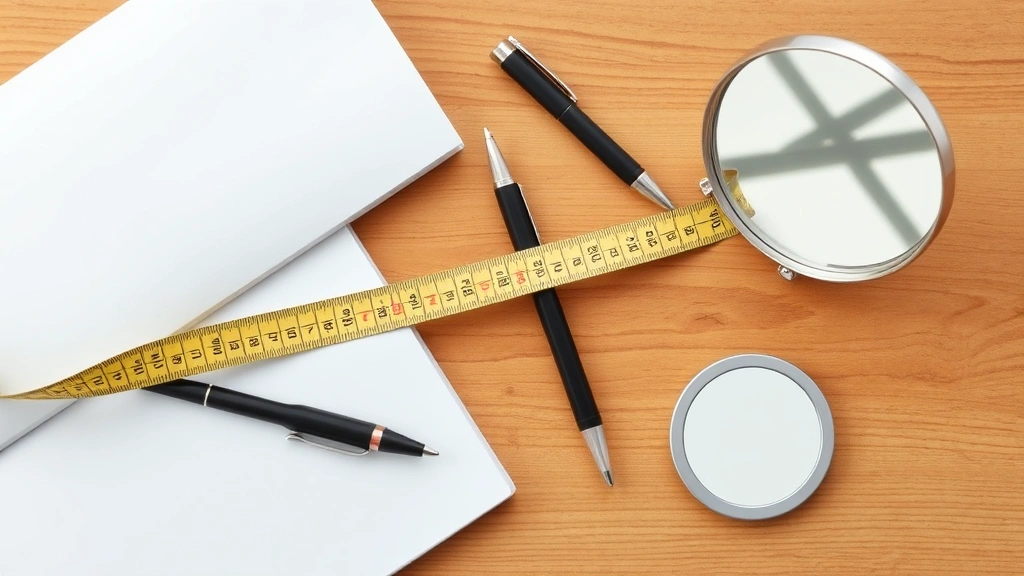
- Soft measuring tape – The flexible fabric kind used for sewing works best. If you don’t have one, string and a ruler work as backup options.
- Mirror – A full-length or at least waist-height mirror helps ensure you’re measuring correctly and not tilting your head.
- Pen and paper – Write down your measurement immediately to avoid forgetting the number.
- Hair in natural state – Don’t measure over elaborate hairstyles, updos, or thick braids. Measure your head as you’d normally wear a hat.
- Comfortable clothing – Wear what you typically have on; slouchy or tight collars can affect how you position the measuring tape.
That’s genuinely all you need. No special gadgets or expensive tools required. Just like the methodical approach used when measuring your bust for proper garment fit, hat sizing relies on consistency and correct placement rather than fancy equipment.
Step-by-Step Measurement Method
Now for the actual process. Follow these steps carefully, and you’ll have an accurate measurement that works across virtually all hat manufacturers and sizing systems.
Step 1: Position Yourself Correctly
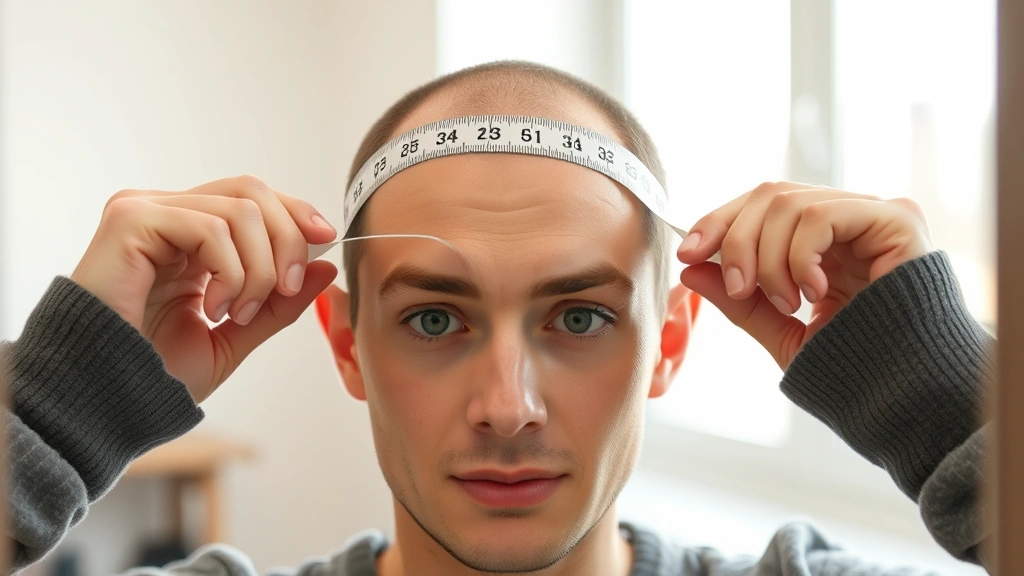
Stand in front of your mirror in good lighting. Your posture should be natural and upright—the way you’d normally stand when wearing a hat. Avoid leaning forward, tilting your head, or adopting any unusual positions. The goal is to measure your head as it exists in everyday life, not in some contorted position.
Step 2: Locate Your Measuring Points
Your measuring tape will circle your head at three key landmarks. These points are crucial for accuracy:
- Start at the center of your forehead, about one finger width above your eyebrows
- Bring the tape around the sides of your head, just above your ears
- Continue to the back of your head, at approximately the same height as your forehead starting point
The tape should sit in a horizontal plane around your head, not angled up or down. Think of it as creating an invisible band that’s perfectly level all the way around.
Step 3: Take the Measurement
Hold one end of your measuring tape at your starting point on your forehead. Wrap it smoothly around your head, keeping it snug but not uncomfortably tight. You should be able to slide one finger under the tape comfortably—this is the ideal tension level. The tape shouldn’t be so loose it falls down, nor so tight it compresses your head.
Continue wrapping until the tape meets back at your starting point. Have the tape overlap slightly so you can read the exact measurement where it meets itself. Take note of this number in inches or centimeters, depending on which measurement system your hat manufacturer uses.
Step 4: Verify Your Measurement
Measure twice to confirm accuracy. Remove the tape completely, then repeat the entire process. Your second measurement should be within one-quarter inch of your first measurement. If there’s a larger discrepancy, measure a third time and use the average of your two closest readings.
Understanding Hat Sizing Systems
Hat sizes aren’t standardized globally, which can be confusing when shopping across different brands or international retailers. Understanding these systems prevents costly ordering mistakes.
U.S. and UK Sizing
In the United States and United Kingdom, hat sizes are typically expressed in eighths of an inch. A size 7, for example, represents 7 inches (or 55.88 centimeters) in head circumference. Sizes increment by one-eighth inch, so you might see sizes like 6⅞, 7, 7⅛, 7¼, and so forth.
The standard range runs from about 6½ to 8 inches, covering most adult head sizes. Children’s sizes are smaller, typically ranging from 5¼ to 6⅞ inches.
European Sizing
European manufacturers often use centimeter measurements directly. A size 55 means 55 centimeters in head circumference, size 56 means 56 centimeters, and so on. This system is actually more intuitive since it matches your measurement directly without the eighth-inch fractions.
General Size Categories
Beyond exact measurements, hats often fall into these general categories:
- Extra Small (XS): Typically 20-21 inches (51-53 cm)
- Small (S): Typically 21-22 inches (53-56 cm)
- Medium (M): Typically 22-23 inches (56-58 cm)
- Large (L): Typically 23-24 inches (58-61 cm)
- Extra Large (XL): Typically 24-25 inches (61-63 cm)
- 2XL and larger: Typically 25+ inches (63+ cm)
These categories vary by manufacturer, so always check the specific brand’s sizing chart before purchasing. What one company calls Large might be Medium for another.
International Sizing Conversion Guide
If you’re ordering from international retailers or comparing hat sizes across regions, this conversion chart helps translate between systems:
| U.S./UK Size | Inches | Centimeters | European Size |
|---|---|---|---|
| 6½ | 6.50 | 16.51 | 52 |
| 6⅝ | 6.63 | 16.83 | 52-53 |
| 6¾ | 6.75 | 17.15 | 53 |
| 6⅞ | 6.88 | 17.48 | 53-54 |
| 7 | 7.00 | 17.78 | 54 |
| 7⅛ | 7.13 | 18.10 | 54-55 |
| 7¼ | 7.25 | 18.42 | 55 |
| 7⅜ | 7.38 | 18.74 | 55-56 |
| 7½ | 7.50 | 19.05 | 56 |
| 7⅝ | 7.63 | 19.37 | 56-57 |
| 7¾ | 7.75 | 19.69 | 57 |
| 7⅞ | 7.88 | 20.01 | 57-58 |
| 8 | 8.00 | 20.32 | 58 |
Bookmark this chart for future reference. When you find yourself between sizes—say your measurement is 22.5 inches—you can use this guide to determine whether to size up or down based on the particular hat’s construction and stretch.
Verifying Your Measurement for Perfect Fit
Getting the measurement correct is one thing; ensuring the hat actually fits properly is another. These verification steps catch any issues before you commit to a purchase.
The Existing Hat Method
If you have a hat that fits perfectly, use it as a reference. Place the measuring tape inside the band where it contacts your head and measure its circumference. This gives you a real-world baseline. Compare this to your freshly measured head size—they should match closely. If your existing hat is slightly loose or tight, adjust your expectations accordingly when ordering new hats.
The Comfort Test
After measuring, put on a hat that’s supposedly your size. The fit should feel snug but not restrictive. You should be able to move the hat slightly side to side and front to back without it sliding off. There should be no red marks or pressure points on your forehead after wearing it for fifteen minutes. If you experience any discomfort, the size is wrong.
Understanding Hat Stretch
Most hats have some give to them. Felt hats can stretch slightly over time and with wear. Knit beanies have more stretch than structured baseball caps. When ordering, consider the material. A wool beanie might stretch a quarter-inch with wear, while a rigid baseball cap won’t stretch at all. This is similar to how different fabrics shrink at different rates—material matters.
Checking Brand-Specific Sizing
Before finalizing any online purchase, check the specific brand’s sizing chart. Every manufacturer has slightly different proportions. Some brands run tight, others run loose. Read customer reviews mentioning fit. If multiple reviewers say a particular brand’s size runs small, you might need to size up even if the measurement chart suggests your current size.
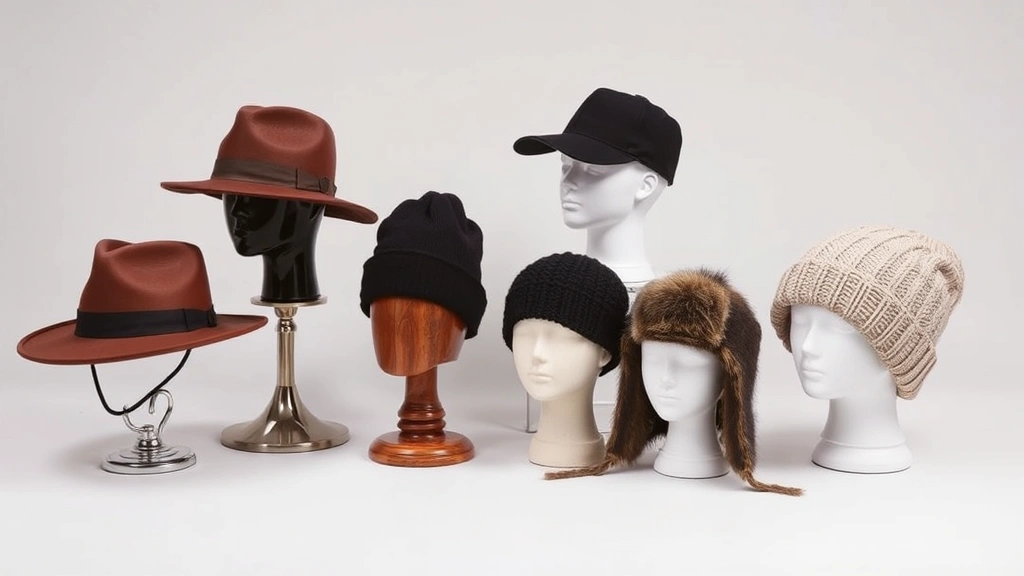
Special Considerations for Different Hat Styles
Different hat types have different sizing considerations. Understanding these nuances prevents fit disasters across your entire hat collection.
Baseball Caps and Structured Hats
These hats are typically adjustable, with a strap in the back that can accommodate a range of sizes. If you’re between sizes, structured hats are more forgiving. However, the front should still fit snugly without tilting. The bill should sit comfortably above your eyebrows without pressure.
Beanies and Knit Hats
Knit hats have inherent stretch, typically accommodating about one full size range. If your measurement is 22 inches and a beanie is labeled as one-size-fits-most, it’ll likely work fine. However, if your head is on the larger side (23+ inches), opt for beanies specifically labeled as large or XL to ensure adequate coverage and comfort.
Fedoras and Dress Hats
These require precise sizing since they have minimal stretch. Your measurement should match the hat size almost exactly. These are not forgiving hats—getting the size wrong means the hat simply won’t work properly. When in doubt with dress hats, contact the manufacturer or retailer for guidance before ordering.
Winter Hats and Thermal Linings
Hats with thick thermal linings or fleece interiors run smaller effectively because the lining takes up interior space. If you’re purchasing a heavily insulated winter hat, you might need to size up by one-quarter to one-half size compared to a standard hat. Check product descriptions for this information.
Vintage and Antique Hats
Vintage hat sizing differs from modern standards. Older hats often run smaller. If you’re purchasing vintage hats, measure the interior band directly rather than relying on the labeled size. Vintage hat sizing wasn’t as standardized as modern sizing is today.
Hat Care and Maintenance After Sizing
Once you’ve found perfectly fitting hats, maintain them properly to preserve the fit and extend their lifespan.
Proper Storage
Store hats upside down on a shelf or in a hat box. Never store them compressed in a tight space where they might become misshapen. Proper storage prevents the hat from warping, which would ruin the fit you worked so hard to achieve.
Cleaning and Washing
Different hat materials require different cleaning approaches. Before cleaning any hat, check the manufacturer’s care instructions. Generally, structured hats benefit from spot cleaning, while some knit hats can be gently hand-washed. For detailed guidance, refer to proper hat washing techniques to maintain both the appearance and fit of your hats.
Humidity and Temperature
Extreme humidity can cause some hat materials to expand slightly, while dry conditions can cause them to contract. Store hats in climate-controlled environments when possible. If you live in a very humid area, consider storing hats with silica gel packets to control moisture.
Periodic Adjustment
If your hat has an adjustable back strap or sizing mechanism, check it periodically to ensure it’s still functioning properly. If the strap stretches or loosens over time, you can tighten it to maintain the original fit.
Frequently Asked Questions
What if I’m Between Two Hat Sizes?
If your measurement falls between two standard sizes, consider the hat style and material. Structured hats like baseball caps can typically accommodate the smaller size with the adjustment strap. Knit hats can stretch into the larger size. For dress hats with no adjustability, choose the larger size and use sizing pads (thin foam inserts placed inside the band) to customize the fit.
Does Hair Thickness Affect Hat Size?
Yes, significantly. Thick, voluminous hair takes up more space inside the hat, effectively making the hat feel tighter. Measure your hair in its natural state—the way you’ll wear it most often. If you wear your hair up in a bun most days but occasionally wear it down, measure with your hair down since that’s the scenario requiring the larger hat size.
Can Hat Size Change Over Time?
Head size can change slightly due to weight gain or loss, age-related changes, or even seasonal variation. If you haven’t purchased hats in several years, it’s worth remeasuring. Most people’s head size remains relatively stable in adulthood, but significant life changes might warrant a new measurement.
Why Do Hats Feel Uncomfortable Even When the Size is Correct?
Sometimes the issue isn’t size but rather the hat’s internal structure or the specific shape. Some hats have stiffer linings that need breaking in. Others might have a shape that doesn’t match your head’s contours. If a correctly-sized hat feels uncomfortable, it might just need a few wearings to conform to your head shape, or it might be a style issue rather than a sizing issue.
Should I Measure My Head Multiple Times Throughout the Day?
Head size can vary slightly depending on hydration levels, time of day, and even recent physical activity. For the most accurate measurement, measure in the morning or early afternoon when you’re well-hydrated and haven’t engaged in strenuous exercise. If you notice significant variation (more than one-quarter inch), measure multiple times and use the average.
How Does Hat Sizing Compare to Other Measurement Systems?
Hat sizing is actually more straightforward than many other measurement systems. Unlike measuring inseam for pants, which involves multiple points and angles, hat sizing involves a single, simple circumference measurement. Similarly, just as knowing your ring size makes jewelry shopping easier, knowing your hat size eliminates guesswork from hat purchases.
Are Online Hat Retailers Reliable for Sizing?
Most reputable online hat retailers provide detailed sizing charts and accept returns for size exchanges. Before purchasing from any online retailer, verify their return policy. Many offer free returns within 30 days, giving you a safety net if the size isn’t perfect. Read customer reviews mentioning fit—these provide invaluable real-world feedback about whether the brand’s sizing runs true, small, or large.
What’s the Best Way to Measure Someone Else’s Head?
Have them sit or stand still while you perform the measurement. Use the same technique: start at the center of the forehead one finger width above the eyebrows, wrap around the head at ear level, and return to the starting point. Have them relax their head—any tension or unusual positioning will throw off the measurement. If they have long hair, gently move it out of the way to ensure the tape sits directly on the head, not on hair.

Related Posts

How Long to Boil Lobster Tails: Cooking Guide

How Long to Fly from New York to London? Travel Times
