
Measure Chest Size? Expert Tips Inside
How to Measure Chest Size: Expert Tips Inside
Getting an accurate chest measurement is essential for finding well-fitting clothing, tracking fitness progress, and ensuring proper sizing for various activities. Whether you’re shopping for a new suit, ordering athletic wear, or monitoring your health metrics, knowing how to measure your chest correctly makes all the difference. Many people struggle with this seemingly simple task, often ending up with ill-fitting garments or inaccurate measurements that don’t reflect their true size.
In this comprehensive guide, we’ll walk you through the exact process of measuring your chest size like a professional. We’ll cover the tools you’ll need, the proper technique, common mistakes to avoid, and how to interpret your measurements for different purposes. By the end, you’ll have the confidence to measure yourself accurately every single time.
Tools and Materials You’ll Need
Before you begin measuring your chest, gather the right equipment. The most important tool is a flexible measuring tape, commonly called a soft measuring tape or tailor’s tape. These are typically made of fiberglass or cloth and are specifically designed to conform to body contours. Unlike rigid metal measuring tapes used for construction projects, a flexible tape will give you accurate readings because it follows the natural curves of your body.
You can find measuring tapes at any fabric store, drugstore, or online retailer for just a few dollars. Look for one that clearly displays both inches and centimeters, as different sizing systems use different measurements. The tape should be at least 60 inches long to accommodate various body sizes and measurement needs.
Beyond the tape itself, you’ll want to wear minimal clothing—ideally just a fitted t-shirt or nothing at all. Thick sweaters, baggy clothing, or multiple layers will skew your results. Have a mirror available so you can check your form and positioning. A notebook or your phone’s notes app will help you record measurements immediately after taking them, ensuring accuracy and preventing confusion later.
If you’re measuring someone else or having difficulty reaching around your back, recruit a helper. This person should be comfortable working with you and understand the importance of keeping the tape snug but not overly tight. Finally, make sure you’re in a well-lit area where you can clearly see the measurement markings on your tape.
Step-by-Step Measurement Process
Now let’s walk through the proper technique for measuring your chest size. This method is used by professional tailors, fitness coaches, and clothing manufacturers worldwide, ensuring consistency and accuracy.
Step 1: Prepare Your Body
Start by removing any heavy clothing, jackets, or accessories that might interfere with the measurement. If you’re comfortable doing so, remove your shirt entirely. If you prefer to keep clothing on, wear only a light, fitted t-shirt that won’t add bulk. Stand in front of a mirror with your shoulders relaxed and your arms at your sides. Take a moment to ensure your posture is natural and upright—slouching or puffing out your chest will give false readings.
Step 2: Position the Measuring Tape
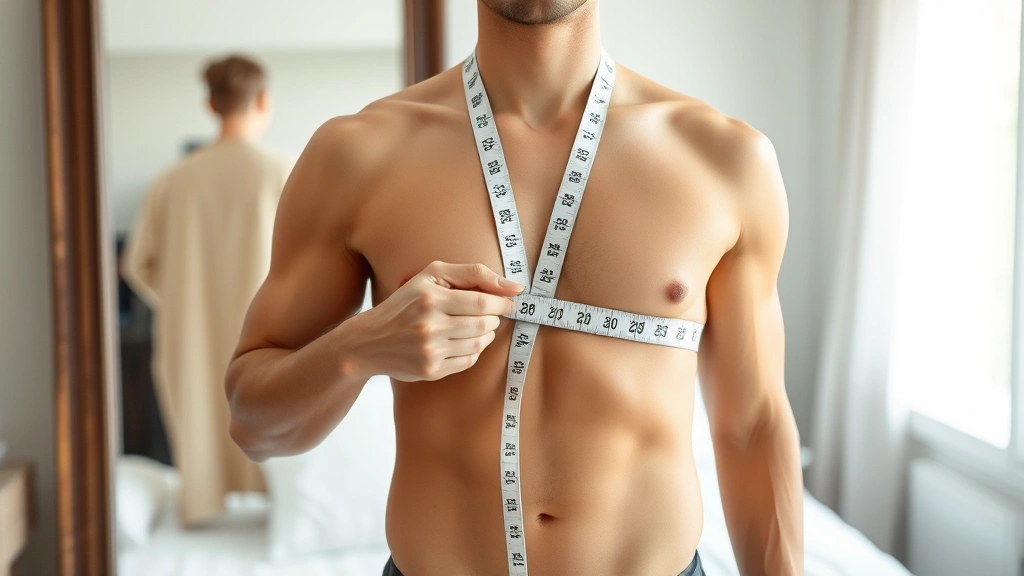
Hold one end of the measuring tape and wrap it around your body at the fullest part of your chest. For most people, this is directly across the nipples. The tape should be horizontal and parallel to the ground, not angled upward or downward. If you’re having trouble keeping it level, use your mirror to check the positioning from the front and side.
Step 3: Ensure Proper Tension
This is where many people make mistakes. The tape should be snug against your skin—snug enough that it won’t slip or move, but not so tight that it compresses your chest or restricts your breathing. A good rule of thumb is to be able to slide one finger comfortably under the tape. This ensures you’re measuring your actual chest size rather than a compressed version. Breathe normally; don’t hold your breath or inflate your chest artificially.
Step 4: Read the Measurement
Once the tape is positioned correctly and at the proper tension, look down at where the tape overlaps or where the end meets the starting point. Read the measurement at this point. If the tape doesn’t overlap perfectly, note the number where the end of the tape meets the measurement line. Round to the nearest half inch or centimeter for consistency.
Step 5: Double-Check Your Work
Take the measurement a second time to ensure consistency. If your two measurements differ by more than half an inch, take a third measurement. The average of your readings will be your most accurate chest size. This verification step is crucial because even small positioning differences can affect results.
Understanding Your Measurements
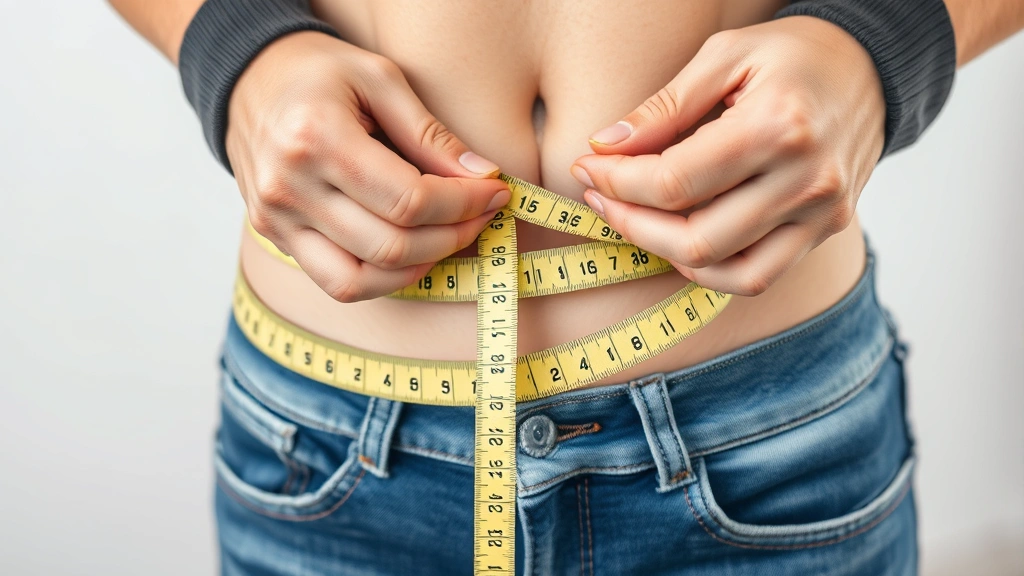
Your chest measurement is just one number, but it can tell you a lot depending on the context. Understanding what your measurement means for different purposes will help you use this information effectively.
Clothing Sizing
For measuring shoulder width and other clothing dimensions, your chest measurement is fundamental. In men’s sizing, chest measurements typically range from 34 inches to 52 inches or larger. Women’s clothing uses dress sizes, but chest measurement still plays a key role. Keep in mind that different brands have different sizing standards, so a 40-inch chest might be a medium in one brand and a large in another. Always check the specific brand’s size chart rather than relying solely on your measurement.
Fitness and Health Tracking
If you’re monitoring your fitness progress, chest measurements can indicate muscle development or changes in body composition. When combined with other measurements like arm length and waist size, chest measurements help create a more complete picture of your physique. Many fitness professionals track chest measurements every 4 to 8 weeks during training programs to monitor progress beyond what the scale shows.
Bra Sizing (For Women)
Women’s bra sizing requires two measurements: the band size and the cup size. The band size is determined by measuring directly under the bust, while the cup size is calculated by measuring at the fullest part of the bust and comparing it to the band measurement. This is different from the standard chest measurement technique and requires additional steps for accuracy.
Common Mistakes to Avoid
Even with clear instructions, people often make the same measurement mistakes. Being aware of these pitfalls will help you avoid them.
Mistake 1: Taking the Measurement Over Thick Clothing
Sweaters, jackets, and multiple layers add inches to your measurement. Always measure over minimal clothing or directly against your skin. This is especially important when comparing measurements over time or when ordering clothes online.
Mistake 2: Pulling the Tape Too Tight
A common instinct is to pull the tape snug, but many people overdo it. This compresses your chest and gives you a smaller measurement than your actual size. Remember the one-finger rule: you should be able to slide one finger comfortably under the tape.
Mistake 3: Measuring at the Wrong Height
Your chest is fullest at the nipple line. Measuring too high (near the shoulders) or too low (near the rib cage) will give you inaccurate results. Use your mirror to verify you’re measuring at the correct location.
Mistake 4: Not Keeping the Tape Level
If the tape angles upward in the back or front, you’ll get an inaccurate reading. The tape should be parallel to the ground all the way around your body. This is easier to achieve with a helper, but you can manage it solo by checking frequently in your mirror.
Mistake 5: Measuring While Holding Your Breath
Some people instinctively hold their breath when being measured, which affects the result. Breathe normally throughout the measurement process. Your chest measurement should reflect your typical, relaxed state.
Measuring for Different Purposes
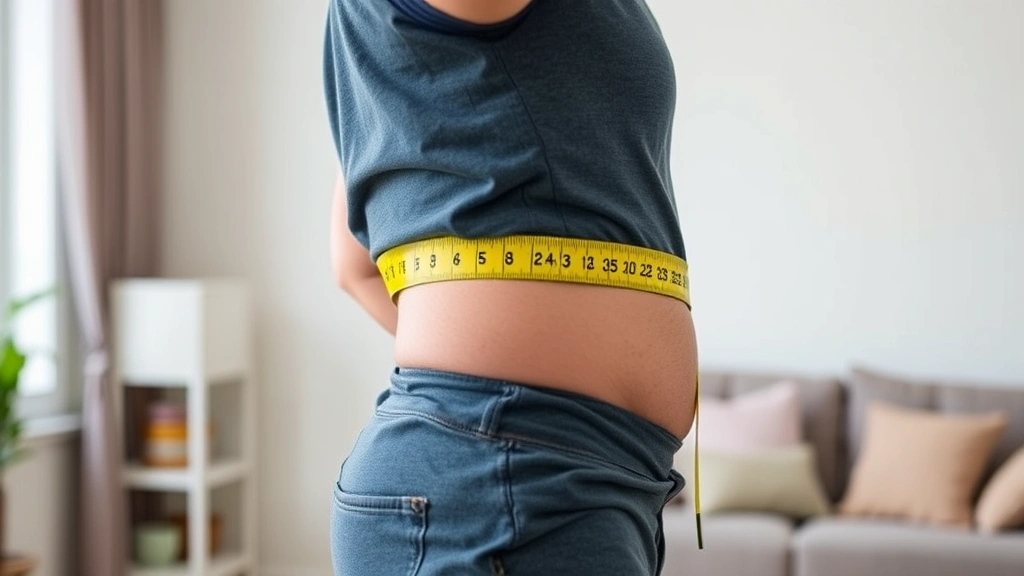
While the basic technique remains the same, different purposes might require slight variations or additional measurements.
For Clothing Purchases
When buying clothes online or in-store, measure your chest and compare it to the brand’s size chart. Many retailers provide detailed sizing information that correlates chest measurements to specific sizes. Don’t assume that your size is consistent across all brands—fashion brands often have different sizing standards. If you’re between sizes, check the product reviews or contact customer service for guidance on whether to size up or down.
For Athletic Wear
Athletic clothing often requires a slightly different approach. Some athletic brands prefer measuring with your arms slightly raised to the sides, as this better represents how the garment will fit during activity. Check the specific brand’s measurement instructions before ordering. For reference, you might also want to measure related dimensions like understanding how to measure properly applies to all body measurements with consistent methodology.
For Custom or Tailored Clothing
If you’re having clothing custom-made or tailored, a professional tailor may take additional measurements beyond just chest size. They might measure your chest, underbust, shoulder width, sleeve length, and torso length. Provide your measurements exactly as the tailor requests, and don’t be surprised if their measurements differ slightly from yours—professionals often use slightly different reference points for consistency in their craft.
For Medical or Fitness Purposes
Healthcare providers and fitness professionals may have specific measurement protocols. Always ask for their preferred measurement location and technique. Some fitness programs track multiple measurements around the chest at different heights to monitor muscle development in different areas.
Recording and Tracking Results
Once you have your measurement, record it properly so you can track changes over time. Create a simple spreadsheet or use a notes app with the following information: the date of measurement, your chest measurement, what you were wearing (if anything), and any relevant notes about your condition (for example, whether you’d recently exercised or eaten a large meal).
If you’re tracking fitness progress, measure yourself at the same time of day under similar conditions each time. Many people prefer to measure in the morning before eating, as this provides the most consistent baseline. Keep measurements at least 2-4 weeks apart, as changes in chest size typically occur gradually.
When comparing measurements over time, remember that small variations (half an inch or less) are normal and might reflect hydration levels, recent meals, or time of day rather than actual changes in body composition. Look for trends over several weeks rather than obsessing over single measurements.
For clothing purchases, note which brands and sizes fit well with your current chest measurement. This information becomes invaluable when shopping online or trying new brands. You might discover that your chest measurement is a 40 inches, but that translates to a medium in Brand A and a large in Brand B. Recording these details saves time and frustration.
Creating a Measurement Tracking System
Consider using a dedicated fitness app or a simple spreadsheet to track your measurements. Include columns for date, chest measurement, and any other relevant measurements like shoulder width or waist size. Some people prefer to take progress photos alongside measurements for visual documentation of changes. This multi-method approach provides the most comprehensive tracking of your fitness or sizing journey.
FAQ
What’s the difference between chest measurement and bra size?
Chest measurement is the full circumference around the fullest part of your chest. Bra size, however, uses two measurements: the band size (measured directly under the bust) and the cup size (determined by comparing the bust measurement to the band measurement). These are related but distinct measurements used for different purposes.
How often should I measure my chest?
If you’re tracking fitness progress, measure every 4-8 weeks. For clothing purchases, measure whenever your weight or body composition changes significantly. For most people, annual measurements are sufficient unless you’re actively working on fitness or body composition changes.
Should I measure my chest with or without clothes?
For the most accurate measurement, measure directly against your skin or over a thin, fitted shirt. Avoid thick clothing, sweaters, or multiple layers, as these add bulk and skew your results. The key is consistency—always measure under the same conditions for valid comparisons over time.
Why do my measurements vary when I measure multiple times?
Small variations are normal due to factors like hydration, recent meals, time of day, and slight positioning differences. If variations exceed half an inch, you may not be positioning the tape at the same height each time. Use your mirror to verify consistent placement, and take the average of multiple measurements for accuracy.
Can I measure my chest using a regular ruler or measuring tape?
A flexible measuring tape designed for body measurements is essential. Rigid measuring tapes (like those used in construction) won’t conform to your body’s curves and will give inaccurate results. Soft measuring tapes are inexpensive and widely available.
How do I measure my chest if I have a large body size?
The technique remains the same regardless of body size. You may need a longer measuring tape (look for 60+ inch tapes). Having a helper hold the tape level while you read the measurement can be especially helpful for larger measurements. The principles of proper positioning and tension remain consistent.
What if my left and right sides are different sizes?
Most people have slight asymmetries in their body. Measure around the fullest part of your chest, which might naturally be slightly off-center. If you notice significant differences between sides, you might want to take separate measurements for each side and average them, but this is rarely necessary for clothing or general fitness tracking.
Should I measure my chest before or after exercise?
For consistency, measure at the same time relative to exercise. Many people measure in the morning before any activity. If you’re tracking fitness progress, avoid measuring immediately after intense chest workouts, as your chest will be temporarily engorged with blood and will measure larger than usual.

Related Posts

Superscript in Google Docs: Expert Tips

Strikethrough in Excel: Easy Steps for Beginners
