
Boost Your Baking: Craft Perfect Self-Rising Flour at Home
Self-rising flour is a baker’s secret weapon that combines the convenience of all-purpose flour with built-in leavening agents. This pantry staple eliminates the guesswork of measuring baking powder and salt for countless recipes, from fluffy biscuits to tender pancakes. While store-bought versions are readily available, learning how to make self rising flour at home offers superior freshness, cost savings, and complete control over your ingredients.
The beauty of homemade self-rising flour lies in its simplicity and versatility. With just three common ingredients found in most kitchens, you can create this essential baking component in minutes. Understanding the science behind this flour blend will not only improve your baking results but also help you troubleshoot recipes and adapt them to your preferences.
What Is Self-Rising Flour
Self-rising flour is a pre-mixed combination of all-purpose flour, baking powder, and salt that provides consistent leavening power for baked goods. Originally developed in England during the 1840s, this convenient flour blend became popular in the American South, where it remains a staple ingredient for traditional recipes like buttermilk biscuits and cornbread.
The standard ratio for self-rising flour contains approximately 6-8% protein content from the base flour, along with precisely measured amounts of baking powder and salt. This combination creates a reliable leavening system that produces tender, well-risen baked goods without requiring additional chemical leaveners in most recipes.
Commercial self-rising flour typically uses double-acting baking powder, which releases carbon dioxide twice: once when mixed with liquid ingredients and again when exposed to heat during baking. This dual-action process ensures optimal rise and texture in finished products.
Essential Ingredients You Need
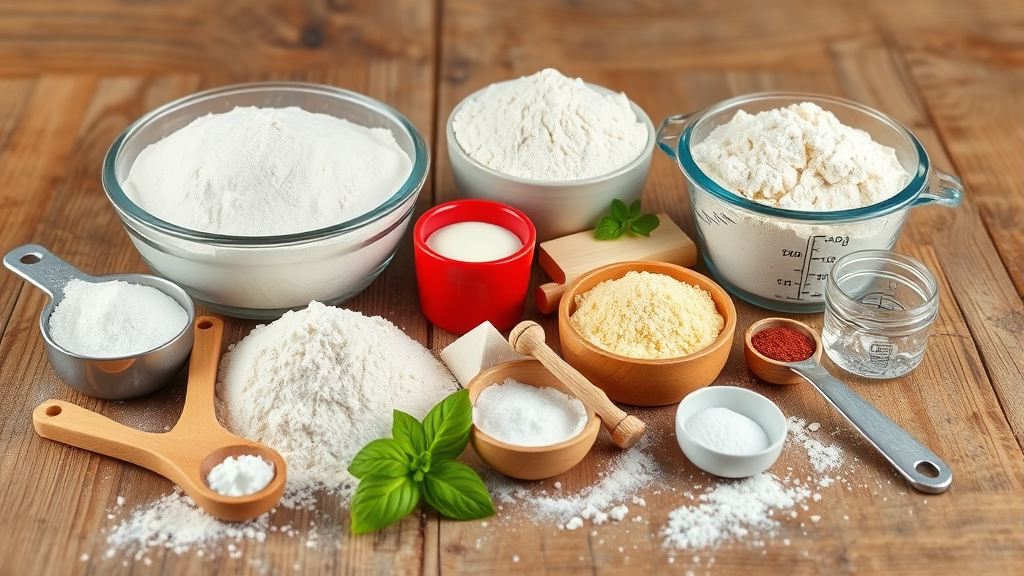
Creating perfect self-rising flour requires only three simple ingredients that most home bakers already have in their pantries. The quality and freshness of these components directly impact your baking results, so choosing the right products is essential.
All-Purpose Flour
The foundation of self-rising flour is high-quality all-purpose flour with a protein content between 10-12%. This moderate protein level provides enough structure for risen baked goods without creating tough textures. Avoid using bread flour, which has too much protein, or cake flour, which lacks sufficient strength for proper rise.
Baking Powder
Double-acting baking powder is crucial for consistent results. Check the expiration date before use, as old baking powder loses potency and won’t provide adequate lift. Fresh baking powder should foam vigorously when mixed with hot water, indicating active leavening power.
Salt
Fine table salt works best for even distribution throughout the flour mixture. The salt not only enhances flavor but also strengthens gluten structure and helps control the fermentation process in yeast-based applications. Avoid coarse salts that may not distribute evenly.
Step-by-Step Instructions
Learning how to make self rising flour is remarkably straightforward, requiring no special equipment or techniques. Follow these precise measurements and methods for consistently excellent results.
Basic Recipe Formula
- 1 cup all-purpose flour
- 1½ teaspoons baking powder
- ¼ teaspoon salt
Mixing Process
- Measure accurately: Use level measuring cups and spoons for precise ingredient ratios. Spoon flour into measuring cups and level with a knife edge.
- Combine dry ingredients: Add baking powder and salt to the measured flour in a large mixing bowl.
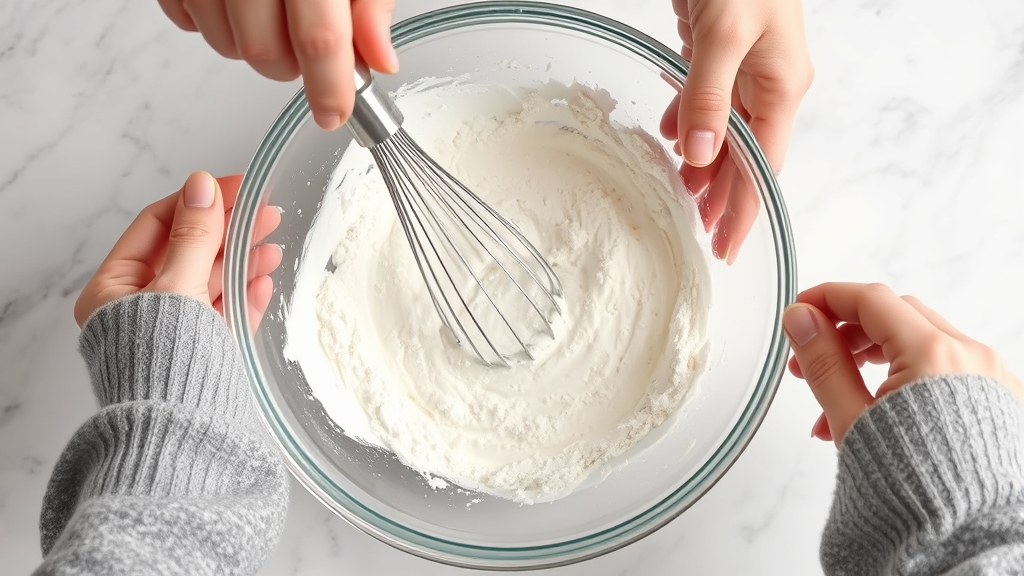
- Whisk thoroughly: Use a wire whisk to blend ingredients for at least 30 seconds, ensuring even distribution of leavening agents.
- Sift if desired: For ultra-smooth results, sift the mixture through a fine-mesh strainer twice.
- Test for uniformity: The finished flour should appear evenly colored with no visible streaks of baking powder or salt.
The Science Behind the Mixture
Understanding the chemical interactions in self-rising flour helps explain why specific ratios are essential for optimal baking results. The FDA regulates food additives including baking powder components, ensuring consistent quality in commercial products.
Baking powder contains sodium bicarbonate (baking soda) combined with acidic compounds like cream of tartar or sodium aluminum phosphate. When moisture activates these ingredients, they produce carbon dioxide gas that creates lift in baked goods. The double-acting formula provides immediate reaction with liquids plus delayed reaction from heat exposure.
Salt plays multiple roles beyond flavoring. It strengthens gluten networks, controls yeast activity, and helps retain moisture in finished products. The precise salt ratio prevents over-rising while ensuring adequate flavor development. Too little salt results in bland, poorly structured baked goods, while excess salt can inhibit proper rise.
Proper Storage and Shelf Life
Proper storage techniques maximize the effectiveness and longevity of homemade self-rising flour. Unlike regular flour, the added leavening agents make this mixture more sensitive to environmental conditions.
Storage Containers
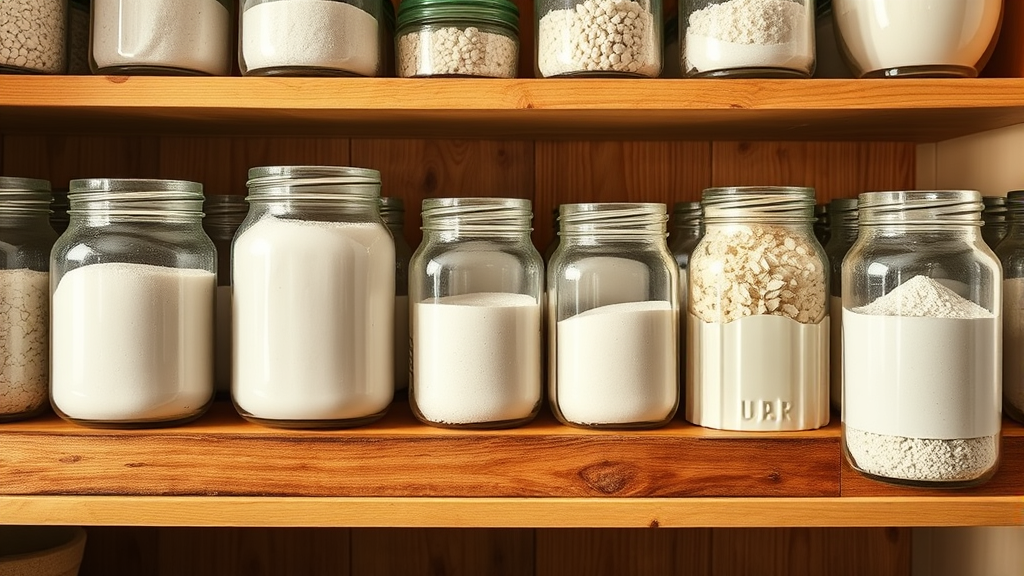
Store self-rising flour in airtight containers to prevent moisture absorption, which can activate baking powder prematurely. Glass jars, plastic containers with tight-fitting lids, or vacuum-sealed bags work well. Label containers with preparation dates for easy tracking.
Environmental Conditions
Keep containers in cool, dry locations away from heat sources and direct sunlight. Pantry temperatures between 60-70°F (15-21°C) are ideal. Avoid storing near stoves, dishwashers, or other heat-generating appliances that can reduce baking powder effectiveness.
Shelf Life Guidelines
Homemade self-rising flour maintains peak effectiveness for 3-6 months when stored properly. Beyond this timeframe, baking powder gradually loses potency, resulting in reduced rise in baked goods. Test older flour by mixing a small amount with hot water; vigorous bubbling indicates active leavening power.
Recipe Applications and Uses
Self-rising flour excels in quick bread recipes, biscuits, pancakes, and muffins where tender texture and reliable rise are priorities. Many Southern cuisine staples rely on this ingredient for their characteristic light, fluffy texture. Understanding when and how to use self-rising flour opens up numerous baking possibilities.
Classic Applications
- Buttermilk biscuits: The acid in buttermilk activates baking powder for exceptional rise and tangy flavor.
- Pancakes and waffles: Self-rising flour creates fluffy breakfast treats without measuring multiple leaveners.
- Quick breads: Banana bread, zucchini bread, and similar recipes benefit from built-in leavening.
- Muffins: Consistent rise and tender crumb make self-rising flour ideal for muffin recipes.
When adapting regular recipes to use self-rising flour, reduce or eliminate additional baking powder and salt. Most recipes work well with direct substitution, but delicate cakes may require adjustments to maintain proper balance. Similar to how making powdered sugar at home gives you control over texture, homemade self-rising flour lets you customize leavening strength.
Troubleshooting Common Issues
Even with careful preparation, baking challenges can arise when using self-rising flour. Recognizing common problems and their solutions helps ensure consistent success in your baking endeavors.
Dense, Heavy Results
Dense baked goods often indicate expired or insufficient baking powder. Test baking powder freshness by mixing with hot water; lack of bubbling means replacement is needed. Overmixing can also develop too much gluten, creating tough textures. Mix just until ingredients combine for optimal tenderness.
Excessive Rise and Collapse
Too much leavening causes dramatic rise followed by collapse as gas bubbles become unstable. This problem typically stems from measuring errors or using additional baking powder in recipes already containing self-rising flour. Always follow recipe measurements precisely.
Uneven Texture
Streaky or uneven textures suggest inadequate mixing of dry ingredients. Thorough whisking or sifting ensures even distribution of leavening agents. Temperature variations in ovens can also cause uneven results, so consider using an oven thermometer for accuracy.
Variations and Substitutions
Creative bakers can modify the basic self-rising flour formula to suit dietary restrictions or enhance specific recipes. These variations maintain the fundamental leavening principles while accommodating different needs and preferences.
Gluten-Free Version
Substitute all-purpose flour with gluten-free flour blends containing xanthan gum or guar gum for structure. Maintain the same ratios of baking powder and salt. Results may vary depending on the specific gluten-free flour blend used, so experimentation may be necessary.
Whole Wheat Alternative
Replace up to half the all-purpose flour with whole wheat flour for added nutrition and nutty flavor. The denser nature of whole wheat may require slightly more baking powder for equivalent rise. This substitution works particularly well in heartier baked goods like muffins and quick breads.
Just as you might adapt techniques when learning how to make heavy cream for different recipes, self-rising flour variations allow customization for specific baking needs. The key is maintaining proper ratios while accommodating ingredient substitutions.
Low-Sodium Options
Reduce salt content for dietary restrictions, but understand that this may affect flavor and texture. Start by cutting salt in half and adjust based on results. Some recipes may benefit from flavor enhancers like herbs or spices to compensate for reduced sodium.
When working with various baking projects, having fresh ingredients is crucial. Whether you’re maintaining a sourdough starter or preparing fresh fruit like learning how to clean strawberries for baking, attention to ingredient quality makes a significant difference in final results.
Frequently Asked Questions
Can I substitute self-rising flour for all-purpose flour in any recipe?
No, self-rising flour contains baking powder and salt, so direct substitution will alter recipe chemistry. When substituting, reduce or eliminate additional baking powder and salt in the original recipe. Self-rising flour works best in quick breads, biscuits, and similar recipes that rely on chemical leavening rather than yeast.
How long does homemade self-rising flour stay fresh?
Properly stored homemade self-rising flour maintains peak effectiveness for 3-6 months. The baking powder component gradually loses potency over time, reducing leavening power. Store in airtight containers in cool, dry locations and test older flour by mixing with hot water to check for active bubbling.
Why did my biscuits turn out flat when using self-rising flour?
Flat biscuits typically result from expired baking powder, overmixing the dough, or insufficient flour-to-liquid ratio. Check baking powder freshness, handle dough minimally, and ensure proper measurements. Additionally, using cold ingredients and avoiding overworking the dough helps maintain tender, risen results.
Can I make self-rising flour with cake flour instead of all-purpose flour?
While possible, cake flour’s lower protein content may produce more delicate results that don’t hold up well to the gas production from baking powder. All-purpose flour’s moderate protein level provides better structure for most applications requiring self-rising flour. Reserve cake flour substitutions for very tender baked goods.
Is it more economical to make self-rising flour at home?
Yes, making self-rising flour at home typically costs 30-50% less than purchasing commercial versions. You also gain control over ingredient quality and freshness while reducing packaging waste. The savings become more significant when baking frequently or in large quantities.
What’s the difference between self-rising flour and adding baking powder to regular flour?
Self-rising flour pre-mixes ingredients in precise ratios for consistent results, while adding baking powder to regular flour requires careful measurement each time. The pre-mixed version ensures even distribution and eliminates measurement errors that can affect rise and texture. Commercial self-rising flour may also use different baking powder formulations optimized for shelf stability.
Can I freeze homemade self-rising flour to extend its shelf life?
Freezing can extend storage life up to one year, but may affect baking powder effectiveness. Allow frozen flour to reach room temperature before use and test leavening power with hot water. Double-wrap containers to prevent moisture absorption, which can activate baking powder prematurely and reduce effectiveness.

Related Posts

How Long to Boil Lobster Tails: Cooking Guide

How Long to Fly from New York to London? Travel Times
