
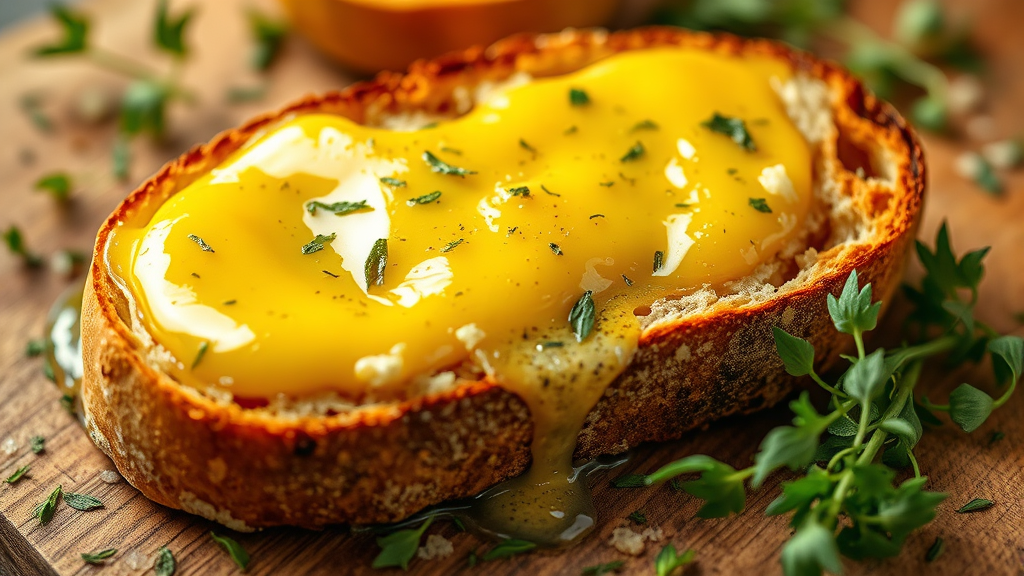
Master the Art of Making Irresistible Garlic Butter at Home
Garlic butter is one of the most versatile and beloved culinary creations that can transform even the simplest dishes into gourmet experiences. This aromatic compound butter combines the rich, creamy texture of butter with the pungent, savory flavor of garlic, creating a perfect harmony that enhances everything from bread and vegetables to seafood and steaks. Whether you’re a seasoned chef or a home cooking enthusiast, mastering how to make garlic butter is an essential skill that will elevate your culinary repertoire.
The beauty of garlic butter lies in its simplicity and endless possibilities. With just a few basic ingredients and simple techniques, you can create a flavor powerhouse that stores well and adds instant sophistication to any meal. From spreading on crusty bread to melting over grilled corn, garlic butter serves as both a cooking medium and a finishing touch that brings restaurant-quality flavor to your home kitchen.
Essential Ingredients for Perfect Garlic Butter
Creating exceptional garlic butter starts with selecting high-quality ingredients. The foundation of any great garlic butter is premium unsalted butter, which provides a clean canvas for the garlic’s robust flavor without competing saltiness. Look for European-style butter with higher fat content for richer taste and smoother texture. The butter should be at room temperature for easy mixing and optimal ingredient incorporation.
Fresh garlic is absolutely crucial for achieving the best flavor profile. While pre-minced garlic from jars might seem convenient, fresh garlic cloves provide superior taste, aroma, and texture. Choose firm, plump garlic bulbs without green shoots or soft spots. If you’re interested in growing your own garlic for the freshest possible ingredient, consider learning how to grow garlic in your garden for year-round supply.
Salt plays a vital role in enhancing and balancing flavors. Use fine sea salt or kosher salt rather than table salt for better flavor distribution. Fresh herbs like parsley, chives, or thyme can add color and complementary flavors, while a squeeze of fresh lemon juice brightens the overall taste profile and helps preserve the butter’s freshness.
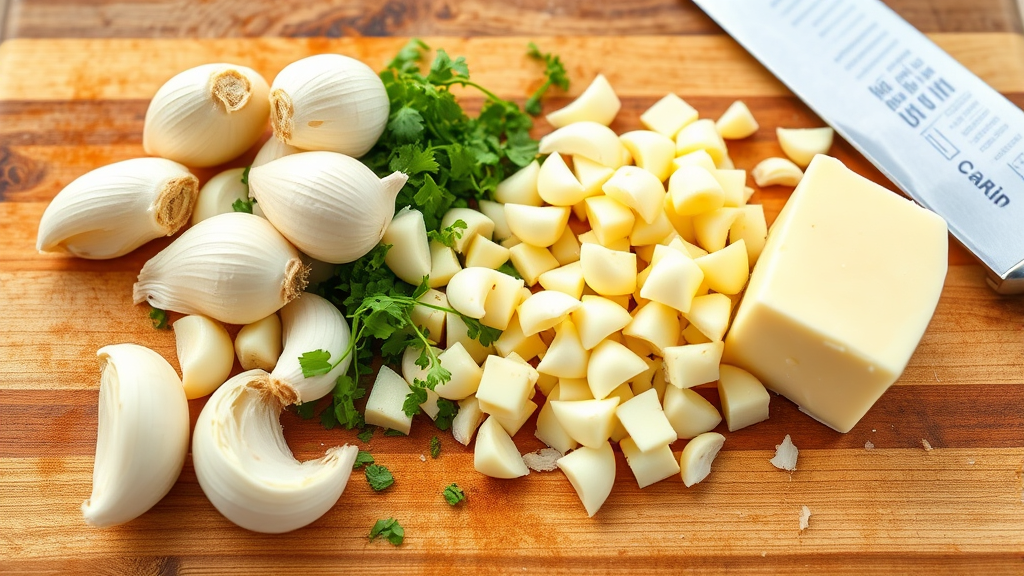
Basic Garlic Butter Recipe and Technique
The fundamental technique for making garlic butter involves properly preparing and combining ingredients to achieve smooth, well-distributed flavors. Start with one stick (half cup) of room-temperature unsalted butter as your base. Allow the butter to sit at room temperature for 30-45 minutes until it’s soft enough to easily press with your finger but not melted.
Prepare 3-4 fresh garlic cloves by removing papery skins and mincing finely. For the smoothest texture, consider using a garlic press or microplane grater. Some chefs prefer grating garlic on the fine side of a box grater for optimal distribution. The finer the garlic, the more evenly it will incorporate into the butter and the more uniform the flavor will be throughout.
In a medium mixing bowl, combine the softened butter with minced garlic, adding 1/4 teaspoon of salt and 1 tablespoon of freshly chopped parsley. Using a fork or wooden spoon, mix thoroughly until all ingredients are evenly distributed. For professional results, use the creaming method: beat the butter first until light and fluffy, then gradually incorporate other ingredients.
According to the FDA’s food safety guidelines, proper handling of garlic and butter combinations is essential for food safety, particularly when storing for extended periods.
Delicious Flavor Variations and Add-ins
Once you’ve mastered the basic garlic butter recipe, experimenting with different flavor combinations opens up endless culinary possibilities. Herb-infused variations are particularly popular and easy to create. Try adding fresh rosemary and thyme for an earthy, Mediterranean flavor profile, or incorporate dill and chives for a lighter, more delicate taste that pairs beautifully with fish dishes.
Spicy garlic butter variations can add excitement to your cooking repertoire. Incorporate red pepper flakes, cayenne pepper, or finely minced jalapeños for heat. For a more sophisticated spicy option, try adding a small amount of high-quality hot sauce or chipotle powder for smoky complexity.
Cheese-enhanced garlic butter creates an indulgent spread perfect for bread and vegetables. Grated Parmesan cheese adds nutty, salty notes, while crumbled blue cheese provides bold, tangy flavors. When incorporating cheese, ensure it’s finely grated or crumbled for smooth integration with the butter base.
Sweet and savory combinations can create unique flavor profiles. A touch of honey balances garlic’s sharpness, while dried herbs like oregano or basil add depth. For Asian-inspired variations, consider adding sesame oil, soy sauce, or fresh ginger for an entirely different flavor direction.
Storage Tips and Shelf Life
Proper storage techniques ensure your homemade garlic butter maintains optimal flavor and safety. Fresh garlic butter should be stored in the refrigerator and used within one week for best quality and food safety. Wrap the butter tightly in plastic wrap or store in an airtight container to prevent absorption of other refrigerator odors and maintain freshness.
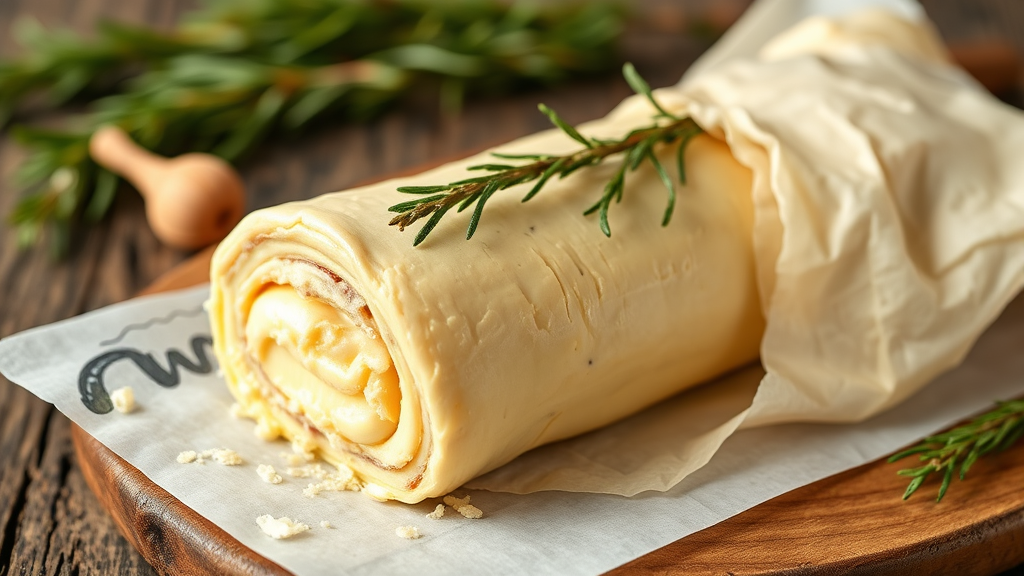
For longer storage, garlic butter freezes exceptionally well for up to three months. Shape the butter into logs using parchment paper or plastic wrap, or freeze in ice cube trays for convenient portion control. When freezing, label containers with preparation dates and contents for easy identification.
Room temperature storage is not recommended for garlic butter due to food safety concerns. The combination of garlic and butter creates conditions that can promote bacterial growth when left unrefrigerated. Always return garlic butter to refrigeration promptly after use, especially during warm weather or extended cooking sessions.
According to CDC guidelines on botulism prevention, garlic-in-oil preparations require special attention to prevent dangerous bacterial growth, making proper refrigeration essential for safety.
Culinary Applications and Serving Ideas
Garlic butter’s versatility makes it an invaluable addition to countless dishes and cooking techniques. As a bread spread, it transforms ordinary loaves into restaurant-quality garlic bread. Slice fresh baguettes or Italian bread, spread generously with garlic butter, and toast until golden for a perfect appetizer or side dish.
For vegetable preparations, garlic butter enhances roasted, steamed, or sautéed vegetables beautifully. Toss roasted Brussels sprouts, asparagus, or broccoli with melted garlic butter for instant flavor elevation. The butter also works wonderfully when preparing white rice, adding richness and aromatic complexity to this staple grain.
Seafood and garlic butter create classic pairings that never disappoint. Use it to baste grilled salmon, toss with pasta and shrimp, or melt over steamed lobster tails. The butter’s richness complements seafood’s delicate flavors without overwhelming them.
Meat applications include finishing steaks, flavoring roasted chicken, or creating compound butter medallions that melt beautifully over hot proteins. When cooking proteins, add garlic butter during the last few minutes of cooking to preserve its fresh garlic flavor and prevent burning.
Pasta dishes benefit enormously from garlic butter’s rich, aromatic qualities. Toss hot pasta with garlic butter, fresh herbs, and Parmesan cheese for a simple yet elegant meal. The butter helps create silky sauces that coat pasta evenly while delivering intense flavor in every bite.
Troubleshooting Common Issues
Several common issues can arise when making garlic butter, but most are easily preventable with proper technique. Lumpy or grainy texture often results from butter that’s too cold or ingredients that haven’t been properly incorporated. Ensure butter reaches proper room temperature softness and mix thoroughly for smooth consistency.
Overpowering garlic flavor typically occurs from using too much garlic or garlic that’s been burned during preparation. Start with smaller amounts and adjust to taste. If garlic flavor becomes too intense, balance it with additional butter, herbs, or a small amount of heavy cream for mellowing.
Separation or oil pooling can happen when butter becomes too warm during mixing or storage. Keep ingredients at proper temperatures and work quickly during preparation. If separation occurs, refrigerate briefly and re-mix gently to restore proper consistency.
Uneven flavor distribution results from inadequate mixing or improperly prepared garlic. Ensure garlic is minced finely and evenly, and mix thoroughly to distribute all ingredients uniformly throughout the butter base.
Color changes or off-flavors may indicate spoilage or improper storage. Fresh garlic butter should maintain its pale yellow color with green herb flecks. Any gray, brown, or unusual coloration suggests the butter should be discarded for safety reasons.
Research from Iowa State University Extension provides detailed information about proper food handling techniques that apply to homemade butter preparations.
Frequently Asked Questions
Can I use salted butter instead of unsalted butter for garlic butter?
While you can use salted butter, unsalted butter is strongly recommended for better flavor control. Salted butter contains varying amounts of salt that can make your garlic butter too salty and mask the delicate garlic flavors. If you must use salted butter, reduce or eliminate additional salt in your recipe and taste carefully before adding more seasoning.
How long does homemade garlic butter last in the refrigerator?
Homemade garlic butter stays fresh in the refrigerator for up to one week when stored properly in an airtight container. The combination of fresh garlic and butter creates conditions that require careful storage and timely consumption for food safety. Always check for any off-odors, color changes, or unusual texture before using stored garlic butter.
Can I freeze garlic butter for later use?
Yes, garlic butter freezes excellently for up to three months. Shape it into logs wrapped in parchment paper, freeze in ice cube trays for portion control, or store in freezer-safe containers. Label with dates and contents for easy identification. Thaw frozen garlic butter in the refrigerator and use within one week after thawing.
What’s the best way to soften butter quickly for making garlic butter?
The safest method is planning ahead and leaving butter at room temperature for 30-45 minutes. For quicker softening, cut butter into small cubes to increase surface area, or grate cold butter using a box grater. Avoid microwaving, which can create uneven softening and potentially melt portions of the butter, affecting final texture.
Can I make garlic butter with roasted garlic instead of fresh?
Absolutely! Roasted garlic creates a milder, sweeter flavor profile that many people prefer. Roast whole garlic bulbs until soft and caramelized, then mash the roasted cloves into your butter base. This technique produces a more mellow, nutty garlic flavor compared to the sharp intensity of fresh raw garlic.
Is it safe to leave garlic butter at room temperature for serving?
Garlic butter should not be left at room temperature for extended periods due to food safety concerns. For serving, remove only the amount you’ll use within 1-2 hours and keep the remainder refrigerated. The combination of garlic and butter can promote bacterial growth when stored at room temperature, particularly in warm conditions.
What herbs work best in garlic butter besides parsley?
Many herbs complement garlic butter beautifully. Chives add mild onion flavor, rosemary provides earthy richness, thyme offers subtle complexity, and basil contributes sweet, aromatic notes. Dill works wonderfully with seafood dishes, while oregano adds Mediterranean flair. Start with small amounts and adjust to your taste preferences, as dried herbs are more concentrated than fresh ones.

Related Posts

How Long to Boil Lobster Tails: Cooking Guide

How Long to Fly from New York to London? Travel Times
