
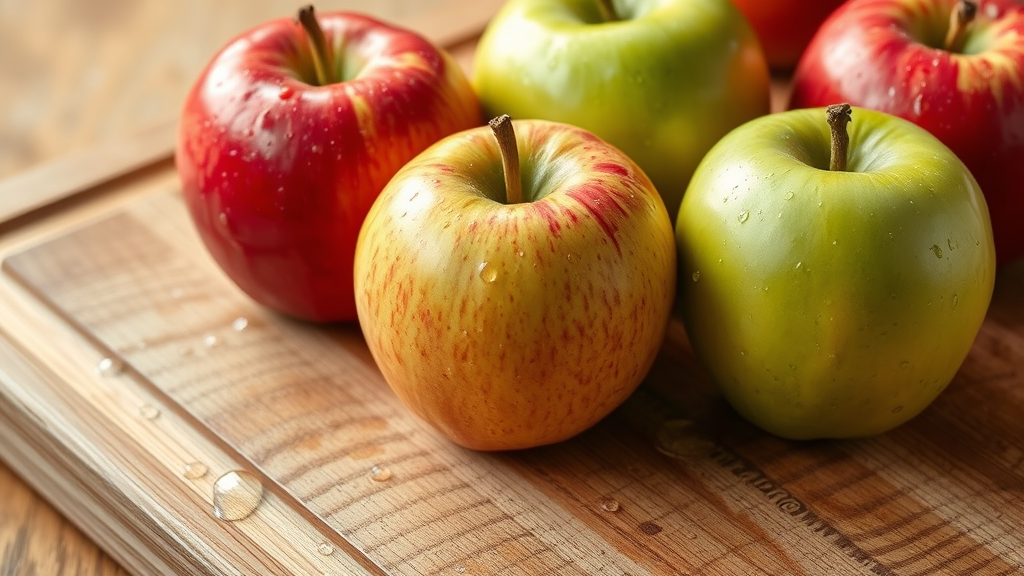
Keep Apples Fresh: Stop Browning with These Simple Tips
Few things are more disappointing than cutting into a beautiful apple only to watch it turn brown within minutes. This natural oxidation process, while harmless, can make fresh apples look unappetizing and affect their taste and texture. Understanding how to keep apples from turning brown is essential knowledge for anyone who enjoys this nutritious fruit, whether you’re packing lunch boxes, preparing fruit salads, or storing cut apples for later use.
Apple browning occurs when enzymes in the fruit react with oxygen in the air, creating compounds called quinones that give the flesh its characteristic brown color. Fortunately, there are numerous proven methods to prevent or slow down this oxidation process, allowing you to enjoy fresh, crisp apple slices for hours or even days. From simple household ingredients to proper storage techniques, these strategies will help you maintain the visual appeal and quality of your apples.
Understanding the Science Behind Apple Browning
The browning process in apples is scientifically known as enzymatic browning, a chemical reaction that occurs when phenolic compounds in apple cells come into contact with oxygen. When you cut an apple, you damage the cell walls, allowing enzymes called polyphenol oxidases (PPO) to mix with phenolic compounds and oxygen from the air. This reaction produces quinones, which then polymerize to form brown-colored compounds called melanoidins.
The rate of browning varies significantly between different apple varieties. Some apples, like Red Delicious and Golden Delicious, brown very quickly due to high levels of PPO enzymes and phenolic compounds. Others, such as Honeycrisp and Pink Lady varieties, contain natural compounds that slow the browning process. Understanding this science helps explain why certain prevention methods work more effectively than others.
Temperature, pH levels, and the presence of certain minerals also affect browning rates. Warmer temperatures accelerate the enzymatic reaction, while acidic conditions and certain antioxidants can significantly slow it down. This knowledge forms the foundation for all effective apple preservation techniques. Just as knowing how to tell if eggs are good helps with food safety, understanding apple oxidation helps maintain fruit quality.
Acidic Solutions: Natural Browning Prevention
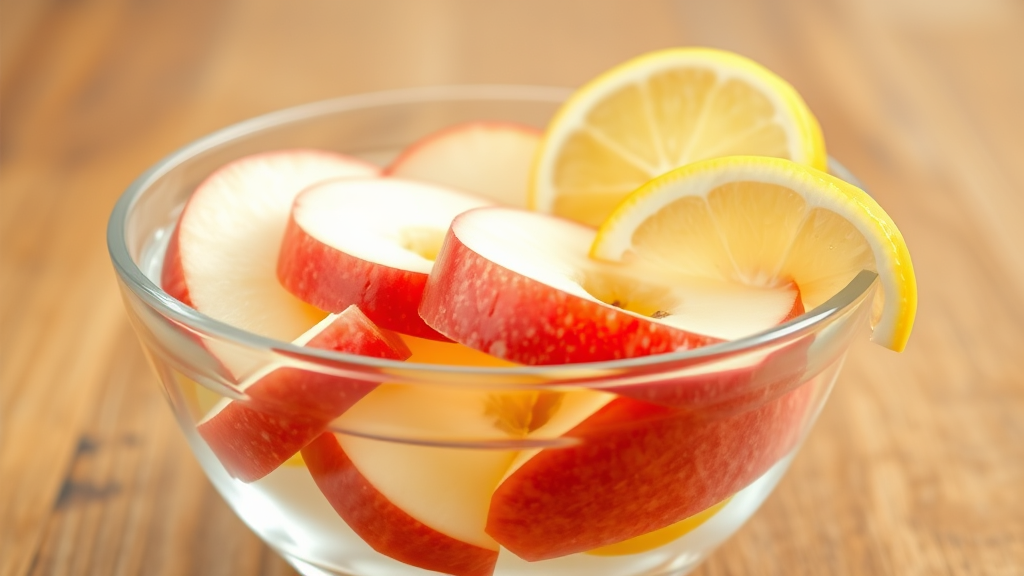
Acidic treatments are among the most effective and widely used methods for preventing apple browning. The acid lowers the pH around the apple tissue, creating an environment where PPO enzymes cannot function effectively. Lemon juice is the most popular choice, containing high levels of citric acid and vitamin C (ascorbic acid), both powerful antioxidants that neutralize the browning reaction.
To use lemon juice effectively, mix one tablespoon of fresh lemon juice with one cup of water and briefly dip apple slices in the solution. This method can prevent browning for 8-12 hours when apples are stored properly. Fresh lemon juice works better than bottled versions because it contains higher levels of active compounds. You can also brush lemon juice directly onto cut surfaces for immediate protection.
Other citrus fruits work similarly well. Lime juice, orange juice, and even grapefruit juice contain citric acid that prevents oxidation. Vinegar, particularly apple cider vinegar, provides another acidic option. Mix two tablespoons of vinegar with one cup of water for an effective anti-browning solution. While vinegar may impart a slight taste, it’s often preferred for savory applications like salads.
Pineapple juice deserves special mention as an excellent browning preventative. Beyond its natural acidity, pineapple juice contains bromelain, an enzyme that helps break down proteins and provides additional preservation benefits. This makes it particularly useful when preparing fruit salads where multiple fruits need protection. Understanding how to tell if a pineapple is ripe ensures you’re using the best quality fruit for these applications.
Water-Based Prevention Techniques
Water-based methods offer gentler alternatives to acidic solutions, particularly useful when you want to avoid any flavor changes. Salt water creates a barrier that temporarily prevents oxygen from reaching apple surfaces. Mix half a teaspoon of salt in one cup of water and soak apple slices for 1-2 minutes. Rinse briefly before serving to remove excess salt. This method provides protection for 2-4 hours and doesn’t alter the apple’s natural taste significantly.
Honey water represents another effective water-based solution. Honey contains natural antioxidants and creates a protective coating on apple surfaces. Mix two tablespoons of honey with one cup of water and dip apple slices for 30 seconds. The natural sugars in honey help seal the apple’s surface while providing subtle sweetness. This method works particularly well for children’s snacks or when preparing apples for desserts.
Ice water immersion can slow browning through temperature reduction alone. Submerging cut apples in ice water immediately after cutting significantly slows enzymatic reactions. While this method doesn’t provide long-term protection, it’s useful for short-term storage during food preparation. The cold temperature keeps apples crisp while buying you valuable time before applying other preservation methods.
Carbonated water offers an interesting alternative that combines slight acidity with the physical barrier of dissolved carbon dioxide. The bubbles help displace oxygen around apple surfaces while the mild acidity provides additional protection. This method works well for party presentations where you want to maintain the apples’ natural appearance and taste.
Advanced Preservation Methods
For longer-term preservation, several advanced techniques provide superior protection against browning. Vacuum sealing removes oxygen completely, eliminating the primary cause of oxidation. This method can keep apple slices fresh and white for several days when combined with refrigeration. Vacuum-sealed apples maintain their texture better than those treated with liquid solutions, making this ideal for meal preparation and long-term storage.
Ascorbic acid tablets, available at most pharmacies, provide concentrated vitamin C for apple preservation. Crush one 500mg tablet and dissolve it in one cup of water to create a powerful anti-browning solution. This pharmaceutical-grade approach offers precise dosing and consistent results. Ascorbic acid is flavorless and provides longer-lasting protection than most household alternatives.
Modified atmosphere packaging involves replacing the air around apples with nitrogen or carbon dioxide. While typically used in commercial food processing, home versions using dry ice or nitrogen canisters can achieve similar results. This method is particularly useful for large batches of apples or when preparing fruit for events where presentation is crucial.
Enzymatic treatments using natural enzyme inhibitors represent cutting-edge preservation technology. Certain plant extracts, including those from green tea and rosemary, contain compounds that directly inhibit PPO enzymes. While more complex to implement, these methods offer natural, effective browning prevention without altering taste or texture. Research from the United States Department of Agriculture continues to develop new enzymatic inhibition techniques for commercial and home use.
Proper Storage for Maximum Freshness
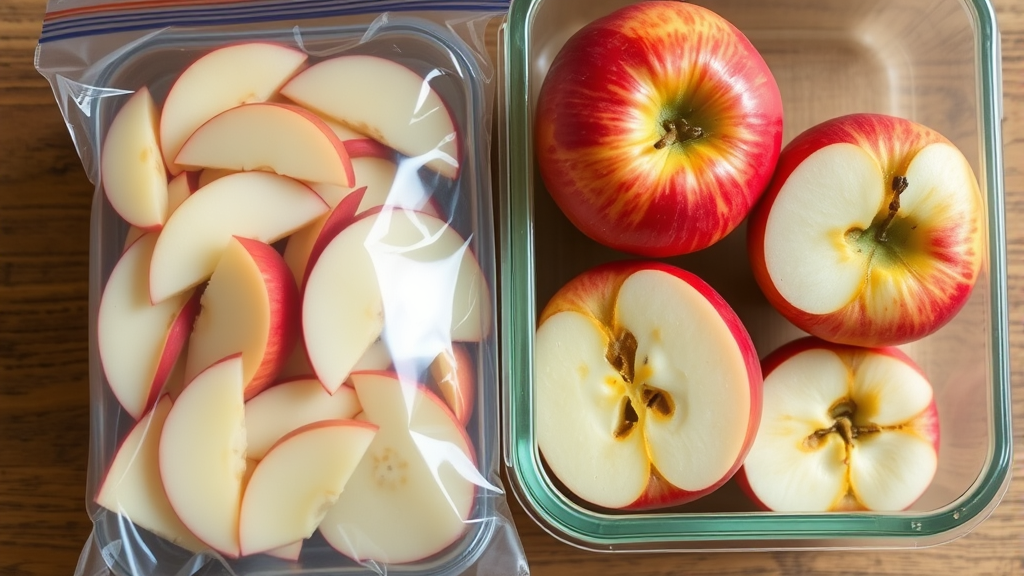
Effective storage techniques complement browning prevention methods and extend apple freshness significantly. Refrigeration slows all chemical reactions, including enzymatic browning. Store treated apple slices in airtight containers in the refrigerator, where temperatures below 40°F dramatically reduce enzyme activity. Proper container selection prevents additional oxygen exposure while maintaining humidity levels that keep apples crisp.
Wrapping individual apple slices in plastic wrap creates personal oxygen barriers that provide excellent protection. This method works particularly well for lunch boxes or individual servings. Press the plastic wrap directly against the apple surface to minimize air pockets. Double-wrapping provides additional security for longer storage periods.
Layering techniques help when storing multiple apple slices together. Place parchment paper between layers to prevent slices from sticking together while maintaining their protective treatments. This approach works well with any liquid preservation method and makes it easy to remove individual servings without disturbing the entire batch.
Container choice significantly impacts storage success. Glass containers with tight-fitting lids provide excellent oxygen barriers and don’t absorb flavors from acidic treatments. Stainless steel containers offer similar benefits for larger quantities. Avoid reactive metals like aluminum, which can interact with acidic solutions and potentially affect apple flavor. Similar attention to storage details applies to other fresh produce, just as proper storage matters when learning how to clean strawberries for maximum freshness.
Choosing Apple Varieties That Brown Slowly
Selecting the right apple varieties provides natural browning resistance and reduces the need for chemical treatments. Honeycrisp apples contain high levels of natural antioxidants that significantly slow oxidation. Their cellular structure also holds up well to cutting and storage, maintaining crispness longer than most varieties. Pink Lady apples offer similar benefits with their naturally high acid content and robust cellular structure.
Granny Smith apples, while tart, possess excellent browning resistance due to their high malic acid content. This natural acidity provides built-in protection against oxidation, making them ideal for situations where you want to minimize additional treatments. Their firm texture also withstands cutting and storage better than softer varieties.
Arctic apples represent a biotechnology breakthrough in browning prevention. These genetically modified varieties have reduced PPO enzyme activity, allowing them to stay white for weeks after cutting without any treatment. While controversial, they’re approved by the Food and Drug Administration and offer unprecedented convenience for commercial and home use.
Newer hybrid varieties continue to emerge with improved browning resistance. Cosmic Crisp, SweeTango, and Jazz apples all demonstrate superior oxidation resistance compared to traditional varieties. When selecting apples for cutting and storage, consider these modern varieties that combine excellent flavor with natural preservation qualities. The same attention to variety selection applies to other fruits, such as understanding how to ripen bananas fast for optimal eating quality.
Understanding seasonal variations also helps with variety selection. Apples harvested later in the season often have higher antioxidant levels and better storage characteristics. Early-season apples may brown more quickly due to lower concentrations of protective compounds. Research from Cornell University demonstrates that storage conditions during growing and harvesting significantly impact final fruit quality and browning susceptibility.
Commercial treatments applied to store-bought apples can affect browning rates. Some apples receive post-harvest treatments with natural or synthetic antioxidants that provide additional protection. Organic apples, while free from synthetic treatments, may brown more quickly but often have better overall flavor and nutritional profiles. Understanding these factors helps you make informed decisions about apple selection and treatment needs.
Frequently Asked Questions
How long can treated apple slices stay fresh without browning?
Properly treated apple slices can remain white and fresh for 8-24 hours at room temperature, depending on the method used. Lemon juice treatment typically provides 8-12 hours of protection, while ascorbic acid solutions can extend this to 18-24 hours. When refrigerated, treated apples can maintain their appearance and quality for 2-3 days. Vacuum-sealed apples with proper treatment may stay fresh for up to a week when refrigerated.
Does preventing browning affect the nutritional value of apples?
Most browning prevention methods have minimal impact on apple nutrition. Acidic treatments like lemon juice actually add vitamin C, enhancing nutritional value. Salt water treatments don’t significantly affect nutrients when used briefly. However, prolonged soaking in any solution can cause some water-soluble vitamins to leach out. The nutritional benefits of preventing browning generally outweigh any minor losses, as it encourages consumption of fresh fruit that might otherwise be discarded.
Can I use these methods on other fruits that brown quickly?
Yes, most anti-browning techniques work effectively on other fruits prone to oxidation. Bananas, pears, peaches, and avocados all respond well to acidic treatments. However, adjustment may be needed for different fruits’ pH levels and enzyme activities. Delicate fruits may require gentler treatments or shorter exposure times. The same principles apply, but experimentation helps determine optimal methods for each fruit type, similar to learning specific techniques like how to cut a dragon fruit for different fruits.
What’s the best method for preparing apples for lunch boxes?
For lunch box preparation, combine lemon juice treatment with proper packaging for best results. Dip apple slices in lemon water solution, pat dry, and store in airtight containers with minimal air space. Individual wrapping in plastic wrap provides additional protection. Honeycrisp or Pink Lady varieties offer natural browning resistance that works well for packed lunches. Include a small ice pack to maintain cool temperatures and further slow oxidation.
Are there any natural alternatives to citrus juice for people with allergies?
Several natural alternatives work well for those with citrus allergies. Honey water provides gentle protection without acidic components. Salt water offers effective short-term prevention. Ascorbic acid tablets dissolved in water provide pure vitamin C without citrus compounds. Pineapple juice may work for some people with specific citrus allergies, though caution is advised. Apple cider vinegar, while acidic, doesn’t contain citrus allergens and provides good browning prevention.
Why do some apple slices brown faster than others from the same apple?
Browning rates can vary within the same apple due to differences in enzyme concentration and cellular structure throughout the fruit. Areas near the core often brown faster due to higher enzyme levels. Bruised or damaged areas brown more quickly because cell walls are already compromised. The age and storage conditions of the apple before cutting also affect enzyme activity. Additionally, exposure to air varies depending on how cleanly the apple is cut and which surfaces have the most contact with oxygen.
Can I prepare apple slices days in advance for a party?
Yes, with proper treatment and storage, apple slices can be prepared 2-3 days in advance. Use a strong ascorbic acid solution for treatment, vacuum seal if possible, and refrigerate immediately. Choose varieties like Honeycrisp or Arctic apples that resist browning naturally. For best presentation, prepare a backup batch 24 hours before the event. Consider preparing whole apples with just the core removed, then slicing just before serving for optimal freshness and appearance.

Related Posts

How Long to Boil Lobster Tails: Cooking Guide

How Long to Fly from New York to London? Travel Times
