Remove Super Glue from Fingers Safely: Expert Tips
Remove Super Glue from Fingers Safely: Expert Tips
Super glue accidents happen to everyone, whether you’re working on a household repair, crafting project, or DIY home improvement task. One moment of distraction and suddenly your fingers are stuck together or bonded to the project itself. The panic that follows is natural, but the good news is that removing super glue from your skin is entirely manageable with the right approach and patience.
In this comprehensive guide, we’ll walk you through proven methods to safely remove super glue from your fingers without causing damage to your skin. We’ll cover everything from household remedies to professional-grade solutions, along with prevention strategies to help you avoid this sticky situation in the future. Whether you’re dealing with a fresh accident or dried glue that’s been stuck for hours, you’ll find practical solutions here.
Why Super Glue Bonds to Skin
Understanding how super glue works will help you appreciate why certain removal methods are more effective than others. Super glue, scientifically known as cyanoacrylate adhesive, creates an incredibly strong bond through a chemical reaction that occurs when the glue contacts moisture. Your skin naturally contains moisture, which means super glue will bond to it almost instantly.
The bonding process happens in seconds, creating chains of polymer molecules that interlock with the outer layers of your skin. This is why super glue is so effective for repairs but also why it can feel like your fingers are permanently attached. The good news is that super glue bonds only to the top layers of your skin and won’t cause permanent damage if removed properly.
When you first realize you have super glue on your fingers, resist the urge to panic or pull your fingers apart forcefully. Doing so can tear the delicate skin on your fingertips and cause unnecessary pain and potential scarring. Instead, take a deep breath and follow the systematic approaches outlined in this guide.
Immediate Steps to Take
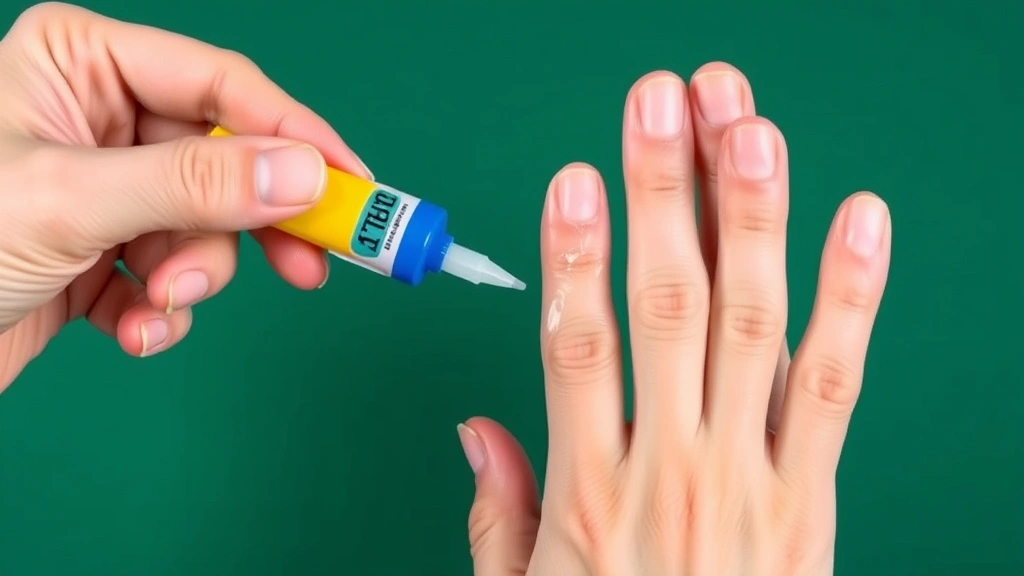
The first few minutes after a super glue accident are crucial. Your immediate response can significantly impact how easily you can remove the glue and how much discomfort you’ll experience.
Stop moving your fingers: If your fingers are stuck together or to an object, resist the urge to pull or twist. Sudden movements can cause skin tearing and increase the bond’s strength.
Assess the situation: Determine whether your fingers are bonded to each other, to an object, or if glue is simply coating your skin. This will help you choose the most appropriate removal method.
Don’t apply heat: While heat might seem like it would help, it actually accelerates the curing process of super glue, making it harder to remove. Keep your hands at room temperature.
Prepare your workspace: Gather all materials you’ll need before starting the removal process. Having everything within arm’s reach prevents you from needing to move your hand unnecessarily.
Wash gently: Before applying any solvents or remedies, wash the affected area with warm water and mild soap. This removes surface dirt and prepares your skin for treatment. Pat dry gently rather than rubbing.
Acetone-Based Removal Methods
Acetone is the most effective solvent for dissolving super glue, and it’s readily available in most households. Nail polish remover typically contains acetone, making it an accessible first-line treatment. When learning how to fix common household problems, understanding solvent-based solutions is essential.
Using nail polish remover: Soak a cotton ball or pad in acetone-based nail polish remover. Press it firmly against the glued area and hold it there for 30 to 60 seconds. The acetone will begin breaking down the super glue’s molecular bonds. After soaking, gently rub the area with the cotton ball using circular motions. You should feel the glue starting to loosen and ball up on your skin.
Repeat this process several times if necessary. Don’t rush the process—patience is key to avoiding skin damage. If the glue is particularly stubborn, you can leave the acetone-soaked cotton ball taped to your finger for 5 to 10 minutes to allow deeper penetration.
Pure acetone application: For more severe cases, you can use pure acetone rather than nail polish remover. Pure acetone is stronger and works faster, but it can be harsher on your skin. Apply it sparingly and avoid prolonged contact. Hardware stores and home improvement retailers carry pure acetone in their paint and solvent sections.
Precautions with acetone: Acetone can dry out your skin significantly, so limit exposure time and moisturize afterward. Ensure good ventilation when using acetone, as the fumes can be strong. If you have sensitive skin or skin conditions like eczema, test acetone on a small area first or consider alternative methods.
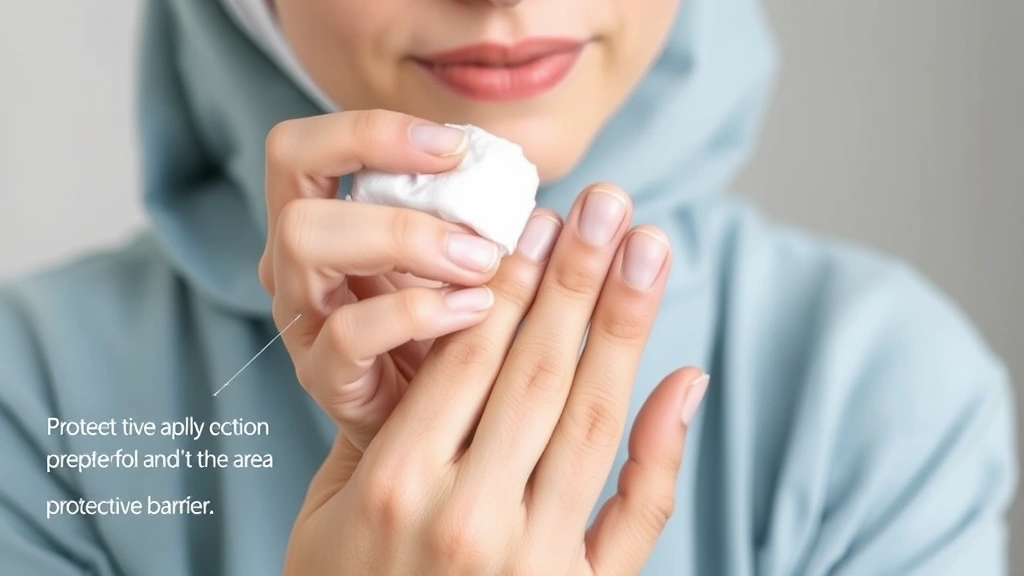
Preventing acetone damage: Apply a thin layer of petroleum jelly or coconut oil around the glued area before using acetone. This creates a barrier that protects surrounding skin from drying out while you work on removing the glue.
Natural and Household Remedies
If you prefer to avoid harsh chemicals or don’t have acetone readily available, several natural and household items can effectively remove super glue from your fingers.
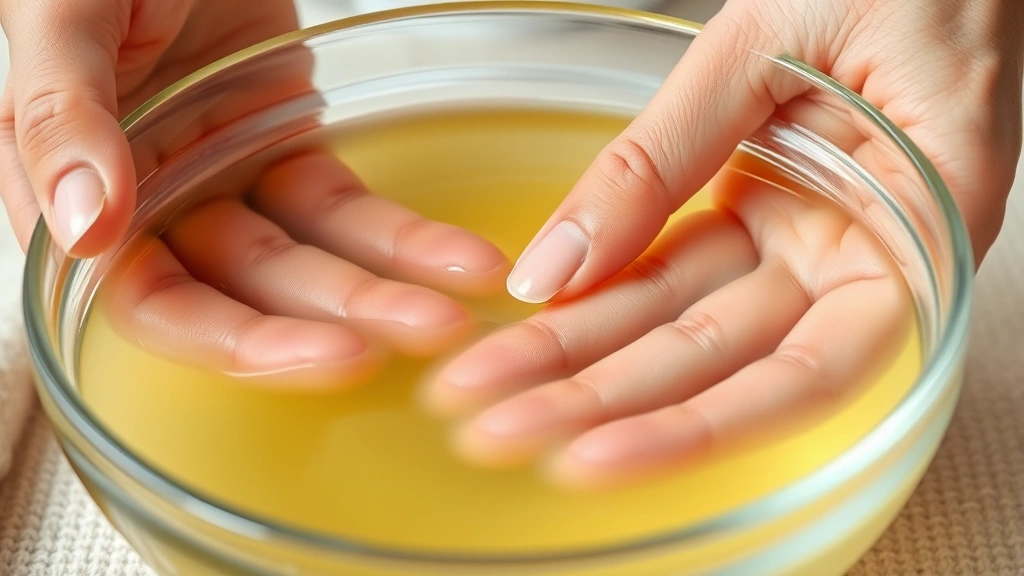
Olive oil and coconut oil: These oils work by penetrating beneath the glue and breaking the bond with your skin. Soak the affected area in warm olive oil or coconut oil for 15 to 20 minutes. The warmth of the oil enhances its effectiveness. After soaking, gently rub the glue with your other hand or a soft cloth. The glue should start to roll off in small balls. This method is gentler than acetone and won’t dry out your skin.
Lemon juice: The acidic nature of lemon juice can help dissolve super glue bonds. Cut a fresh lemon in half and soak your fingers directly in the juice for 10 to 15 minutes. Alternatively, soak a cotton ball in lemon juice and apply it to the glued area. This method works best on fresh glue and may require multiple applications for older, more stubborn bonds.
Vinegar solution: White vinegar is another acidic option that can break down super glue. Mix equal parts white vinegar and warm water, then soak your fingers in this solution for 15 minutes. The acidity works similarly to lemon juice but tends to be milder. This makes it a good option if you have sensitive skin.
Rubbing alcohol: While not as effective as acetone, rubbing alcohol can help soften super glue bonds. Soak a cotton ball in rubbing alcohol and apply it to the glued area for several minutes. Gently rub to encourage the glue to separate from your skin. You may need to repeat this process several times.
Peanut butter: The oils in peanut butter can work similarly to olive oil in breaking super glue bonds. Apply a generous amount of peanut butter to the glued area and let it sit for 10 to 15 minutes. The natural oils penetrate the glue, weakening its bond. This method is surprisingly effective and has the added benefit of being completely safe if accidentally ingested.
Advanced Techniques for Stubborn Glue
Sometimes super glue proves particularly resistant to removal, especially if it’s been drying for several hours. These advanced techniques can help tackle the most stubborn cases.
Combination approach: Layer multiple treatments for enhanced effectiveness. Start with acetone or a strong solvent, allow it to work for a few minutes, then switch to an oil-based remedy. This combination approach targets the glue from different angles, often breaking bonds that single treatments can’t solve.
Gentle mechanical removal: Once the glue begins to loosen from chemical or oil-based treatments, use a soft-bristled toothbrush or nail file to gently work at the edges. Never scrape aggressively or use sharp objects that could cut your skin. The goal is to encourage the glue to peel away naturally, not to forcibly remove it.
Warm water soaking: Soak your entire hand in warm (not hot) water for 10 to 15 minutes. This softens the glue and your skin, making the bond easier to break. After soaking, try gently rolling the glue between your fingers. The moisture and warmth work together to weaken the adhesive bond.
Epsom salt treatment: Add Epsom salt to warm water and soak your fingers for 20 minutes. The salt solution helps soften the glue while also being gentle on your skin. This method is particularly useful if you’ve already tried other approaches without complete success.
Repeated applications: Don’t expect instant results with stubborn glue. Plan to repeat your chosen treatment method every 15 to 20 minutes. Each application weakens the bond further until eventually, the glue releases completely. Patience and persistence are more effective than aggressive techniques.
Preventing Super Glue Accidents
The best way to deal with super glue on your fingers is to prevent it from happening in the first place. These prevention strategies will help you use super glue safely during home maintenance projects and repairs.
Protective barriers: Before using super glue, apply petroleum jelly or a thin layer of coconut oil to your fingers and surrounding skin. This creates a barrier that prevents the glue from bonding directly to your skin. Even if glue contacts your skin, it will bond to the oil layer rather than directly to your skin, making removal significantly easier.
Proper applicator use: Use the applicator tip that comes with super glue bottles rather than applying glue directly with your fingers. Most super glue bottles have precision applicators designed to deliver small, controlled amounts. This reduces the risk of excess glue contacting your skin.
Wear protective gloves: For projects involving extensive super glue use, wear nitrile or latex gloves. These gloves protect your skin while still allowing you to maintain good dexterity and control. Disposable gloves are inexpensive and readily available at any home improvement retailer.
Work in a controlled environment: Set up your workspace on a flat, stable surface with good lighting. Rushing or working in poor lighting increases the likelihood of accidents. Take your time and focus on the task at hand.
Keep removal supplies nearby: Always have acetone, oil, or your chosen removal method within arm’s reach before you start a project. If an accident does occur, being able to immediately apply the appropriate treatment makes removal much easier.
Avoid touching your face: Super glue accidents often become worse when people instinctively touch their face or hair after getting glue on their hands. Be mindful of where your hands are and avoid touching yourself until the glue is completely removed.
When to Seek Medical Help
In most cases, super glue on your fingers is a minor inconvenience that you can handle at home. However, certain situations warrant professional medical attention.
Glue in your eyes: If super glue contacts your eyes, this is a medical emergency. Rinse your eyes thoroughly with lukewarm water for at least 15 minutes and seek immediate emergency medical care. Don’t attempt to remove glue from your eyes yourself, as this could cause serious damage to your vision.
Glue in your mouth or throat: If you’ve accidentally ingested super glue or it’s stuck in your mouth or throat, contact poison control or seek emergency medical care immediately. While super glue is generally non-toxic, ingestion can cause serious complications.
Severe skin reactions: If you experience severe burning, blistering, or allergic reactions after super glue contact, seek medical attention. Some people have sensitivities to cyanoacrylate adhesives that require professional treatment.
Glue won’t come off after 24 hours: If you’ve tried multiple removal methods over several hours and the glue still won’t come off, visit an urgent care clinic or your doctor. Medical professionals have access to stronger solvents and can safely remove stubborn glue without damaging your skin.
Skin damage or infection: If your skin becomes infected or damaged during glue removal, seek medical care. Signs of infection include increased redness, warmth, swelling, or discharge from the area.
Fingernail damage: If glue has bonded your fingernail to your finger or surrounding skin, be especially careful during removal. If you can’t gently separate them, see a doctor to avoid permanent damage to your nail bed.
FAQ
How long does it take to remove super glue from fingers?
Removal time varies depending on how much glue is present and which removal method you use. Fresh glue typically takes 15 to 30 minutes with acetone, while oil-based methods may take 30 to 60 minutes. Stubborn, dried glue can take several hours and may require multiple treatment applications.
Will super glue permanently damage my skin?
No, super glue will not cause permanent damage when removed properly. It bonds only to the outermost layers of your skin and will naturally slough off over time even without treatment. Proper removal techniques simply speed up this process without causing harm.
Is acetone safe to use on skin?
Acetone is generally safe for short-term skin contact but can dry out your skin significantly. Limit exposure time to 10 to 15 minutes, and always moisturize afterward. If you have sensitive skin or reactions to acetone, switch to gentler methods like oils or vinegar.
Can I use water to remove super glue?
Water alone is not effective for removing super glue, though warm water soaking can help soften the glue and make it easier to remove with other methods. Water actually accelerates super glue’s curing process, so using water as your primary removal method won’t work.
What if my fingers are glued together?
If your fingers are bonded together, apply your chosen removal method (acetone, oil, or vinegar) between the fingers and let it soak for several minutes. Gently try to separate your fingers, but don’t force them. Reapply the treatment as needed until the glue releases enough for you to carefully peel your fingers apart.
Is it safe to use super glue around my mouth or on my lips?
Super glue should never be used intentionally near your mouth or lips. If accidental contact occurs, rinse thoroughly with water and contact poison control. While super glue is generally non-toxic, ingestion or contact with sensitive mouth tissues can cause complications.
Can I speed up the removal process?
Patience is more effective than aggressive techniques when removing super glue. Rushing the process or using force can damage your skin. Repeated applications of your chosen treatment method work better than longer single applications. Combining methods (acetone followed by oil, for example) can speed removal compared to using a single method alone.
Should I peel the glue off or let it dissolve?
Allow the glue to dissolve as much as possible before peeling. Once it begins rolling into small balls on your skin, you can gently rub it away. Only peel larger pieces if they come away easily. Forcing peeling can remove healthy skin layers along with the glue.
What’s the best prevention method?
Applying a barrier like petroleum jelly or coconut oil to your skin before using super glue is the most effective prevention method. This simple step dramatically reduces bonding to your actual skin. Wearing gloves and using precision applicators provides additional protection.

Related Posts
Remove Formatting in Word: Expert Tips
Remove Deodorant Stains? Expert Tips Inside