
Turkey Neck Solutions: Expert-Approved Tips
Turkey Neck Solutions: Expert-Approved Tips to Tighten and Tone
Turkey neck, medically known as cervical laxity or submental fullness, refers to the loose, sagging skin that develops around the neck and jawline area. This common cosmetic concern affects people of all ages but becomes increasingly prevalent as we age. The skin on the neck contains fewer oil glands and thinner dermal layers than facial skin, making it more susceptible to showing signs of aging, sun damage, and loss of elasticity.
Whether you’re dealing with hereditary factors, weight fluctuations, or natural aging, turkey neck doesn’t have to be a permanent fixture. This comprehensive guide explores both non-invasive and professional solutions to help you achieve a firmer, more defined neck and jawline. From targeted exercises and skincare routines to medical treatments, you’ll discover practical strategies that fit your lifestyle and budget.

Understanding Turkey Neck Causes
Before addressing solutions, it’s important to understand what causes turkey neck in the first place. The primary culprit is loss of skin elasticity, which occurs as collagen and elastin production naturally decrease with age. Collagen provides structural support, while elastin allows skin to stretch and return to its original shape. When these proteins diminish, skin becomes loose and saggy.
Several factors accelerate this process. Sun exposure is a major contributor—ultraviolet rays break down collagen and elastin fibers, leading to premature aging. Smoking also accelerates skin aging by reducing blood flow and depleting antioxidants. Weight fluctuations cause the skin to stretch and contract repeatedly, compromising its ability to bounce back. Poor posture, particularly forward head positioning from excessive screen time, puts constant strain on neck muscles and skin.
Genetics play a significant role too. If your parents or grandparents experienced turkey neck, you’re more likely to develop it. Additionally, horizontal neck wrinkles and skin texture changes can make the condition more noticeable. Understanding these causes helps you select the most appropriate treatment strategy for your specific situation.
Non-Invasive Skincare Solutions
The foundation of any turkey neck solution starts with a dedicated skincare regimen. Unlike facial skin, the neck often gets overlooked in daily routines, yet it deserves equal attention. Retinoids are among the most effective ingredients for improving skin texture and firmness. Retinol, retinaldehyde, and prescription retinoids like tretinoin stimulate collagen production and increase cell turnover, gradually improving skin quality.
Start with a lower concentration (0.25-0.5% retinol) and apply it 2-3 times weekly, gradually increasing frequency as your skin adapts. Always apply sunscreen during the day, as retinoids increase sun sensitivity. Vitamin C serums are another excellent choice—they neutralize free radicals, brighten skin, and support collagen synthesis. Apply vitamin C in the morning before sunscreen for maximum benefit.
Peptides and ceramides work synergistically to strengthen the skin barrier and improve hydration. Look for neck creams containing these ingredients, as they help plump skin and reduce the appearance of wrinkles. Hyaluronic acid draws moisture into the skin, temporarily improving firmness and smoothing fine lines. Use a hydrating essence or serum before moisturizer to lock in hydration.
Don’t forget sunscreen—this is non-negotiable. Daily SPF 30 or higher prevents further collagen breakdown and protects against UV damage. Apply sunscreen to your neck, jawline, and décolletage, areas often missed in sun protection routines. For additional benefits, consider using a neck mask or sheet mask 2-3 times weekly to provide intensive hydration and nourishment.
Targeted Neck Exercises and Massage
Strengthening the platysma muscle—the large muscle that runs from your chest to your jawline—can noticeably improve turkey neck appearance. These muscles support the skin and underlying tissues, and when toned, they create a more defined contour. Start with the neck tilt exercise: tilt your head back gently while keeping your lips closed, then pucker your lips as if kissing the ceiling. Hold for 5 seconds and repeat 10-15 times. This engages the under-chin muscles effectively.
The jaw jut is another powerful exercise. Jut your lower jaw forward while keeping your lips relaxed, hold for 5 seconds, then relax. Repeat 10-15 times. This targets the muscles under your chin and along the jawline. Try the neck resistance exercise by placing your hand under your chin and pushing upward against the resistance of your hand while pushing downward with your chin. Hold for 5 seconds and repeat 10 times.
Incorporate these exercises into your daily routine, performing them 5-7 days weekly for best results. You should notice gradual improvement over 4-6 weeks of consistent practice. Pair exercises with facial massage to boost circulation and promote lymphatic drainage. Using upward strokes with your fingers or a jade roller, massage your neck from the collarbone toward the jawline for 2-3 minutes daily. This increases blood flow, delivering oxygen and nutrients to skin cells.
For more comprehensive home improvement and wellness solutions, check out our FixWiseHub Blog for additional how-to guides that can support your overall health journey.
Lifestyle Adjustments for Neck Health
Posture correction is fundamental to preventing and improving turkey neck. Forward head posture—common from smartphone and computer use—strains neck muscles and accelerates skin sagging. Maintain your ears over your shoulders, with your screen at eye level. Take frequent breaks to stretch your neck and shoulders, preventing muscle tension and poor positioning.
Sleep position significantly impacts neck skin health. Sleeping on your back prevents the compression and friction that occur when sleeping on your side or stomach. Side sleeping repeatedly creases the neck skin in the same location, potentially accelerating wrinkle formation. If you’re a side sleeper, consider transitioning gradually to back sleeping by using a supportive pillow that keeps your head aligned.
Hydration and nutrition directly affect skin quality. Drink adequate water daily—aim for at least 8 glasses—to maintain skin hydration from within. Consume foods rich in omega-3 fatty acids (salmon, walnuts, flaxseeds), vitamin C (citrus fruits, berries, bell peppers), and antioxidants (dark leafy greens, blueberries) to support collagen production and protect against oxidative stress.
Eliminate or reduce smoking and excessive alcohol consumption. Smoking accelerates collagen breakdown and reduces blood flow to skin, while alcohol dehydrates skin and promotes inflammation. Weight management also helps—dramatic weight loss or gain stretches and stresses neck skin. Maintain a stable, healthy weight through balanced diet and regular exercise.
Consider your clothing choices too. High necklines, turtlenecks, and scarves can create friction and heat, potentially irritating neck skin. Looser necklines allow better air circulation and reduce irritation. If you spend significant time outdoors, wear protective clothing or apply broad-spectrum sunscreen regularly to prevent UV damage.
Professional Medical Treatments
When non-invasive methods aren’t sufficient, several professional treatments offer dramatic results. Microneedling uses tiny needles to create controlled micro-injuries, triggering the body’s natural healing response and stimulating collagen production. Multiple sessions (typically 3-6) spaced 4-6 weeks apart produce optimal results. The procedure is minimally invasive with minimal downtime.
Chemical peels remove damaged outer skin layers, revealing fresher skin beneath and stimulating collagen remodeling. Medium-depth peels are particularly effective for neck skin. Expect some redness and peeling for several days post-treatment. Results improve over weeks as collagen production increases.
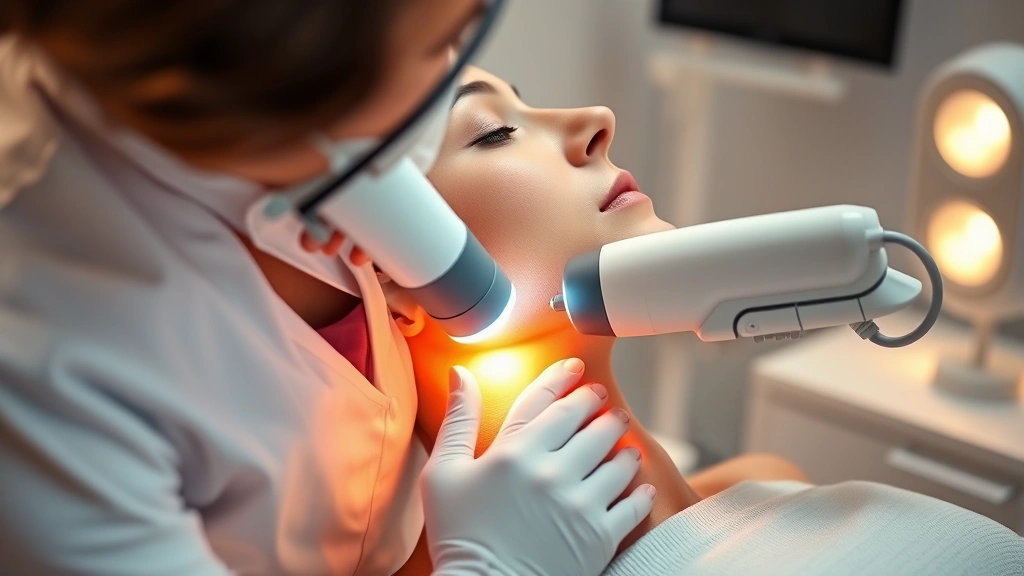
Radiofrequency treatments use energy waves to heat deeper skin layers, stimulating collagen contraction and new collagen formation. Technologies like Thermage and Exilis deliver impressive tightening results with no downtime. Multiple treatments spaced 4-6 weeks apart optimize outcomes. Results continue improving for several months post-treatment.
Ultrasound therapy (Ultherapy) uses focused ultrasound energy to lift and tighten skin without incisions or downtime. It’s particularly effective for mild-to-moderate turkey neck. Results typically appear gradually over 2-3 months, with continued improvement up to six months.
For more significant laxity, injectable treatments offer solutions. Dermal fillers add volume under the skin, improving contour and reducing the appearance of loose skin. Botox relaxes the platysma muscle, preventing it from pulling skin downward. These treatments require maintenance every 3-4 months.
Surgical options exist for severe cases. A neck lift (platysmaplasty) removes excess skin and tightens underlying muscles, providing dramatic results. This surgical intervention is more invasive but offers long-lasting transformation. Consult with a board-certified plastic surgeon to determine if surgery is appropriate for your situation.
Combining Approaches for Maximum Results
The most effective turkey neck solution typically combines multiple approaches. Start with consistent skincare using retinoids, vitamin C, and sunscreen as your foundation. Add targeted exercises and massage to strengthen and tone muscles. Adjust lifestyle factors like posture, sleep position, and hydration. These foundational steps often produce noticeable improvements over 3-6 months.
If results plateau, layer in professional treatments. Microneedling combined with topical retinoids creates synergistic effects, as microneedling enhances product penetration. Radiofrequency or ultrasound treatments work well alongside injectable treatments for comprehensive improvement. Many dermatologists recommend starting with less invasive options and progressing to more intensive treatments only if needed.
Track your progress with photos taken in consistent lighting and angles. This objective documentation helps you assess improvement and adjust your approach accordingly. Be patient—skin transformation takes time. Most treatments require 8-12 weeks minimum to show meaningful results, with continued improvement over months.
Maintenance is crucial for long-term success. Once you’ve achieved your desired results, continue your skincare routine, exercises, and lifestyle modifications to prevent regression. Professional treatments may require periodic maintenance sessions to sustain results.
For additional home improvement and personal care guidance, explore our resources on pest control solutions and home maintenance tips to support your overall wellness environment.
External resources provide valuable additional information. This Old House offers comprehensive home wellness articles. Family Handyman provides detailed guides on personal care and home improvement. The American Academy of Dermatology website offers evidence-based information on skin health and treatment options. Consult these authoritative sources for additional perspective on professional treatments.
Frequently Asked Questions
How long does it take to see results from neck exercises?
Most people notice subtle improvements within 2-3 weeks of consistent daily exercise, with more noticeable results after 4-6 weeks. Results continue improving over 8-12 weeks with dedicated practice. Consistency is more important than intensity—daily 5-minute sessions outperform occasional longer workouts.
Can neck creams alone eliminate turkey neck?
Neck creams can significantly improve skin quality, texture, and minor sagging, but severe turkey neck typically requires a combination approach. Creams work best for prevention and early-stage concerns. Combining skincare with exercises, lifestyle changes, and potentially professional treatments yields superior results for moderate-to-severe cases.
Is turkey neck surgery permanent?
A surgical neck lift provides long-lasting results, typically lasting 7-10 years or longer. However, natural aging continues, so some changes may occur over time. Most people find surgical results worth the investment due to their longevity and dramatic improvement. Maintaining good skincare and lifestyle habits prolongs surgical results.
What’s the most effective non-invasive treatment for turkey neck?
Radiofrequency and ultrasound treatments (Thermage, Ultherapy) are highly effective for non-invasive skin tightening, often providing results comparable to less-invasive surgery. Results vary based on skin type, age, and severity. Consulting with a dermatologist helps determine which treatment best suits your specific concerns.
Can weight loss improve turkey neck?
Significant weight loss can improve turkey neck appearance by reducing skin stretching. However, if skin elasticity is severely compromised, excess skin may remain even after weight loss. Combining weight loss with skincare, exercises, and potentially professional treatments maximizes improvement potential.
Is sunscreen necessary year-round for neck care?
Yes, absolutely. UV damage occurs year-round, even on cloudy days and during winter months. Daily broad-spectrum SPF 30+ sunscreen is essential for preventing further collagen breakdown and protecting against age spots and texture changes. Reapply every two hours when outdoors or after swimming.

Related Posts

Recall Outlook Email? Expert Tips Revealed

How to Read a Check? Easy Guide for Beginners