
Eliminate Moths for Good: Expert Tips Included
Eliminate Moths for Good: Expert Tips Included
Moths can quickly become a household nuisance, infesting your pantry, closets, and stored fabrics without warning. Unlike other common pests such as German roaches, moths often go unnoticed until their populations explode. Understanding how to identify, prevent, and eliminate moths is essential for protecting your home and belongings from costly damage.
This comprehensive guide provides proven strategies for getting rid of moths permanently. Whether you’re dealing with clothes moths, pantry moths, or both, you’ll learn expert techniques that work quickly and effectively. We’ll cover identification methods, prevention strategies, natural remedies, chemical treatments, and long-term solutions to ensure these pests never return.
Identifying Different Types of Moths
The first step in eliminating moths is identifying which type has invaded your home. The two most common household moths are clothes moths and pantry moths, each requiring slightly different treatment approaches.
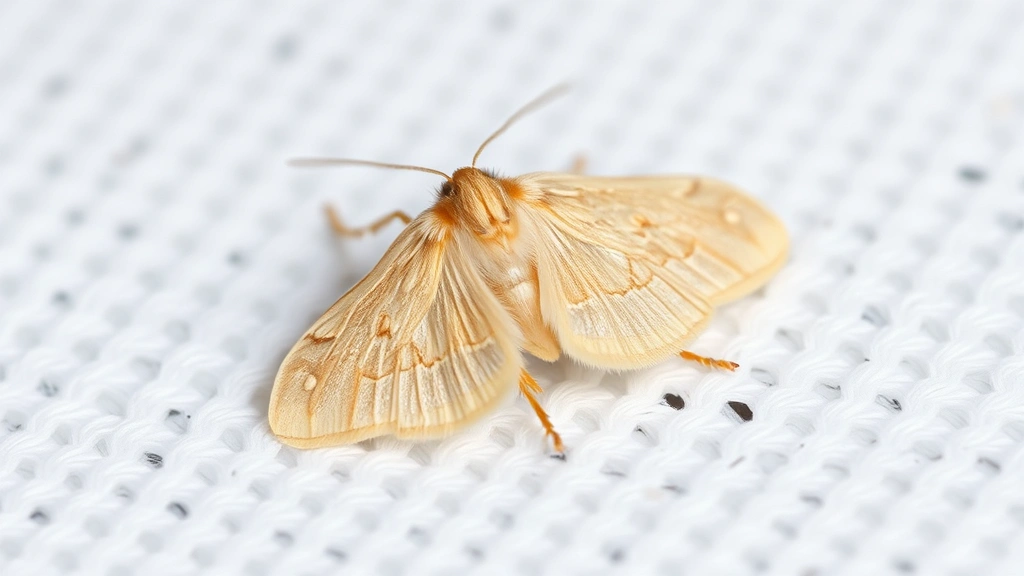
Clothes moths are typically small, measuring only 0.5 to 0.75 inches long. They appear pale tan or golden and prefer dark, undisturbed areas like closets, drawers, and storage boxes. The larvae cause damage by feeding on natural fibers including wool, silk, cotton, and fur. You may notice small holes in sweaters, blankets, or vintage clothing.
Pantry moths, also called Indian meal moths, are slightly larger at 0.5 to 1 inch in length. They display distinctive mottled brown and gray wings with dark bands. These moths infest stored foods like flour, cereal, nuts, dried fruit, and pet food. Pantry moths lay eggs directly in food packages, so you might find webbing or larvae inside containers.
Look for these signs to confirm a moth infestation: small moths flying around your home at dusk, webbing in stored foods or fabric, small holes in clothing or upholstery, and tiny droppings that resemble pepper specks. Taking time to explore comprehensive how-to guides can help you understand the full scope of your problem before taking action.
Understanding the Moth Life Cycle
Moths undergo complete metamorphosis with four distinct life stages: egg, larva, pupa, and adult. Understanding this cycle is crucial for effective elimination because the larvae cause the most damage.
Egg stage: Female moths lay hundreds of tiny eggs in suitable environments. Clothes moths deposit eggs on fabric or in dark crevices, while pantry moths lay eggs directly on or in food sources. Eggs are nearly invisible to the naked eye and hatch within 4 to 10 days.
Larval stage: This is the longest and most destructive phase, lasting 4 to 24 weeks depending on temperature and food availability. Larvae continuously feed, growing rapidly and leaving visible damage in their wake. They spin protective webbing as they move through fabrics or food.
Pupal stage: After reaching full size, larvae form cocoons and pupate for 8 to 15 days. During this stage, they’re protected from many treatments, which is why timing matters when applying pesticides.
Adult stage: Adult moths emerge and live for 2 to 4 weeks, focusing entirely on reproduction. Each female can lay 100 to 300 eggs, meaning an infestation can explode rapidly without intervention.
This rapid reproduction cycle means you must act quickly. If you notice even a few moths, treat immediately to prevent populations from reaching hundreds within weeks. Compare your moth problem to other household pests like managing bee colonies—early intervention prevents exponential growth.
Natural Methods to Eliminate Moths
Natural moth elimination strategies work best for minor infestations or as preventive measures. These methods are safe around children and pets while still delivering results.
Cedar and lavender deterrents: Moths dislike the strong scent of cedar and lavender. Place cedar blocks, cedar chips, or cedar-lined storage boxes in closets and drawers. Alternatively, use lavender sachets, dried lavender buds, or lavender essential oil on cotton balls. Replace these deterrents every 6 to 12 months as their scent fades. This method prevents moths rather than eliminating existing infestations.
Vacuuming and cleaning: Thoroughly vacuum all closets, drawers, under furniture, and storage areas. This removes eggs and larvae before they mature. Use the upholstery attachment to clean inside drawers and shelves. For pantry moths, remove all food items, clean shelves with hot soapy water, and dispose of infested packages immediately.
Freezing infested items: Place clothing, blankets, or non-perishable food items in sealed bags and freeze them at 0°F for 48 hours. This kills all life stages of moths. This method works well for items you can’t wash or treat chemically. Remove items gradually to prevent condensation damage.
Washing and heat treatment: Wash infested clothing in hot water (at least 130°F) and dry on high heat. The combination of hot water and heat kills all moth life stages. For delicate items that can’t withstand high heat, place them in a dryer on high for 30 minutes. Dry cleaning also kills moths.
Bay leaves and cloves: Place dried bay leaves or whole cloves in pantry shelves and food storage areas. These spices emit odors that repel pantry moths. While not as potent as cedar or lavender, they’re food-safe and add pleasant scents to your kitchen.
Pheromone traps: These traps use synthetic female moth pheromones to attract and capture male moths. Place traps in closets, pantries, and storage areas. They won’t eliminate an infestation alone but help monitor moth populations and reduce breeding. Check traps weekly and replace when full or every 2 to 3 months.

Chemical Solutions and Treatments
Chemical treatments become necessary for moderate to severe moth infestations. These products kill moths at various life stages and provide faster results than natural methods.
Moth-specific insecticides: Products containing pyrethrins or permethrin effectively kill adult moths and larvae. Spray these insecticides directly into closets, around baseboards, and in storage areas. Follow label instructions carefully regarding application rates, safety precautions, and re-entry times. Wear protective equipment including gloves and masks when applying.
Growth regulators: Insect growth regulators (IGRs) like methoprene prevent larvae from developing into adults. These products disrupt the moth life cycle and are particularly effective for clothing moths. Apply according to label directions in areas where moths concentrate.
Aerosol treatments: Ready-to-use aerosol sprays provide convenient application for targeted areas. Spray inside closets, under furniture, and around baseboards where moths hide. Some aerosols work on contact while others provide residual protection for weeks.
Pantry moth traps with pheromones and pesticides: Specialized traps for food storage areas combine pheromone attractants with pesticide-coated sticky surfaces. These traps catch moths before they reproduce while also using pheromones to monitor infestation levels.
Diatomaceous earth: Food-grade diatomaceous earth (DE) is a natural powder that damages insect exoskeletons, causing dehydration and death. Dust DE lightly in pantries, on shelf edges, and around baseboards. This method is safe for food storage areas when using food-grade DE. Reapply after cleaning or when dust settles.
Always read and follow product labels carefully. Some treatments require vacating your home temporarily, while others are safe for occupied spaces. If you’re unsure about chemical safety, consult with pest control professionals before applying treatments.
Prevention Strategies for Long-Term Success
Preventing future infestations is easier than treating active ones. Implement these strategies after eliminating current moths to keep your home moth-free.
Proper food storage: Store dry goods in airtight containers made of glass or hard plastic. Transfer flour, cereal, nuts, dried fruit, and pet food from original packaging into sealed containers. This prevents pantry moths from laying eggs in food and stops larvae from contaminating your pantry. Label containers with contents and purchase dates.
Regular cleaning: Clean closets, drawers, and storage areas monthly. Vacuum thoroughly, wipe down shelves, and inspect clothing and stored items for signs of moth damage. This routine catches infestations early before they become severe.
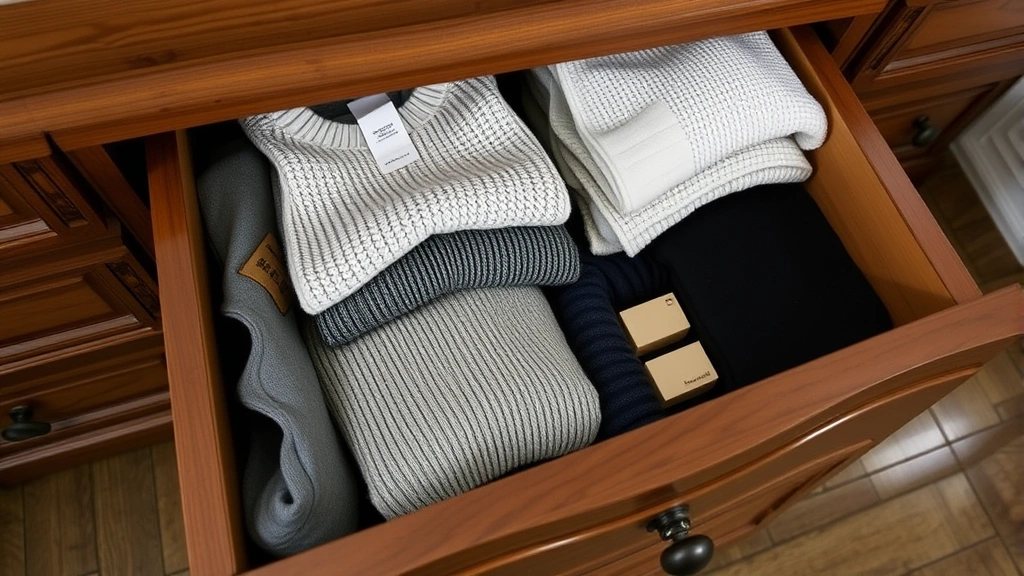
Proper clothing storage: Clean all clothing before storing it long-term. Moths prefer dirty fabrics where they can find skin oils and food residues. Store clean clothes in sealed containers, garment bags, or cedar-lined closets. Ensure storage areas have good air circulation and low humidity.
Humidity control: Moths thrive in humid environments. Use dehumidifiers in closets and storage areas to maintain humidity below 50%. Proper ventilation reduces moisture that attracts moths. Fix any leaks or water damage immediately.
Inspection of new items: Inspect used furniture, vintage clothing, and secondhand items before bringing them into your home. Moth eggs and larvae can hide in these items. Freeze or treat new acquisitions before storing them long-term.
Regular monitoring: Place pheromone traps in closets and pantries year-round. Check traps monthly to detect early signs of infestation. Early detection allows you to treat moths before populations explode. This monitoring system acts as an early warning for your home.
Creating an inhospitable environment for moths prevents infestations more effectively than any single treatment. Combine multiple prevention strategies for maximum protection.
Professional Pest Control Options
Severe infestations may require professional intervention. Pest control companies have access to stronger treatments and specialized equipment that homeowners cannot obtain.
Professional inspection: Pest control experts thoroughly inspect your home to locate all moth activity and identify conducive conditions. They pinpoint areas where moths hide and breed, ensuring comprehensive treatment.
Specialized treatments: Professionals apply commercial-grade pesticides and growth regulators more effectively than DIY applications. They understand proper application techniques, safety protocols, and timing for maximum effectiveness. Some treatments require professional licensure.
Heat treatment: For severe infestations, some companies offer heat treatment services. This involves raising home temperatures to 130°F to 140°F for several hours, killing all moth life stages. Heat treatment works throughout your entire home without requiring chemicals.
Ongoing monitoring: Professional services often include regular follow-up visits and monitoring to ensure moths don’t return. This continuous oversight provides peace of mind and catches any resurgence immediately.
Warranty and guarantees: Many pest control companies guarantee their work, retreating your home at no charge if moths return within a specified period. This protection ensures you get results or your money back.
Contact local pest control companies for quotes and recommendations. Compare services, prices, and warranties before selecting a provider. Professional treatment often costs more initially but saves money long-term by eliminating severe infestations quickly.
FAQ
How long does it take to get rid of moths?
Timeline depends on infestation severity and treatment methods used. Natural methods may take 2 to 4 weeks, while chemical treatments often show results within 7 to 14 days. Complete elimination requires treating through the entire moth life cycle, typically 4 to 6 weeks total. Professional heat treatment can eliminate moths within 24 hours.
Can moths cause health problems?
Clothes moths don’t bite, sting, or transmit diseases. However, pantry moths can contaminate food with droppings and webbing, potentially causing digestive upset if consumed. Removing contaminated food immediately prevents health issues. The primary concern with moths is property damage rather than direct health risks.
Why do moths keep coming back?
Moths return due to incomplete initial treatment, missed eggs or pupae, or new infestations from external sources. Ensure you treat all infested areas thoroughly and maintain prevention strategies. Inspect new items before bringing them home. If moths persist despite treatment, consider professional pest control to identify and address underlying causes.
Are there safe moth treatments for homes with pets?
Yes, several pet-safe options exist. Cedar blocks, lavender sachets, and pheromone traps are safe around pets. Food-grade diatomaceous earth is safe if pets can’t ingest large quantities. When using chemical treatments, choose pet-safe products and follow label instructions carefully. Consult your veterinarian if you’re concerned about specific treatments.
Can I prevent moths without using chemicals?
Absolutely. Prevention relies primarily on non-chemical methods: proper food storage in airtight containers, regular cleaning, humidity control, clothing inspection, and pheromone monitoring. These strategies prevent most infestations without chemicals. For active infestations, combine natural methods with pheromone traps and diatomaceous earth for better results.
What’s the best way to store winter clothes to prevent moths?
Clean all clothing thoroughly before storage. Store in sealed containers, garment bags, or cedar-lined closets. Add cedar blocks, lavender sachets, or moth balls (if desired). Maintain cool, dry storage conditions with humidity below 50%. Check stored items periodically for signs of moth activity. Rotate storage locations seasonally to maintain vigilance.

Related Posts

Superscript in Google Docs: Expert Tips

Strikethrough in Excel: Easy Steps for Beginners
