
Rid Japanese Beetles: Expert-Approved Methods
How to Get Rid of Japanese Beetles: Expert-Approved Methods
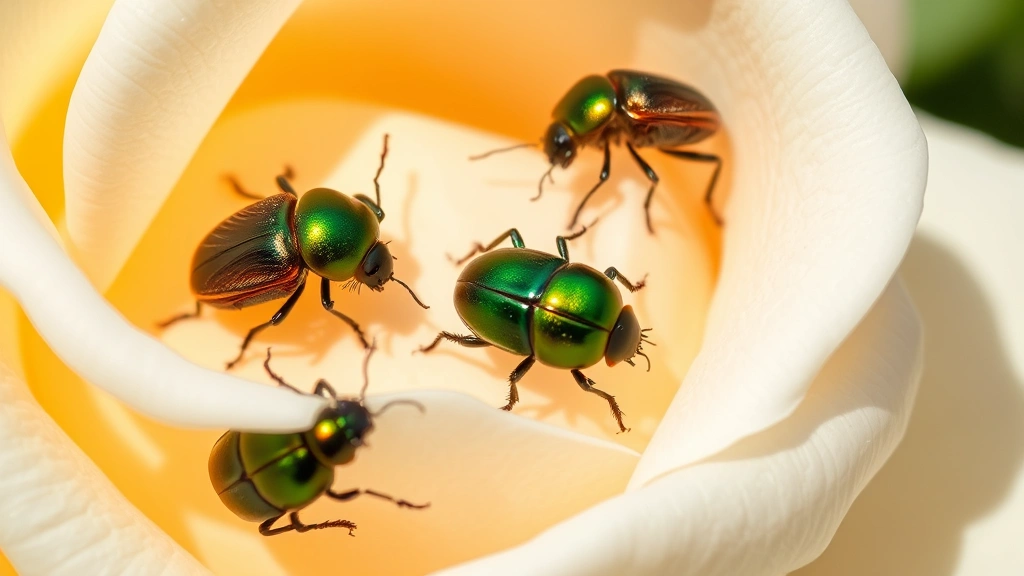
Japanese beetles are one of the most destructive garden pests in North America, capable of devastating lawns, ornamental plants, and vegetable gardens in just a few weeks. These metallic green and copper insects feed voraciously on foliage, flowers, and fruit, leaving behind a lacy, skeletal appearance on affected plants. If you’ve noticed these shiny beetles munching on your prized landscaping, you’re not alone—and fortunately, there are proven strategies to eliminate them.
This comprehensive guide covers expert-approved methods for getting rid of Japanese beetles, from immediate removal techniques to long-term prevention strategies. Whether you prefer organic solutions or are willing to use chemical treatments, you’ll find practical, step-by-step instructions to reclaim your garden from these invasive pests. Understanding the beetle’s lifecycle and behavior is key to choosing the most effective control method for your situation.
Identifying Japanese Beetles
Before you can effectively treat a Japanese beetle infestation, you need to confirm you’re actually dealing with these specific pests. Japanese beetles are highly distinctive insects with metallic green bodies and copper-colored wing covers. They typically measure about 8-11 millimeters in length and have a robust, oval shape. One of their most identifying features is the white hair tufts along their abdomen, which create a distinctive pattern visible from above.
These beetles are most active during warm, sunny days from late June through August in most regions. They feed in groups, which means if you spot one beetle, there are likely more nearby. Unlike many garden pests, Japanese beetles don’t hide—they feed openly on foliage during daylight hours, making them relatively easy to spot. Check the upper surfaces of leaves first, as beetles prefer to feed there. If you’re unsure whether you have Japanese beetles or another type of beetle, consult your local university extension office for identification assistance.
Manual Removal Techniques
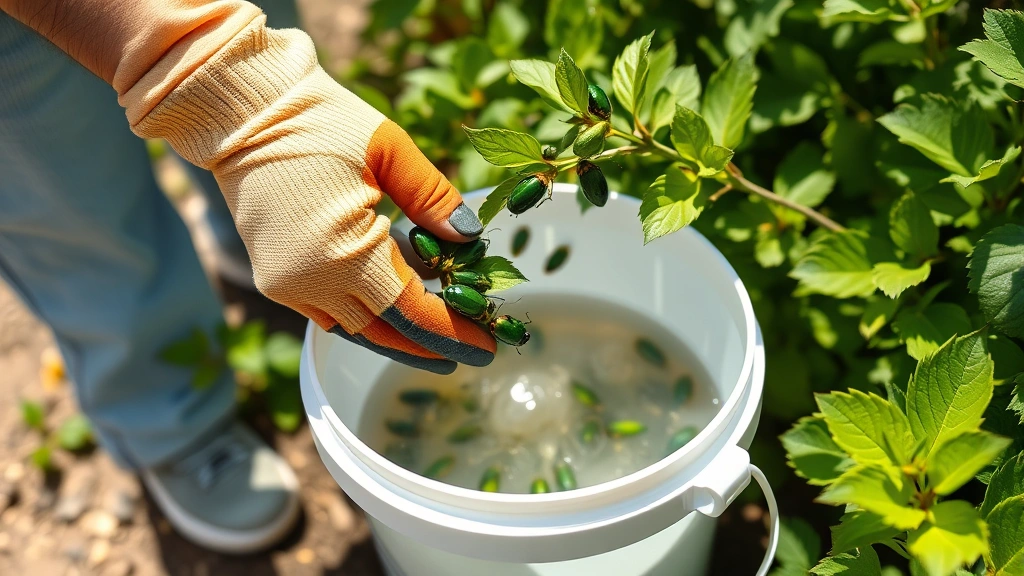
The simplest and most immediate way to control Japanese beetles is through manual removal. This method works best when you catch the infestation early and have a relatively small number of beetles. Hand-picking is completely organic, costs nothing, and requires no special equipment beyond what most homeowners already have.
Step-by-Step Hand-Picking Process:
- Wake up early in the morning, ideally between 6 and 8 AM when beetles are sluggish and less likely to fly away
- Wear gloves to protect your hands from any sharp plant material
- Gently shake affected branches over a bucket of soapy water to dislodge beetles
- Pick any remaining beetles directly from plants and drop them into the bucket
- Allow beetles to soak in the soapy water for several minutes to ensure they’re eliminated
- Dispose of dead beetles in your trash or compost pile
For larger infestations, consider using a Japanese beetle trap. These traps use pheromone lures and visual attractants to draw beetles away from your plants and into a collection bag. Set traps in early July when beetle populations peak, positioning them at least 10 feet away from your most valued plants. Check traps daily and dispose of collected beetles. While these traps are effective, be aware they may attract additional beetles to your property, so use them strategically.
You can also create a homemade collection system by placing a white sheet under infested plants early in the morning and shaking the branches. Beetles will fall onto the sheet, where you can collect and dispose of them. This method combines the benefits of manual removal with minimal effort once beetles are on the sheet.
Organic Control Methods
If you prefer environmentally friendly solutions, several organic methods can effectively reduce Japanese beetle populations. These approaches work with nature rather than against it and are safe for beneficial insects, pets, and children when used as directed.
Neem Oil Treatments: Neem oil is derived from the neem tree and disrupts beetle feeding and reproduction. Mix neem oil according to label directions and apply to affected plants in early morning or late evening when beneficial pollinators are less active. Spray thoroughly, coating both upper and lower leaf surfaces. Reapply every 7-14 days as needed, or after rain. Neem oil works best on young beetles and is less effective on mature adults.
Spinosad Insecticide: This organic pesticide contains naturally occurring soil bacteria that are toxic to beetles but safe for humans and most beneficial insects. Apply spinosad in the early morning or evening, thoroughly coating plant foliage. It typically kills beetles within 1-2 days. You may need multiple applications throughout the beetle season for continued protection.
Milky Spore (Bacillus popilliae): This biological control targets Japanese beetle grubs in the soil rather than adult beetles. Apply milky spore powder to your lawn according to package directions in early spring or fall. The spores infect and kill grubs, reducing next year’s beetle population. While results take time—usually 2-3 years for complete effectiveness—this method provides long-term, self-perpetuating control.
Kaolin Clay: Kaolin clay is a fine white powder that coats plants and deters beetles from feeding. When applied before beetle emergence, it creates a physical barrier that makes plants less attractive. Reapply after rain or every 7-10 days during beetle season. This method works best for prevention rather than treating active infestations.
For a comprehensive approach to controlling garden pests, combining multiple organic methods often yields better results than relying on a single treatment.
Chemical Treatments and Pesticides
When organic methods prove insufficient, chemical pesticides offer more aggressive control. Always follow label directions carefully and apply according to local regulations and weather conditions.
Pyrethroid Insecticides: Pyrethroids are synthetic versions of natural compounds found in chrysanthemum flowers. Products containing bifenthrin, cyfluthrin, or permethrin effectively kill Japanese beetles on contact. Apply in early morning or late evening when temperatures are below 85°F. These chemicals work quickly but may require multiple applications throughout the season. Always wear protective equipment and keep children and pets away from treated areas until dry.
Imidacloprid: This systemic insecticide is absorbed by plants and poisons beetles as they feed. It provides longer-lasting protection than contact insecticides—typically 4-6 weeks per application. Apply imidacloprid in early July before beetle populations peak for best results. This chemical is highly effective but may impact some beneficial insects, so use judiciously.
Carbaryl (Sevin): Carbaryl is a broad-spectrum insecticide that kills Japanese beetles and many other garden pests. It’s available in dust and liquid formulations. Apply when beetles are actively feeding, typically in early morning. Carbaryl can harm beneficial insects, so avoid spraying flowers that attract pollinators.
Before applying any chemical pesticide, consult This Old House’s pest control guides for application safety and effectiveness comparisons. Always read and follow label instructions completely, wear appropriate safety equipment, and store chemicals safely away from children and pets.
Grub Control for Long-Term Prevention
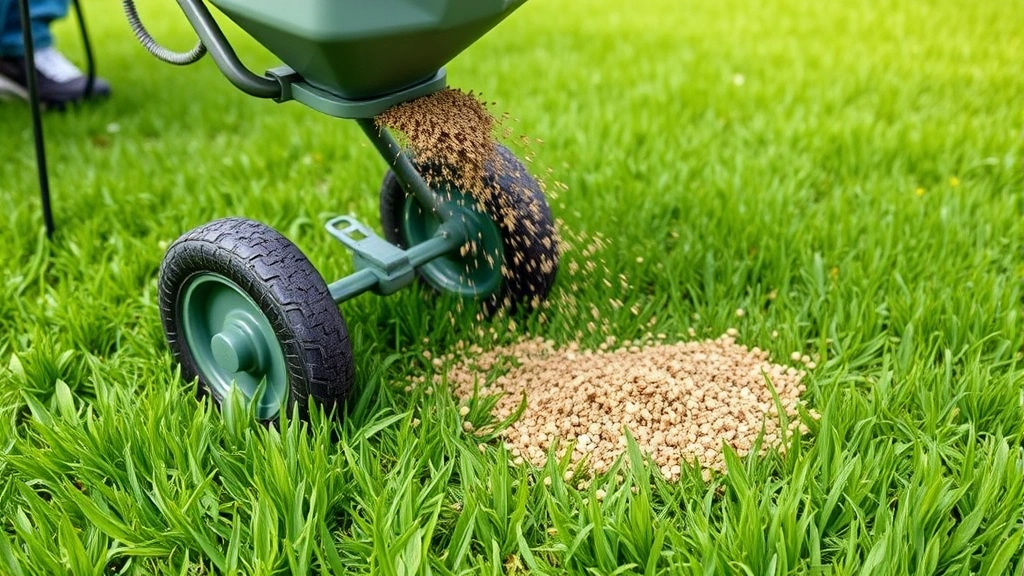
The most effective long-term strategy for controlling Japanese beetles is targeting their grubs in the soil. Adult beetles lay eggs in lawn soil during mid-summer; these eggs hatch into white grubs that feed on grass roots through fall and winter. By controlling grubs, you prevent next year’s beetle population from ever emerging.
Milky Spore Application: As mentioned earlier, milky spore is an excellent grub control option. Apply it to your entire lawn in spring or fall, following package directions carefully. Water the lawn thoroughly after application to help spores penetrate the soil. Results build over 2-3 years as the spore population in your soil increases, but eventually provides nearly permanent control.
Beneficial Nematodes: These microscopic organisms parasitize grubs in the soil. Apply beneficial nematodes in spring or early fall when soil is moist and temperatures are moderate (50-85°F). Keep the application area moist for several days after treatment to ensure nematode survival. Beneficial nematodes are completely safe for humans, pets, and plants.
Chemical Grub Treatments: Products containing imidacloprid or clothianidin provide effective chemical grub control. Apply in mid-summer when eggs are hatching or in early fall before grubs burrow deep. Water thoroughly after application to help the chemical penetrate the soil. These treatments can reduce grub populations by 90% or more when applied correctly.
Diatomaceous Earth: Food-grade diatomaceous earth can be applied to soil to kill grubs. This powdery substance damages the grub’s exoskeleton, causing dehydration. Apply in spring or fall when grubs are near the soil surface. You’ll need to reapply after rain and maintain consistent coverage for effectiveness.
Combining grub control with integrated pest management strategies creates a comprehensive home protection plan that addresses pest problems at multiple life stages.
Resistant Plants and Landscaping Strategies
An ounce of prevention is worth a pound of cure, and one of the best ways to prevent Japanese beetle damage is planting species they find unpalatable. Japanese beetles have strong preferences for certain plants and will avoid others entirely.
Plants Japanese Beetles Avoid:
- Conifers like pine, spruce, and fir
- Woody ornamentals such as boxwood, euonymus, and holly
- Shade trees including maple, birch, and oak (though they’ll eat some oak species)
- Most herbs including mint, basil, and lavender
- Flowering plants like zinnias, marigolds, and daylilies
- Vegetables such as beans, corn, and squash (though they may sample leaves)
Plants Highly Susceptible to Japanese Beetles:
- Rose bushes and ornamental roses
- Grapevines and other climbing vines
- Fruit trees, especially apple and plum
- Japanese and Norway maples
- Birch and elm trees
- Linden and ash trees
If you’re planning a new landscape or redesigning your garden, prioritize resistant species. If you already have susceptible plants, consider adding resistant plants nearby to dilute beetle pressure. Create physical barriers using row covers and netting over vulnerable plants during peak beetle season (late June through August).
Maintain healthy plants through proper watering, mulching, and fertilization. Strong, vigorous plants tolerate beetle damage better than weak, stressed plants. Remove dead wood and prune diseased branches to improve overall plant health and appearance.
When to Call Professional Help
While most homeowners can manage Japanese beetle infestations with the methods described above, some situations warrant professional pest control services. Consider calling a licensed professional if:
- Your property covers a large area with extensive beetle damage
- You have numerous susceptible ornamental or fruit trees
- DIY methods haven’t provided adequate control after 4-6 weeks
- You’re uncomfortable handling pesticides or prefer not to apply chemicals yourself
- Your infestation is severe enough to threaten valuable landscape plants or food crops
Professional pest control companies have access to commercial-grade pesticides and equipment that may be more effective than consumer products. They can also identify other pest problems you might have missed and provide integrated pest management recommendations. Get quotes from at least three licensed, insured companies before making a decision.
For comprehensive home maintenance guidance, visit the FixWiseHub Blog for additional pest control and home improvement articles. You might also find valuable information about maintaining household systems to prevent pest attractions.
FAQ
What time of year are Japanese beetles most active?
Japanese beetles are most active from late June through August, with peak populations typically occurring in mid-July. They feed during warm, sunny days and are most visible between 9 AM and 3 PM. Early morning hand-picking is most effective since beetles are sluggish before temperatures rise.
Are Japanese beetles dangerous to humans?
No, Japanese beetles do not bite, sting, or transmit diseases to humans. They pose no direct health threat to people or pets. However, their feeding damage can stress plants significantly, potentially leading to plant death if infestations are severe and untreated.
How long does it take for treatments to work?
Hand-picking provides immediate results. Organic sprays like neem oil and spinosad typically kill beetles within 1-2 days. Chemical insecticides work within hours to days. Grub control treatments take longer—milky spore requires 2-3 years for full effectiveness, while chemical grub treatments reduce populations within the current season.
Can I use multiple control methods together?
Yes, combining multiple methods—such as hand-picking, organic sprays, and grub control—often provides better results than single-method approaches. However, avoid mixing different pesticides unless label instructions specifically allow it, as some combinations may be harmful.
Do Japanese beetle traps really work?
Beetle traps are effective at capturing beetles, but they may attract additional beetles to your property from surrounding areas. Use them strategically, positioning traps at least 10 feet away from your most valued plants. They work best as part of an integrated control program rather than as the sole control method.
What’s the best way to prevent Japanese beetles next year?
The most effective prevention strategy is controlling grubs in the soil through milky spore, beneficial nematodes, or chemical grub treatments. Additionally, plant resistant species, maintain healthy plants, and monitor your garden regularly so you can catch any beetles early before populations explode.
Are there any natural predators of Japanese beetles?
Several natural predators feed on Japanese beetles, including parasitic wasps, tachinid flies, and certain bird species. However, natural predators alone rarely provide complete control. Combining natural predator habitat with other control methods yields better results.

Related Posts

Superscript in Google Docs: Expert Tips

Strikethrough in Excel: Easy Steps for Beginners
