
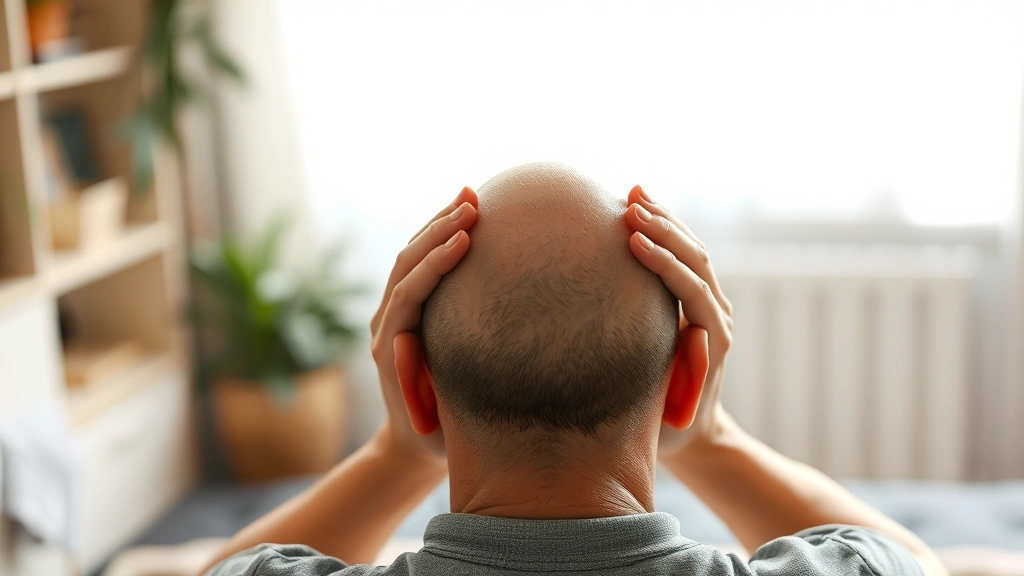
Quick Headache Relief? Expert Tips Here
Quick Headache Relief? Expert Tips Here
Headaches can strike at the most inconvenient moments, derailing your productivity and dampening your mood. Whether you’re dealing with tension headaches, migraines, or general head pain, finding rapid relief is essential. The good news is that several proven techniques can help you get rid of a headache in 2 minutes or less, allowing you to get back to your day feeling refreshed and focused.
In this comprehensive guide, we’ll explore evidence-based strategies that work quickly and effectively. From simple physical techniques to environmental adjustments, you’ll discover practical solutions you can implement immediately without waiting for medication to kick in. Many of these methods require nothing more than items you already have at home, making them accessible anytime relief is needed.
Immediate Physical Techniques for Fast Relief
When a headache strikes, your first instinct should be to address it with immediate physical interventions. One of the fastest methods is to apply gentle pressure to specific areas of your head and neck. Start by locating the temporal region—the area just above and in front of your ears. Using your index and middle fingers, apply moderate circular pressure in a slow, deliberate motion. This technique can reduce tension in the muscles surrounding your head and promote blood flow.
Another highly effective technique involves neck stretching. Many headaches originate from tension in the neck muscles, which can restrict blood flow to the head. Slowly tilt your head toward your right shoulder, holding the stretch for 15-20 seconds, then repeat on the left side. You can enhance this by gently placing your hand on the opposite side of your head to deepen the stretch. This simple movement often provides noticeable relief within seconds.
Scalp massage is another powerful tool in your headache-relief arsenal. Using all your fingertips, massage your scalp in small circular motions, starting at your hairline and working backward toward the crown. Pay special attention to the base of your skull where tension frequently accumulates. This increases circulation and releases muscle tension that contributes to headache pain. Spend just 60 seconds on this technique for measurable results.
If you’re experiencing a tension headache, consider the jaw-clenching release technique. Many people unconsciously clench their jaw when stressed, which radiates pain upward to the head. Consciously relax your jaw by letting your mouth hang slightly open and moving it gently side to side. This simple adjustment can immediately reduce referred pain in your head.

Temperature Therapy Methods
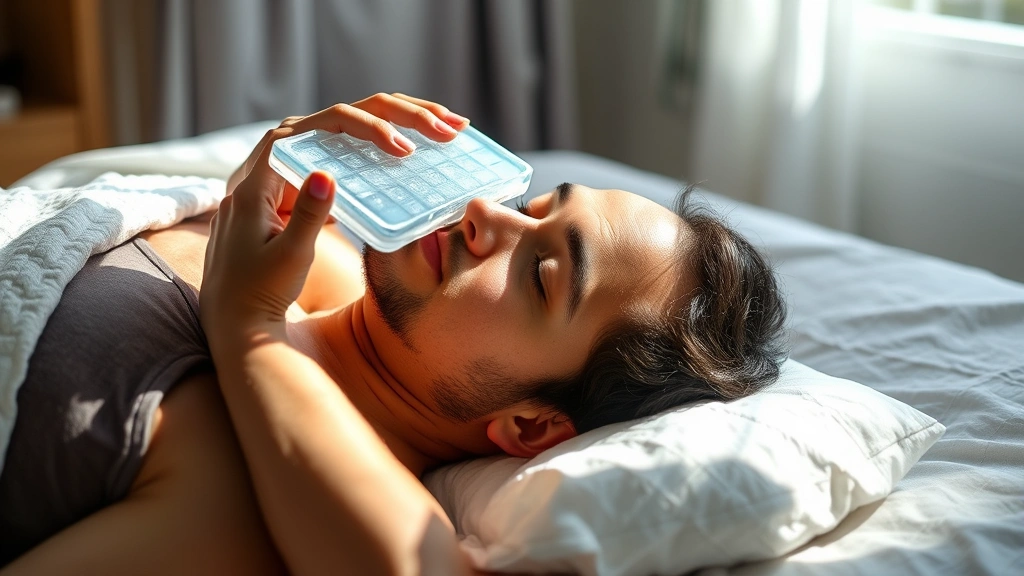
Temperature-based interventions work remarkably fast for headache relief because they affect blood vessel constriction and dilation. Cold therapy is particularly effective for migraines and throbbing headaches. Wrap ice cubes in a thin cloth or use a cold compress and apply it to your temples, forehead, or the back of your neck for 30-60 seconds. The cold constricts blood vessels, reducing inflammation and numbing pain signals. If you don’t have ice available, a bag of frozen vegetables works equally well.
Conversely, warm therapy benefits tension headaches caused by muscle tightness. Apply a warm (not hot) compress to your neck and shoulders, or run warm water over your hands and then place them on your temples. The warmth relaxes constricted muscles and improves blood flow to tense areas. A heated rice sock—simply rice in a clean cloth, microwaved for 90 seconds—provides consistent, penetrating warmth that lasts several minutes.
For some people, alternating between hot and cold provides superior relief. Start with cold on your forehead for 30 seconds, then switch to warmth on your neck for 30 seconds, and repeat this cycle two or three times. This contrast therapy stimulates circulation and can break the pain cycle more effectively than either temperature alone.
The key to temperature therapy success is consistency and duration. Even quick applications of 60-90 seconds can provide noticeable relief, making this an ideal 2-minute solution. Keep cold packs in your freezer and warm compresses accessible in your home so relief is always within reach.
Pressure Point Massage Strategies
Traditional pressure point therapy, rooted in acupressure practices, identifies specific zones on your body that correspond to headache relief. The most effective pressure point is the LI-4 point, located in the webbing between your thumb and index finger. Apply firm, steady pressure to this point using your opposite thumb for 60-90 seconds while taking slow, deep breaths. Many people report immediate relief using this technique alone.
Another powerful point is located at the base of your skull, in the hollow between the two vertical neck muscles. Using your thumbs or fingers, apply upward pressure into this area for 30-45 seconds. This point, known as GB-20 in traditional medicine, often provides rapid relief for tension and migraine headaches. You can access it easily whether sitting at a desk or lying down.
The temple region contains multiple effective pressure points. Using your index fingers, locate the area about one inch back from the outer corner of your eye. Apply gentle circular pressure here, gradually increasing intensity until you find the sweet spot where pressure feels therapeutic rather than painful. Maintain this pressure for 60 seconds while breathing deeply.
For maximum effectiveness, combine pressure point therapy with deep breathing. As you apply pressure, inhale slowly through your nose for a count of four, hold for four counts, then exhale for four counts. This breathing pattern activates your parasympathetic nervous system, which naturally reduces pain perception and promotes relaxation.
Many people find that exploring various relief techniques helps them discover which methods work best for their individual headache patterns. What works quickly for one person might require slight modification for another.
Environmental Adjustments
Your immediate surroundings significantly impact headache severity and duration. Lighting is one of the most critical environmental factors. Bright or flickering lights often trigger or intensify headaches. If you’re experiencing head pain, immediately reduce light exposure by dimming overhead lights, closing blinds, or moving to a darker room. If you must remain in a bright environment, consider wearing sunglasses indoors temporarily—this simple adjustment often provides noticeable relief within seconds.
Noise sensitivity frequently accompanies headaches, so reducing auditory stimulation helps tremendously. Turn off notifications on your phone, close unnecessary browser tabs, and move away from loud environments. If silence isn’t possible, white noise machines or ambient sounds like rainfall or ocean waves can mask jarring noises that exacerbate pain.
Air quality and temperature also matter significantly. Stuffy, overheated environments restrict blood flow and worsen headaches. Open a window if possible, or step outside briefly for fresh air. A cool room temperature (around 65-68°F) is ideal for headache relief, while excessive heat can intensify symptoms.
Posture directly influences headache intensity. Slouching or hunching forward restricts blood flow and tightens neck muscles. Immediately straighten your spine, roll your shoulders back, and position your screen at eye level if working on a computer. This postural adjustment alone can reduce headache severity by 20-30% within seconds.
If you’re in an office or public setting, finding a quiet corner or briefly stepping outside creates an ideal environment for your body to activate healing responses. Even two minutes in a calm, cool, quiet space can dramatically accelerate relief.
Hydration and Breathing Exercises
Dehydration is one of the most common yet overlooked headache triggers. Your brain is approximately 75% water, and even mild dehydration impairs its function and triggers pain signals. If you haven’t consumed water recently, drink 8-16 ounces of water immediately. Some people experience relief within just 30-60 seconds as hydration begins restoring proper brain function. Keep a water bottle nearby throughout your day to prevent dehydration-related headaches from developing.
Beyond simple hydration, electrolyte-enhanced water can provide faster relief. If you have access to coconut water, sports drinks, or electrolyte packets, these provide faster absorption and more complete hydration than plain water. However, plain water still offers significant benefits and works quickly for most dehydration-related headaches.
Breathing exercises represent another powerful 2-minute intervention. Many headaches intensify due to shallow breathing, which reduces oxygen delivery to your brain. Practice the 4-7-8 breathing technique: inhale through your nose for four counts, hold for seven counts, and exhale through your mouth for eight counts. Repeat this cycle five times. This breathing pattern activates your parasympathetic nervous system, which naturally reduces pain perception and promotes muscle relaxation.
Box breathing offers another effective option, especially if you’re experiencing stress-related headaches. Inhale for four counts, hold for four counts, exhale for four counts, and hold empty for four counts. Repeat this pattern 5-10 times. The rhythmic, controlled breathing reduces tension throughout your body and often provides rapid headache relief.
The combination of hydration plus breathing exercises creates a synergistic effect. Proper hydration ensures your brain receives adequate oxygen, while controlled breathing optimizes oxygen delivery and activates relaxation responses. Together, these interventions often provide noticeable relief within two minutes.
Lifestyle Prevention Tips
While rapid relief techniques are essential, preventing headaches from developing in the first place offers the ultimate solution. Consistent sleep patterns significantly reduce headache frequency. Aim for 7-9 hours nightly and maintain consistent sleep and wake times, even on weekends. Sleep deprivation is a major headache trigger, and irregular sleep patterns confuse your body’s natural rhythms.
Regular physical activity reduces headache frequency by improving circulation, reducing stress, and promoting better sleep. Even 20-30 minutes of moderate exercise daily can cut headache occurrence by 30-40%. Walking, swimming, or cycling are particularly beneficial because they increase blood flow without excessive strain.
Stress management is crucial for preventing tension headaches. Incorporate daily meditation, yoga, or progressive muscle relaxation into your routine. Even five minutes of mindfulness practice significantly reduces stress-related headaches. Many people find that maintaining a regular meditation practice cuts their overall headache frequency in half.
Dietary factors play a substantial role in headache prevention. Identify and eliminate your personal triggers, which commonly include caffeine, processed foods, artificial sweeteners, and foods containing MSG or nitrates. Keep a headache diary to track what you eat before headaches develop, revealing patterns specific to your body.
Consistent meal timing prevents blood sugar fluctuations that trigger headaches. Eat balanced meals containing protein, healthy fats, and complex carbohydrates every 3-4 hours. Skipping meals or allowing excessive time between eating often precipitates headaches, particularly migraines.
Caffeine management requires special attention. While moderate caffeine (under 200mg daily) helps some people, excessive consumption or sudden withdrawal both trigger headaches. If you consume caffeine regularly, maintain consistent daily amounts to avoid triggering withdrawal headaches.
Maintaining proper ergonomics during work prevents tension headaches from developing. Position your monitor at eye level, keep your keyboard at elbow height, and take frequent breaks to stretch and move. Proper workspace setup prevents the postural stress that causes many workplace headaches. If you spend significant time at a computer, consider using proper maintenance practices for your workspace equipment to ensure everything supports good posture.
FAQ
What’s the fastest way to get rid of a headache in 2 minutes?
The fastest method combines three techniques: apply cold or warm compress to your temples (60 seconds), perform the LI-4 pressure point massage (60 seconds), and practice box breathing (remaining time). This combination addresses multiple physiological factors simultaneously, providing relief for most headaches within two minutes.
Why do pressure points work for headache relief?
Pressure point therapy stimulates nerve endings that send signals to your brain, interrupting pain perception. These techniques also promote endorphin release and activate your parasympathetic nervous system, naturally reducing pain and promoting relaxation.
Can hydration really help headaches in 2 minutes?
Yes, for dehydration-related headaches, hydration provides rapid relief within 30-90 seconds as your body begins restoring proper fluid balance. However, this works specifically for dehydration-triggered headaches and may not help other headache types as quickly.
Is it better to use hot or cold therapy for headaches?
Cold therapy works best for migraines and throbbing headaches by constricting blood vessels and reducing inflammation. Warm therapy benefits tension headaches by relaxing tight muscles. If you’re unsure which type you have, try both and note which provides faster relief for your specific headaches.
How can I prevent headaches from occurring?
Prevention requires consistent sleep (7-9 hours nightly), regular exercise, stress management through meditation or yoga, proper hydration, balanced nutrition with consistent meal timing, and ergonomic workspace setup. Most people who implement these lifestyle changes experience significant reductions in headache frequency within 2-3 weeks.
When should I see a doctor about headaches?
Seek medical attention if headaches suddenly change in pattern or intensity, occur more than four times monthly, are accompanied by vision changes, weakness, numbness, or difficulty speaking, or if you experience the worst headache of your life. These symptoms may indicate underlying conditions requiring professional evaluation.
Can breathing exercises really reduce headache pain?
Yes, controlled breathing activates your parasympathetic nervous system, which naturally reduces pain perception and promotes muscle relaxation. Combined with other techniques, breathing exercises provide measurable relief within 1-2 minutes for most people.
Are there any headache relief methods I should avoid?
Avoid excessive caffeine consumption and sudden caffeine withdrawal, as both trigger headaches. Also avoid overusing over-the-counter pain medications, which can cause rebound headaches. If you take medication more than two days weekly, consult your healthcare provider about potential medication overuse headache.

Related Posts

Superscript in Google Docs: Expert Tips

Strikethrough in Excel: Easy Steps for Beginners
