
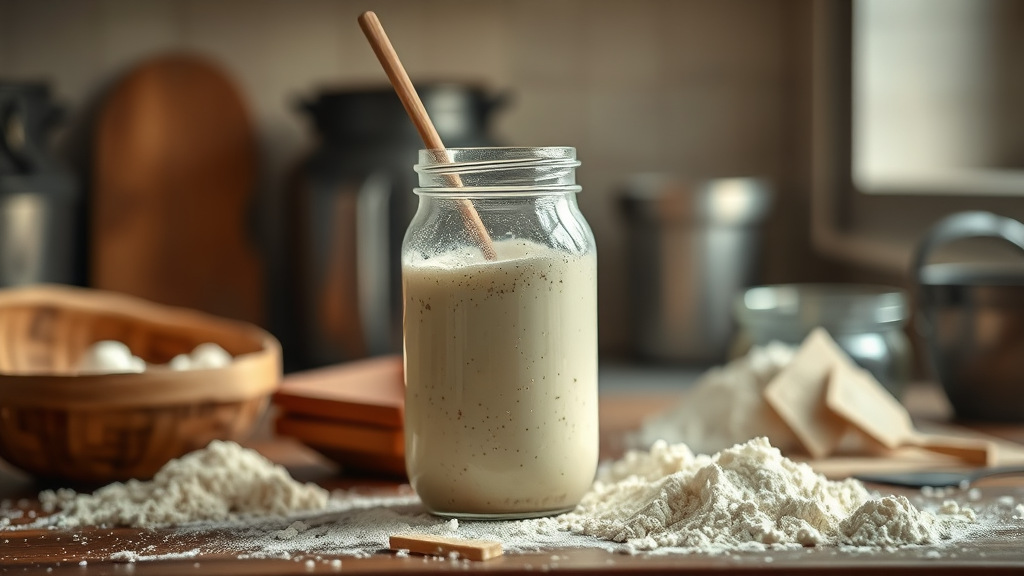
Master the Art of Feeding Your Sourdough Starter for Perfect Bread
Sourdough baking has experienced a remarkable renaissance, captivating home bakers worldwide with its tangy flavor, artisanal appeal, and natural fermentation process. At the heart of every exceptional sourdough loaf lies a thriving, well-maintained sourdough starter – a living culture of wild yeast and beneficial bacteria that transforms simple flour and water into the foundation of extraordinary bread.
Understanding how to feed sourdough starter properly is the cornerstone of successful sourdough baking. This living ecosystem requires consistent care, proper nutrition, and the right environmental conditions to flourish. Whether you’re a complete beginner embarking on your sourdough journey or an experienced baker looking to refine your technique, mastering the feeding process will elevate your bread-making skills and ensure consistent, delicious results every time you bake.
Understanding Your Sourdough Starter
A sourdough starter is a fermented mixture of flour and water that captures wild yeast and lactic acid bacteria from the environment. This symbiotic culture, also known as SCOBY (Symbiotic Culture of Bacteria and Yeast), creates the leavening power and distinctive flavor profile that makes sourdough bread unique. The wild yeast provides the rising action, while the bacteria produce lactic and acetic acids that give sourdough its characteristic tangy taste.
The microorganisms in your starter are living entities that require regular feeding to remain active and healthy. When you feed your starter, you’re providing fresh flour as a food source for these beneficial microbes. The flour contains starches that the enzymes break down into simple sugars, which the yeast and bacteria then consume, producing carbon dioxide, alcohol, and organic acids as byproducts.
Temperature, humidity, and the type of flour you use all influence the activity and flavor development of your starter. Understanding these factors helps you create optimal conditions for maintaining a robust, active culture that will produce consistently excellent bread. The FDA guidelines emphasize the importance of proper food handling and storage practices when working with fermented foods.

The Fundamentals of Feeding
Learning how to feed sourdough starter begins with understanding the basic process and essential ingredients. You’ll need unbleached all-purpose flour or bread flour, filtered water, and a clean container. Avoid using chlorinated tap water, as chlorine can inhibit the growth of beneficial microorganisms. If tap water is your only option, let it sit uncovered for 24 hours to allow the chlorine to evaporate.
The feeding process involves discarding a portion of your existing starter and adding fresh flour and water. This might seem wasteful initially, but discarding is crucial for maintaining the proper balance of microorganisms and preventing the accumulation of waste products that could harm your starter’s health. The discarded starter doesn’t have to go to waste – it can be used in pancakes, waffles, crackers, or other recipes.
When mixing your starter, use a clean wooden spoon or plastic spatula rather than metal utensils, which some bakers believe can interfere with the fermentation process. Thoroughly combine the flour and water until no dry flour remains, ensuring even hydration throughout the mixture. The consistency should be similar to thick pancake batter.
Cleanliness is paramount when feeding your starter. Always wash your hands thoroughly and use clean utensils and containers. While sourdough starters are surprisingly resilient, maintaining good hygiene practices prevents contamination from harmful bacteria or mold that could compromise your starter’s health.
Mastering Feeding Ratios
The ratio of starter to flour to water significantly impacts your starter’s activity level, flavor development, and timing. The most common feeding ratio for maintenance is 1:1:1 (equal parts starter, flour, and water by weight), but experienced bakers often adjust these ratios based on their specific needs and environmental conditions.
For a more active starter that will peak quickly, use a higher ratio of fresh ingredients to existing starter, such as 1:2:2 or 1:3:3. This provides more food for the microorganisms and can accelerate fermentation, making it ideal when you need to use your starter within 4-6 hours. Conversely, a 1:1:1 or even 2:1:1 ratio creates a slower fermentation that may be better suited for longer timelines or cooler environments.
Water content also affects your starter’s characteristics. A stiffer starter (lower hydration) tends to develop more acetic acid, creating a more sour flavor, while a more liquid starter (higher hydration) promotes lactic acid production, resulting in a milder, yogurt-like tang. Most bakers maintain a 100% hydration starter (equal weights of flour and water) for consistency and ease of use.
Understanding these ratios allows you to customize your starter’s behavior to match your baking schedule and flavor preferences. Just as knowing how to tell if eggs are bad is essential for food safety in baking, recognizing the signs of proper fermentation ratios ensures your starter remains healthy and productive.
Timing and Feeding Schedule
Establishing a consistent feeding schedule is crucial for maintaining a healthy sourdough starter. At room temperature (68-72°F), most starters benefit from feeding every 12-24 hours, depending on their activity level and the ambient temperature. In warmer conditions, your starter may require more frequent feedings, while cooler temperatures slow fermentation and extend the time between feedings.
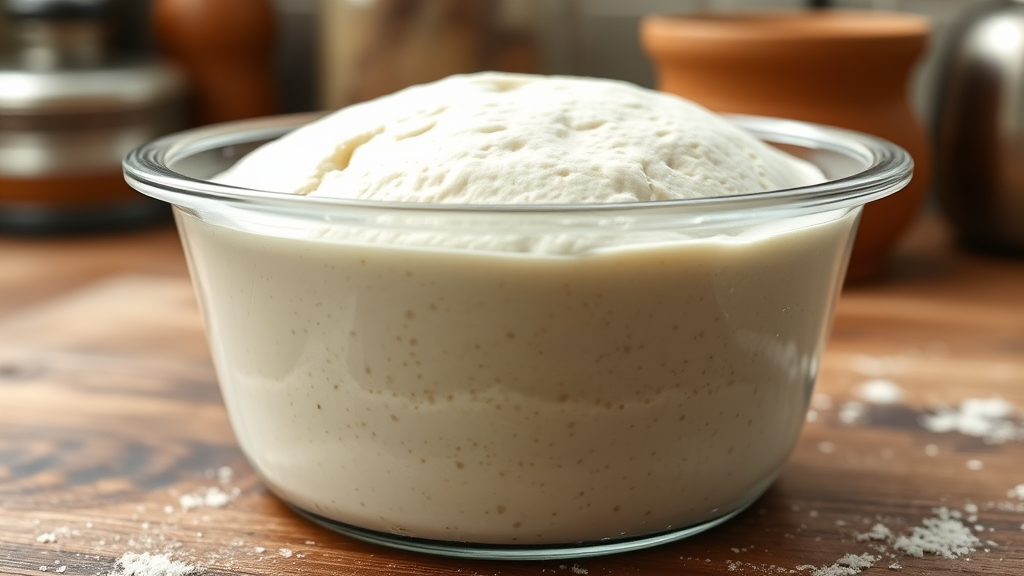
The ideal feeding time is when your starter has roughly doubled in size and is just beginning to fall back down. This indicates that the microorganisms have consumed most of the available food and are ready for fresh nutrition. Feeding too early wastes flour and can lead to an overly acidic starter, while waiting too long between feedings can weaken the culture and reduce its leavening power.
For daily bakers, maintaining a room temperature starter with twice-daily feedings provides maximum flexibility and ensures peak activity when needed. However, this intensive schedule isn’t practical for everyone. Weekend bakers or those who bake less frequently can store their starter in the refrigerator and feed it weekly, bringing it to room temperature and feeding it 2-3 times before using it in bread.
Temperature management plays a crucial role in timing. The University of Washington research on yeast behavior shows that these microorganisms are highly sensitive to temperature changes. Warmer temperatures (75-80°F) accelerate fermentation, while cooler temperatures (65-70°F) slow it down, allowing you to manipulate your starter’s timeline to fit your schedule.
Troubleshooting Common Issues
Even experienced bakers encounter challenges when maintaining sourdough starters. Common issues include slow rise times, excessive liquid separation, off odors, or complete inactivity. Understanding how to diagnose and address these problems ensures your starter remains healthy and productive.
If your starter isn’t rising or seems sluggish, the issue often relates to temperature, feeding ratios, or flour quality. Try moving your starter to a slightly warmer location, increasing the ratio of fresh flour and water, or switching to a higher-protein flour. Whole wheat or rye flour can provide additional nutrients that may kickstart a sluggish culture.
Liquid separation, known as “hooch,” is normal and indicates that your starter is hungry. This alcoholic liquid can be stirred back in or poured off, depending on your flavor preferences. Dark hooch suggests your starter needs more frequent feeding, while clear liquid is typically less concerning.
Unusual odors can indicate contamination or imbalanced fermentation. A healthy starter should smell pleasantly sour, yeasty, and slightly alcoholic. Putrid, rotten, or nail polish-like odors may signal harmful bacteria or excessive acetic acid production. In severe cases, starting fresh might be necessary, but often adjusting feeding ratios and frequency can restore balance.
Mold growth requires immediate attention and typically necessitates discarding the entire starter. Mold appears as fuzzy growths in colors other than the cream or light brown of healthy starter. Prevention through proper hygiene and regular feeding is far easier than treatment.
Storage and Long-term Maintenance
Proper storage techniques ensure your sourdough starter remains viable for years, even decades, with proper care. For daily use, store your starter at room temperature in a clean glass or plastic container with a loose-fitting lid that allows gases to escape while preventing contamination.
Refrigeration significantly slows fermentation, making it ideal for less frequent bakers. A refrigerated starter can go 1-2 weeks between feedings, though weekly feeding maintains better health and activity. Before refrigerating, feed your starter and let it sit at room temperature for 1-2 hours to ensure active fermentation begins, then refrigerate.
For long-term storage or backup purposes, dehydrating your starter creates a shelf-stable form that can be reconstituted months or even years later. Spread a thin layer of active starter on parchment paper or dehydrator sheets, dry completely, then grind into a powder and store in an airtight container.
Glass containers are preferred for storage as they don’t retain odors or stains and allow easy monitoring of your starter’s condition. Avoid metal containers for extended storage, as the acidity can cause corrosion. Just as proper food storage is important for items like knowing how to clean strawberries, maintaining clean storage conditions for your starter prevents contamination and ensures longevity.
Signs of a Healthy Starter
Recognizing the characteristics of a healthy sourdough starter helps you maintain optimal conditions and produce consistently excellent bread. A thriving starter exhibits predictable patterns of growth, aroma, and appearance that indicate proper fermentation balance.
Visual indicators include consistent doubling in size within 4-12 hours of feeding, depending on temperature and feeding ratios. The surface should appear bubbly and active, with a slightly domed or peaked appearance at maximum rise. The texture should be stretchy and elastic when stirred, indicating good gluten development and gas retention.
Aroma provides crucial information about your starter’s health. A pleasant, tangy smell reminiscent of yogurt or cheese indicates proper lactic acid production. Mild alcoholic or vinegary notes are normal, especially in hungry starters. The absence of putrid, rotten, or chemical odors suggests a healthy microbial balance.
Timing consistency is another key indicator. A healthy starter should follow predictable patterns of rise and fall, allowing you to plan your baking schedule accordingly. Dramatic variations in timing or activity levels may indicate temperature changes, contamination, or the need for feeding adjustments.
The National Center for Biotechnology Information has published extensive research on sourdough microbiology, confirming that healthy starters maintain specific ratios of beneficial bacteria and wild yeast that create optimal fermentation conditions.
Float tests can help determine readiness for baking. A small spoonful of active starter should float in water when the culture is at peak activity, indicating sufficient gas production for effective bread leavening. This simple test helps time your bread making for optimal results.
Understanding these signs allows you to adjust your maintenance routine and troubleshoot issues before they become serious problems. Regular observation and note-taking help you learn your starter’s unique characteristics and optimal care requirements.
Frequently Asked Questions
How often should I feed my sourdough starter?
At room temperature, feed your starter every 12-24 hours, depending on activity level and ambient temperature. In the refrigerator, weekly feedings are sufficient for maintenance. Active bakers may feed twice daily for peak performance, while occasional bakers can maintain refrigerated starters with less frequent feeding.
Can I use tap water to feed my sourdough starter?
Filtered water is preferred, but tap water can be used if chlorine levels are low. Let chlorinated tap water sit uncovered for 24 hours to allow chlorine to evaporate, as chlorine can inhibit beneficial microorganisms. Well water or spring water are excellent alternatives to filtered water.
What’s the best flour for feeding sourdough starter?
Unbleached all-purpose flour or bread flour works well for most starters. Whole wheat and rye flours provide additional nutrients that can boost activity but may alter flavor and consistency. Consistency in flour type helps maintain stable fermentation patterns, similar to maintaining consistency in other cooking processes like how long to boil chicken breast.
Why does my starter have liquid on top?
The liquid, called “hooch,” is alcoholic byproduct indicating your starter is hungry and ready for feeding. You can stir it back in for tangier flavor or pour it off for milder taste. Dark hooch suggests your starter needs more frequent feeding, while clear liquid is less concerning.
How do I know if my starter is ready for baking?
A starter ready for baking should double in size within 4-8 hours of feeding, pass the float test (a spoonful floats in water), and have a pleasant, tangy aroma. Peak activity occurs when the starter reaches maximum height and just begins to fall back down.
Can I freeze my sourdough starter?
Yes, sourdough starter can be frozen for several months, though some activity may be lost. Freeze in small portions for easy thawing. Upon thawing, expect several feeding cycles to restore full activity. Dehydrating starter provides a more reliable long-term storage method.
What should I do with discarded starter?
Discarded starter can be used in pancakes, waffles, crackers, pizza dough, or quick breads. It can also be composted or given to friends interested in starting their own cultures. Many recipes specifically call for unfed or “discard” starter, making this byproduct valuable rather than wasteful, much like finding creative uses for other kitchen staples such as how to make heavy cream from basic ingredients.

Related Posts

How Long to Boil Lobster Tails: Cooking Guide

How Long to Fly from New York to London? Travel Times
