How to Eat a Tamale? Expert Tips Inside
How to Eat a Tamale: Expert Tips Inside
Tamales are a beloved traditional Mexican dish with a rich history spanning centuries. These masa-filled delicacies wrapped in corn husks represent comfort food at its finest, but many people find themselves uncertain about the proper technique for eating them. Whether you’re enjoying tamales at a family gathering, restaurant, or cultural celebration, knowing the correct method ensures you savor every bite while respecting the culinary tradition behind this iconic food.
This comprehensive guide will walk you through everything you need to know about eating tamales like a pro. From unwrapping techniques to flavor pairing suggestions, we’ll cover the essential steps that transform your tamale experience from awkward to enjoyable. You’ll learn insider tips from those who grew up with this cherished dish and discover how to maximize the delicious flavors in every bite.
Understanding Tamale Structure
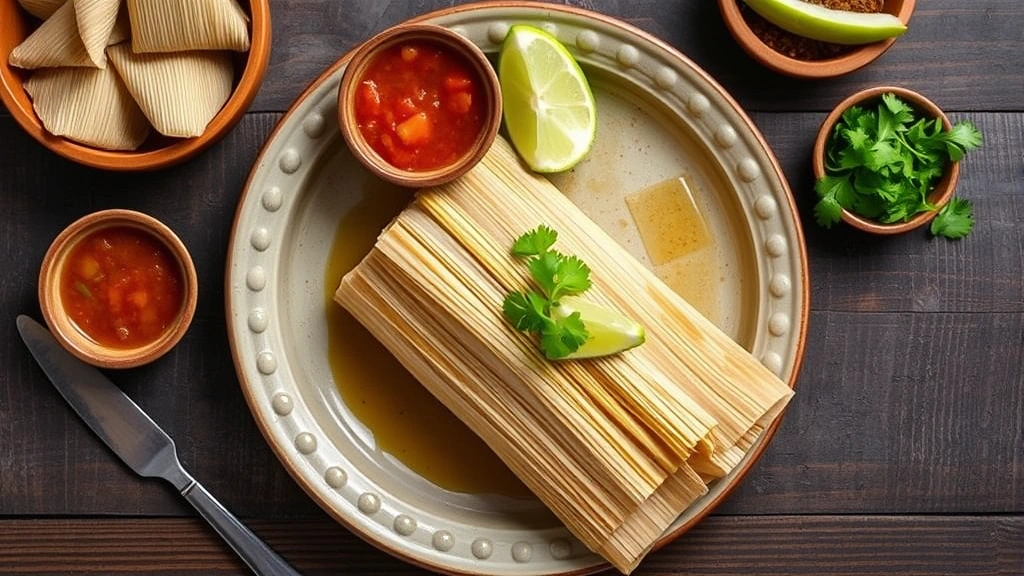
Before you begin eating a tamale, it’s essential to understand its composition. A traditional tamale consists of several distinct layers, each serving a specific purpose. The outermost layer comprises dried corn husks, which act as a protective wrapper and steamer during cooking. These husks are never intended for consumption—they’re simply packaging that keeps the delicate masa and filling intact.
Beneath the corn husks lies the masa, a corn-based dough that forms the bulk of the tamale. This soft, slightly crumbly mixture is made from masa harina (corn flour) mixed with broth and fat, creating a distinctive texture that’s neither quite bread nor quite cake. The masa is typically spread in a thin layer onto the corn husk, with the filling placed in the center. Inside you’ll find various fillings such as shredded chicken, pork, cheese, vegetables, or even sweet preparations with chocolate or fruit.
Understanding this layered structure helps you approach eating a tamale with confidence. You’re not meant to eat the corn husk, but you should be aware that sometimes a thin layer of masa sticks to it—this is normal and can be eaten or discarded based on your preference.
The Proper Unwrapping Technique
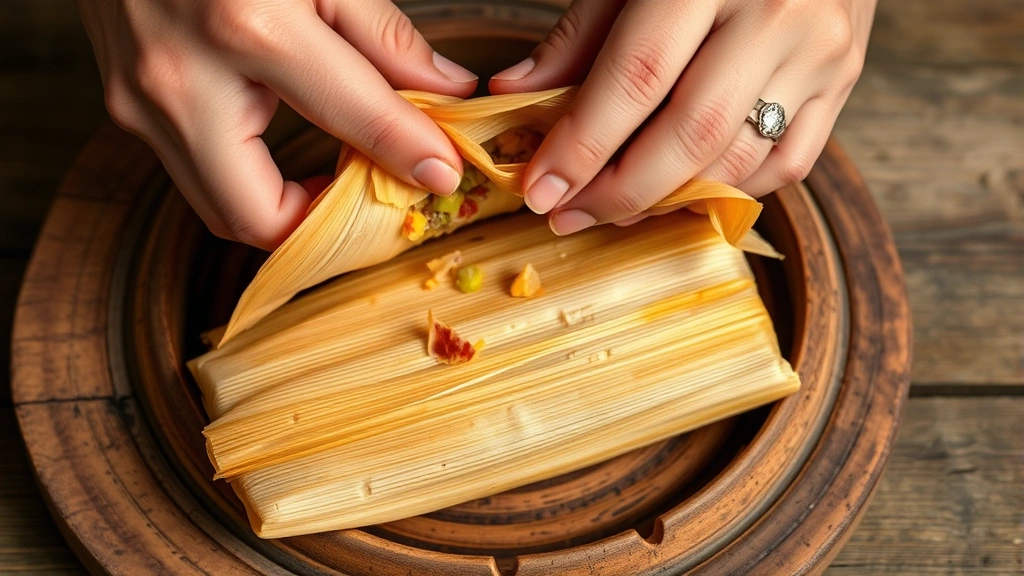
The unwrapping process is where most people struggle with tamale etiquette. The correct technique requires patience and a gentle touch to avoid tearing the masa or losing any filling. Here’s the step-by-step method used by tamale experts:
- Hold the tamale vertically with the pointed end facing downward. This orientation prevents filling from falling out during unwrapping.
- Use both hands to gently peel back the corn husks from the top, working downward. The husks should come away naturally without excessive force.
- Peel slowly and deliberately, checking that the masa is releasing from the husk cleanly. If resistance occurs, the tamale may not be fully cooked.
- Leave a base of corn husk at the bottom to serve as a handle and prevent your fingers from getting too messy.
- Discard the husks onto your plate or a designated compost area once fully unwrapped.
Some people prefer to unwrap tamales completely before eating, while others unwrap just enough to access the masa and filling. This personal choice depends on your comfort level and dining setting. If you’re eating at a formal dinner, complete unwrapping onto a plate is more elegant. At casual gatherings or street food settings, partial unwrapping is perfectly acceptable.
The key to mastering unwrapping is recognizing that tamales vary in firmness based on how recently they were cooked. Fresh, warm tamales are easier to unwrap because the masa has better structural integrity. Cold tamales may be slightly more delicate. If you’re dealing with previously frozen tamales that you’ve reheated, allow them to cool slightly before unwrapping to prevent burns.
Eating Methods and Etiquette
Once unwrapped, you have several acceptable ways to eat your tamale. The method you choose depends on the tamale’s size, your personal preferences, and the dining context.
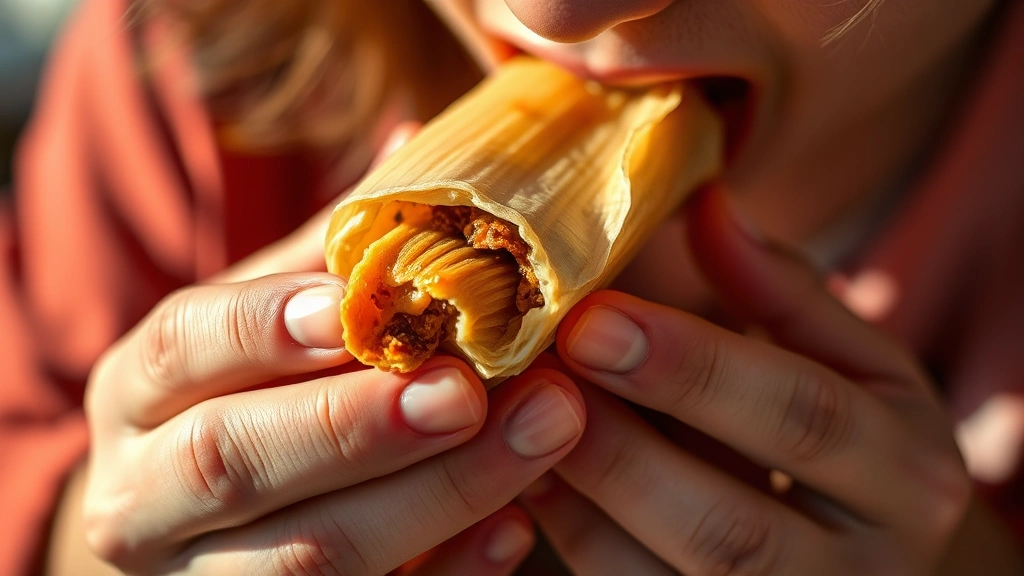
The Direct Method: This is the most common approach, especially for smaller tamales. Simply bite directly into the unwrapped tamale, taking bites that include both the masa and filling. This method preserves all flavors and allows you to enjoy the proper ratio of each component. It’s ideal for eating tamales by hand at casual events.
The Fork and Knife Method: For larger tamales or formal dining situations, use utensils to cut the tamale into bite-sized pieces. Place the unwrapped tamale on your plate and cut it into sections, then eat with your fork. This approach is neater and allows you to control portion sizes. Some people prefer this method because it slows down eating, allowing more time to savor flavors.
The Hybrid Method: Start by eating portions with your hands, then use utensils once the tamale becomes too small or fragile to hold safely. This practical approach combines convenience with cleanliness.
Regarding etiquette, remember that eating tamales with your hands is completely acceptable in most settings, including restaurants. Tamales are casual food with deep cultural roots, and hand-eating is traditional. However, if you’re attending a formal dinner or upscale restaurant presentation, observe what others are doing and follow their lead. Always keep napkins nearby—tamales can be rich and filling, and masa tends to stick to fingers.
Flavor Pairing and Accompaniments
Tamales are rarely eaten in isolation. Traditional accompaniments enhance the overall experience and balance the richness of the masa and fillings. Understanding these pairings helps you enjoy tamales more fully.
Salsas and Hot Sauces: Red salsa (salsa roja) and green salsa (salsa verde) are classic tamale companions. These acidic, spicy condiments cut through the richness of the masa and provide flavor contrast. Some tamales come with salsa already integrated into the filling, while others are served with salsa on the side for dipping or drizzling.
Crema and Cheese: Mexican crema (a thick, tangy dairy product) and fresh cheese like queso fresco add richness and cooling properties. These are particularly popular with tamales made from chile-based fillings.
Beverages: Atole, a warm corn-based beverage, is the traditional drink served with tamales, particularly during breakfast or at celebrations. In modern settings, horchata, agua fresca, or even simple hot chocolate pair beautifully. Coffee is also a popular choice for breakfast tamales.
Side Dishes: Refried beans, rice, and pickled vegetables often accompany tamales in complete meals. These sides provide textural variety and help balance the meal’s overall composition.
When eating tamales with accompaniments, apply salsa sparingly at first. You can always add more, but excess salsa can overwhelm the delicate masa flavor. Test the tamale alone first to appreciate its inherent taste, then experiment with different sauce combinations.
Regional Variations You Should Know
Tamales vary significantly across Mexico and Latin American countries, and understanding these differences enhances your appreciation of the dish. Each region has developed unique styles reflecting local ingredients and culinary traditions.
Oaxacan Tamales: These are typically larger and often filled with mole or tlayudas. Oaxaca is considered the tamale capital of Mexico, with dozens of regional variations. The masa here is often creamier, and preparations may include unusual ingredients like grasshoppers or insects.
Yucatecan Tamales: Known as “tamales colados,” these feature a smoother masa consistency and unique fillings influenced by Caribbean ingredients. They’re often smaller and more delicate than their central Mexican cousins.
Veracruz Style: These tamales frequently feature local seafood, particularly fish and shrimp, reflecting the coastal region’s culinary heritage. The masa may be slightly different in texture to accommodate these lighter fillings.
Central Mexican Tamales: The most commonly encountered style in the United States, these feature standard fillings like chicken, pork, or cheese. They’re versatile, moderately sized, and represent the “classic” tamale experience for many people.
Sweet Tamales: Throughout Mexico, sweet versions filled with chocolate, fruit, or nuts appear alongside savory varieties. Eating sweet tamales requires the same unwrapping technique but represents a completely different flavor profile. These are more delicate and often smaller than savory versions.
When encountering unfamiliar tamale varieties, don’t hesitate to ask about ingredients or preparation methods. Vendors and hosts appreciate questions and are usually happy to explain regional specialties. This curiosity shows respect for the culinary tradition.
If you’re interested in exploring international cuisines more broadly, check out our guide on how to eat a dragon fruit, which covers another culturally significant food with specific preparation techniques.
Common Mistakes to Avoid
Even well-intentioned tamale eaters sometimes make errors that diminish their enjoyment. Being aware of these common pitfalls helps you avoid them:
Eating the Corn Husk: This is the most frequent mistake. While corn husks are food-safe, they’re inedible and unpleasant. Always discard them completely. Some people accidentally eat small husk pieces mixed with masa—this isn’t dangerous but is undesirable.
Unwrapping Too Aggressively: Pulling the husks away forcefully can tear the masa and cause filling to fall out. Gentle, deliberate unwrapping prevents this waste and ensures you get every bite.
Eating Cold Tamales: Tamales taste significantly better when warm. If you’re serving previously refrigerated tamales, reheat them properly. Steaming is ideal, but microwaving works in a pinch. Cold tamales become dense and lose flavor complexity.
Ignoring Filling Preferences: If you dislike certain fillings, say so. There’s no obligation to eat tamales containing ingredients you don’t enjoy. Most situations offer variety, and it’s perfectly acceptable to select preferred options.
Over-Applying Condiments: Salsa and other sauces enhance tamales but can overwhelm them if used excessively. Start with small amounts and adjust to taste.
Rushing the Experience: Tamales are meant to be enjoyed slowly. Taking time to appreciate flavors, textures, and cultural significance transforms eating from mere consumption into genuine enjoyment.
Making Your Own Tamales
Understanding how tamales are made deepens appreciation for the eating experience. While detailed tamale-making is complex, knowing the basics helps you eat them with greater awareness.
Traditional tamale preparation begins with corn preparation. Dried corn kernels are treated with lime (calcium hydroxide) in a process called nixtamalization, then ground into masa harina. This flour is mixed with broth and fat—traditionally lard, though modern versions may use vegetable shortening or oil—to create the characteristic light, slightly crumbly dough.
Fillings are prepared separately, usually involving slow-cooked proteins seasoned with regional spices and chiles. The assembly process involves spreading masa onto a corn husk, adding filling in the center, then folding the husk to enclose everything. Tamales are then stacked in a steamer basket and cooked with steam, which cooks the masa while the corn husks keep everything moist.
The entire process is labor-intensive, which is why tamales are traditionally made in large batches during celebrations or special occasions. Understanding this effort involved in preparation encourages respect for the dish and the people who make it.
If you’re interested in food preparation more broadly, you might enjoy learning about how to dry basil or exploring how to make coffee without a coffee maker for other kitchen techniques.
For comprehensive tamale recipes and preparation guides, consult This Old House’s home and lifestyle section or Family Handyman’s kitchen guides, which occasionally feature traditional food preparation articles.
Many specialty food retailers now carry prepared masa and pre-made tamale kits, making home preparation more accessible. If you’re interested in more how-to guides, FixWiseHub offers extensive tutorials on various kitchen techniques.
FAQ
Is it rude to eat tamales with your hands?
Not at all. Hand-eating tamales is traditional and completely acceptable in virtually all settings. Tamales are casual food designed for hand consumption. Use napkins liberally, and you’re perfectly fine.
What should I do if the masa sticks to the corn husk?
This is normal and indicates the tamale may not have fully cooled or may have been slightly undercooked. Gently peel the husk away, and eat the masa that comes with it. Some prefer to leave it on the husk; this is entirely your choice.
Can I eat tamales cold?
Yes, but they taste significantly better warm. Cold tamales become dense and lose flavor. Always reheat them if possible. Steaming is the best method, followed by microwaving in a damp paper towel.
What’s the proper way to hold a tamale while eating?
Hold it vertically or at a slight angle with the pointed end down. Use the corn husk base as a handle. This positioning prevents filling from falling out and keeps your hands relatively clean.
Are there tamales I shouldn’t eat?
All properly prepared tamales are safe to eat. However, if you have allergies to corn, masa, or specific fillings, always ask about ingredients before eating. Some tamales contain nuts, cheese, or other allergens.
How do I know if a tamale is fully cooked?
Fully cooked tamales have masa that separates cleanly from the corn husk. If the masa sticks stubbornly or feels wet and doughy, the tamale needs more cooking time.
What’s the best beverage to pair with tamales?
Traditionally, atole or hot chocolate pair beautifully with tamales. Modern options include horchata, agua fresca, coffee, or even simple water. The beverage should complement rather than overpower the tamale flavors.

Related Posts

Remove Security Tags at Home? Expert Tips Inside

Remove a Bathtub Drain? Expert Tips Inside