
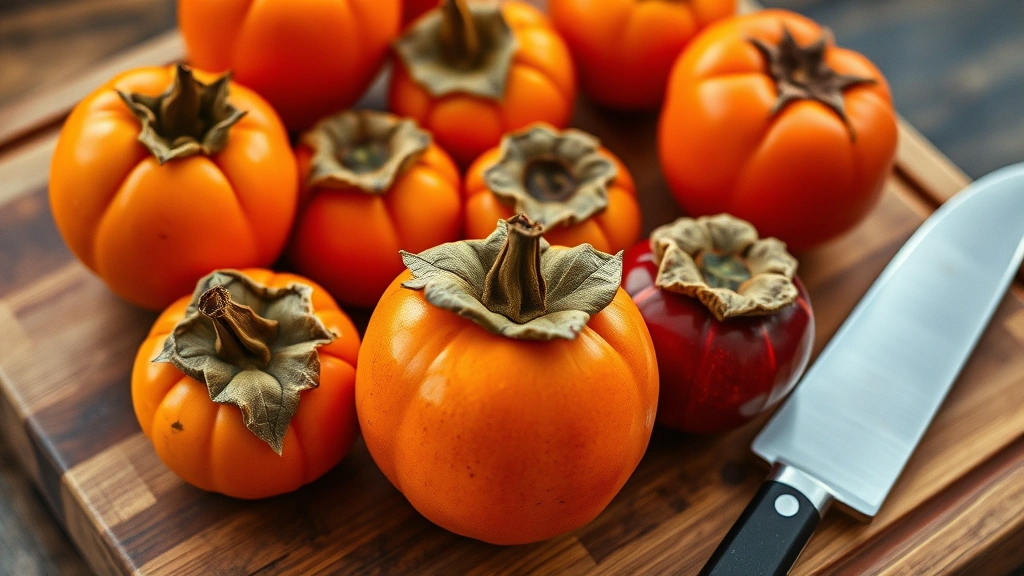
How to Eat a Persimmon: Expert Tips and Tricks
Persimmons are a delicious and nutritious fruit that many people encounter but aren’t quite sure how to enjoy properly. Whether you’ve picked them fresh from a tree, purchased them at a farmer’s market, or found them at your local grocery store, understanding the best techniques for eating persimmons can transform your experience from frustrating to delightful. This guide will walk you through everything you need to know about selecting, preparing, and savoring these sweet autumn treats.
The key to enjoying persimmons lies in understanding the two main varieties and their unique characteristics. Astringent persimmons require proper ripeness to be palatable, while non-astringent varieties can be eaten while still firm. By learning the differences and mastering a few simple techniques, you’ll unlock the full potential of this underrated fruit and discover why persimmons have been celebrated for centuries in cuisines around the world.
Understanding Persimmon Varieties
Before you learn how to eat a persimmon, it’s essential to understand that not all persimmons are created equal. There are two primary varieties: astringent and non-astringent, and they require different approaches to eating. Astringent persimmons, such as the Hachiya variety, contain high levels of tannins that create an unpleasant, mouth-puckering sensation if eaten before they’re fully ripe. Non-astringent varieties, like Fuyu persimmons, can be enjoyed while still firm and have a crisp, apple-like texture.
Astringent persimmons are typically larger and more heart-shaped, while non-astringent varieties tend to be smaller and flatter. Understanding which type you’re working with will determine your preparation strategy. If you’re unsure which variety you have, ask your produce manager or check the label at the market. This simple knowledge can prevent disappointment and help you enjoy your persimmons to the fullest.
The astringent variety requires patience—it must be allowed to ripen until it’s almost custard-like in consistency. Non-astringent persimmons offer more flexibility, allowing you to enjoy them at various stages of ripeness depending on your texture preference. Both varieties offer excellent nutritional benefits, including fiber, vitamin C, and antioxidants.
Selecting Ripe Persimmons
Choosing the right persimmon at the market is your first step toward a satisfying eating experience. For non-astringent Fuyu persimmons, look for fruits that are firm but yield slightly to gentle pressure, similar to how you’d select a ripe avocado. The skin should be a deep orange or reddish color, and there should be no visible blemishes or soft spots. These persimmons can be eaten at various ripeness levels, so you have some flexibility in your selection.
For astringent Hachiya persimmons, the selection process is different. You want to choose fruits that are still relatively firm at the market, as they’ll continue to ripen at home. Look for a vibrant orange hue and smooth skin. Avoid any that show signs of damage or excessive softness, as this may indicate overripeness or spoilage. The stem should be intact and green, indicating freshness.
One helpful tip: gently squeeze the persimmon in your palm. If it feels rock-hard, it’s not yet ripe. If it’s mushy or leaking, it’s past its prime. The ideal persimmon should have some give but maintain its structural integrity. If you’re uncertain about ripeness, don’t hesitate to ask the produce department staff—they can provide guidance based on your intended use.
Basic Preparation Methods
Once you’ve selected your persimmons, proper preparation is crucial. Start by gently rinsing the fruit under cool running water to remove any dirt or residue. Pat it dry with a clean kitchen towel. Unlike many fruits, persimmons have delicate skin, so avoid scrubbing vigorously. The skin is completely edible and contains valuable nutrients, so you don’t need to peel astringent varieties, though many people prefer to.
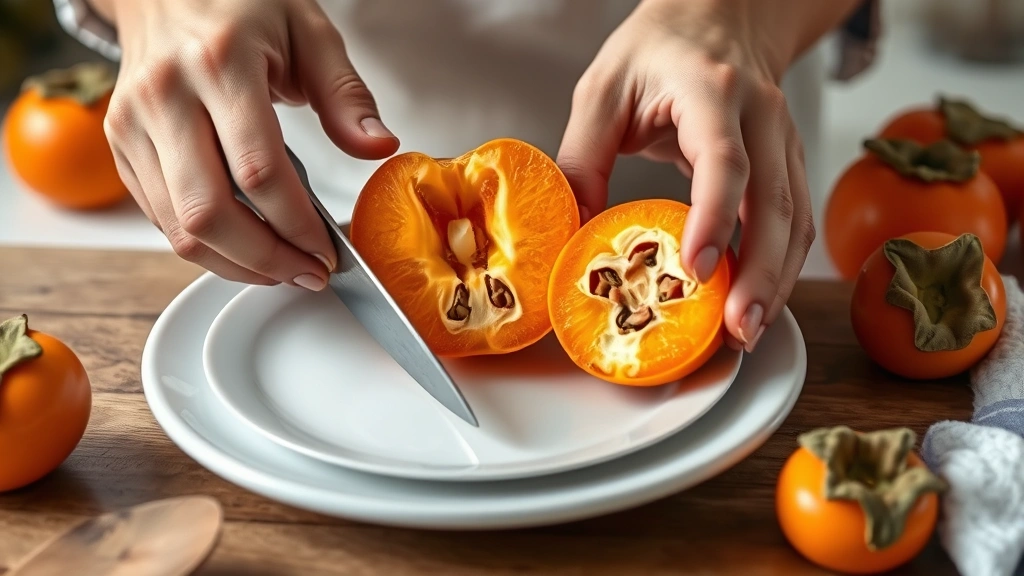
For non-astringent Fuyu persimmons, you can eat them whole like an apple, or slice them into wedges. Simply cut the fruit into quarters or eighths, removing the leafy crown at the top. The seeds, if present, are edible but can be removed if you prefer. Some people like to cut Fuyu persimmons in half and scoop out the flesh with a spoon, similar to eating a kiwifruit.
For astringent Hachiya persimmons, the preparation is slightly different. Once fully ripe, cut off the leafy crown and either scoop out the custard-like flesh with a spoon or peel away the skin. Some people prefer to chill these persimmons and then cut them into slices. The flesh should be so soft that cutting is almost unnecessary—a spoon does most of the work. If you find your astringent persimmon is too firm, it needs more time to ripen.
Eating Fresh Persimmons
The actual process of eating a persimmon is straightforward once you understand the variety and ripeness. For firm, non-astringent Fuyu persimmons, you can bite directly into the fruit like an apple, working around the leafy crown at the top. The crisp texture and sweet flavor are reminiscent of a combination between an apple and a mango. Many people enjoy the skin, which adds a slight tartness that balances the fruit’s natural sweetness. If you prefer, you can peel the skin away using a vegetable peeler or sharp knife.
When eating a fresh Fuyu persimmon, start from the bottom and work your way up, leaving the crown for last or removing it before you begin. Hold the fruit over a plate or bowl to catch any drips, as the juice can be sticky. Some people find it easier to slice the fruit into manageable pieces before eating, especially if they’re concerned about mess.
For soft, fully ripe astringent persimmons, use a small spoon to scoop out the custard-like interior. You can eat directly from the skin or transfer the flesh to a bowl. The texture is similar to pudding, and it’s meant to be savored slowly. This variety is less messy than Fuyu persimmons when eaten with a spoon, making it an excellent choice if you’re eating while working or wearing nice clothes.
Some people enjoy chilling their persimmons before eating, particularly Fuyu varieties. A cold persimmon has a firmer texture and can feel more refreshing, similar to biting into a chilled apple. Experiment with different temperatures to find your preference.
Storage and Ripening Techniques
Proper storage ensures your persimmons ripen correctly and maintain their quality. Room temperature storage works well for persimmons that are already somewhat ripe. Place them in a fruit bowl away from direct sunlight, and they’ll continue to ripen over several days. For faster ripening, place persimmons in a paper bag with a banana or apple—the ethylene gas these fruits produce will accelerate the ripening process significantly.
If you need to slow down ripening or store persimmons for longer periods, refrigerate them. Ripe non-astringent persimmons can last in the refrigerator for up to two weeks. Astringent persimmons that are fully ripe can also be refrigerated, though their custard-like texture may become slightly firmer. For long-term storage, freeze persimmon pulp in ice cube trays or freezer bags, which is perfect for later use in smoothies or baking.
A clever trick for ripening astringent persimmons quickly is to place them in the freezer for 24 hours, then remove them and allow them to thaw at room temperature. The freezing process breaks down the cell structure and neutralizes the astringency, leaving you with perfectly ripe fruit. This method works remarkably well and can reduce ripening time from weeks to just a couple of days.
For those following a regular kitchen maintenance routine, keeping your refrigerator clean ensures your stored persimmons stay fresh and uncontaminated. Proper food storage practices contribute to better-tasting fruit and fewer spoilage issues.
Creative Serving Ideas
Beyond eating persimmons fresh, there are numerous creative ways to enjoy them. Slice firm Fuyu persimmons and add them to salads for a sweet crunch that pairs beautifully with bitter greens, nuts, and cheese. The fruit’s natural sweetness complements savory ingredients like arugula, goat cheese, and candied walnuts perfectly.
Ripe astringent persimmons make an excellent base for smoothies and beverages. Blend the custard-like flesh with yogurt, honey, and spices like cinnamon or ginger for a delicious smoothie. You can also puree ripe persimmons and use the pulp in baking—persimmon bread, muffins, and cookies are traditional favorites that showcase the fruit’s unique flavor.
For a simple dessert, layer ripe persimmon puree with whipped cream and granola for a parfait. You can also freeze persimmon puree on popsicle sticks for homemade frozen treats. If you’re feeling adventurous, try grilling firm Fuyu persimmon slices and serving them with a drizzle of honey and a sprinkle of sea salt for a warm, elegant dessert.
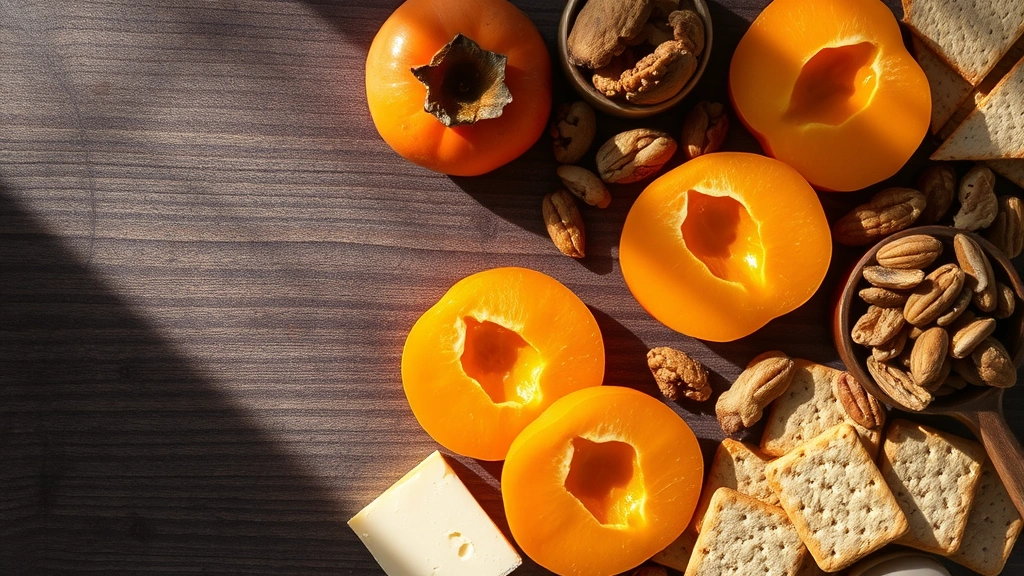
Persimmons also pair wonderfully with cheese boards. Arrange thin slices of Fuyu persimmons alongside aged cheddar, brie, and blue cheese, along with nuts and crackers. The fruit’s sweetness provides a nice contrast to the savory, complex flavors of quality cheeses. This presentation is sure to impress guests and introduce them to persimmons if they’re unfamiliar with the fruit.
Common Mistakes to Avoid
Many people make preventable mistakes when eating persimmons, leading to disappointing experiences. The most common error is eating an astringent persimmon before it’s fully ripe. If you bite into a firm Hachiya persimmon, the tannins will create an intensely unpleasant, drying sensation in your mouth. This mistake has turned many people away from persimmons entirely. Always ensure astringent varieties are soft and yielding before eating them.
Another frequent mistake is confusing the two varieties and expecting them to taste the same. Non-astringent persimmons offer a crisp, apple-like experience, while astringent varieties provide a custard-like sweetness. Understanding this difference prevents disappointment and helps you select the right variety for your intended use.
Some people also make the error of discarding the skin unnecessarily. The skin of both varieties is edible and contains fiber and nutrients. While personal preference varies, there’s no need to peel persimmons unless you truly dislike the texture or flavor of the skin. If you do choose to peel, use a sharp vegetable peeler or knife to minimize waste.
Improper storage is another common issue. Leaving persimmons in warm areas can cause them to ripen too quickly and become overripe before you’re ready to eat them. Conversely, refrigerating unripe astringent persimmons can halt the ripening process, leaving you with an inedible fruit. Store persimmons appropriately based on their ripeness and the variety you’re working with.
Finally, avoid cutting persimmons with dull knives. A sharp knife makes clean cuts through firm Fuyu persimmons and prevents crushing the delicate flesh of ripe astringent varieties. Take time to use proper tools for the best results.
If you’re interested in learning more about food preparation and storage, check out our guides on maintaining home systems and various how-to tutorials that can help you optimize your kitchen environment.
FAQ
Can you eat persimmon skin?
Yes, persimmon skin is completely edible and nutritious. Both astringent and non-astringent varieties have edible skin that contains fiber and valuable nutrients. Many people enjoy eating persimmons with the skin on, though some prefer to peel them for texture preference. The skin is thin and not tough, making it easy to eat.
How do you know when a persimmon is ripe?
For non-astringent Fuyu persimmons, gentle pressure should produce a slight give, similar to a ripe avocado. For astringent Hachiya persimmons, the fruit should be very soft and almost custard-like. The color should be a deep orange or reddish hue. If you’re unsure, ask your produce department or use the freezer method to speed up ripening.
What’s the difference between astringent and non-astringent persimmons?
Astringent persimmons (like Hachiya) contain tannins that create an unpleasant, mouth-puckering sensation if eaten before fully ripe. Non-astringent varieties (like Fuyu) can be eaten while still firm and have a crisp texture. Astringent persimmons become custard-like when fully ripe, while non-astringent varieties remain relatively firm.
How long do persimmons last?
At room temperature, ripe non-astringent persimmons last about 3-5 days. Refrigerated ripe persimmons can last up to two weeks. Unripe persimmons can last several weeks at room temperature as they continue to ripen. Frozen persimmon puree can last several months in the freezer.
Can you eat persimmon seeds?
Yes, persimmon seeds are completely safe to eat and are not toxic. However, many people find them unpleasant to bite down on and prefer to remove them. If you encounter seeds while eating a persimmon, you can either spit them out or swallow them—it’s entirely a matter of personal preference.
What should you do if you accidentally bite into an unripe astringent persimmon?
If you bite into an unripe astringent persimmon, drink some milk or eat a piece of cheese to counteract the tannins. The proteins in dairy products bind to tannins and reduce the unpleasant sensation. This is a temporary fix, but it will help minimize the discomfort. In the future, ensure astringent persimmons are fully ripe before eating.