Dry Clean at Home? Expert Tips Revealed
How to Dry Clean at Home: Expert Tips Revealed
Dry cleaning costs can quickly add up, especially if you have delicate garments that require regular professional care. The average dry cleaning bill for a single item ranges from $5 to $15, and for a family’s wardrobe, this can mean hundreds of dollars annually. The good news is that many garments labeled “dry clean only” can actually be safely cleaned at home using the right techniques and products. Learning how to dry clean at home not only saves money but also gives you control over the cleaning process and extends the life of your favorite clothes.
Professional dry cleaning uses toxic chemicals like perchloroethylene (PERC) that can be harsh on fabrics and the environment. Home dry cleaning methods offer gentler alternatives that are just as effective for most garments. Whether you’re dealing with wool suits, silk blouses, or delicate dresses, this comprehensive guide will walk you through everything you need to know about safely cleaning your clothes at home without professional equipment.
Understanding Dry Clean Only Labels
The “dry clean only” label on clothing can be misleading. Manufacturers add this label as a liability protection, not necessarily because the garment cannot be cleaned any other way. The label indicates that the garment has been tested and confirmed safe for professional dry cleaning, but it doesn’t mean home cleaning methods will damage it. Understanding fabric content and construction is crucial before attempting home cleaning.
Most delicate fabrics like silk, wool, cashmere, and linen can tolerate home cleaning when proper techniques are used. However, some garments with complex construction—such as those with multiple layers, special linings, or glued interfacing—may not be suitable for home cleaning. Always check the care label for specific instructions and look for information about the fabric composition. If a garment contains multiple materials, the most delicate component should dictate your cleaning approach.
The key difference between dry cleaning and regular laundering is the solvent used. Professional dry cleaners use chemical solvents, while home methods typically use water-based solutions with specialized detergents. These gentler alternatives work well for most garments and can actually be less damaging than traditional washing.
Essential Supplies and Equipment
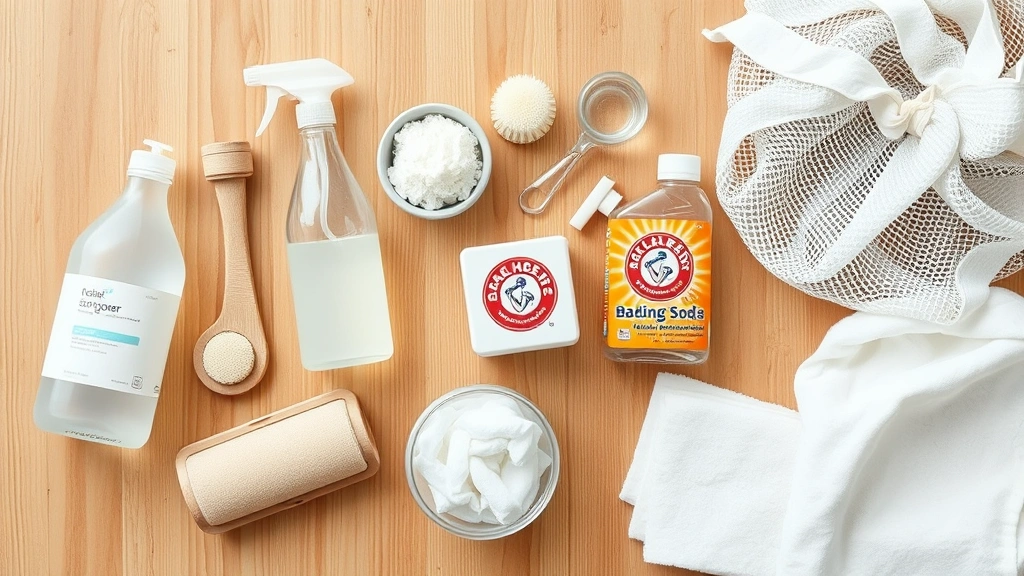
Before you start cleaning garments at home, gather the right supplies. You don’t need expensive equipment—most items are affordable and readily available at grocery stores or online retailers. Here’s what you’ll need for successful home dry cleaning:
- Specialized detergents: Look for gentle, pH-neutral detergents designed for delicate fabrics. Brands like The Laundress Delicate Wash or Dreft are excellent choices. Avoid regular laundry detergent, which can be too harsh for delicate materials.
- White vinegar: This natural ingredient helps remove odors and acts as a fabric softener. It’s also useful for setting colors and preventing dye bleeding.
- Baking soda: Perfect for absorbing odors and freshening garments between cleanings. It’s gentler than chemical deodorizers.
- Distilled water: Using distilled water prevents mineral deposits and water stains on delicate fabrics. Tap water can leave marks on light-colored garments.
- Soft-bristled brush: Essential for gently working cleaning solution into fabrics without causing damage. An old toothbrush works well for small areas.
- Clean white towels: Use these for blotting and drying. Colored towels may transfer dye to light-colored garments.
- Mesh laundry bag: Protects delicate items during any mechanical washing.
- Spray bottle: Useful for applying cleaning solutions evenly to garments.
- Garment steamer: While not essential, a steamer helps remove wrinkles gently without applying heat directly to delicate fabrics.
Many people also find success with commercial home dry cleaning kits available at major retailers. These kits include pre-treated cloths and specific instructions for machine drying at low temperatures. They work well for maintenance cleaning but may not be effective for heavily soiled garments.
Preparing Garments for Home Dry Cleaning
Proper preparation is essential before cleaning any garment at home. This step determines whether your cleaning will be successful and safe for your clothes. Begin by examining the garment thoroughly for existing damage, loose seams, or weakened areas. Small holes or tears will only worsen during cleaning, so mend these first or consider professional repair.
Check all pockets and remove any items. Inspect for stains and note their location and type. Different stains require different treatment approaches, so identifying them early allows you to target your cleaning efforts effectively. Turn garments inside out to protect the outer surface during cleaning, especially for items with prints or delicate finishes.
Test the fabric’s colorfastness before full cleaning. Apply a small amount of your cleaning solution to an inconspicuous area—like an inside seam or hidden panel—and blot with a white cloth. If color transfers to the cloth, the dye is not colorfast, and you should avoid wet cleaning methods. Instead, use dry methods like spot treatment or professional cleaning.
For garments with embellishments like beads, sequins, or embroidery, extra caution is necessary. These items may not withstand moisture and agitation. Consider professional cleaning for heavily decorated pieces, or limit your cleaning to gentle spot treatment and steaming.
Spot Treatment Methods
Spot treatment is often sufficient for lightly soiled garments or specific stains. This method targets problem areas without exposing the entire garment to moisture and potential shrinkage. Different stain types require different approaches:
Oil and grease stains: Apply a small amount of dry-cleaning solvent or rubbing alcohol to the stain using a soft cloth. Work from the outside of the stain toward the center to prevent spreading. Blot gently—never rub—and allow to air dry completely.
Wine, juice, and food stains: Blot immediately with a clean white cloth to remove excess liquid. Mix a solution of one part white vinegar to three parts distilled water. Apply to the stain and blot repeatedly until the stain lifts. Rinse with a cloth dampened in plain distilled water.
Ink and pen marks: Use rubbing alcohol applied with a cotton swab. Dab gently on the stain, working from outside to inside. This works best on fresh stains before ink has fully set.
Mud and dirt: Let the mud dry completely, then gently brush away dried particles with a soft brush. For remaining stains, use a damp cloth with mild detergent solution, blotting rather than rubbing.
Always test your cleaning solution on a hidden area first. Work carefully and patiently—rushing the process or using excessive moisture can set stains permanently or cause water marks. Allow each section to dry completely before assessing whether additional treatment is needed.
Washing Techniques for Delicate Fabrics
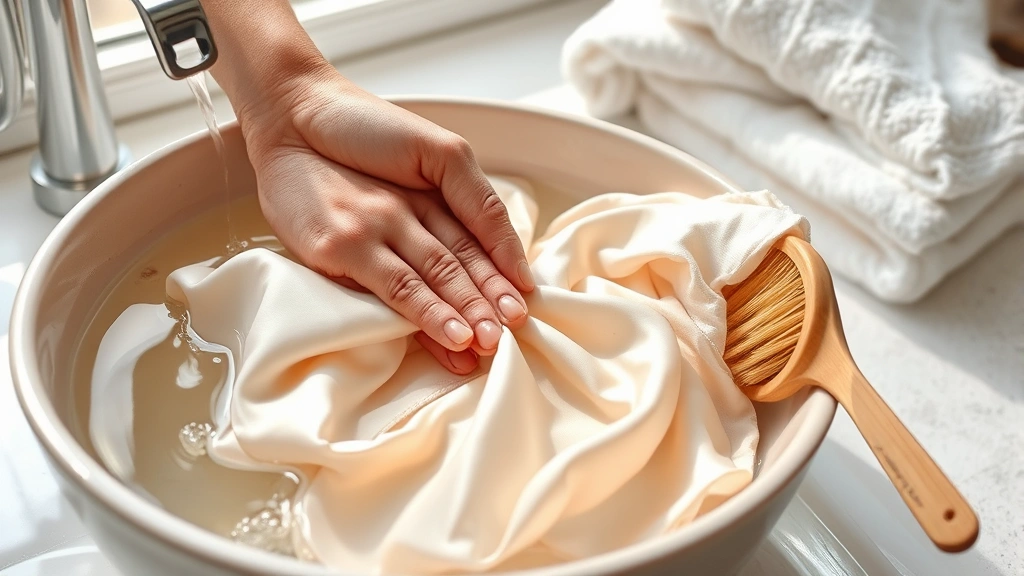
When spot treatment isn’t sufficient and the entire garment needs cleaning, gentle washing techniques are essential. Hand washing is the safest method for most delicate fabrics, though some items can tolerate machine washing on delicate cycles. Fill a basin or sink with cool to lukewarm water—never hot water, which can cause shrinkage and damage delicate fibers.
Add a small amount of specialized delicate fabric detergent to the water. The solution should be mild—you want just enough soap to clean without leaving residue. Submerge the garment and gently agitate for two to three minutes. Avoid twisting, wringing, or excessive movement. For heavily soiled areas, use a soft-bristled brush to gently work the solution into the fabric.
Rinse thoroughly with cool distilled water. This step is crucial because soap residue can leave stains and affect fabric texture. Repeat rinsing until the water runs clear and you no longer see soap suds. Some people add a small amount of white vinegar to the final rinse water—about one tablespoon per gallon—to help remove any remaining detergent and add softness.
For machine washing delicate items, use the gentle or delicate cycle with cold water and a mesh laundry bag. This protection prevents snagging and excessive agitation. Remove the garment immediately after the cycle completes to prevent mildew and wrinkles. Machine washing works well for sturdy delicate fabrics like cotton blends and linen, but hand washing is safer for silk, cashmere, and wool.
Some people find success combining home cleaning with the guidance found in FixWiseHub’s comprehensive how-to guides, which cover detailed cleaning techniques for various household items and materials. Understanding proper cleaning fundamentals applies across many household tasks.
Drying and Finishing Your Clothes
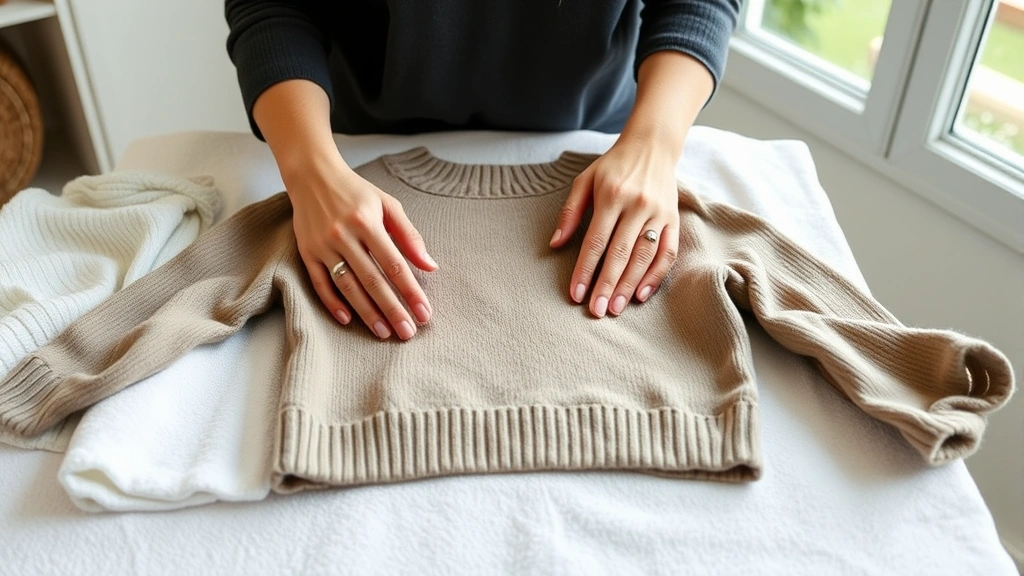
How you dry your garments is just as important as how you clean them. Never wring out excess water or twist delicate fabrics. Instead, gently squeeze out water by pressing the garment between your hands. Roll the garment in a clean white towel and press gently to absorb moisture. You can repeat this with a dry towel if needed.
Lay garments flat on a clean, dry surface to air dry completely. A clean towel, drying rack, or mesh screen works well. Ensure good air circulation and avoid direct sunlight, which can fade colors. Delicate items should never be hung while wet, as the weight of water can stretch them out of shape. For items like sweaters and knits, lay them flat in their original shape to prevent stretching.
Once garments are completely dry, you may notice wrinkles. A garment steamer is ideal for removing wrinkles from delicate fabrics without applying direct heat. If you don’t have a steamer, hang the garment in a steamy bathroom and allow steam from a hot shower to gently release wrinkles. A low-heat iron with a pressing cloth between the iron and fabric works for more robust delicate items, but avoid this method for silk and very delicate materials.
For garments that need a professional finish, consider using a pressing service at a local dry cleaner. This gives you the benefit of professional appearance without the chemical cleaning process. Many dry cleaners offer pressing-only services at a fraction of the cost of full cleaning.
Garments to Avoid Cleaning at Home
Despite the benefits of home dry cleaning, some garments should always go to professionals. Understanding which items require expert care protects your investment and ensures proper results. Avoid home cleaning for:
- Structured garments: Items with interfacing, padding, or special construction like tailored jackets, dress shirts with crisp collars, and structured dresses may lose their shape during home washing.
- Fur and leather: These materials require specialized solvents and expertise. Professional cleaning is essential to maintain quality and appearance.
- Heavily beaded or sequined items: Embellishments often cannot withstand moisture and agitation. Professional dry cleaning protects these details.
- Antique or vintage clothing: Older garments have delicate, weakened fibers that professional cleaners are trained to handle safely.
- Garments with unknown fiber content: If you cannot determine the fabric type, professional cleaning is the safest option.
- Items with dye bleeding: If your colorfastness test shows color transfer, professional dry cleaning is necessary to prevent permanent damage.
- Garments with permanent stains: Professional cleaners have access to specialized treatments that home methods cannot provide.
When in doubt, consult a professional. The cost of professional cleaning is often less expensive than replacing a damaged garment. Many dry cleaners offer free consultations and can advise whether home cleaning is appropriate for specific items.
For those interested in learning more about home maintenance and care, exploring detailed guides on cleaning specific materials can provide valuable insights into fabric care. The same principles of gentle handling and appropriate cleaning solutions apply across different household items.
FAQ
Can all dry-clean-only garments be cleaned at home?
Not all dry-clean-only garments are suitable for home cleaning. While many can be safely cleaned at home, structured items, fur, leather, and heavily embellished pieces should go to professionals. Always perform a colorfastness test first.
What’s the best detergent for home dry cleaning?
Specialized delicate fabric detergents like The Laundress Delicate Wash, Dreft, or Ecos are excellent choices. Avoid regular laundry detergent, which is too harsh for delicate fabrics. Look for pH-neutral, gentle formulas specifically designed for delicate items.
How often should I dry clean garments at home?
The frequency depends on how often you wear items and how soiled they become. Many delicate garments only need cleaning every few wears. Spot treatment between cleanings extends the time between full cleaning and reduces overall wear on fabrics.
Can I use my washing machine for delicate items?
Yes, but only on the gentle or delicate cycle with cold water. Place items in a mesh laundry bag for protection. Hand washing is still safer for the most delicate fabrics like silk and cashmere, but machine washing works for sturdier delicate materials.
What should I do if a garment shrinks after home cleaning?
Unfortunately, shrinkage is often permanent. To prevent this, always use cool to lukewarm water, avoid heat during drying, and lay items flat rather than hanging. If shrinkage occurs, professional restoration services may help, though results vary.
Is home dry cleaning cost-effective?
Yes, significantly. Home dry cleaning costs just pennies per garment compared to $5-15 per item at professional cleaners. Specialized detergents and supplies are affordable and last for many cleaning cycles.
Can I dry clean wool and cashmere at home?
Yes, both can be safely cleaned at home using gentle methods. Use cool water, specialized delicate detergent, and hand washing. Lay flat to dry. Cashmere requires extra care but responds well to home cleaning when done properly.
How do I prevent water stains on delicate fabrics?
Use distilled water for both washing and rinsing. Tap water contains minerals that leave marks on light-colored garments. Allow garments to dry completely in a well-ventilated area away from direct sunlight.

Related Posts

Remove Activation Lock: Expert Tips & Tricks

Remove Section Break in Word: Expert Tips