
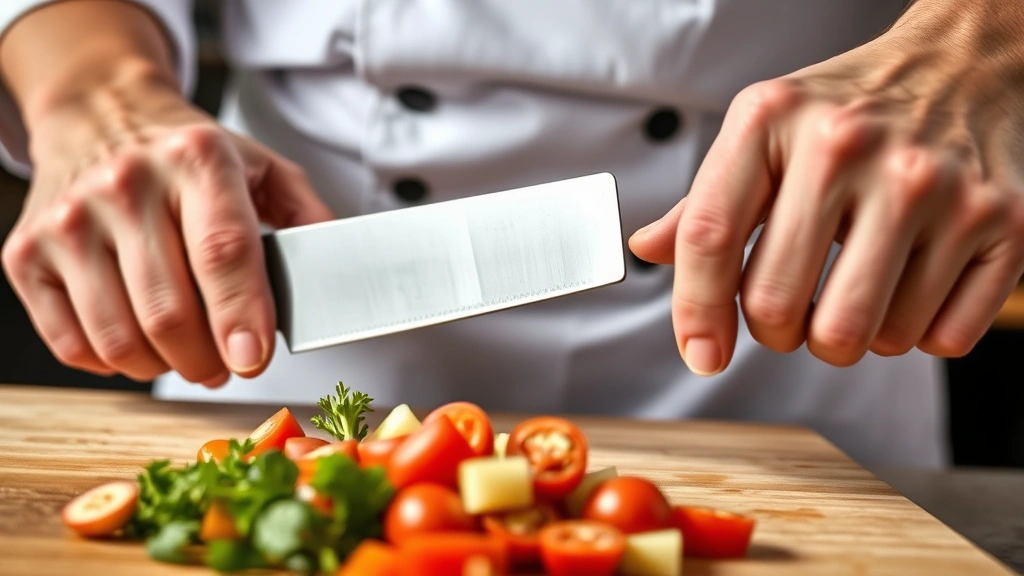
DIY Deepthroat Tips: Expert Advice & Techniques
DIY Deepthroat Tips: Expert Advice & Techniques
Learning proper knife techniques is essential for any home cook looking to improve their culinary skills. The deepthroat cut, also known as the deep throat or throat cut, is an advanced slicing method that allows you to cut through tougher cuts of meat and dense vegetables with precision and control. This technique requires practice, the right tools, and understanding the mechanics of how your knife interacts with different ingredients.
Whether you’re preparing poultry, beef, or root vegetables, mastering the deepthroat cutting technique will transform your kitchen efficiency and food presentation. This comprehensive guide walks you through everything you need to know, from selecting the proper knife to executing perfect cuts every time. We’ll cover safety considerations, common mistakes, and professional tips that will elevate your home cooking to restaurant-quality results.
Understanding the Deepthroat Cutting Technique
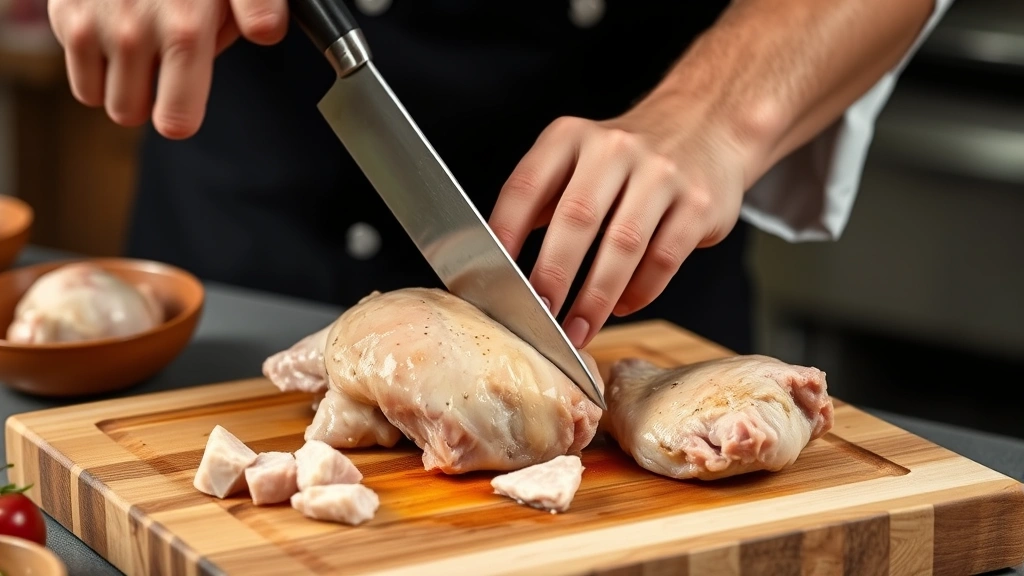
The deepthroat cut is a fundamental knife skill that involves inserting the blade deeply into the ingredient while maintaining control and precision. This technique is particularly valuable when working with items like chicken thighs and other poultry, where you need to navigate around bones and joints. The term “deepthroat” refers to the depth of penetration required to achieve the desired result, whether you’re separating meat from bone or creating uniform slices.
Understanding the anatomy of what you’re cutting is crucial. Different ingredients respond differently to the deepthroat technique. Proteins require different pressure and blade angle compared to vegetables. The goal is to use the knife’s length and weight to your advantage, allowing gravity and proper technique to do most of the work rather than relying on brute force.
Professional chefs use the deepthroat method because it provides superior control, reduces hand fatigue, and produces cleaner cuts. When executed properly, this technique minimizes crushing or tearing of delicate tissues, which preserves the ingredient’s integrity and presentation quality. The deepthroat cut also allows you to work more efficiently, reducing preparation time in the kitchen.
Essential Tools and Equipment
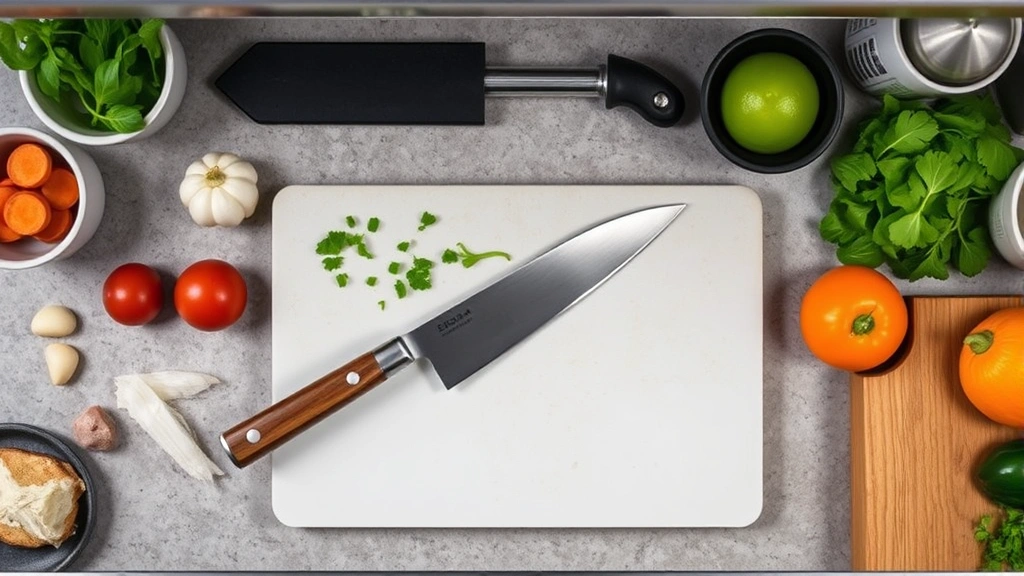
Before attempting the deepthroat cutting technique, you’ll need to assemble the right tools. The primary tool is a sharp knife, but you’ll also benefit from having several supporting items in your kitchen setup. Proper equipment makes the technique easier to learn and safer to execute.
- Cutting board: Use a stable, non-slip cutting surface. Wood or plastic boards designed for food preparation work best.
- Honing steel: Keep your knife sharp between uses with regular honing. A honing steel realigns the blade’s edge without removing metal.
- Knife sharpener: Whether you prefer whetstones, pull-through sharpeners, or professional sharpening services, maintaining blade sharpness is non-negotiable.
- Towels: Keep kitchen towels nearby for wiping your blade and maintaining grip security.
- Ingredient stabilizers: Consider using claw grips or cutting guides when learning, though you’ll eventually work without them.
- Lighting: Ensure your workspace has adequate lighting so you can see exactly what you’re cutting.
Investing in quality equipment from reputable retailers like Williams-Sonoma or Sur La Table ensures your tools will last for years and perform reliably. Quality cutting boards and knives are investments in your culinary future.
Knife Selection and Maintenance
Selecting the right knife is absolutely critical for mastering the deepthroat technique. The blade must be sharp enough to slice cleanly through your ingredients without requiring excessive pressure. A dull knife is not only inefficient but also dangerous, as it requires more force and is more likely to slip.
Blade length and type: For deepthroat cutting, an 8-inch chef’s knife is ideal for most home cooks. The length provides leverage and control, while the width of the blade helps guide your cuts. Boning knives, which are narrower and more flexible, work well for poultry and navigating around bones. Carving knives, with their long thin blades, excel at creating uniform slices through larger pieces.
Maintenance is where many home cooks fall short. Your knife requires regular care to maintain its edge and prevent damage. Hone your knife before each use—this takes only 30 seconds and realigns the blade’s edge. Sharpen your knife every few months, depending on usage frequency. Hand wash your knives immediately after use rather than putting them in the dishwasher, which dulls blades and can damage handles.
Store your knives properly using a knife block, magnetic strip, or blade guards. Never toss knives loose in a drawer where they bang against other utensils. Proper maintenance of kitchen tools, whether cast iron or knives, ensures longevity and performance.
Consider visiting This Old House for additional resources on maintaining kitchen tools and equipment. They offer comprehensive guides on tool care and kitchen setup.
Step-by-Step Execution Guide
Now that you understand the fundamentals and have your tools ready, let’s walk through the deepthroat cutting technique step by step. This progression will help you build confidence and develop muscle memory.
Step 1: Prepare Your Workspace
Set up your cutting board on a stable, flat surface at a comfortable height. Ensure adequate lighting and have all your tools within arm’s reach. Wash your ingredient thoroughly and pat it dry. Moisture can affect grip and blade control, so a dry surface is essential for safety and precision.
Step 2: Establish Your Grip
Hold your knife with a firm but relaxed grip. Your thumb and index finger should pinch the blade’s base, while your remaining fingers wrap around the handle. Keep your wrist straight and your arm relaxed. The grip should feel natural and comfortable—tension leads to fatigue and reduced control.
Step 3: Position Your Non-Knife Hand
Use the claw grip with your non-knife hand. Curl your fingertips inward and use your knuckles as a guide for the blade. This protective position prevents accidental cuts and helps you control the ingredient’s position. Your knuckles should remain slightly ahead of where you’re cutting.
Step 4: Angle and Approach
Position your knife at the appropriate angle for your ingredient. For most deepthroat cuts, you’ll use a slight angle rather than a perfectly vertical cut. The blade should approach the ingredient smoothly without hesitation. Speed comes with practice—beginners should prioritize control over speed.
Step 5: Execute the Cut
Insert the blade into the ingredient using a smooth, controlled motion. Let the knife’s weight and sharpness do the work. Apply steady pressure through the cut without forcing the blade. The cut should be one smooth motion rather than a sawing action. For tougher ingredients, you may need multiple passes at slightly different angles.
Step 6: Withdraw and Reset
After completing the cut, withdraw the blade carefully. Immediately reset your non-knife hand for the next cut, moving your ingredient slightly and repositioning your knuckles. Maintain your focus and rhythm—rushing leads to mistakes and injuries.
Common Mistakes and How to Avoid Them
Even experienced cooks make mistakes with the deepthroat technique. Understanding common errors helps you avoid them and accelerate your learning curve.
Using a Dull Knife
This is the most common mistake. A dull blade requires excessive pressure, slips easily, and produces ragged cuts. Test your knife’s sharpness by trying to slice a tomato—a sharp knife cuts cleanly through the skin without pressure. If you’re struggling, your knife needs sharpening.
Inconsistent Grip
Changing your grip during cuts reduces control and consistency. Establish a comfortable grip before you begin and maintain it throughout your work. Your grip should feel the same for every cut, allowing your muscle memory to develop properly.
Moving Too Quickly
Speed is a natural desire, but it comes only after you’ve mastered control. Beginners who rush make mistakes and sometimes injure themselves. Focus on smooth, controlled cuts. Speed will develop naturally as your technique improves.
Improper Blade Angle
The angle of your blade affects the cut’s quality and your control. For most deepthroat cuts, a 20-30 degree angle works best. Angles that are too shallow or too steep reduce control and produce inconsistent results. Practice maintaining a consistent angle for better outcomes.
Insufficient Stabilization
Your non-knife hand must actively stabilize the ingredient. Loose or passive stabilization leads to the ingredient shifting during cuts. Use firm pressure with your claw grip to keep everything stationary.
When learning new techniques like deepthroat cutting, it helps to reference other skill-building guides. For example, understanding how to cut leeks properly teaches similar principles of control and consistency that apply to deeper cuts.
Safety Considerations
Safety must always be your top priority when working with sharp knives. The deepthroat technique involves penetrating deeply into ingredients, which requires extra attention to safety protocols.
Hand Position
Keep your non-knife hand in the claw grip position at all times. Your knuckles should guide the blade while your fingertips remain safely curled inward. Never position your fingers flat or extended where the blade could contact them.
Focus and Attention
Maintain complete focus on your cutting task. Distractions lead to mistakes and injuries. Don’t cut while talking, watching television, or thinking about other tasks. Give your full attention to the knife and ingredient.
Proper Lighting
Ensure your workspace has adequate lighting. You must see exactly where your blade is going and what you’re cutting. Poor lighting increases the risk of accidents significantly.
Stable Workspace
Your cutting board must not move or shift during cuts. Use a non-slip mat under your cutting board if needed. Movement during cutting can cause your blade to go where you didn’t intend.
Sharp Blades
Counterintuitively, sharp knives are safer than dull ones. Sharp blades require less pressure, are less likely to slip, and give you better control. A dull knife is a dangerous knife in the kitchen.
Proper Storage
Store your knives securely so they don’t fall or cause accidents. Never leave knives loose on countertops or in sinks. Always return your knife to its storage location immediately after use.
For additional home safety information, consult Family Handyman, which offers comprehensive guides on creating safe home environments.
Practice Exercises and Progression
Mastering the deepthroat cutting technique requires deliberate practice. Start with simple exercises and progress gradually to more complex ingredients and techniques.
Exercise 1: Soft Vegetables
Begin with soft vegetables like cucumbers or zucchini. These ingredients are forgiving and let you focus on technique without fighting tough resistance. Practice 20-30 cuts daily, concentrating on consistency and control rather than speed.
Exercise 2: Root Vegetables
Progress to firmer vegetables like carrots, potatoes, and other root vegetables that require more pressure. These ingredients provide more resistance and help you develop the strength and control needed for tougher materials.
Exercise 3: Poultry Preparation
Move on to poultry, which combines firm exterior with softer interior. Learning to debone chicken thighs and other poultry cuts teaches you how to navigate around bones while maintaining control. This is excellent preparation for more advanced deepthroat techniques.
Exercise 4: Harder Proteins
Once you’ve mastered poultry, progress to beef and other harder proteins. These require deeper penetration and more precise blade control. Your previous practice will have developed the muscle memory and strength needed for success.
Exercise 5: Combination Cuts
Finally, practice combining deepthroat cuts with other techniques. This develops versatility and the ability to adapt your technique to different situations. Professional cooks seamlessly transition between different cutting methods based on their ingredient.
Track your progress by keeping a practice journal. Note which ingredients you’ve worked with, how many cuts you completed, and what you learned. This documentation helps you stay motivated and identify areas needing additional practice.
FAQ
How long does it take to master the deepthroat cutting technique?
Most home cooks develop competence within 4-6 weeks of regular practice. True mastery takes several months of consistent work. The timeline depends on how frequently you practice and your natural coordination. Those who practice daily will progress faster than those who practice occasionally.
Can I use any knife for deepthroat cutting?
While you can technically use any sharp knife, specific knife types work better for different applications. An 8-inch chef’s knife works for most general cutting, while boning knives excel with poultry and carving knives work best for slicing. Investing in the right knife for your intended use improves results significantly.
What should I do if my knife slips during a cut?
If your knife slips, immediately stop and assess the situation. Check yourself and your ingredient for injuries. Never try to catch a falling knife. If your blade keeps slipping, your knife likely needs sharpening or your grip needs adjustment. Stop practicing and address the issue before continuing.
Is the deepthroat technique necessary for home cooking?
While not absolutely necessary, the deepthroat technique offers significant advantages in terms of efficiency, control, and food quality. Home cooks who learn this skill find their overall kitchen performance improves dramatically. It’s an investment that pays dividends in every meal you prepare.
How often should I sharpen my knife?
Sharpen your knife every 2-3 months with regular home use. However, you should hone your knife before each use. Honing realigns the edge without removing metal, while sharpening removes metal to restore a dull edge. Professional sharpening services can handle major sharpening needs if you prefer not to do it yourself.
What’s the difference between honing and sharpening?
Honing realigns the microscopic teeth on your blade’s edge, taking only seconds and removing no metal. Sharpening removes metal to create a new edge when honing no longer works. Both are necessary—hone frequently, sharpen less often. Think of honing as maintenance and sharpening as restoration.
Can I use a deepthroat cut on frozen ingredients?
No, never attempt deepthroat cutting on frozen ingredients. Frozen items are too hard and can cause your knife to slip dangerously. Always thaw ingredients completely before cutting. Frozen food also damages your blade and makes control virtually impossible.
What if I’m left-handed?
The deepthroat technique works identically for left-handed cooks—simply mirror the instructions. Use your left hand for the knife and your right hand for stabilization. All the principles of grip, angle, and control remain the same; only the hand positions are reversed.

Related Posts

Superscript in Google Docs: Expert Tips

Strikethrough in Excel: Easy Steps for Beginners
