
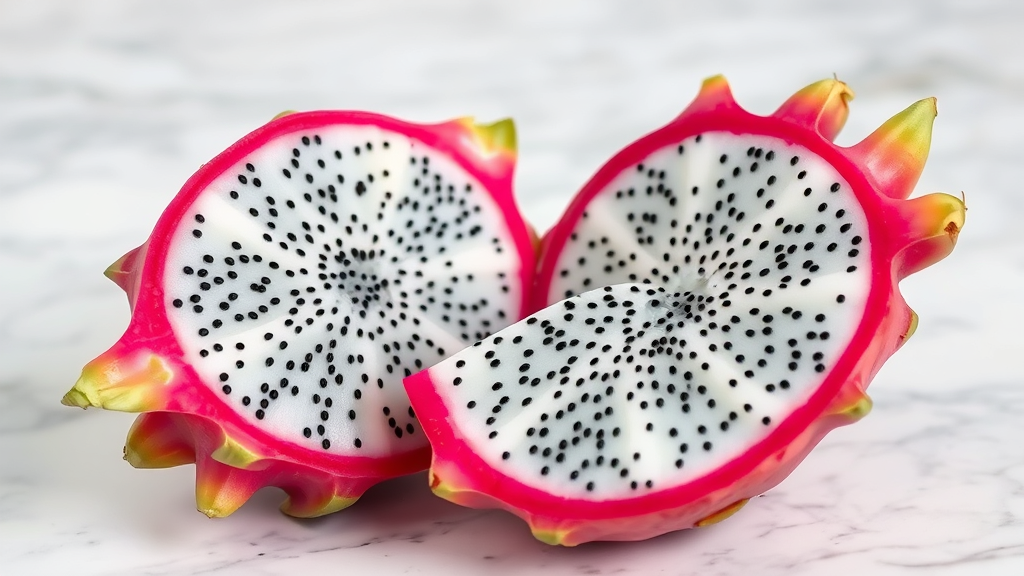
Master the Art of Cutting Dragon Fruit for Eye-Catching Dishes
Dragon fruit, also known as pitaya, is an exotic tropical fruit that has captured the attention of food enthusiasts worldwide with its vibrant appearance and unique texture. This stunning fruit, with its bright pink or yellow exterior and speckled white or magenta flesh, not only offers a mild, refreshing taste but also serves as an incredible visual centerpiece for any dish. Learning how to cut a dragon fruit properly is essential for maximizing both its aesthetic appeal and culinary potential.
Whether you’re preparing a colorful fruit salad, crafting an Instagram-worthy smoothie bowl, or creating an elegant dessert presentation, mastering the art of cutting dragon fruit can elevate your culinary creations to new heights. The fruit’s striking appearance makes it perfect for garnishes, while its subtle sweetness and crunchy texture add depth to both sweet and savory dishes. Understanding the proper techniques for handling this exotic fruit will ensure you get the most out of its visual impact and nutritional benefits.
Selecting the Perfect Dragon Fruit
The foundation of creating eye-catching dragon fruit dishes begins with selecting the right fruit. A ripe dragon fruit should have bright, even-colored skin without dark spots, bruises, or wrinkled areas. The exterior should yield slightly to gentle pressure, similar to a ripe avocado, but shouldn’t be mushy. Fresh dragon fruit typically has a subtle, sweet aroma near the stem end.
When shopping for dragon fruit, you’ll encounter two main varieties: white-fleshed (Hylocereus undatus) and red-fleshed (Hylocereus costaricensis). The white-fleshed variety is more common and has a milder flavor, while the red-fleshed type offers a slightly sweeter taste and more dramatic color contrast. Both types are equally suitable for cutting and presentation, though the red variety provides more striking visual appeal.
Look for fruits that feel heavy for their size, as this indicates good moisture content and freshness. The scales or bracts on the exterior should be bright green and not wilted or brown. According to the United States Department of Agriculture, dragon fruit is rich in vitamin C, iron, and antioxidants, making it both a nutritious and visually appealing addition to your diet.
Essential Tools and Preparation
Before learning how to cut a dragon fruit, gathering the right tools will ensure clean, precise cuts and safe handling. You’ll need a sharp chef’s knife or paring knife, a cutting board, and optionally, a melon baller or small spoon for creating decorative shapes. A vegetable peeler can also be useful for removing the skin in strips if desired.
Preparation begins with thoroughly washing the dragon fruit under cool running water, just as you would when learning how to clean strawberries. Despite having an inedible exterior, washing removes any surface bacteria or residue that could transfer to the flesh during cutting. Pat the fruit dry with a clean kitchen towel to ensure a secure grip while cutting.
Set up your workspace with adequate lighting and a stable cutting surface. Dragon fruit juice can stain clothing and cutting boards, so consider using a glass or plastic cutting board rather than wood. Having a damp towel nearby for cleaning your hands and knife will help maintain hygiene throughout the process.
Basic Dragon Fruit Cutting Techniques
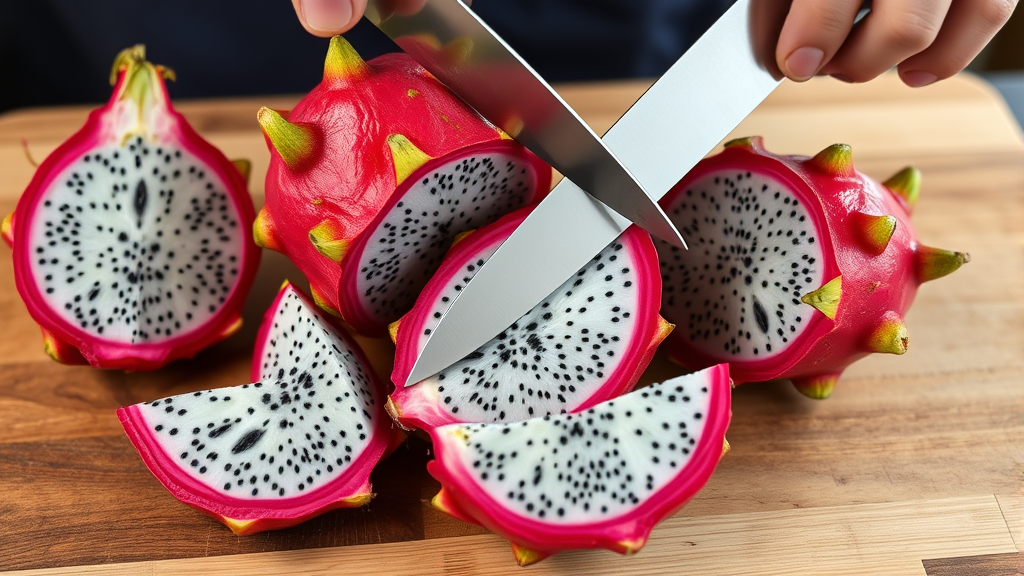
The most straightforward method for cutting dragon fruit involves slicing it in half lengthwise, then scooping out the flesh or peeling away the skin. Start by placing the dragon fruit on your cutting board with the stem end facing away from you. Using a sharp knife, make a clean cut from top to bottom, dividing the fruit into two equal halves.
Once halved, you can scoop out the flesh using a large spoon, similar to how you might handle an avocado. The flesh should separate easily from the skin, revealing the characteristic white or magenta interior dotted with tiny black seeds. Alternatively, you can peel away the skin by making shallow cuts around the perimeter and pulling the skin away in sections.
For serving in wedges, cut each half into 3-4 lengthwise sections, then carefully remove the skin from each wedge. This method creates elegant, boat-shaped pieces perfect for fruit platters or garnishing desserts. The key is maintaining steady, confident cuts to preserve the fruit’s delicate texture and appearance.
Decorative Cutting Methods for Stunning Presentations
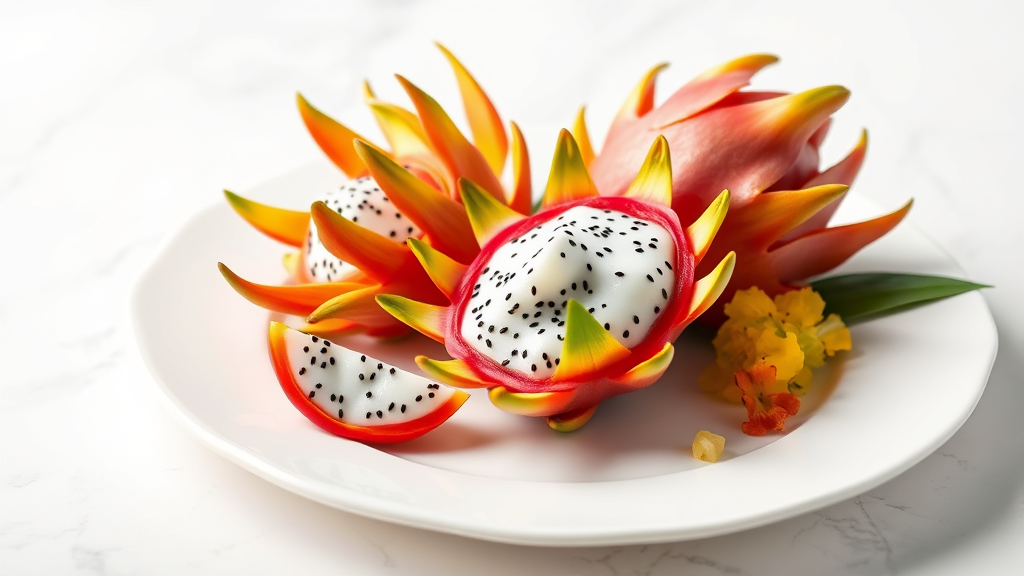
Creating visually stunning dragon fruit presentations requires mastering several decorative cutting techniques. The “flower bloom” method involves making deep crosshatch cuts in the flesh while it’s still in the skin, then gently pushing from underneath to create a blooming effect. This technique showcases the fruit’s natural beauty while making it easy for guests to eat.
Another impressive technique is the “dragon fruit cups” method, where you carefully hollow out half shells to use as natural serving bowls. After cutting the fruit in half and scooping out the flesh, trim the bottom slightly to create a stable base. These cups can hold fruit salads, sorbets, or other colorful ingredients, creating an edible serving vessel that’s sure to impress.
For more intricate presentations, try cutting thin rounds or creating geometric shapes using small cookie cutters. Dragon fruit’s firm texture holds up well to detailed cutting, allowing for creative garnishes and decorative elements. When combined with other colorful ingredients, such as those used in how to make white rice dishes with tropical elements, dragon fruit can create stunning visual contrasts.
Storage and Serving Tips
Proper storage of cut dragon fruit is crucial for maintaining its appearance and preventing spoilage. Unlike checking how to tell if eggs are good, dragon fruit quality is primarily visual and textural. Cut dragon fruit should be stored in airtight containers in the refrigerator and consumed within 2-3 days for optimal freshness and appearance.
To prevent browning and maintain the fruit’s pristine appearance, avoid exposing cut surfaces to air for extended periods. If preparing in advance, cover cut pieces with plastic wrap or store in sealed containers with minimal air space. Adding a small amount of citrus juice can help preserve color and freshness, though this should be done sparingly to avoid altering the fruit’s delicate flavor.
When serving, dragon fruit is best presented chilled, as the cool temperature enhances its refreshing qualities. Arrange pieces on chilled plates or serving platters to maintain optimal temperature and appearance. The fruit pairs beautifully with other tropical fruits, mint leaves, and edible flowers for stunning presentations.
Culinary Applications and Recipe Ideas
Dragon fruit’s versatility extends far beyond simple fruit salads. Its mild flavor and striking appearance make it an excellent ingredient for smoothie bowls, where its visual appeal can create Instagram-worthy presentations. The fruit works wonderfully in both sweet and savory applications, from tropical salsas to elegant dessert garnishes.
In beverage applications, dragon fruit creates visually stunning drinks when muddled or blended. Its natural color and subtle sweetness make it perfect for cocktails, mocktails, and health-focused smoothies. The fruit’s high water content and mild flavor won’t overpower other ingredients, making it an ideal base for creative drink presentations.
For more substantial dishes, consider incorporating dragon fruit into grain bowls, similar to how you might plan how long to boil chicken for meal prep. The fruit adds visual interest and nutritional value to savory combinations. According to research from Harvard University, incorporating colorful fruits like dragon fruit into meals can increase overall nutritional diversity and meal satisfaction.
Dragon fruit also works excellently in frozen applications, such as popsicles, sorbets, and ice cream. Its high water content freezes well, and the visual appeal remains striking even when frozen. When planning meals that include exotic fruits, consider the same attention to freshness and quality that you would apply when learning how to tell if eggs are bad – freshness is key to both safety and presentation quality.
Frequently Asked Questions
How do you know when a dragon fruit is ripe and ready to cut?
A ripe dragon fruit should have bright, evenly colored skin that yields slightly to gentle pressure. The exterior should be free from dark spots, wrinkles, or soft areas. Fresh dragon fruit often has a subtle, sweet aroma near the stem end. If the fruit feels very firm, it may need a few more days to ripen at room temperature.
Can you eat dragon fruit skin, and should it be removed before cutting?
Dragon fruit skin is not edible and should always be removed before consumption. The outer skin is tough and can cause digestive discomfort if consumed. Always wash the fruit before cutting to remove any surface bacteria, then remove the skin using one of the cutting methods described above.
What’s the best way to remove dragon fruit seeds?
Dragon fruit seeds are small, black, and completely edible – similar to kiwi seeds. There’s no need to remove them unless you prefer a seedless presentation. If you do want to remove seeds, you can gently scrape them out with a spoon or strain pureed dragon fruit through a fine-mesh sieve.
How long does cut dragon fruit last in the refrigerator?
Cut dragon fruit should be stored in airtight containers in the refrigerator and consumed within 2-3 days for optimal freshness and appearance. The fruit’s high water content makes it susceptible to spoilage, so proper storage is essential for maintaining quality.
Can dragon fruit be frozen after cutting?
Yes, cut dragon fruit freezes well and can be stored in the freezer for up to 6 months. Frozen dragon fruit is excellent for smoothies, though the texture becomes softer after thawing, making it less suitable for fresh presentations. Freeze pieces on a baking sheet first, then transfer to freezer bags to prevent clumping.
What tools are essential for cutting dragon fruit decoratively?
Essential tools include a sharp chef’s knife or paring knife, a stable cutting board, and optionally a melon baller for creating round shapes. Small cookie cutters can create geometric shapes, while a vegetable peeler helps remove skin in decorative strips. Always use sharp, clean tools for the best results.
Are there any safety considerations when cutting dragon fruit?
Dragon fruit is generally safe to cut, but always wash the exterior before cutting to prevent transferring surface bacteria to the flesh. Use sharp knives carefully, and ensure your cutting surface is stable. The fruit’s slippery texture when wet can make it challenging to grip, so keep your hands and workspace clean and dry.

Related Posts

How Long to Boil Lobster Tails: Cooking Guide

How Long to Fly from New York to London? Travel Times
