
How to Cure Gum Disease at Home: Expert Tips for Healthier Teeth
Gum disease affects millions of people worldwide, yet many hesitate to visit a dentist due to cost, anxiety, or scheduling challenges. The good news is that early-stage gum disease, known as gingivitis, can often be managed and reversed through dedicated at-home care routines. While severe periodontitis requires professional intervention, understanding how to treat gum disease naturally empowers you to take control of your oral health and prevent progression to more serious stages.
This comprehensive guide explores evidence-based home remedies, proper oral hygiene techniques, and lifestyle modifications that can significantly improve your gum health. Whether you’re dealing with inflammation, bleeding, or sensitivity, the strategies outlined here provide actionable steps to support your gums’ natural healing process. However, it’s important to note that persistent gum disease should eventually be evaluated by a dental professional to rule out advanced conditions requiring specialized treatment.
Understanding Gum Disease Stages
Gum disease progresses through distinct stages, and recognizing where you fall on this spectrum is crucial for determining whether home treatment is appropriate. Gingivitis, the earliest stage, involves inflammation of the gums caused by plaque buildup. At this point, your gums may appear red, swollen, or bleed easily when brushing, but the damage is typically reversible with proper care.
The next stage, periodontitis, occurs when gingivitis progresses untreated. Here, the infection spreads below the gum line, affecting the bone and connective tissues that support your teeth. Advanced periodontitis can lead to tooth loss and requires professional intervention. Understanding this distinction helps you assess whether home remedies are sufficient or if you need dental expertise.
Early detection makes a tremendous difference. If you notice signs like persistent bad breath, receding gums, or loose teeth, these warrant professional evaluation. However, if you’re experiencing mild inflammation and bleeding that’s recent, implementing a rigorous home care protocol can often reverse the condition before it advances.
Daily Oral Hygiene Foundations
The cornerstone of treating gum disease at home is establishing an exceptional daily oral hygiene routine. Most people underestimate the importance of proper technique, focusing instead on frequency alone. Brushing correctly means using a soft-bristled toothbrush at a 45-degree angle to your gumline, using gentle circular motions rather than aggressive scrubbing.
Invest in an electric toothbrush if possible, as studies show they often remove more plaque than manual brushing. Brush for at least two minutes, twice daily, ensuring you reach all surfaces including the often-neglected inner sides of your teeth. Many people rush through brushing, spending only 30-45 seconds, which is insufficient for thorough plaque removal.
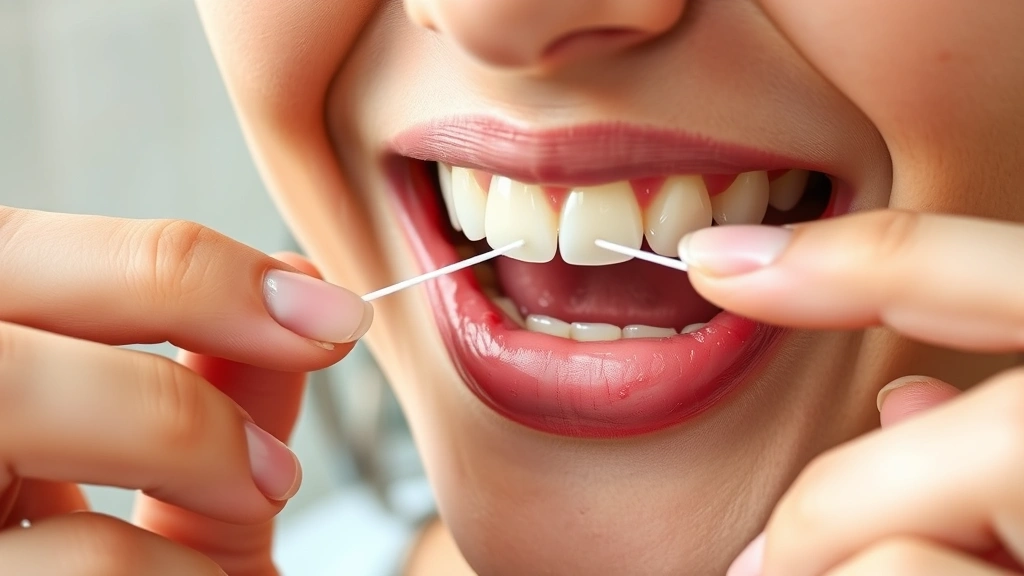
Flossing is non-negotiable when treating gum disease. Floss removes debris and plaque from between teeth where your toothbrush cannot reach—precisely where gum disease often begins. Use 12-18 inches of floss, wrapping it around each tooth in a C-shape and sliding it gently beneath the gumline. If traditional floss proves difficult, water flossers offer an effective alternative. Floss at least once daily, ideally before bed.
Consider incorporating an antimicrobial mouthwash into your routine, though this should complement rather than replace brushing and flossing. Look for products containing chlorhexidine or essential oils like tea tree, which have demonstrated antimicrobial properties. Rinse for 30-60 seconds twice daily to help reduce bacterial populations in your mouth.
Natural Remedies for Gum Healing
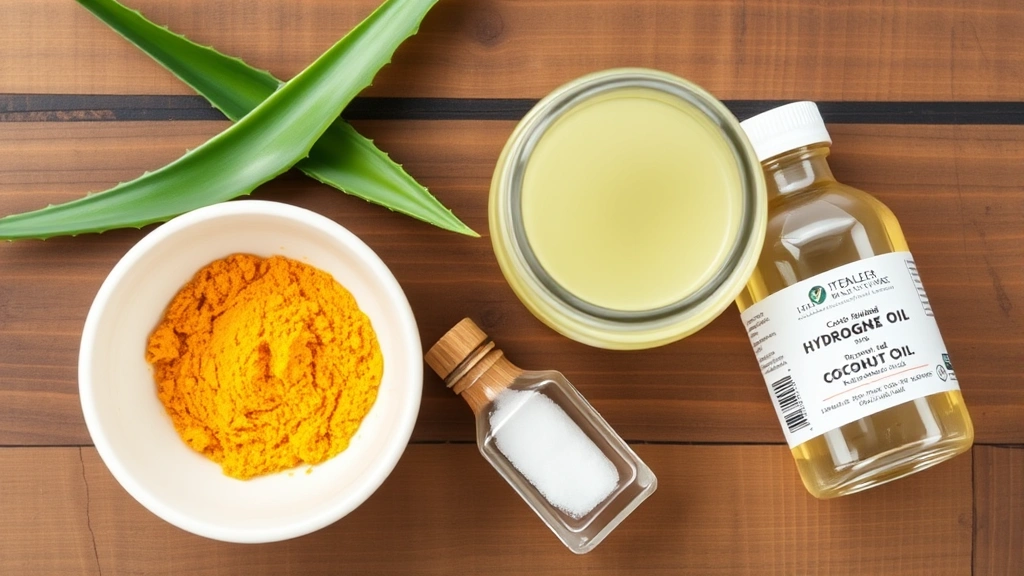
Beyond conventional oral hygiene, several natural substances have shown promise in supporting gum health. Salt water rinses represent one of the oldest and most accessible remedies. Mix half a teaspoon of sea salt in 8 ounces of warm water and rinse for 30-60 seconds after meals and before bed. Salt’s antibacterial properties help reduce infection, while the warm water promotes circulation and comfort.
Oil pulling, an ancient Ayurvedic practice, involves swishing coconut or sesame oil in your mouth for 10-20 minutes. While scientific evidence is limited, some studies suggest it may help reduce plaque-forming bacteria. Use virgin, organic coconut oil for best results. Perform oil pulling first thing in the morning before eating or drinking anything.
Turmeric paste offers anti-inflammatory benefits. Turmeric contains curcumin, a compound with documented antimicrobial and anti-inflammatory properties. Mix turmeric powder with a small amount of water to create a paste, apply it directly to affected gums using your finger, and leave it for 5-10 minutes before rinsing. Repeat twice daily for maximum benefit.
Hydrogen peroxide rinses can help kill bacteria causing gum inflammation. Dilute 3% food-grade hydrogen peroxide with equal parts water and rinse for 30-60 seconds, one to three times daily. This remedy is particularly effective for reducing bacterial load, though it should not be used long-term without professional guidance.
Aloe vera gel possesses natural anti-inflammatory and antimicrobial properties. Apply pure aloe vera gel directly to your gums and leave it for 10 minutes before rinsing. Alternatively, use aloe vera mouthwash. Research indicates aloe vera may be as effective as chlorhexidine mouthwash for reducing gum inflammation and bleeding.

Dietary Changes That Support Gum Health
Your diet plays a profound role in your body’s ability to fight gum disease and support healing. Vitamin C deficiency directly compromises gum health, as this vitamin is essential for collagen production and immune function. Increase your intake of citrus fruits, bell peppers, kiwis, and leafy greens. If you struggle to obtain sufficient vitamin C through food, consider supplementation after consulting with a healthcare provider.
Vitamin D supports immune function and may reduce inflammation. While sunlight exposure provides vitamin D, many people need dietary sources or supplements. Include fatty fish like salmon and mackerel, egg yolks, and fortified dairy products in your diet. Some experts recommend 1,000-2,000 IU daily, though requirements vary individually.
Calcium and phosphorus strengthen tooth enamel and support bone density, including the bone supporting your teeth. Dairy products, leafy greens, almonds, and sesame seeds provide these minerals. Adequate intake helps prevent bone loss associated with advanced gum disease.
Reduce sugar and refined carbohydrates, which feed harmful bacteria in your mouth. These bacteria produce acids that attack tooth enamel and promote inflammation. Limit sugary drinks, candy, and processed foods. When you do consume sugar, rinse your mouth with water afterward.
Increase omega-3 fatty acids through fatty fish, flaxseeds, and walnuts. These anti-inflammatory compounds help reduce gum inflammation and support healing. Some research suggests that people with adequate omega-3 intake experience less severe gum disease.
Stay hydrated by drinking plenty of water throughout the day. Water helps rinse away food debris and bacteria, promotes saliva production (which has natural antimicrobial properties), and supports overall immune function. Aim for at least 8-10 glasses daily, more if you’re active.
Lifestyle Factors Affecting Gum Disease
Beyond oral hygiene and diet, several lifestyle factors significantly influence gum disease progression and healing. Smoking is one of the most damaging habits for gum health. Tobacco smoke impairs blood flow to your gums, weakens immune function, and reduces your mouth’s ability to heal. If you smoke, quitting represents perhaps the single most impactful step toward gum disease recovery.
Stress management deserves serious attention, as chronic stress suppresses immune function and increases inflammation throughout your body, including your gums. Implement stress-reduction techniques like meditation, yoga, deep breathing exercises, or regular physical activity. Even 20-30 minutes of moderate exercise daily can improve immune function and reduce inflammation.
Sleep quality directly affects your immune system’s ability to fight infection. Aim for 7-9 hours of quality sleep nightly. Poor sleep compromises your body’s inflammatory response and healing capacity, making gum disease harder to overcome.
Alcohol consumption should be minimized, as excessive alcohol dehydrates your mouth, reduces saliva production, and impairs immune function. Limit alcohol intake and ensure you’re drinking adequate water to compensate.
Grinding your teeth (bruxism) puts mechanical stress on your teeth and gums. If you grind your teeth at night, consider wearing a mouthguard to reduce this stress and protect your gum tissue from additional trauma.
Warning Signs Requiring Professional Care
While many cases of gingivitis respond well to home treatment, certain signs indicate you need professional dental evaluation. Persistent bleeding that doesn’t improve after two weeks of diligent home care suggests more advanced disease. Similarly, if you notice your gums receding significantly or your teeth becoming loose, professional intervention is necessary.
Pus between your teeth and gums, severe pain, or swelling that affects your ability to eat or speak warrant immediate professional attention. These symptoms may indicate an abscess or advanced periodontitis requiring treatment beyond home remedies.
If you’ve had gum disease previously or have risk factors like diabetes, genetics, or immunosuppression, professional monitoring becomes especially important. Regular dental checkups help catch problems early before they progress to stages requiring extensive treatment.
Don’t let cost concerns prevent you from seeking necessary care. Many dental schools offer reduced-cost treatment, and community health centers provide affordable options. The cost of preventive care is invariably less than treating advanced gum disease or replacing lost teeth.
Frequently Asked Questions
Can gum disease be completely cured at home?
Early-stage gingivitis can often be completely reversed through dedicated home care. However, once gum disease progresses to periodontitis with bone loss, professional treatment is typically necessary. Even after professional treatment, home care remains essential for preventing recurrence.
How long does it take to see improvement in gum disease?
With consistent, proper home care, you may notice improvements in gum inflammation and bleeding within 1-2 weeks. However, complete healing typically takes 4-6 weeks of diligent effort. Patience and consistency are crucial—improvement is gradual and requires sustained commitment.
Is mouthwash alone sufficient to treat gum disease?
No. Mouthwash is a supplementary tool, not a primary treatment. Proper brushing and flossing are non-negotiable foundations. Mouthwash can help reduce bacterial populations but cannot remove plaque and tartar or address underlying issues.
What’s the difference between salt water and hydrogen peroxide rinses?
Salt water rinses reduce inflammation, promote comfort, and have gentle antibacterial properties. Hydrogen peroxide rinses more aggressively kill bacteria and can help break down biofilm. Salt water is gentler and suitable for daily use, while hydrogen peroxide should be used more moderately (1-3 times daily maximum).
Should I see a dentist even if home treatment seems to be working?
Yes. Even if symptoms improve, a professional evaluation ensures no underlying issues exist and confirms you’re addressing the problem correctly. A dentist can identify early periodontitis that may not be apparent from symptoms alone. Consider scheduling an appointment after 4-6 weeks of home treatment to assess progress.
Can diet alone cure gum disease?
Diet supports healing but cannot substitute for proper oral hygiene. Think of diet as essential support while brushing, flossing, and home remedies provide the primary treatment. Together, they create an environment where your body can effectively fight infection and promote healing.
Is electric or manual brushing better for gum disease?
Studies generally show electric toothbrushes remove more plaque, especially for people with limited dexterity. However, proper technique with either type is more important than the tool itself. If manual brushing works well for you and you’re thorough, it’s perfectly adequate. The best toothbrush is the one you’ll use correctly and consistently.