
Can You Wash Shoes in Machine? Expert Tips Inside
Can You Wash Shoes in Machine? Expert Tips Inside
Machine washing shoes is a convenient solution for busy households, but it requires proper technique to avoid damaging your footwear. Whether you’re dealing with muddy sneakers, athletic shoes, or casual canvas kicks, understanding which shoes can handle the washing machine and how to prepare them correctly makes all the difference between fresh, clean shoes and permanently ruined ones.
The short answer is yes—many shoes can be safely washed in a machine, but not all types are suitable for this cleaning method. Canvas sneakers, athletic shoes, and rubber-soled shoes generally tolerate machine washing well, while delicate materials like leather, suede, and specialty fabrics require gentler hand-cleaning methods. This guide walks you through everything you need to know about machine washing shoes, including preparation steps, machine settings, and aftercare tips to keep your shoes looking like new.
Which Shoes Can Go in the Washing Machine
Before tossing your shoes into the drum, determine whether they’re suitable for machine washing. Canvas sneakers are excellent candidates—they’re durable and designed to withstand vigorous cleaning. Most athletic and running shoes feature synthetic uppers and rubber soles that handle machine washing without issue. Mesh sneakers and casual sport shoes also work well because their materials are specifically engineered for durability.
Check your shoe’s manufacturer tag or care label first. Many modern shoes include washing instructions that indicate machine-safe temperatures and cycles. If no label exists, assess the shoe construction: shoes with glued components, minimal padding, and synthetic materials are generally safer for machines than those with complex internal structures.
Water shoes and shower shoes are perfect for machine washing since they’re designed for wet environments. Tennis shoes and cross-trainers typically withstand machine cycles well because they’re built for athletic performance and moisture exposure. Even some children’s shoes can be machine washed, though always verify they don’t contain electronic components or delicate embellishments.
When in doubt about specific shoe types, consult the This Old House cleaning guides for professional recommendations on specialty footwear.
Shoes You Should Never Machine Wash
Leather shoes should never enter a washing machine—water damages leather’s structure, causing shrinkage, discoloration, and permanent warping. Suede and nubuck shoes are similarly vulnerable; machine washing destroys their delicate nap finish and can cause water stains that are nearly impossible to remove. These materials require specialized leather cleaning techniques similar to those used for fine upholstery.
Shoes with glued soles pose a significant risk—the combination of heat, moisture, and agitation can compromise the adhesive, causing soles to separate from uppers. Dress shoes and formal footwear typically feature construction methods incompatible with machine washing. Shoes with electronic components, such as light-up sneakers or shoes with smart features, will be permanently damaged by water exposure.
Vintage or collectible shoes should always be hand-cleaned to preserve their value and condition. Shoes with delicate embellishments—sequins, beads, embroidery, or rhinestones—will lose decorations or become damaged during machine cycles. Wool shoes and felted materials can shrink or felt excessively when machine washed.
Avoid machine washing shoes with removable orthotics or insoles as separate components, as they may get lost or damaged. Instead, hand-clean these items or remove them before washing the shoe shell.
How to Prepare Your Shoes for Washing
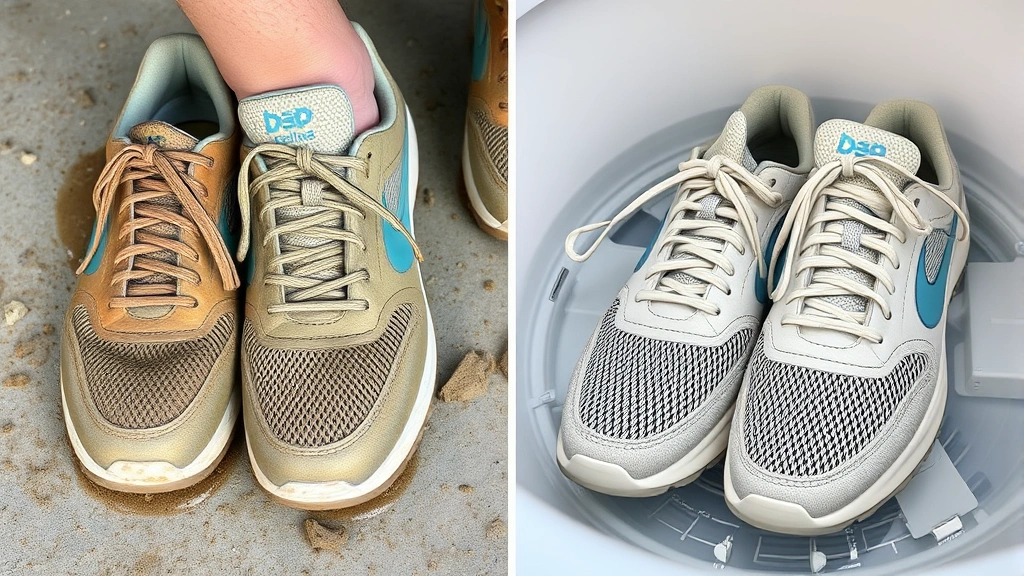
Proper preparation is crucial for successful machine washing. Start by removing visible dirt and debris using a soft brush or dry cloth. This step prevents mud and soil from spreading throughout your washing machine and potentially clogging filters. For stubborn caked-on mud, let shoes air-dry first, then brush away dried particles more easily.
Remove the insoles and laces before washing. Wash laces separately by hand or in a mesh bag to prevent tangling around machine components. Insoles benefit from hand-cleaning or air-drying rather than machine washing, which can compress cushioning materials and reduce their effectiveness. This is similar to how you’d care for delicate appliance components—gentle handling preserves functionality.
Check all pockets and crevices for debris, small stones, or items that might damage your machine. Empty the shoe completely, including any dirt trapped in the toe box or heel area.
Inspect for damage before washing. Shoes with pre-existing holes, separated soles, or loose stitching may deteriorate further during machine washing. Consider hand-cleaning these shoes instead or having them professionally repaired first.
For heavily soiled shoes, pre-treat stains with a stain remover or diluted detergent solution. Apply the treatment to affected areas and let sit for 15-30 minutes before machine washing. This approach works similarly to pre-treating laundry stains on clothing.
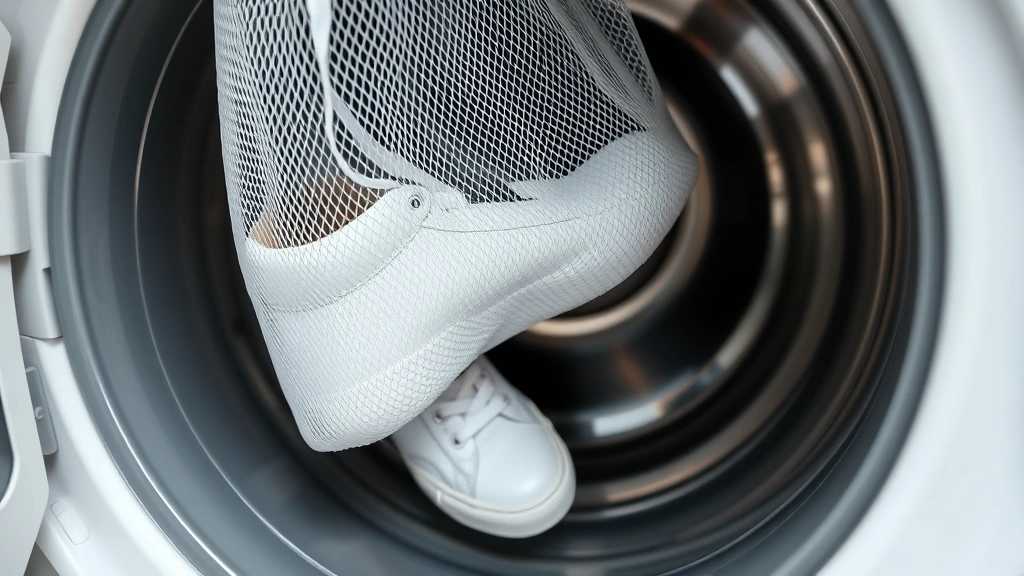
Place shoes in a mesh laundry bag to protect them and your machine. This containment prevents shoes from banging against the drum, reduces noise, and protects the machine’s interior. If you don’t have a mesh bag, wrap shoes loosely in a clean towel instead.
Step-by-Step Machine Washing Guide
Step 1: Select the Right Machine Setting
Use the gentle or delicate cycle rather than normal or heavy-duty cycles. Set water temperature to cold or lukewarm—hot water can damage adhesives and synthetic materials. Avoid the spin cycle, which applies excessive force that might deform shoes or damage seams.
Step 2: Choose Appropriate Detergent
Use a mild, liquid detergent rather than powder detergent, which can leave residue in shoe crevices. Avoid bleach or harsh chemicals that might discolor or weaken materials. For white shoes, a small amount of oxygen-based cleaner can help remove stubborn stains without the harshness of chlorine bleach.
Step 3: Load Your Shoes
Place mesh-bagged shoes in the washing machine drum. Avoid overloading—wash only two pairs of shoes at a time to allow proper water circulation. Don’t wash shoes with heavy items like jeans, which can cause unnecessary agitation and damage.
Step 4: Add the Detergent
Pour the recommended amount of mild detergent into the dispenser. Use less detergent than you would for a regular load, as shoes require less soap and excess detergent can be difficult to rinse out completely.
Step 5: Start the Cycle
Run the gentle cycle with cold water. The entire process typically takes 30-40 minutes. Avoid opening the machine mid-cycle, as this can disrupt the washing process.
Step 6: Manual Rinse (Optional)
After the cycle completes, remove shoes and hand-rinse them under cool running water to remove any remaining detergent residue. This extra step ensures shoes dry without soap buildup that might cause stiffness or attract dirt.
For additional guidance on maintaining household items through proper cleaning, visit the Family Handyman comprehensive cleaning guide.
Drying Your Shoes Properly
Never use a dryer—machine drying generates heat that damages shoe materials, warps construction, and can melt synthetic uppers or adhesives. Instead, employ air-drying methods that preserve shoe integrity.
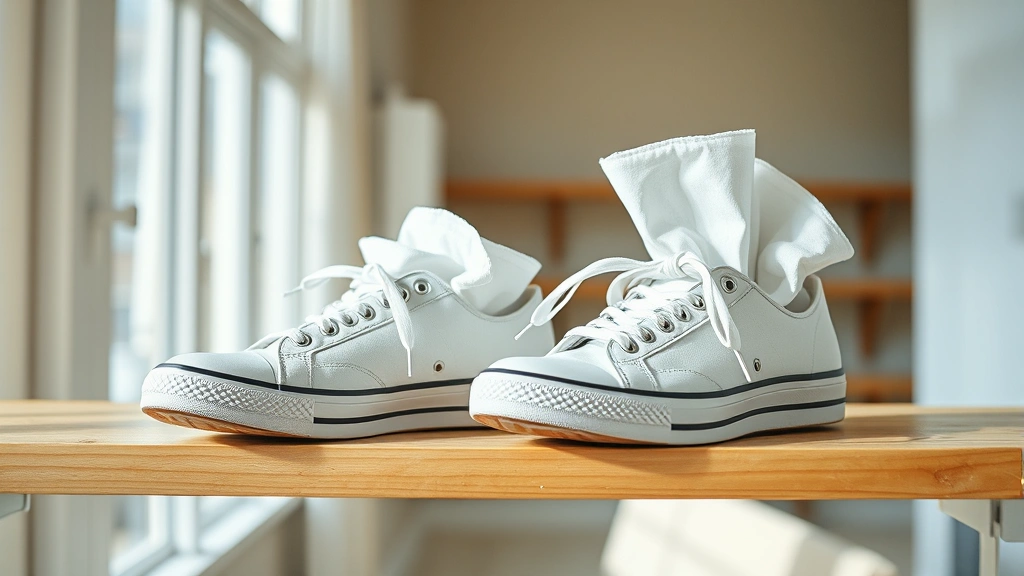
Stuff shoes with newspaper or paper towels immediately after washing. Change the paper every 2-3 hours during the first day to absorb moisture and help maintain shoe shape. This stuffing also accelerates drying by increasing air circulation inside the shoe.
Place shoes in a well-ventilated area away from direct sunlight, which can fade colors and damage materials. A basement, garage, or shaded porch works well. Avoid placing shoes near heat sources like radiators, vents, or fireplaces, which can cause uneven drying and material damage.
Allow 24-48 hours for complete drying, depending on humidity levels and shoe thickness. Thicker athletic shoes may require the full 48 hours, while lightweight canvas shoes might dry in 24 hours.
Replace insoles after shoes are completely dry. If insoles were hand-washed, ensure they’re also fully dry before reinserting them to prevent moisture that could promote mold or mildew growth.
Restring laces once shoes are dry. If laces were damaged during washing, this is an ideal time to replace them with new ones.
Common Mistakes to Avoid
Using hot water is a primary mistake that damages shoes. Hot water can shrink synthetic materials, weaken adhesives, and set stains permanently. Always stick with cold or lukewarm water.
Washing shoes with regular laundry causes unnecessary agitation and can result in shoes transferring dirt to clothes. Additionally, lint from clothing can stick to wet shoes.
Using bleach or harsh chemicals discolors shoes and weakens materials. Even oxygen-based cleaners should be used sparingly and only on white or light-colored shoes.
Machine drying shoes is perhaps the most common and damaging mistake. The heat permanently warps shoe shape and can melt components. Air-drying is the only safe method.
Washing shoes without removing insoles and laces prevents thorough cleaning of these components and can cause insoles to compress unevenly or laces to tangle around machine parts.
Overloading the machine prevents proper water circulation and cleaning. Never wash more than two pairs of shoes per cycle.
Skipping the mesh bag exposes shoes to unnecessary drum friction and can damage your washing machine. This protective layer is essential for both shoe and machine safety.
Ignoring care labels means missing manufacturer-specific instructions that might prevent damage. Always check labels before washing.
For more information about maintaining various household items, explore our FixWiseHub Blog for comprehensive cleaning and maintenance guides.
FAQ
Can I wash leather shoes in the washing machine?
No, never machine wash leather shoes. Water damages leather’s natural structure, causing shrinkage, discoloration, and permanent warping. Instead, use specialized leather cleaning methods or hand-wash with a damp cloth and mild soap solution designed for leather care.
What cycle should I use for washing shoes?
Always use the gentle or delicate cycle with cold water. Avoid normal, heavy-duty, and spin cycles, which apply excessive force that can damage shoe materials and seams. The gentle cycle provides adequate cleaning without the risk of damage.
Should I remove the insoles before machine washing?
Yes, always remove insoles and wash them separately by hand. Machine washing compresses insole cushioning, reduces their effectiveness, and can cause uneven drying. Hand-cleaning preserves their structural integrity and comfort properties.
Can I put shoes in the dryer after machine washing?
Never use a machine dryer for shoes. The heat damages synthetic materials, warps shoe construction, and can melt adhesives. Always air-dry shoes in a well-ventilated area away from direct sunlight and heat sources.
How long does it take shoes to air-dry after machine washing?
Most shoes require 24-48 hours for complete air-drying, depending on humidity, ventilation, and shoe thickness. Athletic shoes typically take the longer timeframe. Stuffing shoes with newspaper and changing the paper every 2-3 hours accelerates drying.
Can I wash dress shoes in the washing machine?
Most dress shoes should not be machine washed because they often feature glued soles, delicate construction, and materials incompatible with machine cycles. Hand-clean dress shoes with appropriate methods for their specific materials, or take them to a professional cleaner.
What detergent should I use for washing shoes?
Use a mild, liquid detergent in smaller quantities than regular laundry. Avoid powder detergent, bleach, and harsh chemicals. For stubborn stains on white shoes, a small amount of oxygen-based cleaner can help without the damage of chlorine bleach.
Is it safe to wash multiple pairs of shoes together?
Wash no more than two pairs of shoes per cycle. Washing multiple pairs prevents proper water circulation, reduces cleaning effectiveness, and increases the risk of shoes damaging each other during agitation. Multiple pairs also overload the machine.
Can I wash shoes with other laundry?
No, always wash shoes separately from regular laundry. Shoes can transfer dirt and debris to clothes, and the combined weight and agitation can damage both shoes and garments. Dedicate a separate wash cycle to shoes.
What should I do if my shoes have a bad smell after machine washing?
Ensure shoes are completely dry before wearing, as moisture promotes odor-causing bacteria. If odor persists, stuff shoes with crumpled newspaper or activated charcoal overnight to absorb smell. Consider applying a commercial shoe deodorizer or sprinkling baking soda inside shoes and letting sit overnight.
For additional household cleaning tips and techniques, check out Lowe’s cleaning and laundry guides and The Home Depot cleaning product selection and advice.

Related Posts

Superscript in Google Docs: Expert Tips

Strikethrough in Excel: Easy Steps for Beginners
