
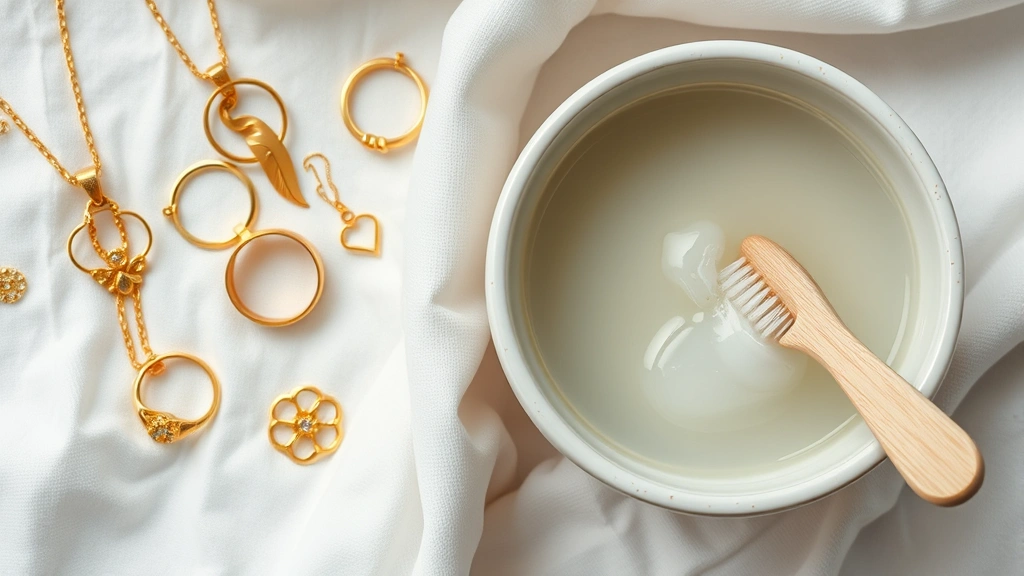
How to Clean Gold Jewelry? Expert Tips Inside
How to Clean Gold Jewelry: Expert Tips Inside
Gold jewelry holds both monetary and sentimental value, making proper maintenance essential for preserving its beauty and longevity. Over time, gold pieces accumulate dust, oils, and tarnish that dull their lustrous shine. Whether you own delicate gold chains, statement rings, or heirloom pieces, learning how to clean gold jewelry properly ensures your treasured accessories remain radiant for generations to come.
This comprehensive guide walks you through professional-grade cleaning techniques you can perform at home using simple materials. From gentle solutions for everyday wear to specialized methods for stubborn buildup, you’ll discover exactly how to restore your gold jewelry to its original brilliance without causing damage. We’ll also cover prevention strategies and when to seek professional help, giving you complete confidence in caring for your precious collection.
Understanding Gold Jewelry Types and Purity
Before diving into cleaning methods, it’s crucial to understand what you’re working with. Gold jewelry comes in various karats—10K, 14K, 18K, and 24K—each containing different percentages of pure gold mixed with other metals. 24-karat gold is pure gold but extremely soft and impractical for jewelry. Most jewelry uses 14K or 18K gold, which combines gold with alloys like copper, silver, or nickel for durability.
The purity level affects how you should clean your jewelry. Higher karat gold is more delicate and requires gentler handling. Additionally, gold jewelry may be white gold, yellow gold, or rose gold—each requiring slightly different care approaches. White gold often has a rhodium plating that can wear away with aggressive cleaning, while rose gold’s copper content makes it more susceptible to tarnishing. Identifying your jewelry type helps you select the most appropriate cleaning method.
Many gold pieces also contain gemstones like diamonds, sapphires, emeralds, or pearls. Each stone has different cleaning requirements, and some cannot tolerate water or certain solutions. Before cleaning, examine your pieces carefully and note any stones, engravings, or delicate settings that might need special attention.
Essential Cleaning Supplies You’ll Need
You likely already have most supplies needed for effective home cleaning of gold jewelry. Here’s what to gather:
- Mild dish soap: Use gentle, non-abrasive formulas without harsh chemicals
- Warm water: Never use hot water, as extreme temperatures can damage delicate settings
- Soft-bristled toothbrush: A children’s toothbrush or specialized jewelry brush works best
- Soft cloths: Microfiber or lint-free cloths prevent scratching
- Baking soda: A natural abrasive for stubborn tarnish
- White vinegar: Cuts through buildup and tarnish effectively
- Small bowls: Use ceramic or glass, never aluminum
- Towels: Keep several clean, dry towels nearby
- Optional: Jewelry cleaning solution: Commercial products designed specifically for gold
Avoid using aluminum bowls or foil during cleaning, as a chemical reaction can damage your gold. Never use harsh chemicals, bleach, or abrasive scrubbers that can scratch precious metal. Just as you’d use appropriate techniques when learning how to clean a couch to avoid damaging fabric, treating gold jewelry requires choosing the right tools and solutions.
The Gentle Soapy Water Method
This is the safest, most effective everyday cleaning method for most gold jewelry pieces. The gentle soapy water approach works wonderfully for gold without gemstones or for pieces with durable stones like diamonds and sapphires.
Step-by-step process:
- Fill a small bowl with lukewarm water—never hot, as heat can loosen stones or damage delicate settings
- Add a few drops of mild dish soap and stir gently to create a soapy solution
- Place your gold jewelry in the bowl and let it soak for 10-15 minutes, allowing the solution to loosen surface dirt and oils
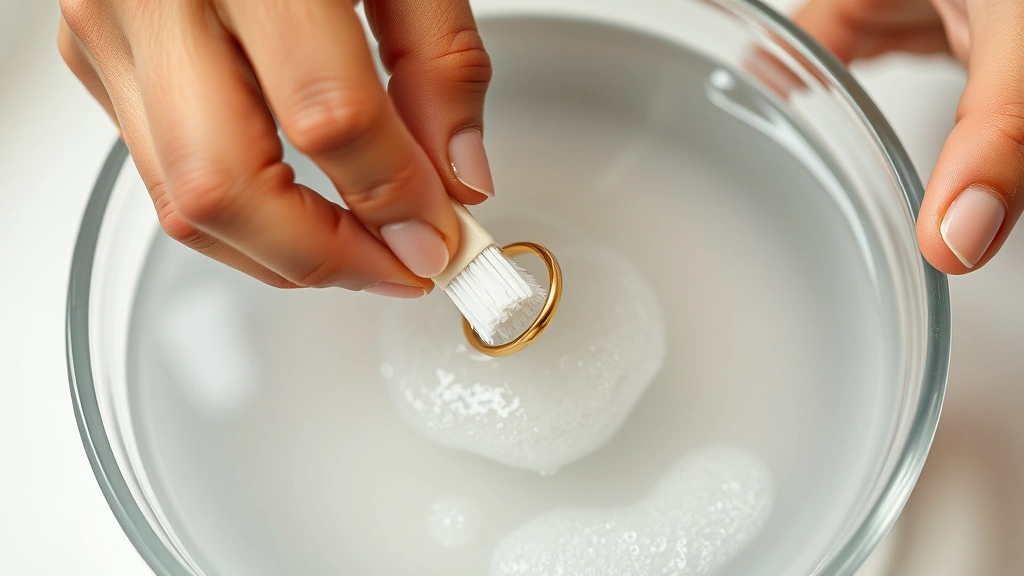
- Remove one piece at a time and gently scrub with a soft-bristled toothbrush, paying special attention to crevices and intricate designs
- Pay particular attention to the underside of rings and behind settings where dirt accumulates
- Rinse thoroughly under running lukewarm water until all soap residue disappears
- Pat dry immediately with a soft, lint-free cloth
- Allow pieces to air dry completely before storing
This method is safe enough to use weekly for regular maintenance. For jewelry worn daily, like engagement rings or wedding bands, weekly cleaning keeps them looking their best. The gentle nature of this approach ensures you won’t accidentally scratch or damage your precious pieces.
Deep Cleaning with Baking Soda
When gentle soapy water isn’t sufficient, baking soda offers a natural yet effective solution for deeper cleaning. Baking soda gently removes stubborn tarnish and buildup without harsh chemicals. This method works particularly well for heavily tarnished pieces or jewelry that hasn’t been cleaned in months.
Baking soda cleaning method:
- Create a paste by mixing three parts baking soda with one part water in a small bowl
- Adjust the consistency until you achieve a spreadable paste—not too dry, not too runny
- Using a soft cloth or soft-bristled toothbrush, apply the paste directly to your gold jewelry
- Gently rub in circular motions, allowing the paste to work on tarnished areas
- For intricate designs, use an old toothbrush to work the paste into crevices and detailed areas
- Rinse thoroughly under running water to remove all paste residue
- Dry immediately with a soft cloth
Never use baking soda on delicate gemstones like pearls, opals, or emeralds, as the mild abrasive can damage their surfaces. Also avoid this method on plated jewelry, where aggressive scrubbing might remove the plating. The baking soda method typically requires less than five minutes of active scrubbing and produces impressive results on solid gold pieces.
Vinegar and Baking Soda Paste Technique
For particularly stubborn tarnish and buildup, combining vinegar and baking soda creates a powerful yet natural cleaning solution. The chemical reaction between these two common household items enhances cleaning power without introducing harsh chemicals.
Vinegar and baking soda process:
- Pour white vinegar into a small bowl—about half an inch deep
- Add baking soda gradually while stirring until a fizzing paste forms
- Let the mixture bubble for a moment, then submerge your gold jewelry
- Allow pieces to soak for 15-20 minutes in the mixture
- Remove jewelry and gently scrub with a soft toothbrush, working the paste into all crevices
- Rinse thoroughly under running lukewarm water multiple times
- Soak the cleaned jewelry briefly in plain water to remove any vinegar smell
- Pat dry with a clean, soft cloth and allow to air dry completely
This method is particularly effective on vintage or antique gold jewelry with significant tarnish buildup. The vinegar dissolves oxidation while the baking soda provides gentle abrasive action. Like other comprehensive cleaning guides, this technique requires patience and attention to detail for optimal results.
Cleaning Gold with Gemstones
Gold jewelry often features precious or semi-precious gemstones, each with unique cleaning requirements. Understanding your stones ensures you clean jewelry effectively without causing damage.
Diamond jewelry: Diamonds are extremely durable and handle most cleaning methods well. Use the gentle soapy water method or baking soda paste without worry. Diamonds won’t be damaged by vinegar solutions either, making them the easiest stones to maintain.
Sapphires and rubies: These durable stones tolerate soapy water and baking soda methods. However, avoid extreme temperature changes and never use ultrasonic cleaners without professional guidance.
Emeralds: Emeralds are delicate and often treated with oils or resins. Stick exclusively to the gentle soapy water method. Avoid vinegar, baking soda, and any abrasive techniques that might damage the stone or remove protective treatments.
Pearls: Pearls require extreme care and should only be cleaned with the gentlest soapy water method. Never soak pearls, use vinegar, or apply baking soda. Wipe pearls gently with a barely damp cloth, then dry immediately.
Opals: Like pearls, opals are delicate. Use only the gentle soapy water method with minimal scrubbing. Never use vinegar or baking soda on opals.
Tanzanites and other soft stones: These beautiful but delicate stones require the gentlest approach. Stick with mild soapy water and avoid all abrasive methods.
When in doubt about your gemstone’s requirements, consult the jeweler who sold you the piece or research your specific stone before attempting cleaning.
Professional Cleaning vs. DIY
While DIY cleaning works wonderfully for most situations, certain circumstances warrant professional help. Understanding when to call a jeweler ensures you maintain your valuable pieces properly. This Old House recommends professional service for antique or irreplaceable jewelry, and the same principle applies to precious gold pieces.
Choose professional cleaning when:
- Your jewelry contains delicate or valuable gemstones requiring specialized care
- Pieces show signs of loose stones or damaged settings
- You own antique, vintage, or heirloom jewelry with historical or sentimental value
- Jewelry has intricate filigree, detailed engravings, or extremely delicate work
- Pieces contain multiple different gemstones with conflicting care requirements
- You notice significant tarnish that DIY methods haven’t resolved
- Your jewelry features plating that might be damaged by aggressive cleaning
DIY cleaning is appropriate for:
- Solid gold jewelry without gemstones or with durable stones like diamonds
- Everyday pieces like simple rings, bracelets, or chains
- Jewelry that’s lightly tarnished or simply needs regular maintenance
- Pieces you’re comfortable experimenting with
Professional jewelers have ultrasonic cleaners, specialized equipment, and expertise you can’t replicate at home. They can also inspect your jewelry for damage, repair loose settings, and provide professional polishing that brings jewelry back to showroom condition. For valuable or irreplaceable pieces, the investment in professional cleaning is worthwhile.
Preventing Tarnish and Damage
The best approach to maintaining gold jewelry involves prevention. By implementing proper storage and wearing habits, you minimize the need for intensive cleaning.
Storage tips:
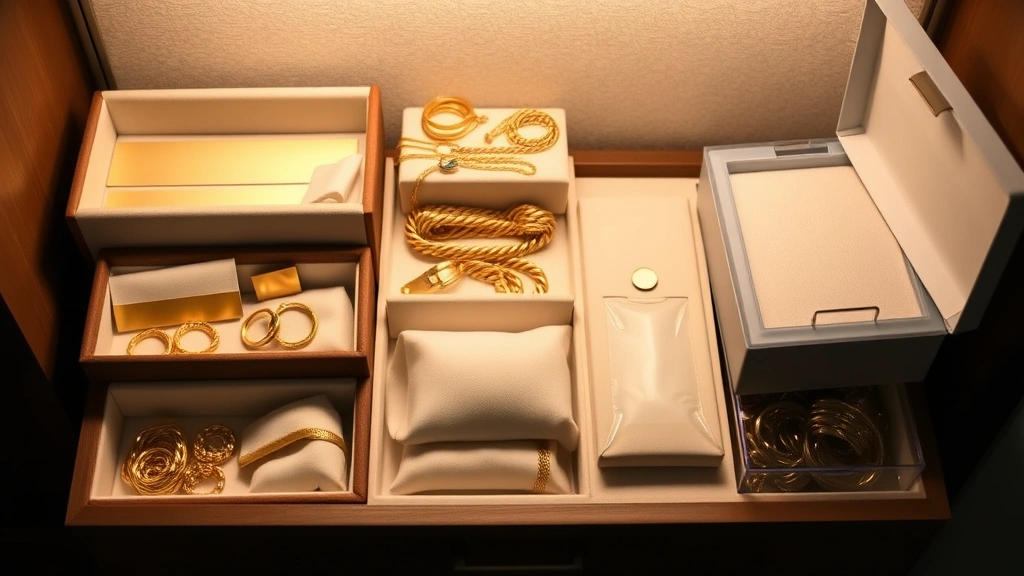
- Store gold jewelry in a cool, dry place away from moisture and humidity
- Use individual jewelry boxes or compartments to prevent pieces from touching
- Store jewelry in sealed plastic bags or anti-tarnish pouches to reduce oxidation
- Keep jewelry away from direct sunlight, which can fade gemstones
- Store away from perfumes, lotions, and cosmetics that accelerate tarnishing
- Use anti-tarnish strips or silica gel packets in storage containers
Wearing and care habits:
- Remove jewelry before swimming, showering, or exercising, as chlorine and salt water damage gold
- Apply perfumes and cosmetics before putting on jewelry to prevent buildup
- Remove rings when doing dishes or cleaning—harsh chemicals and extreme temperatures cause damage
- Avoid exposing jewelry to extreme temperature changes
- Handle jewelry gently, especially delicate or antique pieces
- Clean jewelry regularly with the gentle soapy water method to prevent heavy tarnish buildup
Many people don’t realize that everyday activities significantly impact jewelry condition. Just as proper maintenance techniques extend the life of other items you care for, treating gold jewelry with respect preserves its beauty and value. Family Handyman emphasizes that preventive care always outweighs reactive restoration.
Consider insurance for particularly valuable pieces. High-value gold jewelry deserves protection beyond careful storage and maintenance. Document your collection with photos and descriptions, which helps with insurance claims if pieces are lost or damaged.
FAQ
Can I use toothpaste to clean gold jewelry?
No, toothpaste is not recommended for gold jewelry. Most toothpastes contain abrasive particles designed to clean teeth but can scratch gold and damage gemstones. Stick with the gentle methods outlined above instead.
How often should I clean my gold jewelry?
For everyday jewelry, weekly cleaning with the gentle soapy water method keeps pieces looking fresh. Jewelry worn occasionally can be cleaned monthly or as needed when tarnish becomes visible. Heirloom pieces should be cleaned less frequently to minimize handling.
Is it safe to use ultrasonic cleaners on gold jewelry?
Ultrasonic cleaners can be effective for solid gold without gemstones, but they’re risky for delicate stones or vintage pieces. The vibrations can loosen stones or damage delicate settings. Professional jewelers use ultrasonic cleaners with appropriate expertise, but home use isn’t recommended unless you’re experienced.
Why does my white gold look dull compared to new?
White gold typically has a rhodium plating that gives it bright white appearance. Over time, this plating wears away, revealing the natural pale yellow color of gold underneath. Professional re-plating restores the bright white appearance. Cleaning won’t restore the plating, but it removes tarnish and brings out existing luster.
Can I clean gold-plated jewelry the same way as solid gold?
Gold-plated jewelry requires gentler care than solid gold. Use only the mild soapy water method and avoid baking soda or vinegar, which can damage the thin gold layer. Minimize scrubbing to prevent wearing through the plating.
What should I do if a gemstone feels loose?
Stop wearing the piece immediately and take it to a professional jeweler. Continuing to wear jewelry with loose stones risks losing valuable gems. Jewelers can tighten settings and secure stones properly.
How do I remove stubborn buildup from intricate gold designs?
Use a soft-bristled toothbrush with baking soda paste, working gently into crevices and detailed areas. For extremely stubborn buildup, soak the piece in the vinegar and baking soda mixture for an extended period before scrubbing. Professional cleaning is an option if DIY methods don’t work.
Can I use commercial jewelry cleaners on gold?
Yes, commercial jewelry cleaners designed for gold are safe and often effective. Follow product instructions carefully, and test on a less valuable piece first. Ensure the product is appropriate for any gemstones your jewelry contains.
How do I know if my jewelry is real gold?
Look for karat markings (10K, 14K, 18K, 24K) stamped inside rings or on clasps. Real gold jewelry should have these markings. For definitive verification, have a jeweler test your pieces. Real gold won’t be damaged by the cleaning methods described above, while gold-plated or gold-filled items require more careful handling.

Related Posts

Superscript in Google Docs: Expert Tips

Strikethrough in Excel: Easy Steps for Beginners
