
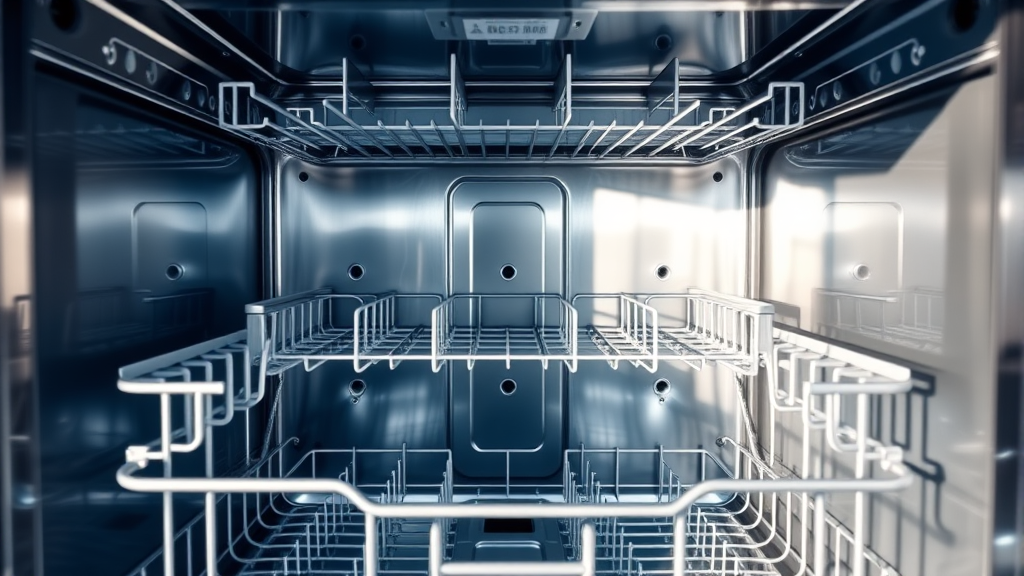
Sparkling Clean: Transform Your Dishwasher in Minutes
Your dishwasher works tirelessly to clean your dishes, but when was the last time you cleaned your dishwasher itself? Over time, food particles, grease, soap scum, and mineral deposits can accumulate in your dishwasher, leading to unpleasant odors, poor cleaning performance, and even potential damage to the appliance. Learning how to clean a dishwasher properly is essential for maintaining its efficiency and extending its lifespan.
The good news is that cleaning your dishwasher doesn’t require expensive products or professional services. With a few simple household items and some basic maintenance techniques, you can restore your dishwasher to sparkling condition in just minutes. This comprehensive guide will walk you through everything you need to know about dishwasher maintenance, from quick daily cleaning tips to deep cleaning methods that will eliminate stubborn buildup and keep your appliance running like new.
Signs Your Dishwasher Needs Cleaning
Recognizing when your dishwasher needs attention is crucial for maintaining optimal performance. Several telltale signs indicate it’s time to give your appliance a thorough cleaning. The most obvious indicator is a persistent unpleasant odor emanating from the dishwasher, even when it’s not in use. This smell typically results from food particles trapped in filters, seals, or spray arms that have begun to decompose.
Another clear sign is when your dishes come out less clean than usual, with spots, film, or residue remaining after a complete wash cycle. You might notice white chalky deposits on glassware, which indicates mineral buildup from hard water. Additionally, if you see visible debris, grease, or slime around the door seals, filter area, or at the bottom of the tub, it’s definitely time for a deep clean.
Poor drainage is another red flag – if water remains pooled at the bottom of the dishwasher after a cycle, this suggests blockages in the drain or filter system. Similar to maintaining other kitchen appliances like learning how to clean oven components, regular dishwasher maintenance prevents these issues from becoming major problems.
Preparation and Essential Supplies
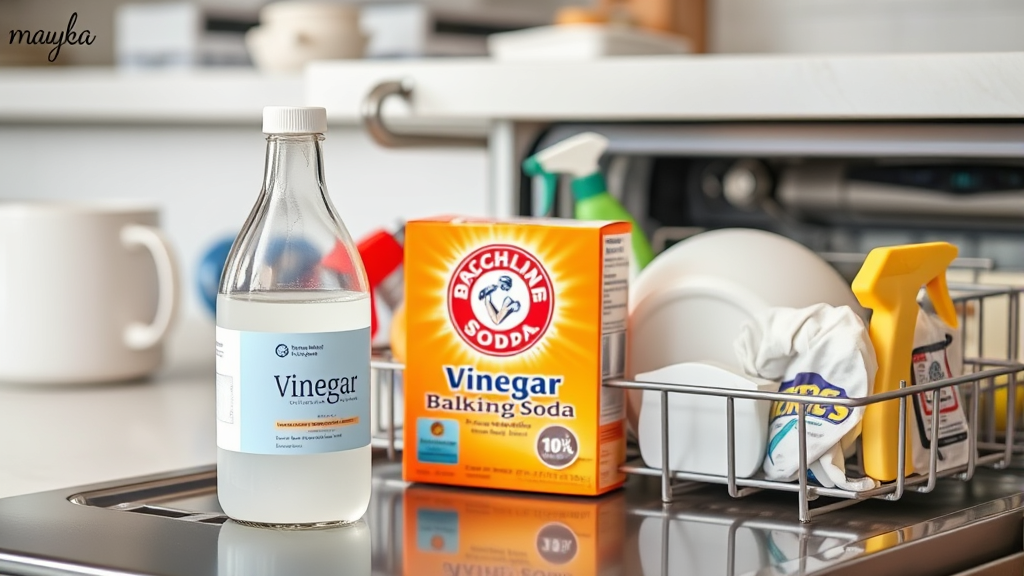
Before beginning the cleaning process, gather all necessary supplies and prepare your dishwasher. You’ll need white vinegar, baking soda, dish soap, an old toothbrush or soft-bristled brush, microfiber cloths, and rubber gloves for protection. Optional items include dishwasher cleaning tablets or specialized cleaners, though homemade solutions are equally effective.
Start by removing all dishes, utensils, and dishware from both racks. Take out the bottom dish rack completely to access the filter and drain area more easily. Remove any visible debris, food particles, or objects that may have fallen to the bottom of the tub. Check the spinning spray arms for clogs – you should be able to see through the holes easily.
Inspect the door seals and gaskets for accumulated grime, paying special attention to the bottom seal where debris commonly collects. According to the U.S. Department of Energy, proper maintenance can significantly improve your dishwasher’s efficiency and reduce energy consumption.
Step-by-Step Deep Cleaning Process
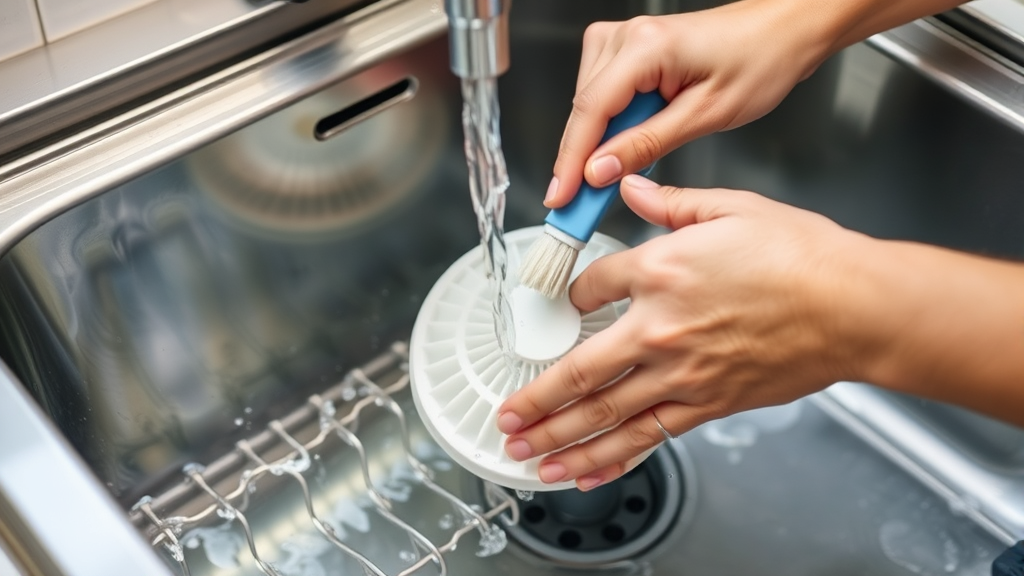
Begin the deep cleaning process by addressing the dishwasher’s filter system, which is typically located at the bottom of the tub near the back or center. Most modern dishwashers have removable cylindrical or circular filters that twist or lift out. Remove the filter carefully and rinse it under hot running water, using an old toothbrush to scrub away stubborn particles and grease buildup.
Next, clean the spray arms by removing them according to your dishwasher’s manual – most simply lift out or require a quarter-turn to release. Rinse the arms under hot water and use a thin wire or toothpick to clear any clogs in the holes. Soak them in a bowl of warm water mixed with white vinegar for 15-20 minutes to dissolve mineral deposits.
For the main cleaning cycle, place a dishwasher-safe bowl filled with two cups of white vinegar on the top rack of your empty dishwasher. Run a complete hot water cycle without detergent. The vinegar will circulate throughout the system, breaking down grease, soap scum, and mineral deposits while neutralizing odors.
After the vinegar cycle completes, sprinkle one cup of baking soda across the bottom of the dishwasher tub and run another hot water cycle. This combination effectively tackles different types of buildup and leaves your dishwasher fresh and clean.
Cleaning Individual Components
The door and seals require special attention as they’re prone to accumulating soap residue, food particles, and moisture-related buildup. Create a cleaning solution using equal parts water and white vinegar, then use a microfiber cloth to wipe down the entire interior door surface, paying particular attention to the bottom edge where debris settles.
Clean the rubber door seals thoroughly using the same vinegar solution and an old toothbrush to reach into crevices. These areas can harbor bacteria and cause odors if neglected. For stubborn stains or buildup, make a paste using baking soda and water, apply it to problem areas, let it sit for 10 minutes, then scrub gently and rinse.
The dishwasher’s exterior also deserves attention. For stainless steel models, use appropriate cleaners or a mixture of vinegar and water, wiping in the direction of the grain. Just as you would when learning how to clean stainless steel pans, avoid abrasive materials that could scratch the surface.
Natural Cleaning Methods
Natural cleaning methods are not only environmentally friendly but also safe for your dishes and family. White vinegar is the most effective natural dishwasher cleaner, capable of dissolving mineral deposits, cutting through grease, and eliminating odors without leaving harmful residues. Its acidic properties make it particularly effective against hard water stains and soap scum.
Baking soda serves as an excellent complement to vinegar, providing gentle abrasive action while neutralizing acids and absorbing odors. When used in sequence (vinegar first, then baking soda), these two ingredients create a powerful cleaning combination that rivals commercial products. Lemon juice can also be effective, particularly for addressing mineral deposits and adding a fresh scent.
For ongoing maintenance, consider placing a cup of white vinegar in the dishwasher once monthly and running a normal cycle. This simple practice, similar to regular maintenance routines like learning how to clean washing machine components, prevents major buildup and keeps your appliance functioning optimally.
Regular Maintenance and Prevention
Establishing a regular maintenance routine is key to keeping your dishwasher clean and functioning efficiently. After each use, leave the dishwasher door slightly open to allow air circulation and prevent moisture buildup that can lead to mold and mildew. This simple habit significantly reduces odor development and extends the time between deep cleanings.
Scrape dishes thoroughly before loading, but avoid pre-rinsing unless absolutely necessary, as modern dishwashers are designed to handle food residue. However, remove large food particles, bones, and non-food items that could clog the system. Regularly check and clean the filter – depending on usage, this might be needed weekly or monthly.
Use the appropriate amount of detergent for your water hardness level and load size. Too much detergent can create excessive suds and leave residue, while too little won’t clean effectively. Consider using rinse aid if you have hard water to prevent spots and improve drying performance. The University of Minnesota Extension provides excellent guidance on proper dishwasher maintenance practices.
Monthly maintenance should include wiping down door seals, checking spray arm holes for clogs, and running a cleaning cycle with vinegar or a commercial dishwasher cleaner. Just as you might maintain other kitchen equipment or even learn how to clean strawberries properly for food safety, consistent dishwasher maintenance prevents problems before they start.
Troubleshooting Common Issues
Even with regular maintenance, dishwashers can develop issues that affect performance. Poor cleaning results often stem from clogged spray arms, dirty filters, or incorrect loading techniques. Ensure dishes aren’t blocking spray arms and that heavily soiled items face the center where spray action is strongest. Overloading prevents proper water circulation and reduces cleaning effectiveness.
Persistent odors usually indicate trapped food particles or bacterial growth in hidden areas. Check the garbage disposal if your dishwasher drains into it, as odors can travel back through the connection. Clean the area around the door hinges and inspect the bottom of the tub for debris that might have been missed during routine cleaning.
White film or spots on dishes typically result from hard water minerals or excessive detergent use. Adjust your detergent amount based on water hardness and consider using a rinse aid. If the problem persists, your water softener may need attention or adjustment. According to Consumer Reports, addressing these issues promptly prevents more serious problems and maintains optimal performance.
Drainage problems require immediate attention to prevent water damage and bacterial growth. Check for obvious clogs in the filter or drain area, and ensure the garbage disposal (if connected) is functioning properly. If water continues to pool after cleaning these components, professional service may be necessary.
Frequently Asked Questions
How often should I clean my dishwasher?
You should perform basic maintenance weekly by cleaning the filter and wiping door seals. Run a deep cleaning cycle with vinegar monthly, and do a thorough inspection and cleaning of all components every 3-6 months depending on usage frequency and water hardness in your area.
Can I use regular dish soap to clean my dishwasher?
Never use regular dish soap inside your dishwasher as it creates excessive suds that can damage the appliance and cause flooding. Use only dishwasher-specific detergents for normal operation. For cleaning the interior, stick to vinegar, baking soda, or specialized dishwasher cleaners.
Why does my dishwasher smell bad even after cleaning?
Persistent odors often indicate trapped debris in hard-to-reach areas like door hinges, the garbage disposal connection, or inside spray arms. Check these areas thoroughly and ensure your drain hose isn’t kinked or clogged. Running an additional vinegar cycle may help eliminate remaining odors.
Is it safe to use bleach in my dishwasher?
Avoid using bleach in dishwashers with stainless steel interiors as it can cause permanent damage and discoloration. For plastic-interior models, a small amount of bleach can help with sanitizing, but never mix bleach with other cleaning products and ensure thorough rinsing afterward.
What should I do if my dishwasher filter won’t come out?
If the filter appears stuck, don’t force it as this could cause damage. Try turning it in the opposite direction, as some filters have reverse threads. Soak the area with warm vinegar solution to dissolve buildup that might be causing it to stick. If it still won’t budge, consult your owner’s manual or contact a professional.
Can hard water damage my dishwasher?
Hard water can cause significant mineral buildup that affects performance and potentially damages internal components over time. Regular cleaning with vinegar helps dissolve these deposits. Consider installing a water softener system or using rinse aid specifically designed for hard water conditions to minimize long-term damage.
How do I know if my dishwasher’s spray arms are clogged?
Remove the spray arms and hold them up to the light – you should be able to see through all the holes clearly. If holes appear blocked or if you notice reduced water pressure during cycles, the arms likely need cleaning. Use a thin wire or toothpick to clear individual holes and soak in vinegar solution to dissolve mineral deposits.

Related Posts

How Long to Boil Lobster Tails: Cooking Guide

How Long to Fly from New York to London? Travel Times
