
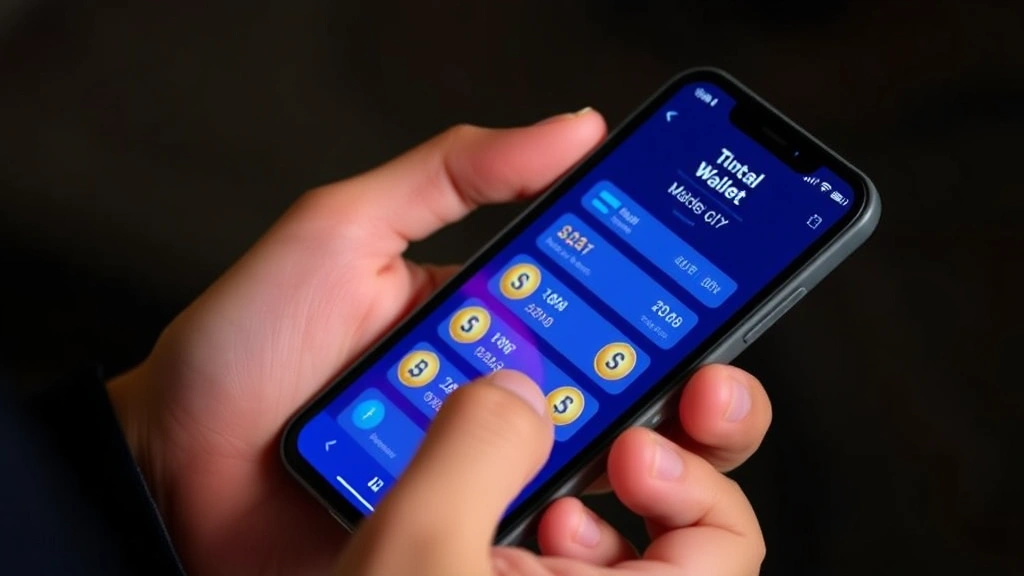
How to Buy SafeMoon: A Step-by-Step Guide
How to Buy SafeMoon: A Step-by-Step Guide
Cryptocurrency has become increasingly mainstream, and SafeMoon stands as one of the more intriguing tokens in the digital asset space. Whether you’re curious about decentralized finance or looking to diversify your investment portfolio, understanding how to purchase SafeMoon requires navigating several platforms and security considerations. This guide walks you through the entire process, from setting up your wallet to executing your first transaction.
SafeMoon operates on blockchain technology with a unique tokenomics model designed to reward long-term holders through redistribution mechanisms. Before diving into the purchase process, it’s worth understanding that cryptocurrency markets operate differently from traditional stock exchanges. You’ll need a digital wallet, access to an exchange platform, and a basic grasp of blockchain fundamentals.
The journey to acquiring SafeMoon involves multiple steps, each with its own considerations and potential pitfalls. By following this comprehensive guide, you’ll be equipped to make informed decisions and execute your purchase safely and efficiently.
Understanding SafeMoon and Blockchain Basics
SafeMoon is a decentralized finance (DeFi) token built on the Binance Smart Chain (BSC). Unlike traditional currencies managed by central banks, SafeMoon operates through smart contracts and distributed ledger technology. The token incorporates a reflection mechanism, meaning SafeMoon holders receive additional tokens simply by holding their existing balance—essentially earning passive income through token redistribution.
Before purchasing any cryptocurrency, you should understand that digital assets carry inherent risks. Market volatility can be substantial, and the regulatory landscape continues evolving. Research the project’s whitepaper, examine the development team, and understand the tokenomics model. This foundational knowledge helps you make decisions aligned with your financial goals and risk tolerance.
The blockchain ecosystem includes various cryptocurrencies serving different purposes. Bitcoin operates as digital currency, Ethereum enables smart contracts and applications, and tokens like SafeMoon function within existing blockchain networks. Understanding this hierarchy helps contextualize SafeMoon’s role in the broader cryptocurrency landscape.
Setting Up Your Digital Wallet
Your digital wallet functions as your personal bank account on the blockchain. It stores your private keys—essentially cryptographic passwords that grant access to your funds. Never share your private keys or seed phrase with anyone, as doing so grants complete access to your assets.
Several wallet options exist for SafeMoon holders. MetaMask, Trust Wallet, and SafeMoon’s official wallet represent popular choices. MetaMask operates as a browser extension and mobile app, providing user-friendly interfaces for managing multiple tokens. Trust Wallet offers similar functionality with strong security features. SafeMoon’s official wallet provides native integration with their ecosystem.
To set up MetaMask, download the extension from the official website, create a new wallet, and securely store your seed phrase. This twelve-word phrase represents your ultimate backup—if you lose access to MetaMask, this phrase recovers your entire wallet. Store it physically in a secure location, never digitally on your computer or cloud storage.

After creating your wallet, you’ll see your public address—a long string of characters starting with “0x.” This address functions like your email address for receiving cryptocurrency. You can safely share this with others to receive funds. Your wallet now displays a balance of zero, ready for your first transaction.
Choosing a Cryptocurrency Exchange
Cryptocurrency exchanges function as marketplaces where you trade traditional currency (fiat) for digital assets. Major exchanges like Binance, Kraken, and Coinbase offer user-friendly platforms with strong security measures. Smaller exchanges may offer unique features or lower fees, but typically involve higher risks.
SafeMoon trades on decentralized exchanges (DEXs) like PancakeSwap and centralized exchanges (CEXs) like Gate.io and Bitfinex. Decentralized exchanges operate without intermediaries, providing direct peer-to-peer trading but requiring more technical knowledge. Centralized exchanges handle transactions on your behalf, offering simpler interfaces but requiring identity verification.
For most beginners, starting with a major centralized exchange provides the smoothest experience. You’ll complete identity verification (Know Your Customer or KYC requirements), link a bank account or payment method, and gain access to trading pairs. Research the exchange’s security history, fee structure, and available trading pairs before committing.
Consider fees carefully—different exchanges charge different rates for deposits, trades, and withdrawals. Some exchanges offer reduced fees for high-volume traders or specific payment methods. Calculate the total cost of your purchase across different platforms to identify the most economical option.
Funding Your Exchange Account
Once you’ve selected your exchange and completed verification, you need to fund your account. This process involves transferring traditional currency into your exchange account. Multiple funding methods exist, each with different processing times, fees, and limits.
Bank transfers typically offer the lowest fees but may take several business days to process. Debit or credit card purchases execute immediately but carry higher fees—sometimes 3-5% of your transaction amount. You might also explore how to receive money from Zelle for potential peer-to-peer funding options. Some exchanges accept PayPal or other digital payment services, though these typically involve premium fees.
When funding your account, start with a conservative amount. This approach lets you familiarize yourself with the platform and its processes before committing larger sums. After your initial deposit clears, you can add more funds as your confidence grows.
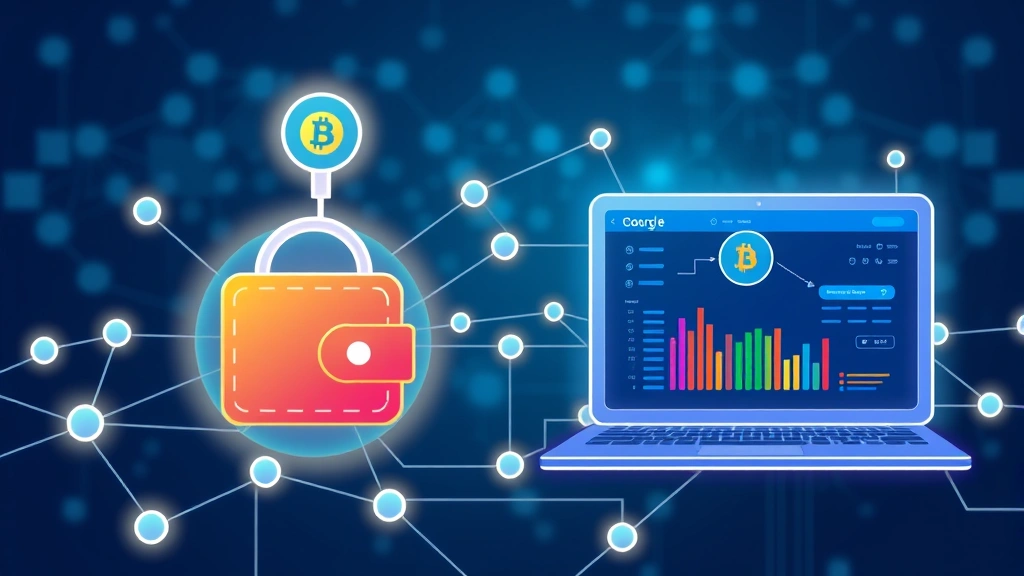
Monitor your exchange account for confirmation of deposit. Most platforms send email notifications when funds arrive. Allow time for funds to settle—some payment methods require holding periods before you can trade. During this waiting period, review SafeMoon’s current price, market trends, and trading pairs available on your exchange.
Executing Your SafeMoon Purchase
With your wallet set up and your exchange account funded, you’re ready to purchase SafeMoon. The process varies slightly depending on whether you’re using a centralized or decentralized exchange, but the fundamental steps remain consistent.
On centralized exchanges like Gate.io, navigate to the trading section and search for SafeMoon (typically listed as SAFEMOON). Select the appropriate trading pair—SafeMoon/USDT or SafeMoon/BUSD are common options. USDT and BUSD are stablecoins pegged to the US dollar, providing price stability compared to more volatile cryptocurrencies.
Enter the amount of SafeMoon you wish to purchase. The exchange displays the corresponding cost in your funding currency. Review the order details carefully—verify the trading pair, quantity, and total cost before confirming. Once confirmed, your purchase executes immediately at the current market price.
Decentralized exchanges like PancakeSwap require additional steps. You’ll connect your wallet directly to the platform, select your trading pair, and execute the swap. This process involves paying gas fees (transaction costs on the Binance Smart Chain) in addition to your SafeMoon purchase. Gas fees fluctuate based on network congestion, typically ranging from a few dollars to twenty dollars or more during peak times.
After your purchase completes, your SafeMoon tokens appear in your exchange account or connected wallet. Congratulations—you now own SafeMoon. However, the process isn’t complete; securing your tokens requires additional steps.
Securing Your SafeMoon Tokens
After purchasing SafeMoon on a centralized exchange, you face an important decision: leave your tokens on the exchange or transfer them to your personal wallet. Exchanges offer convenience but involve counterparty risk—if the exchange experiences a security breach or operational failure, your funds could be at risk.
For long-term holding, transferring SafeMoon to your personal wallet provides superior security. Your wallet gives you complete control over your private keys and assets. To transfer tokens, you’ll need your wallet’s public address and pay a network fee (gas fee) for the blockchain transaction.
On most exchanges, navigate to the withdrawal section, select SafeMoon, and enter your wallet address. The exchange processes your withdrawal, and after a brief confirmation period (typically minutes to hours), your SafeMoon appears in your personal wallet.
If you purchased SafeMoon on a decentralized exchange connected to your wallet, your tokens already reside in your personal wallet—no additional transfer necessary. In this case, your security depends entirely on protecting your wallet’s private keys and seed phrase.
Consider implementing additional security measures. Hardware wallets like Ledger or Trezor provide offline storage for your private keys, offering maximum security for substantial holdings. These devices require physical confirmation for transactions, preventing unauthorized transfers even if your computer becomes compromised.
Monitoring and Managing Your Investment
Owning SafeMoon involves ongoing management and monitoring. Set up price alerts on your exchange or through cryptocurrency tracking apps like CoinMarketCap or CoinGecko. These alerts notify you when SafeMoon reaches specific price points, helping you make timely decisions.
If you’re interested in generating income from your holdings, you might explore how to make money in one hour through cryptocurrency-related activities. However, understand that cryptocurrency markets operate around the clock with significant volatility—quick profits often involve proportional risks.
Track your investment’s performance against your original purchase price and overall portfolio allocation. Many investors find value in documenting transactions for tax purposes—most jurisdictions treat cryptocurrency purchases and sales as taxable events. Maintaining detailed records simplifies tax filing and helps you understand your investment’s actual returns.
Stay informed about SafeMoon’s development updates, team announcements, and ecosystem changes. Follow official SafeMoon channels, read community forums, and engage with other investors. This ongoing education helps you make informed decisions about holding, selling, or increasing your position.
Consider your exit strategy before emotional decision-making becomes necessary. Establish price targets—both profit-taking levels and stop-loss points. This disciplined approach prevents panic selling during market downturns or holding through significant gains hoping for unrealistic returns.
If you’re managing multiple digital assets and payments, you might find value in understanding how to endorse a check and how to archive Amazon orders for organizing your broader financial life alongside your cryptocurrency investments.
Frequently Asked Questions
What is the minimum amount of SafeMoon I can purchase?
Most exchanges don’t enforce strict minimums, but practical considerations exist. Gas fees on decentralized exchanges can range from five to twenty dollars, making very small purchases economically inefficient. On centralized exchanges, minimum purchase amounts vary by platform but typically start at ten to fifty dollars. Always factor transaction costs into your purchase decision.
Can I purchase SafeMoon with a credit card directly?
Some exchanges accept credit card purchases directly, though fees typically run 3-5% higher than bank transfers. Credit card companies may also classify cryptocurrency purchases as cash advances with additional fees. Bank transfers generally provide the most economical approach for larger purchases, while credit cards offer convenience for smaller amounts despite higher costs.
Is SafeMoon a scam or legitimate investment?
SafeMoon represents a legitimate cryptocurrency token built on established blockchain technology. However, like all cryptocurrencies, it carries substantial risk. The token’s value depends on market demand, adoption, and development progress. Research the project thoroughly, understand its tokenomics, and never invest more than you can afford to lose. Consult reputable financial resources for independent analysis.
How long does SafeMoon take to arrive in my wallet?
On centralized exchanges, SafeMoon typically appears in your account immediately after purchase. Transferring to your personal wallet usually takes minutes to hours, depending on blockchain network congestion. Decentralized exchange purchases execute within minutes, with tokens immediately available in your connected wallet. Network congestion during peak times can extend confirmation periods.
What happens to my SafeMoon if the exchange shuts down?
If you store SafeMoon on a centralized exchange that experiences failure or closure, your funds could be at risk. This risk is why transferring tokens to your personal wallet is crucial for long-term holding. Your personal wallet remains accessible regardless of any exchange’s operational status, provided you maintain access to your private keys or seed phrase.
Can I sell my SafeMoon anytime?
Yes, you can sell SafeMoon on the same exchanges where you purchased it. The process reverses your purchase—you exchange SafeMoon for another cryptocurrency or fiat currency. Liquidity varies depending on market conditions, but major exchanges maintain sufficient trading volume for most transactions. Decentralized exchanges may experience slightly longer transaction times during high-congestion periods.
Do I need to pay taxes on my SafeMoon purchase?
Tax treatment of cryptocurrency varies significantly by jurisdiction. In the United States and many other countries, purchasing SafeMoon itself isn’t a taxable event. However, selling SafeMoon or converting it to other cryptocurrencies triggers capital gains taxes. Consult a tax professional familiar with cryptocurrency regulations in your location to ensure compliance.
What security measures should I implement for my SafeMoon holdings?
Start with strong passwords for your exchange and wallet accounts, using unique combinations of uppercase, lowercase, numbers, and symbols. Enable two-factor authentication (2FA) on all accounts. Never share your private keys or seed phrases. For substantial holdings, consider hardware wallets that store keys offline. Regularly back up your seed phrase in secure physical locations.

Related Posts

How Long to Boil Lobster Tails: Cooking Guide

How Long to Fly from New York to London? Travel Times
