
Breaking in a Baseball Glove: Expert Tips for Perfect Performance
A brand new baseball glove feels stiff, uncomfortable, and nothing like the broken-in gloves you see professional players using on the field. The leather is rigid, the pocket hasn’t formed, and the glove resists your hand’s natural movements. Breaking in a baseball glove is a crucial process that transforms a factory-fresh piece of equipment into a personalized extension of your hand. Whether you’re a seasoned player or picking up the sport for the first time, understanding how to properly break in your glove will save you frustration and help you perform at your best.
The break-in process typically takes anywhere from a few weeks to several months, depending on the leather quality, glove type, and how frequently you use it. Rather than letting time do all the work, you can accelerate the process using proven techniques that professionals have used for decades. This comprehensive guide walks you through every method, from traditional conditioning approaches to modern innovations, ensuring your glove reaches optimal playability quickly and safely.
Why Breaking In Your Glove Matters
Breaking in your baseball glove isn’t just about comfort—it directly impacts your performance on the field. A properly broken-in glove provides superior ball control, faster reaction times, and increased confidence when making crucial plays. The leather needs to soften and mold to your hand’s unique shape, creating a custom fit that mass-produced gloves simply cannot achieve straight from the factory.
New gloves have leather that’s too rigid to respond quickly to incoming balls. The stiff webbing and pocket require significant force to close, which slows your catching motion. Additionally, the glove needs time to develop a proper pocket—the concave area where the ball sits. Without this pocket, balls tend to bounce out rather than settling securely in your glove. Professional players understand that investing time in proper break-in translates directly to better defensive statistics and fewer errors.
The break-in process also prevents potential damage to your glove. If you rush into heavy use without proper conditioning, you risk cracking the leather, tearing the webbing, or permanently misshaping the glove. Taking time to break it in correctly ensures your investment lasts for multiple seasons and maintains its structural integrity.
Leather Conditioning Methods
Conditioning the leather is the foundation of any successful break-in routine. High-quality leather conditioners penetrate the material, making it more pliable and responsive. The most effective conditioning products are specifically formulated for baseball gloves and contain natural oils that restore moisture without damaging the leather’s durability.
Glove Oil and Conditioner Application
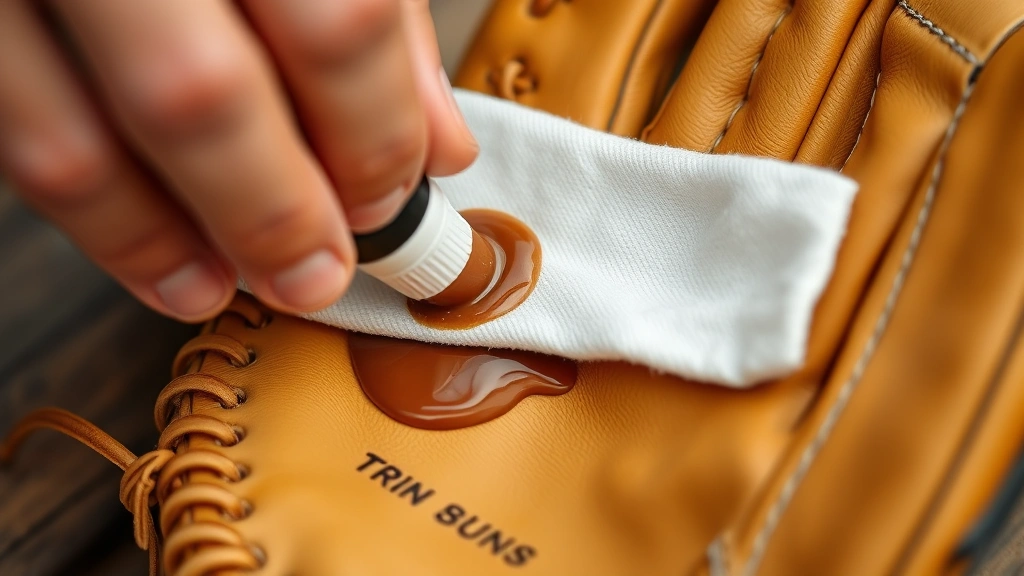
Start by selecting a reputable glove conditioning product designed specifically for baseball equipment. Avoid generic leather conditioners, which may contain harsh chemicals that damage athletic leather. Apply a small amount of conditioner to a soft cloth and work it into the leather using circular motions. Focus on areas that experience the most stress: the pocket, the heel, and the webbing between fingers.
Apply conditioner in thin layers rather than one thick coat. Multiple light applications allow the leather to absorb the oils gradually without becoming over-saturated. After applying conditioner, let your glove rest for 24 hours before using it. This waiting period allows the leather fibers to fully absorb the conditioning agents and soften appropriately.
Mink Oil Treatment
Mink oil is a traditional choice for breaking in baseball gloves, though it requires careful application. This natural oil penetrates deep into leather, significantly softening it. Apply mink oil sparingly using a soft cloth, working it into the leather with gentle pressure. Mink oil makes leather darker and more water-resistant, which some players prefer and others avoid. Test mink oil on an inconspicuous area first to ensure you’re comfortable with the color change.
Neatsfoot Oil Considerations
While neatsfoot oil has been used for decades, modern baseball players often prefer specialized glove conditioners. Neatsfoot oil can make leather too soft if over-applied, potentially compromising the glove’s structure. If you choose neatsfoot oil, apply it extremely sparingly and allow extended drying time between applications.
Active Play and Game Use
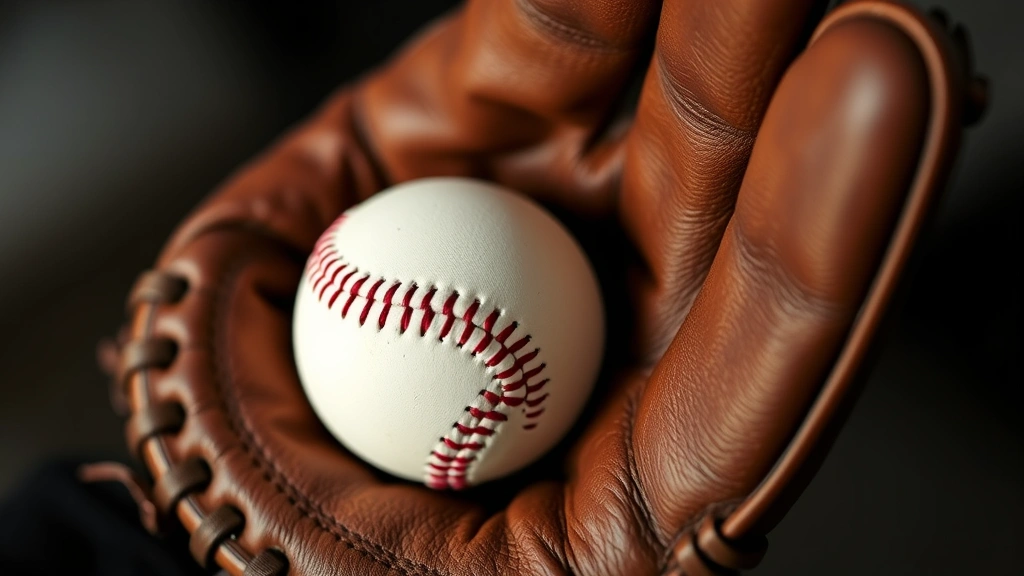
Nothing breaks in a baseball glove faster than actual game play. Catching real baseballs under game conditions accelerates the break-in process dramatically compared to stationary conditioning alone. The combination of impact, flexing, and moisture from sweat naturally molds the leather to your hand while forming the pocket.
Practice Sessions
Begin with low-intensity practice sessions, gradually increasing the intensity as your glove softens. Start with light toss drills with a teammate, focusing on basic catching mechanics. Progress to harder throws, ground balls, and fly balls as the glove becomes more responsive. Each catch contributes to pocket formation and leather conditioning.
Weighted Ball Drills
Some players use weighted baseballs during break-in to accelerate pocket formation. A weighted ball—typically 6 to 7 ounces compared to a standard ball’s 5.125 ounces—creates more impact and faster pocket development. Use weighted balls cautiously, as excessive impact can damage a brand-new glove. Limit weighted ball use to 10-15 minutes per session during the first few weeks.
Game Situations
Playing actual games provides the most authentic break-in experience. The pressure of real competition, varied ball speeds, and different catch angles all contribute to proper glove conditioning. Most players find that their gloves break in significantly faster once they start playing games compared to practice-only routines.
Forming the Pocket
The pocket is the most critical feature of a broken-in glove. This concave depression in the palm area catches and secures the baseball. Forming a proper pocket requires specific techniques that combine conditioning with targeted pressure and repetitive use.
Pocket Pounding Method
One of the most effective pocket formation techniques involves placing a baseball in the center of your glove’s palm and applying pressure with your fist. Close your glove around the ball and hold firm pressure for 30 seconds to one minute. Repeat this process 10-15 times during each break-in session. The repeated pressure creates an indentation that becomes the pocket.
Ball Placement During Storage
Leave a baseball in your glove’s pocket when storing it overnight. This maintains the pocket shape and prevents the leather from flattening. Some players wrap the glove and ball together with a rubber band or place the glove under a mattress to apply gentle, consistent pressure overnight. This passive pocket formation technique works surprisingly well when combined with active break-in methods.
Rolling and Shaping
Manually roll the glove’s edges inward to deepen the pocket. Use your fingers to work the webbing and leather into the desired pocket shape. Pay particular attention to the heel—the lower portion of the pocket—which should curve slightly to prevent balls from rolling out.
Stretching and Flexing Techniques
Flexibility is essential for a properly broken-in glove. The leather must respond quickly to your hand’s movements and accommodate various catching angles. Strategic stretching and flexing accelerates this flexibility development.
Manual Flexing Routine
Perform daily flexing exercises with your glove. Put your hand inside and repeatedly open and close the glove with firm but controlled pressure. Perform 50-100 complete open-close cycles daily. This repetitive motion mimics game play and trains the leather to respond to your hand’s natural movements. Combine manual flexing with conditioning for maximum effectiveness.
Wrist and Finger Stretches
Wear your glove and perform slow, deliberate wrist rotations in both directions. Spread your fingers apart within the glove, stretching the webbing and finger stalls. Hold each stretch for 10-15 seconds. These stretches loosen the leather and improve your glove’s overall flexibility and responsiveness.
Impact Conditioning
Gently tap the glove’s palm and pocket with a baseball, baseball bat, or mallet. This controlled impact gradually softens the leather without causing damage. Start with light tapping and gradually increase force over several sessions. This technique is particularly effective for the pocket area, which receives the most impact during actual play.
Common Mistakes to Avoid
Many players inadvertently damage their gloves or slow the break-in process through common mistakes. Understanding what to avoid helps you achieve optimal results.
Over-Conditioning
Applying too much conditioner or oil can over-saturate the leather, making it too soft and compromising structural integrity. Use conditioner sparingly—a little goes a long way. More frequent light applications work better than occasional heavy applications. Over-conditioned leather may never regain proper firmness, permanently damaging your glove’s performance.
Using Inappropriate Products
Never use household oils, automotive products, or generic leather treatments on your baseball glove. These products contain chemicals that can damage athletic leather or create unsafe conditions during play. Stick with products specifically formulated for baseball gloves, available from reputable sporting goods retailers and manufacturers like Family Handyman.
Excessive Heat Exposure
Some players attempt to accelerate break-in by applying heat—using hair dryers, placing gloves near heaters, or even baking them. Excessive heat can crack leather, warp the glove’s shape, and damage webbing. Heat should be avoided entirely during the break-in process. Allow natural air drying only when your glove gets wet from sweat or rain.
Neglecting Proper Storage
Storing your glove improperly can undo progress made during break-in. Never leave your glove in direct sunlight, in a hot car, or in damp conditions. Store it in a cool, dry place with a ball inside to maintain pocket shape. Improper storage can cause leather to crack, warp, or develop mildew.
Rushing the Process
Some players attempt to force rapid break-in by using multiple heavy conditioning products simultaneously or playing excessively intense games before the glove is ready. This aggressive approach often backfires, damaging the glove or creating an improper pocket shape. The break-in process requires patience—typically 2-8 weeks depending on intensity of use.
Breaking In Timeline
Understanding realistic timelines helps you maintain realistic expectations for your glove’s break-in progress. Timeline varies based on leather quality, glove size, and frequency of use, but general benchmarks exist.
Weeks 1-2: Initial Conditioning Phase
During the first two weeks, focus on conditioning and light flexing. Apply glove conditioner 2-3 times per week, allowing 24-hour rest periods between applications. Perform daily manual flexing exercises and gentle pocket pounding. Avoid intense play; stick with light practice sessions and toss drills. Your glove should noticeably soften during this phase.
Weeks 3-4: Active Break-In Phase
Increase practice intensity gradually during weeks 3-4. Play regular practice games with moderate intensity, continuing conditioning as needed. The pocket should become more defined, and the glove should respond more quickly to your hand’s movements. The leather should feel significantly softer than the initial break-in phase.
Weeks 5-8: Game Ready Phase
By week 5-8, your glove should be game-ready for most players. Continue playing games and practice sessions, reducing conditioning frequency as the glove reaches optimal playability. The pocket should be well-formed, and the leather should feel natural on your hand. Some players continue light conditioning throughout the season to maintain optimal performance.
Ongoing Maintenance Beyond Break-In
After the initial break-in period, maintain your glove with periodic conditioning—approximately once per month during the season. This maintains leather flexibility and extends your glove’s lifespan. Properly maintained gloves can last multiple seasons while maintaining excellent performance characteristics.
Ongoing Maintenance
Breaking in your glove is only the beginning. Proper maintenance throughout the season ensures continued optimal performance and extends your glove’s lifespan significantly.
Seasonal Conditioning
Apply glove conditioner once monthly during the baseball season to maintain leather flexibility. This preventative maintenance prevents the leather from drying out and reverting to stiffness. Monthly conditioning is far easier than attempting to re-break-in a dried-out glove mid-season.
Moisture Management
After playing in wet conditions or practice sessions involving heavy sweating, allow your glove to air-dry naturally. Never use artificial heat. Place your glove in a well-ventilated area away from direct sunlight. Proper moisture management prevents mildew growth and leather damage.
Storage Between Seasons
Store your glove properly during the off-season. Place a baseball in the pocket to maintain shape, wrap the glove loosely in a cloth, and store it in a cool, dry location. Avoid storing in damp basements or hot attics, which can damage the leather. Proper off-season storage ensures your glove remains game-ready when the next season begins.
Webbing and Lace Inspection
Regularly inspect your glove’s webbing and lacing for signs of wear or damage. If you notice fraying, loose stitches, or broken laces, address these issues promptly. Many sporting goods stores offer glove repair services for webbing and lace replacement. Professional repairs maintain your glove’s structural integrity and playing performance.
Professional Reconditioning
If your glove becomes excessively dried out or damaged, consider professional reconditioning services. Many sporting goods retailers and specialty glove shops offer professional break-in and restoration services. These experts can restore older gloves to near-new condition, extending your equipment’s useful lifespan.
Frequently Asked Questions
How long does it take to break in a baseball glove?
Most baseball gloves require 2-8 weeks of regular use to reach optimal playability. The timeline depends on leather quality, glove size, and frequency of use. Premium leather gloves with regular game play may break in within 2-3 weeks, while budget gloves with lighter use might require 8+ weeks. Consistent conditioning and active play accelerate the process.
Can you break in a baseball glove too much?
Yes, over-conditioning can damage your glove by making the leather excessively soft and compromising structural integrity. Use conditioning products sparingly and follow manufacturer recommendations. More frequent light applications work better than occasional heavy applications. Once your glove reaches optimal playability, reduce conditioning frequency to maintenance levels only.
Is it bad to leave a baseball in your glove overnight?
Leaving a baseball in your glove overnight is actually beneficial during the break-in phase. The ball maintains pocket shape and applies gentle, consistent pressure that aids pocket formation. This passive break-in technique works well when combined with active play and conditioning. Continue this practice throughout the season to maintain pocket shape.
What’s the best oil for breaking in a baseball glove?
Specialized baseball glove conditioners are superior to generic oils. These products are formulated specifically for athletic leather and contain ingredients that soften without damaging durability. Mink oil is traditional but requires careful application. Neatsfoot oil can over-soften leather if over-applied. Avoid household oils and automotive products entirely.
Should you break in a new glove before playing games?
Yes, light break-in before games is recommended. Spend 1-2 weeks on conditioning and light practice before intense game play. This initial break-in prevents sudden damage from impact and ensures the pocket begins forming properly. However, actual game play accelerates break-in faster than any conditioning method alone.
Can you use a baseball glove straight out of the box?
Technically yes, but you’ll experience significantly reduced performance. Brand-new gloves are stiff, the pocket hasn’t formed, and the leather resists your hand’s natural movements. Playing with an unbroken-in glove increases error risk and causes discomfort. Invest the time for proper break-in to maximize performance and equipment lifespan.