
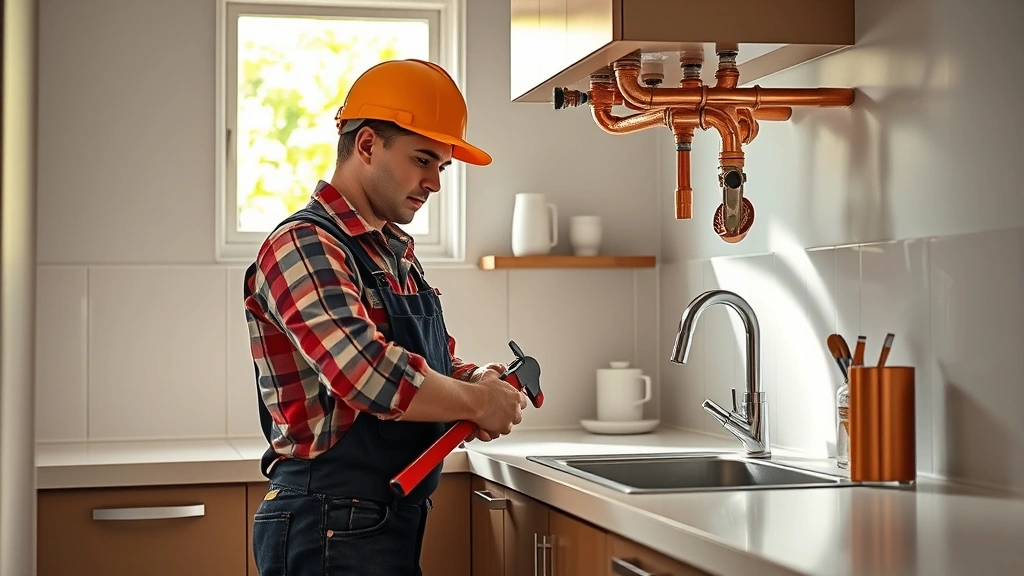
Want to Be a Plumber? Expert Tips & Training Guide
Want to Be a Plumber? Expert Tips & Training Guide
Becoming a plumber is one of the most rewarding career paths in the skilled trades. With strong job security, competitive wages, and the satisfaction of solving real problems for homeowners and businesses, plumbing offers both financial stability and personal fulfillment. Whether you’re looking for a career change or just starting your professional journey, this comprehensive guide will walk you through every step of becoming a licensed plumber.
The plumbing industry is experiencing significant growth, with the U.S. Bureau of Labor Statistics projecting steady demand for skilled plumbers over the next decade. Unlike many professions, plumbing skills are always in demand—people will always need functioning water systems, drains, and heating solutions. This guide covers the essential training, certification, and practical steps you need to launch a successful plumbing career.
Understanding the Plumbing Profession
Before committing to plumbing training, it’s important to understand what the job actually entails. Plumbers install, repair, and maintain water supply systems, drainage systems, and gas lines in residential, commercial, and industrial settings. The work ranges from routine maintenance and repairs to complex installations of entire plumbing systems.
Modern plumbers need both technical knowledge and practical problem-solving skills. You’ll work with various materials including copper, PVC, and PEX piping, and you’ll need to understand building codes, blueprints, and safety regulations. The job requires physical stamina, attention to detail, and the ability to work independently or as part of a team. Many plumbers appreciate the variety—no two days are exactly alike, and you’re constantly learning new techniques and troubleshooting different problems.
The career path offers excellent earning potential. According to the U.S. Bureau of Labor Statistics, experienced plumbers earn competitive wages with opportunities for overtime and self-employment. Many plumbers eventually start their own businesses, giving them control over their income and work schedule.
Educational Requirements and Training
The path to becoming a plumber typically begins with a high school diploma or GED. While plumbing doesn’t require a four-year college degree, formal education in mathematics and technical subjects provides a strong foundation. High school courses in algebra, geometry, and physics help you understand the calculations and principles underlying plumbing work.
After high school, you’ll need formal training through an apprenticeship program, trade school, or community college. Trade schools and community colleges offer plumbing programs that combine classroom instruction with hands-on training. These programs typically last 6 months to 2 years and cover topics like pipe sizing, water pressure calculations, and plumbing code requirements. Many programs are designed to work alongside apprenticeships, allowing you to earn while you learn.
Technical knowledge is essential in modern plumbing. You’ll need to understand:
- Water supply systems and how to size pipes for adequate pressure
- Drainage and venting principles that prevent backups and odors
- Building codes that vary by location and ensure safety
- Fixture installation including toilets, sinks, showers, and water heaters
- Gas line installation for water heaters and appliances
- Safety protocols for working in confined spaces and with hazardous materials
Many vocational schools partner with unions or contractor associations to provide curriculum that directly prepares you for licensing exams. Check with your local United Association of Plumbers and Pipefitters or state licensing board for approved training programs in your area.
Apprenticeship Programs Explained
The apprenticeship model is the traditional and most common pathway to becoming a plumber. An apprenticeship typically lasts 4-5 years and combines paid on-the-job training with classroom instruction. You’ll work under the supervision of experienced plumbers while learning the trade from the ground up.
Apprenticeships are structured programs with clear progression. Most programs require 1,000-2,000 hours of on-the-job training per year, combined with 144-216 classroom hours annually. You start as an apprentice with lower wages, but compensation increases as you progress. By the end of the program, you’re earning close to journeyman wages while completing your final certifications.
The advantages of apprenticeships include:
- Earning while learning—you receive a paycheck from day one
- Real-world experience—you work on actual projects, not just practice scenarios
- Mentorship—experienced plumbers teach you not just skills but also problem-solving approaches
- Job placement—many apprenticeships lead directly to employment
- Network building—you develop connections in the plumbing industry
To find apprenticeships, contact your local plumbers’ union, the Associated Builders and Contractors (ABC), or the National Association of Plumbing-Heating-Cooling Contractors (NAPHCC). Many contractors also offer their own apprenticeship programs. Requirements vary by program, but you’ll typically need to be at least 18 years old, have a high school diploma or GED, and pass a background check and drug test.
Licensing and Certification
Licensing requirements vary significantly by state and municipality. Most states require plumbers to be licensed at multiple levels: apprentice, journeyman, and master plumber. Each level requires a combination of documented work hours and passing a comprehensive exam.
Apprentice Plumber: This is your entry level. Most states don’t require an exam to become an apprentice—you simply need to register with your state’s licensing board and begin working under a licensed plumber. You’ll accumulate documented work hours, typically 4,000-10,000 hours depending on your state.
Journeyman Plumber: After completing your apprenticeship hours and classroom requirements, you’re eligible to test for your journeyman license. The journeyman exam covers plumbing codes, installation techniques, safety practices, and business principles. You’ll need to pass this exam to work independently in most jurisdictions. Journeyman plumbers can work alone and often supervise apprentices.
Master Plumber: Master licenses require additional experience (usually 5-10 years as a journeyman) and passing a more challenging exam. Master plumbers can own businesses, bid on large projects, and supervise multiple workers. If you’re interested in starting your own plumbing company, you’ll typically need your master license.
The specific requirements depend on your location. Research your state’s plumbing licensing board requirements early in your career to ensure you’re meeting all prerequisites. Some states have reciprocity agreements allowing licensed plumbers to work in other states, while others require additional exams or certifications.
Building Your Skills and Experience
Beyond formal training, becoming an excellent plumber requires continuous skill development. The plumbing industry constantly evolves with new materials, technologies, and code changes. Successful plumbers commit to ongoing learning throughout their careers.
Specialized certifications can significantly boost your earning potential and marketability. These include:
- Backflow prevention certification—required in many areas for installing and testing backflow preventers
- Water heater installation—specialized knowledge for tankless, solar, and high-efficiency systems
- Radiant heating—expertise in modern floor heating systems
- Medical gas installation—specialized certification for hospitals and medical facilities
- Green plumbing—knowledge of water conservation and sustainable practices
Practical experience is invaluable. During your apprenticeship and early career, seek opportunities to work on diverse projects—residential new construction, commercial retrofits, emergency repairs, and specialized installations. Each type of work teaches different problem-solving approaches. Work on understanding why plumbing systems are designed certain ways, not just how to install them. This deeper knowledge makes you more valuable and helps you troubleshoot complex problems.
Develop strong customer service skills. Many plumbing calls involve stressed homeowners dealing with emergencies. Your ability to communicate clearly, manage expectations, and provide solutions builds your reputation and leads to repeat business and referrals. If you eventually start your own business, customer relationships become your most valuable asset.
Starting Your Plumbing Career
Once you’ve completed your training and obtained your journeyman license, you have several career options. Many plumbers start by working for established plumbing companies. This provides steady income, access to jobs, and continued learning from experienced professionals. Established companies handle the business side—scheduling, billing, and customer acquisition—allowing you to focus on the technical work.
After gaining 2-5 years of journeyman experience, many plumbers transition to self-employment or starting their own business. Running a plumbing business requires business skills beyond plumbing expertise—marketing, customer service, accounting, and crew management. Some plumbers partner with others to combine technical and business skills. Starting your own business offers higher income potential but also requires managing all business aspects.
Career advancement opportunities include:
- Foreman or supervisor—managing crews and large projects
- Estimator—calculating project costs and bidding on jobs
- Inspector—working for municipalities to ensure code compliance
- Trainer—teaching apprentices and new plumbers
- Specialization—focusing on specific areas like commercial systems or green plumbing
The plumbing industry values reliability, quality work, and customer satisfaction. Building a strong reputation through consistent, excellent work and fair pricing creates opportunities for advancement and higher-paying positions. Many successful plumbers report that their reputation is their best marketing tool.
Tools and Equipment Investment
Starting a plumbing career requires investment in quality tools and equipment. While your employer typically provides some tools during your apprenticeship, you’ll gradually build your own collection. Quality tools last longer, work more efficiently, and reduce fatigue during long workdays.
Essential basic tools include:
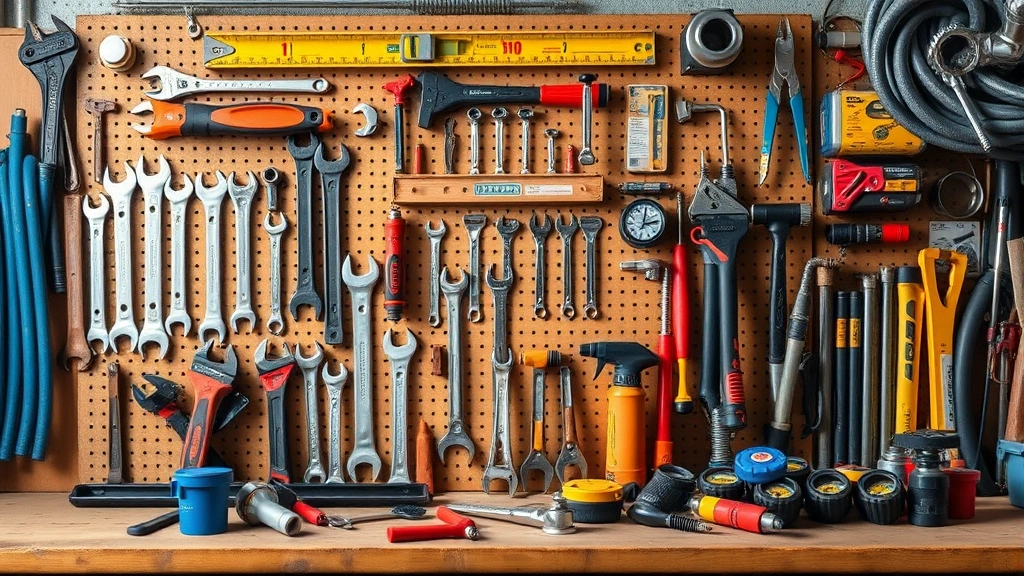
- Pipe wrenches and adjustable wrenches in various sizes
- Plungers and drain augers for common repairs
- Pipe cutters for copper and PVC
- Threading tools for threaded connections
- Crimpers and press tools for modern pipe systems
- Measuring tools—tape measures, levels, and calipers
- Flashlight and inspection camera for diagnostics
- Safety equipment—gloves, eye protection, and respirators
- Tool bag or van storage to organize and protect tools
Invest in quality tools gradually. Cheap tools wear out quickly and can damage materials or cause injury. Many experienced plumbers recommend buying individual quality tools rather than cheap complete sets. Your tools are professional investments that directly affect your work quality and earning potential. As you advance and potentially start your own business, you’ll invest in larger equipment like pipe-threading machines, pressure testing equipment, and video inspection systems.
Beyond hand tools, consider investing in continuing education. Attending workshops, seminars, and certification courses keeps your skills current and opens new business opportunities. Professional development is an investment that pays dividends throughout your career.
FAQ
How long does it take to become a plumber?
The typical timeline is 4-5 years through an apprenticeship program. This includes 1,000-2,000 hours of paid on-the-job training annually plus classroom instruction. Community college programs may take 1-2 years, but you’ll still need to complete apprenticeship hours. Total time from starting training to obtaining your journeyman license is usually 4-6 years.
What’s the average plumber salary?
According to the Bureau of Labor Statistics, the median annual wage for plumbers is competitive, with experienced plumbers and those in high-cost areas earning significantly more. Self-employed plumbers often earn more than employees, though they also manage business expenses. Overtime is common in emergency repair work, providing additional income.
Do I need a college degree to become a plumber?
No. Plumbing is a skilled trade that doesn’t require a four-year college degree. A high school diploma or GED is typically sufficient. The training comes through apprenticeships and vocational programs, not traditional higher education. Many people find this attractive—you can start earning immediately without accumulating college debt.
What’s the difference between a journeyman and master plumber?
A journeyman plumber has completed apprenticeship requirements and can work independently. A master plumber has additional years of experience (typically 5-10 years as a journeyman) and has passed additional exams. Master plumbers can own businesses, pull permits for major projects, and supervise multiple workers. If you want to start your own plumbing company, you’ll typically need your master license.
Is plumbing physically demanding?
Yes, plumbing involves physical work—crawling in tight spaces, lifting heavy pipes, and working in various positions. However, it’s not purely physical. Modern plumbing increasingly involves problem-solving, technology (like video inspection), and customer service. Many plumbers work well into their 60s and beyond by specializing in estimation, supervision, or inspection work that’s less physically demanding.
Can I start a plumbing business right out of apprenticeship?
Most states require you to be a licensed journeyman before starting a business. Some require a master license. You can work independently as a journeyman in most areas, but running a business involves additional licensing, insurance, and business registration. Many successful plumbers work for established companies for 2-5 years before starting their own business, gaining experience in both technical skills and business operations.
What’s the job outlook for plumbers?
The job outlook for plumbers is excellent. The Bureau of Labor Statistics projects steady growth, with demand driven by new construction, aging infrastructure, and the need for emergency repairs and maintenance. Plumbing skills are always in demand, and there’s currently a shortage of skilled plumbers in many areas, creating excellent opportunities.

Related Posts

Superscript in Google Docs: Expert Tips

Strikethrough in Excel: Easy Steps for Beginners
