
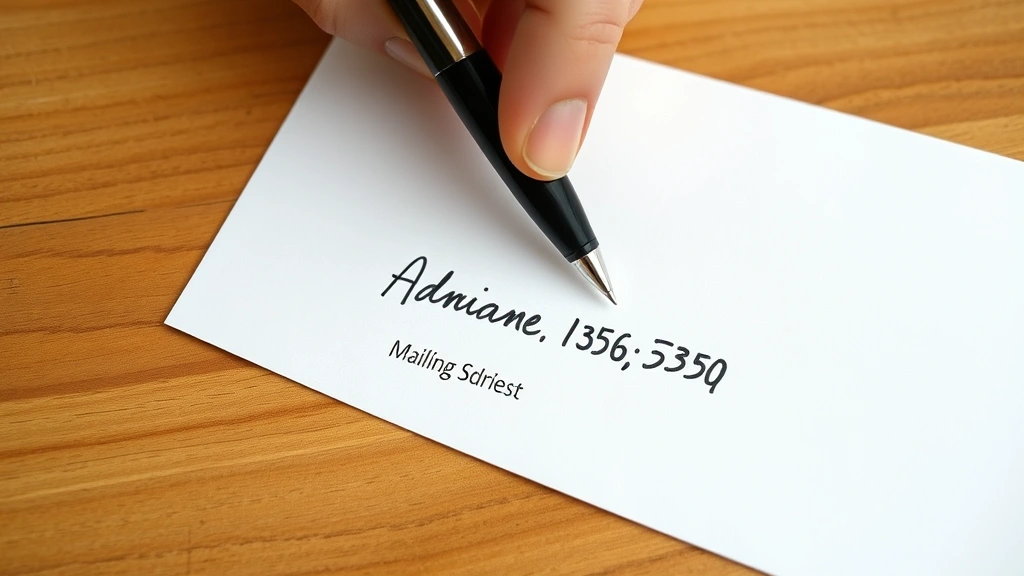
How to Address an Envelope: Expert Tips Inside
Addressing an envelope properly might seem like a simple task, but there’s more to it than just scribbling a name and address. Whether you’re sending a formal business letter, a wedding invitation, or a heartfelt card, knowing the correct format ensures your mail reaches its destination promptly and makes a professional impression. The United States Postal Service (USPS) has specific guidelines that, when followed, can improve mail delivery speed and reduce the chance of your correspondence being returned or delayed.
In today’s digital age, handwritten envelopes have become increasingly rare, making them stand out when they do arrive. Proper envelope addressing combines legibility, correct formatting, and adherence to postal standards. This comprehensive guide will walk you through every aspect of addressing an envelope like a pro, from choosing the right materials to understanding postal abbreviations and placement rules.
Understanding USPS Envelope Standards
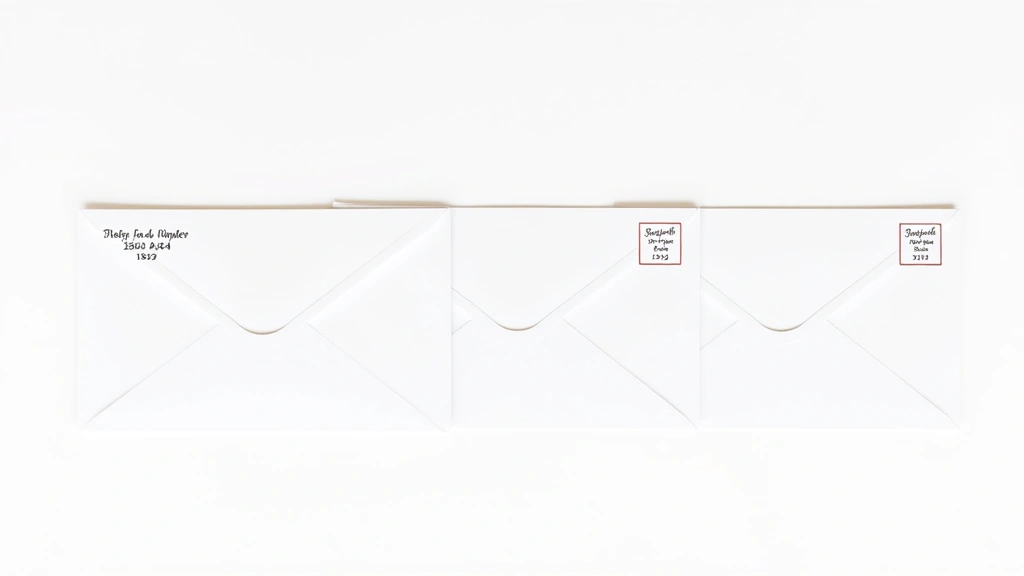
The United States Postal Service maintains strict guidelines for mail addressing to ensure efficient sorting and delivery. These standards have been developed over decades and are specifically designed to work with automated mail-sorting equipment. When you follow USPS guidelines, your mail moves through the system faster and is less likely to be misdelivered or returned to sender.
According to USPS official standards, all addresses must be formatted consistently, use approved abbreviations, and maintain proper spacing. The postal service recommends using a standard 10-point font for printed addresses, though handwritten addresses are perfectly acceptable as long as they remain legible. The key principle is that mail sorting machines can read your address clearly, whether it’s printed or written by hand.
Understanding these standards also means recognizing that the USPS prefers all capital letters for machine-readable addresses, though this isn’t strictly required for handwritten mail. The spacing between lines and the positioning of elements on the envelope matter just as much as the information itself. Taking time to learn these basics ensures your important correspondence doesn’t get lost or delayed in the mail system.
Basic Envelope Format and Layout
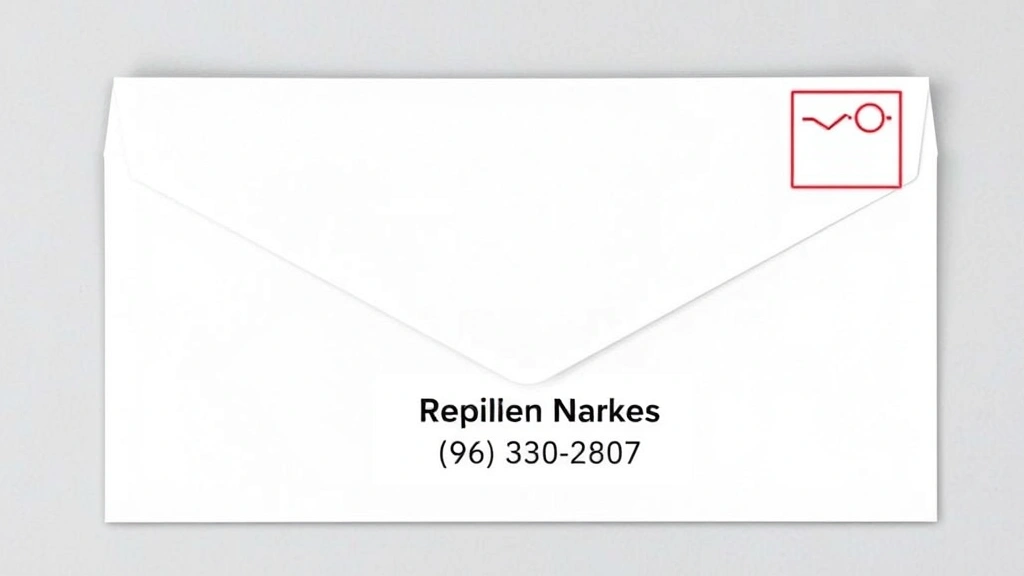
The standard envelope has three main address areas: the recipient’s address in the center, the return address in the upper left corner, and optional postage indicators. Each area serves a specific purpose in the mail delivery process. The recipient’s address is the primary information that determines where your mail goes, while the return address ensures that undeliverable mail finds its way back to you.
For a standard business-sized envelope (4.125 x 9.5 inches), the recipient’s address should be positioned approximately in the center of the envelope, roughly one inch from the left edge and one inch from the top. This positioning works optimally with postal sorting machines. The address block itself should be no more than five lines, with each line containing no more than 32 characters including spaces.
The format follows this structure: the first line contains the recipient’s name and title if applicable; the second line shows the street address; the third line displays the city, state, and ZIP code. Additional information like apartment numbers or suite designations should be on the same line as the street address, separated by a comma or placed immediately after the street number. Understanding this basic layout is the foundation for learning various how-to techniques that will improve your correspondence skills.
Standard Address Block Example:
- John Smith
- 123 Main Street, Apt 4B
- Springfield, IL 62701
This three-line format represents the most efficient and widely accepted approach. Some formal occasions might require additional information, but the basic principle remains: keep it simple, clear, and properly formatted. The recipient’s name should always be on the first line, with the street address following immediately below.
Recipient Address Placement
The placement of the recipient’s address on the envelope is critical for proper mail delivery. USPS regulations specify that the address should occupy the lower right two-thirds of the envelope’s front face. However, the most practical approach is to center the address block roughly in the middle of the envelope, leaving adequate margins on all sides.
Positioning should follow these guidelines: leave at least one inch of clear space on all sides of the address block, position the address no lower than one inch from the bottom edge, and no higher than one inch from the top edge. This creates a readable zone that postal scanning equipment can easily capture. Avoid placing addresses in the corners, near the edges, or overlapping with return address areas.
For larger envelopes or special situations, you may need to adjust these guidelines slightly. Always ensure the address block remains in the lower right portion of the envelope front, as this is where postal machines expect to find delivery information. If you’re sending mail internationally, additional considerations apply regarding format and placement, though the general principle of centered positioning remains valid.
The envelope size itself affects placement decisions. Standard #10 business envelopes differ from large manila envelopes or greeting card envelopes, each requiring slight adjustments to ensure optimal machine readability. Regardless of envelope size, maintaining clear, unobstructed address space ensures your mail progresses smoothly through the postal system.
Return Address Essentials
The return address serves as your mail’s safety net, ensuring that undeliverable correspondence finds its way back to you. This address must be placed in the upper left corner of the envelope, using the same formatting standards as the recipient’s address. The return address should include your full name, street address, city, state, and ZIP code, formatted identically to how you’d address mail to someone else.
Your return address should occupy no more than four lines and fit within the upper left corner, typically starting about half an inch from the top and left edges. This positioning keeps it separate from the recipient’s address and ensures postal machines can distinguish between the two. Many people wonder whether to include a title with their name on the return address—this is optional and depends on the context of the mail.
Including a return address is not technically required by USPS, but it’s highly recommended for several important reasons. First, if your mail is undeliverable for any reason, having a return address ensures it comes back to you rather than being discarded. Second, it provides recipients with your contact information without requiring them to open the envelope. Third, for business correspondence, it reinforces your professional identity and brand.
For business mail, consider using pre-printed return addresses, which appear more professional and save time. For personal correspondence, a handwritten return address adds a personal touch while maintaining professionalism. If you frequently send mail, investing in return address stamps can streamline your envelope preparation process while maintaining consistency across all your correspondence.
State Abbreviations and Postal Codes
USPS requires the use of two-letter state abbreviations in all mailing addresses. These standardized abbreviations ensure consistent mail sorting and reduce confusion between states with similar names. Learning these abbreviations is essential for proper envelope addressing, and the complete list is readily available from the USPS website.
Common state abbreviations include: AL (Alabama), CA (California), FL (Florida), IL (Illinois), NY (New York), TX (Texas), and WA (Washington). Each state has exactly two letters, and these should always appear in capital letters on mailing addresses. Using full state names is acceptable for formal personal correspondence, but USPS machines are optimized for two-letter abbreviations, making them the preferred standard for all mail.
Postal codes, officially called ZIP codes (Zone Improvement Plan), are equally important. Every address in the United States has a corresponding five-digit ZIP code, and many have extended ZIP+4 codes that include four additional digits. Including the correct ZIP code dramatically improves delivery speed and accuracy. You can find any ZIP code through the USPS ZIP code lookup tool.
The format for the city, state, ZIP line should follow this pattern: City, ST 12345. Notice the comma after the city name, the two-letter state abbreviation in capitals, and exactly one space between the state and ZIP code. Avoid adding extra punctuation or spacing, as this can confuse automated sorting systems. If you’re including the ZIP+4 code, format it as: City, ST 12345-6789.
When addressing mail to military personnel, government agencies, or other special recipients, the state abbreviation and ZIP code format remains the same. Consistency in formatting these elements ensures that regardless of where your mail is going, it will be properly sorted and delivered efficiently. Taking a moment to verify the correct ZIP code before sealing your envelope is always worth the effort.
Addressing Special Mail Categories
Different types of mail sometimes require modified addressing conventions. Business mail, formal invitations, international correspondence, and packages each have specific formatting considerations that go beyond basic envelope addressing. Understanding these special cases ensures your mail makes the right impression and reaches its destination without complications.
Business Correspondence: When addressing business mail, include the recipient’s full name, title, company name, street address, city, state, and ZIP code. The format should be:
- Jane Doe, Manager
- ABC Corporation
- 456 Oak Avenue
- Denver, CO 80202
Formal Invitations: Wedding invitations, formal announcements, and similar correspondence often use full state names rather than abbreviations. This is acceptable for formal occasions and adds an elegant touch. Names should be spelled out fully, and titles should be written as words rather than abbreviations (for example, “Doctor” instead of “Dr.”).
International Mail: When sending mail outside the United States, the addressing format changes significantly. The recipient’s country name must appear on the last line in all capital letters, and you should use the postal code format specific to that country. International mail addressing differs considerably from domestic standards, so consulting USPS international mail guidelines is essential.
Packages and Parcels: Large packages follow the same addressing principles as standard envelopes, but placement might differ due to package shape and size. Ensure the address is clearly visible on the top or front of the package, positioned where postal scanning equipment can easily read it. For irregularly shaped packages, place the address on the most stable, flat surface available.
Certified and Special Mail: Registered mail, certified mail, and other special services require standard addressing but may include additional information fields for tracking numbers. These should be placed below or to the side of the main address block without disrupting the primary address formatting. Always consult USPS guidelines for your specific mail type to ensure compliance.
Common Mistakes to Avoid
Even with the best intentions, people frequently make addressing mistakes that can delay or misdeliver mail. Being aware of these common errors helps you avoid them and ensures your correspondence reaches its intended destination reliably. Many of these mistakes are simple oversights, but their consequences can be significant.
Illegible Handwriting: The most common error is addressing envelopes with handwriting that’s difficult to read. If postal workers or automated machines cannot clearly distinguish letters, numbers, or entire words, your mail may be delayed or misdelivered. Always write clearly, using consistent letter sizes and spacing. If your handwriting is difficult to read, consider printing addresses instead.
Incorrect ZIP Codes: Providing a wrong ZIP code is surprisingly common and can send your mail to the wrong location entirely. Always verify ZIP codes before addressing envelopes. The difference between similar ZIP codes in the same city can mean your mail travels to a completely different neighborhood or city.
Incomplete Addresses: Leaving out apartment numbers, suite designations, or other necessary information can make an address incomplete. Even if the street address is correct, mail to apartment 5B cannot be delivered to a building with multiple units if you only specify the street address. Always include all relevant address components.
Using Full State Names Instead of Abbreviations: While full state names are technically acceptable, they slow down automated sorting. USPS machines are optimized for two-letter state abbreviations, so using them ensures faster processing. For formal occasions, full state names are appropriate, but for general correspondence, stick with abbreviations.
Poor Spacing and Positioning: Cramming text together or positioning the address in unusual locations confuses both machines and human postal workers. Maintain consistent spacing between lines, leave adequate margins, and position the address in the standard center area of the envelope. Poor formatting might not always prevent delivery, but it slows the process.
Adding Decorative Elements Over the Address: While envelope decorations are charming, never place stickers, drawings, or designs over the address area. This obscures the address and can prevent automated scanning. Keep the address area clear and unobstructed, reserving decorative elements for other parts of the envelope.
Forgetting the Return Address: Omitting your return address means undeliverable mail cannot be returned to you. Always include a return address, even if you think the address is correct. This small addition provides essential protection for your correspondence.
Tips for Handwriting and Legibility
When handwriting envelope addresses, legibility is paramount. Your handwriting must be clear enough for both postal machines and human postal workers to read without difficulty. Several techniques can help improve your envelope addressing handwriting, regardless of your natural writing style.
Write Slowly and Deliberately: Rushing through envelope addressing often results in unclear, cramped writing. Take your time with each letter, focusing on clarity over speed. Slow, deliberate writing allows you to maintain consistent letter sizes and proper spacing between words and lines.
Use a Quality Writing Instrument: Ballpoint pens are ideal for envelope addressing, as they produce consistent, dark lines that are easy to read. Avoid pencils, which can smudge or fade, and fountain pens, which may bleed through envelope paper. A reliable ballpoint pen ensures your address remains legible throughout the mail delivery process.
Maintain Consistent Letter Size: Inconsistent letter sizes make addresses difficult to read. Practice writing all capital letters at approximately the same height, typically about one-quarter inch tall. Consistency in letter size significantly improves readability and ensures postal machines can scan your address effectively.
Space Words and Lines Properly: Leave adequate space between words and lines to prevent letters from running together. This spacing makes each word distinct and helps both machines and human readers parse the address information quickly. A good rule of thumb is to leave space equal to the width of one letter between words.
Position Text Horizontally: Always write addresses horizontally, never at an angle or vertically. Postal sorting equipment expects horizontal text, and angled writing confuses both machines and human readers. Using a straightedge or envelope addressing template can help maintain proper horizontal alignment.
Double-Check Before Sealing: Before sealing your envelope, take a moment to review the address. Verify that all information is correct, legible, and properly formatted. This final check catches errors before your mail enters the postal system, preventing delays and potential misdelivery.
Practice on Scrap Paper First: If you’re addressing multiple envelopes, practice on scrap paper first. This helps you establish a rhythm and ensures consistency across all envelopes. Practicing also allows you to adjust your handwriting technique if needed before addressing your actual correspondence.
For those who frequently send formal correspondence, consider exploring how to add signature in Word for digital document preparation, which can complement your envelope addressing skills. Similarly, learning how to add table of contents in Word helps organize complex documents that might accompany your mailed correspondence.
FAQ
What is the correct format for a mailing address?
The standard format includes the recipient’s name on the first line, street address on the second line, and city, state, and ZIP code on the third line. For example: John Smith, 123 Main Street, Springfield, IL 62701. Each line should be clear and properly spaced for readability.
Do I need to include an apartment number on the envelope?
Yes, always include apartment numbers, suite designations, or other unit identifiers. These should appear on the same line as the street address, separated by a comma. Omitting this information can result in mail being delivered to the wrong unit within a building.
Can I use a full state name instead of an abbreviation?
Yes, full state names are technically acceptable, especially for formal correspondence. However, USPS machines process two-letter state abbreviations faster, so using abbreviations is recommended for general mail. For formal invitations and elegant correspondence, full state names are appropriate.
What should I do if I don’t know the recipient’s ZIP code?
Use the USPS ZIP code lookup tool available on their website. You can search by address, and the tool will provide the correct five-digit ZIP code and extended ZIP+4 information. Taking a moment to verify the ZIP code ensures accurate delivery.
Should I include a return address on every envelope?
While not technically required, including a return address is highly recommended. It ensures undeliverable mail returns to you and provides recipients with your contact information. Always include a return address for important correspondence.
Can I address envelopes using a computer printer?
Absolutely. Printed addresses are often preferred for their consistency and clarity. Use a standard 10-point font, maintain proper spacing and positioning, and ensure the printed address is dark and legible. Many people use mail merge features to efficiently print multiple addresses.
What size font should I use for envelope addresses?
USPS recommends a standard 10-point font for printed addresses. For handwritten addresses, aim for letters approximately one-quarter inch tall. The key is ensuring legibility—whether printed or handwritten, your address must be clear enough for postal machines and workers to read easily.
How far should the return address be from the top and left edges?
Position the return address approximately one-half inch from both the top and left edges of the envelope. This placement ensures it remains separate from the recipient’s address and fits within the standard return address area recognized by postal equipment.
Is it acceptable to use decorative fonts for envelope addresses?
For formal correspondence, decorative or script fonts can add elegance, as long as they remain legible. However, for standard business mail or when legibility is uncertain, stick with clear, simple fonts. Postal scanning equipment reads standard fonts more reliably than decorative styles.
What happens if I address an envelope incorrectly?
Incorrect addressing can result in delayed delivery, misdelivery to the wrong location, or return to sender. USPS workers attempt to correct obvious errors, but significant mistakes may prevent delivery. Always take time to verify addresses before sealing your envelopes.